
Choosing the right waterproof sticker paper for a bullet journal or planner requires balancing durability with page bulk. While glossy vinyl offers excellent water resistance, matte synthetic paper or thin matte vinyl typically provides the most balanced performance for daily planning. These materials allow you to print crisp layouts and write with standard stationery pens without adding excessive thickness that can warp your journal pages or strain the binding.
Understanding Base Materials for Waterproof Sticker Paper
To choose the right base, you must understand vinyl, PET, and synthetic paper. Vinyl is highly flexible and conforms well to curved surfaces, but it is often the thickest option. This thickness can quickly add bulk to a journal, especially when multiple stickers are layered on a single page.
PET (polyethylene terephthalate) is a polyester film that offers exceptional tear resistance and stiffness. It is excellent for clear stickers but can feel plasticky and may resist folding if placed near the spine of a book.
Products mentioned in this guide
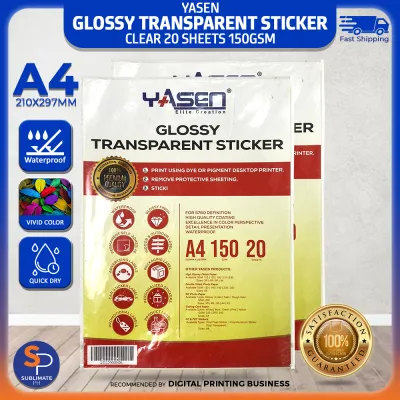
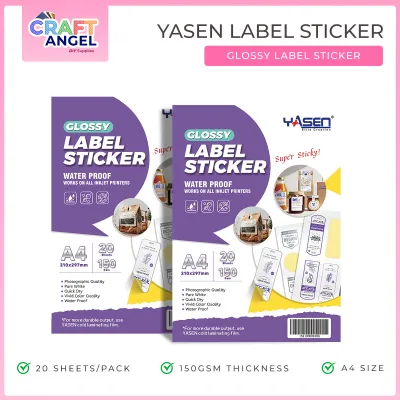
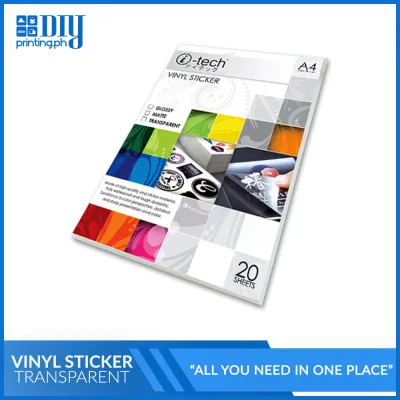
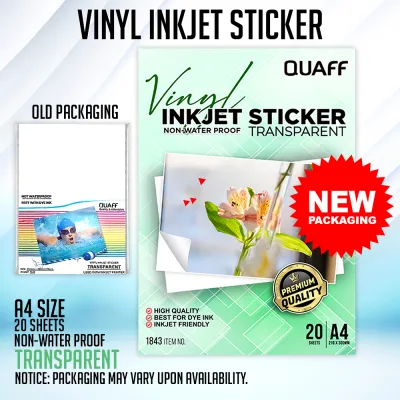
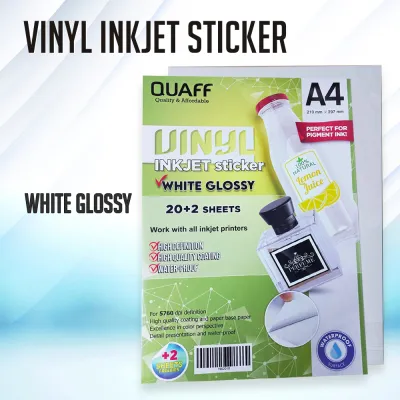
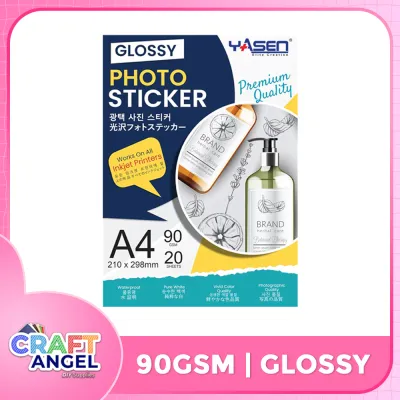
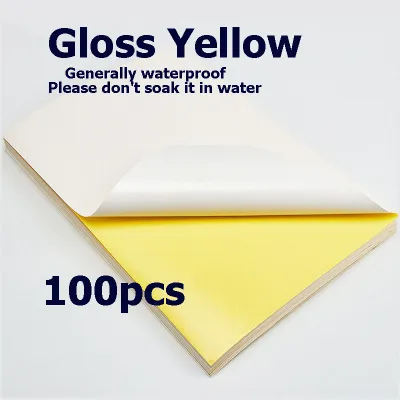
Prices are valid at publication and may change. Please refer to the product page for the latest price.
Synthetic paper, often made from polypropylene, strikes a balance. It feels more like traditional paper, is thinner than vinyl, and resists tearing, making it highly compatible with delicate journal pages.
Page bulk is a critical consideration for planner enthusiasts. In disc-bound or ring-bound systems, thick sticker sheets can cause the pages to bunch up near the rings, preventing the journal from laying flat.
Furthermore, in tropical climates with high relative humidity, paper pages naturally absorb moisture and expand slightly. Heavy vinyl stickers do not expand, which can cause the surrounding paper to warp or buckle over time.
When shopping, read manufacturer labels carefully to distinguish between “water-resistant” and “waterproof.” Water-resistant papers can handle light splashes or high humidity without the ink running immediately, but they will degrade if exposed to prolonged moisture. True waterproof papers maintain their structural integrity and adhesive bond even when wet, making them ideal for planners that travel with you to cafes or outdoor workspaces.
Essential Features to Evaluate for Planner Setups
Printability is the first hurdle when using waterproof sticker paper at home. Most waterproof papers are optimized for either inkjet or laser printers, and using the wrong type can ruin the sheet or even damage your machine.

Inkjet printers use water-based inks that require a specialized porous coating on the sticker paper to dry and lock in place. On non-porous waterproof surfaces, standard inkjet ink may pool, bead up, or smudge easily, requiring hours or even days to dry completely.
Laser printers use heat to fuse dry toner powder onto the surface. While this creates an instantly dry, highly water-resistant print, the high heat can melt thin vinyl sticker sheets, leading to paper jams and printer damage. Always verify that the sticker paper is rated for your specific printer type and adjust your print settings to “heavy paper” or “labels” to control the speed and temperature.
Writeability is equally important if you plan to write directly on your stickers. Glossy waterproof papers have a slick, non-porous surface that repels water-based inks, causing gel pens, fineliners, and fountain pens to smear instantly.
Matte waterproof papers feature a micro-textured coating that allows ink to grip the surface, but drying times will still be longer than on standard wood-free paper. You must test your favorite pens to see if they feather or smudge before committing to a full layout.
Adhesion quality determines how well the sticker stays put without damaging your planner. Permanent adhesives form a strong bond that prevents the edges from lifting, which is excellent for long-term trackers but unforgiving if you make a placement mistake.
Attempting to peel off a permanent waterproof sticker will likely tear delicate planner pages, especially thin papers like 52 gsm or 68 gsm sheets. Repositionable or removable adhesives allow you to correct mistakes, but they may lose their grip and lift at the corners in hot, humid environments.
The aesthetic finish of the sticker paper should complement your journal’s design. Transparent waterproof paper is ideal for layering over dot grids or existing layouts, as it allows the underlying lines to show through without creating harsh white borders.
Matte white sticker paper offers a clean, professional look that blends well with standard white pages, though it may look stark against cream or ivory paper. Glossy finishes provide vibrant colors and sharp contrast, but they reflect overhead light, which can cause glare and make small text difficult to read during late-night planning sessions.
Matching Sticker Paper to Your Journaling Workflow
Your specific journaling style should dictate the type of waterproof sticker paper you select. If your workflow revolves around printable planners, where you print entire monthly layouts, habit trackers, or weekly spreads, prioritize thin matte synthetic papers. These sheets feed smoothly through home printers, dry relatively quickly, and ensure that fine grid lines and small fonts remain crisp and legible.
For hand-drawn and lettering setups, where you sketch or write calligraphy directly onto the sticker before cutting it, specialized matte waterproof papers are highly effective. The slight texture provides the necessary friction for brush pens and felt-tip markers, preventing the tip from sliding uncontrollably and ensuring clean, precise lines.
High-traffic dashboards, such as index tabs, daily logs, or year-at-a-glance trackers, require maximum durability. These pages are touched multiple times a day, exposing them to friction and natural oils from your fingers. For these applications, choose thicker, tear-resistant vinyl or PET sheets that can withstand constant handling without fraying or peeling at the edges.
If you enjoy layering and overlapping stickers to create complex collage layouts, opt for ultra-thin transparent waterproof options. Layering thick vinyl stickers can quickly create an uneven writing surface on the subsequent pages of your journal. Thin transparent sheets allow you to stack designs over dot grids, watercolor washes, or washi tape without adding unnecessary bulk or obscuring the beautiful elements underneath.
Testing and Application Guidelines for Safe Journaling
Before applying any new waterproof sticker paper to your cherished journal, it is crucial to perform a series of tests to prevent accidental damage. Start by conducting a small-scale water and ink smudge test on a scrap piece or the margin of the printed sheet. Apply a drop of water to the printed design, let it sit for a minute, and then gently rub it with your finger to verify if the ink bleeds or smears.
Next, test the adhesive strength on an inconspicuous page at the very back of your journal or on a spare sheet of the same paper type. This step is vital because different journal brands use unique paper coatings and sizing agents, which react differently to adhesives. Leave the test sticker on the page for 24 hours, then attempt to peel it off to see if it lifts cleanly or tears the fibers.
When printing or writing on waterproof stickers, always allow adequate drying time before closing your planner. Because waterproof coatings do not absorb moisture as quickly as standard paper, closing the journal too soon can cause the ink to transfer to the opposing page, ruining your hard work.
Finally, proper storage is essential to maintain the quality of your unused sticker sheets. Store them completely flat in a cool, dry place, away from direct sunlight, high humidity, or extreme heat. In tropical climates, exposure to humidity can cause the backing paper to curl and the adhesive to degrade, making the sheets difficult to feed through your printer or apply to your pages.
Frequently Asked Questions (FAQ)
Can I use regular sticker paper and just spray it with a waterproof sealant?
Using an aftermarket clear acrylic sealant spray on regular sticker paper is generally not recommended for bullet journaling. The chemical solvents in these sprays can cause thin planner pages to warp, wrinkle, or discolor over time. Additionally, the spray can emit strong, lingering chemical odors and leave a sticky or tacky residue that transfers to adjacent pages when the journal is closed. For a clean, safe, and odor-free journaling experience, it is more practical to invest in pre-coated waterproof sticker paper designed specifically for printing.
Will waterproof sticker paper damage my fountain pen nibs?
Yes, writing directly on certain synthetic or heavily coated waterproof sticker papers can pose risks to delicate fountain pen nibs. These non-porous surfaces do not absorb ink, which can cause the nib to skip, pool, or slide uncontrollably, potentially leading the writer to apply excessive pressure that can misalign the tines. Furthermore, some highly textured matte waterproof coatings contain abrasive minerals that can wear down or scratch delicate gold nibs over time. If you use fountain pens, it is highly recommended to write on the journal’s native paper or use specialized water-resistant inks on fountain-pen-friendly paper rather than writing on synthetic sticker sheets.

Community discussion
Share your experience or ask a question. Comments are reviewed before publication.