
There is no single “best” pen grip material, as comfort and effectiveness depend entirely on a child’s hand strength, sweating tendencies, and specific grip habits. Silicone offers moderate support and slip resistance, foam provides soft cushioning for pressure relief, and ergonomic plastic delivers rigid structural correction. Choosing the right tool requires looking closely at how your child holds their pencil during daily writing tasks, especially in warm, humid tropical classrooms where sweat and fatigue can quickly affect their grip.
By understanding the physical properties of each material, you can match them to your child’s specific challenges, such as tight finger pinching, slipping, or incorrect finger placement. This guide breaks down the differences in material behavior, durability, and fit to help you select the most effective option for your child’s schoolwork.
Understanding Material Properties and Structural Support
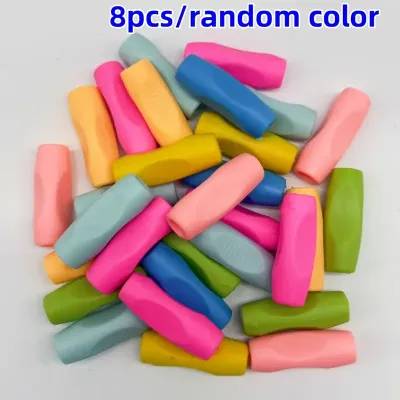
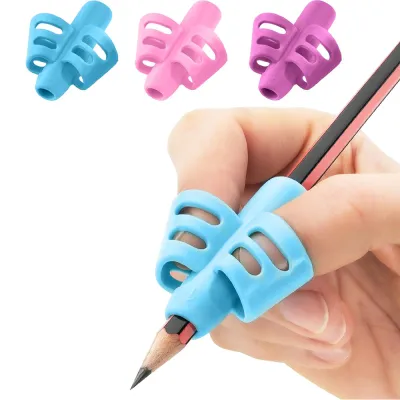
Silicone is highly valued for its elasticity and rubber-like texture, which provides a balanced combination of flexibility and resistance. When a child squeezes a silicone grip, the material yields slightly to pressure but quickly returns to its original shape, offering a stable surface that prevents fingers from sliding down the barrel. The surface of silicone is naturally high-friction, which helps children maintain a secure hold without needing to squeeze the pencil excessively hard. This makes it a versatile option for daily schoolwork, especially when transitioning from thick beginner pencils to standard writing instruments.
Products mentioned in this guide
![[COD] SAjeNH SPORT Silicone Pencil Grips Children Writing Pencil Pen Holder Five Fingers Fixed Handwriting Posture Correction Assisted Grip](https://img.lazcdn.com/g/p/ce883ed461e54356def3905b3267e6e3.jpg_400x400q80.jpg_.webp)
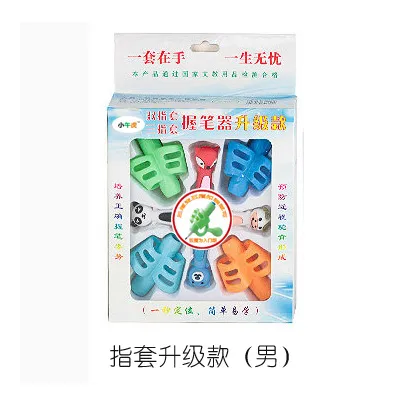
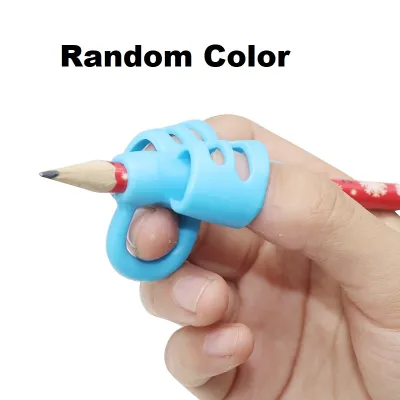
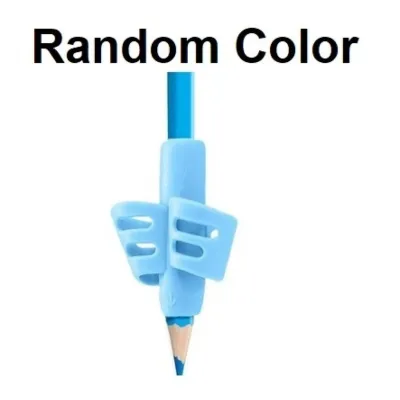
Prices are valid at publication and may change. Please refer to the product page for the latest price.
Additionally, silicone is highly resistant to environmental factors like heat and moisture, which prevents it from becoming sticky or brittle over time. Its elastic nature allows it to stretch over various shapes, conforming tightly to hexagonal, round, or triangular pencil barrels. This elasticity ensures that the grip remains firmly in place during active writing, preventing annoying twisting or sliding. For parents looking for a reliable, middle-ground option, silicone provides a comfortable balance of soft tactile feedback and structural stability.
Foam grips, on the other hand, are characterized by their high compressibility and open-cell or closed-cell structure, which prioritizes maximum cushioning. When a child applies pressure to a foam grip, the material compresses significantly, absorbing the force of their fingers and distributing it over a wider surface area. This soft barrier acts as a shock absorber, which is particularly beneficial for children who press down heavily on the paper or suffer from early finger fatigue. Because foam is lightweight and highly pliable, it conforms easily to the unique shape of a child’s fingers during use, though it offers very little structural guidance to correct improper finger placement.
The texture of foam is dry and slightly matte, which can feel very comfortable to children who dislike the rubbery feel of silicone. However, because foam is highly compressible, it can bottom out if squeezed with extreme force, reducing its cushioning effectiveness. It also lacks the structural memory of silicone, meaning that over hours of continuous pressure, it may take longer to spring back to its original thickness. Despite these limitations, foam remains a popular choice for children who need immediate pressure relief and a soft, non-threatening introduction to using pencil accessories.
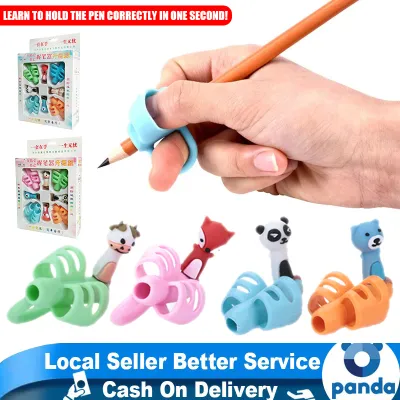
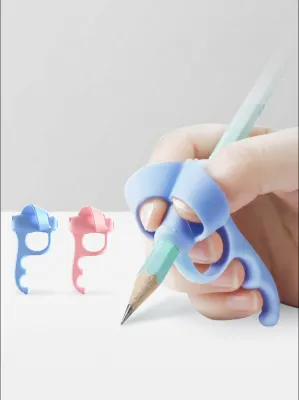
Ergonomic plastic grips provide a completely different approach by utilizing a rigid, non-compressible structure with pre-molded finger contours. These grips are designed to physically guide the child’s fingers into a specific, recommended writing posture, such as the tripod grip, by using molded indentations or ridges. Because the plastic does not compress or bend under pressure, it provides firm, unyielding support that prevents the fingers from shifting or wrapping over one another. While this rigid design is highly effective for structural correction, it lacks the cushioning properties of silicone and foam, making it feel hard against the skin if the child continues to squeeze too tightly.
The rigid nature of plastic means that the grip does not adapt to the child’s hand; rather, the child’s hand must adapt to the grip. This makes the design highly intentional, often featuring specific pockets for the thumb, index finger, and middle finger to rest in. Because there is no room for deviation, these grips are excellent for breaking deeply ingrained bad habits, such as a cross-finger grip or a tight fist hold. However, because they are hard, they require the child to have a basic level of hand control to avoid pressing too hard against the rigid plastic edges.
Matching Grip Types to Specific Writing Challenges
In warm, humid climates like the Philippines, sweaty hands are a common obstacle that can cause a child’s fingers to slide constantly down the pencil barrel. When fingers slip, children often compensate by squeezing the pencil much harder, leading to rapid hand fatigue and messy handwriting. Silicone grips are highly effective in these conditions because their non-porous, high-friction surface maintains a reliable grip even when exposed to moisture. The natural tackiness of silicone prevents the fingers from sliding forward, allowing the child to maintain a relaxed, comfortable hold during long writing sessions in the classroom.

Furthermore, the slip-resistant nature of silicone helps reduce the cognitive load on young writers who are still mastering letter formation. When a child does not have to constantly worry about their fingers sliding off the pencil, they can focus more energy on their handwriting neatness and speed. This is particularly helpful during timed school activities or exams where writing efficiency is crucial. By providing a reliable, non-slip anchor point, silicone allows for a more fluid and uninterrupted writing experience.
For children who experience finger fatigue, joint pain, or deep, painful pressure marks on their fingers, foam grips offer the necessary cushioning to relieve discomfort. Some children naturally write with a “heavy hand,” pressing the pencil tip firmly into the paper until their knuckles turn white. A thick foam grip cushions these high-pressure contact points, preventing the hard pencil barrel from digging into the skin and joints. By reducing the mechanical stress on the small muscles of the hand, foam helps children write for longer periods without complaining of cramps or stiffness.
This cushioning is also highly beneficial for children with low muscle tone or joint hypermobility, who may find holding a thin pencil painful or tiring. The added bulk of a foam grip increases the overall diameter of the writing tool, which reduces the amount of finger flexion required to hold it. A wider, softer grip allows the hand to remain in a more open, relaxed position, minimizing the strain on delicate finger joints. For these children, the simple addition of a foam sleeve can transform writing from a painful chore into a manageable, comfortable task.
When the primary challenge is improper finger placement, such as thumb-wrapping, fist-gripping, or crossing fingers over the pencil, ergonomic plastic grips provide the necessary physical boundaries. Children who have not yet developed the muscle memory for a proper tripod grip often ignore the soft boundaries of silicone or foam, continuing to hold the pencil incorrectly. The rigid, molded contours of an ergonomic plastic grip force the fingers into the correct positions, making it physically difficult to wrap the thumb or cross fingers. This structural guidance helps train the hand muscles and build the correct muscle memory over time, provided the grip is used consistently.
Overcoming these deeply ingrained grip habits early is essential for preventing long-term writing difficulties as school workloads increase. A child who uses a fist grip or wraps their thumb tightly will often struggle to write quickly or legibly in higher grade levels. Ergonomic plastic grips act as a physical template, showing the child exactly where each finger belongs without requiring constant verbal reminders from parents or teachers. This independent correction fosters self-reliance and helps establish efficient writing habits that will benefit the child throughout their academic journey.
Assessing Durability, Fit, and Maintenance
Evaluating the durability of these materials is essential for choosing a grip that can withstand daily use in a busy school environment. Foam grips are generally the most fragile option, as the soft material is prone to tearing, crumbling, or stretching out of shape when repeatedly pulled on and off pencils. Silicone is significantly more durable, resisting tears and maintaining its elasticity even after months of stretching over various pen and pencil barrels. Ergonomic plastic grips are virtually indestructible under normal writing conditions, though they can crack if stepped on or subjected to heavy impact in a school bag.
Because foam grips wear out relatively quickly, they often need to be replaced every few weeks, especially if the child has a habit of picking or biting at the soft material. This frequent replacement can become inconvenient and less cost-effective over time compared to a single, durable silicone or plastic grip. Silicone grips can withstand being dropped, stretched, and tossed into pencil cases without losing their shape or functionality. Plastic grips offer the longest lifespan, making them a highly reliable one-time purchase for the school year, provided they are not lost.
Compatibility with existing stationery is another critical factor to check before making a purchase, as grip sizes and shapes vary widely. Standard wooden pencils, triangular colored pencils, mechanical pencils, and ballpoint pens all have different barrel diameters and profiles. A high-elasticity silicone grip can stretch to fit slightly larger pen barrels, whereas a rigid plastic grip has a fixed inner diameter that will only fit specific pencil sizes. Before buying, verify the inner diameter of the grip against the writing tools your child actually uses in school to ensure a snug fit that will not slide or twist during use.
If a grip is too loose, it will slide up and down the pencil barrel while the child is writing, causing frustration and defeating the purpose of the tool. Conversely, if a grip is too tight and lacks elasticity, attempting to force it onto a thick pen can tear the grip or damage the writing instrument. When selecting a grip, look for specifications regarding barrel compatibility, such as whether it is designed for standard 8mm pencils or wider markers. Taking a quick measurement of your child’s favorite writing tools beforehand can save you from purchasing incompatible accessories.
Maintenance and hygiene requirements also differ based on the material’s surface porosity and structure. Foam is highly porous, meaning it easily absorbs sweat, skin oils, dirt, and spilled liquids, making it difficult to clean thoroughly and prone to harboring bacteria over time. Silicone and plastic are non-porous, allowing them to be easily washed with mild soap and water, wiped down with a damp cloth, or sanitized without damaging the material. For children who use their writing tools daily, non-porous materials offer a much more hygienic long-term solution, especially in warm environments where sweat accumulation is higher.
In a typical school setting, pencils and grips are frequently dropped on the floor, shared with classmates, or stored in dusty pencil cases. A porous foam grip can quickly become discolored and unsanitary under these conditions, requiring disposal for hygiene reasons. Silicone and plastic grips can be quickly washed at the end of the school week, dried with a towel, and returned to service looking as good as new. This ease of cleaning makes non-porous materials highly practical for busy parents who want to maintain a clean learning environment for their children.
Decision Framework: Choosing the Right Pen Grip for Kids
To make the best choice for your child, consider their primary writing habits and physical needs using this conditional framework:
Choose Silicone if:
- Your child's fingers frequently slip due to sweat or humidity, and they need a high-friction surface to maintain control.
- You want a durable, long-lasting grip that can stretch to fit a variety of standard pencils, colored pencils, and pens.
- Your child already has a relatively correct finger placement but needs moderate support to reduce mild hand strain.
- You prefer an easy-to-clean, hygienic accessory that can be washed regularly with soap and water.
Choose Foam if:
- Your child presses down very hard on the paper, resulting in deep pressure marks, calluses, or joint pain on their fingers.
- Your child complains of rapid hand fatigue or cramping during short writing tasks and needs maximum cushioning.
- You are looking for an affordable, soft option for a child who does not require structural correction for their finger placement.
- Your child prefers a dry, matte texture over the rubbery feel of silicone or the hardness of plastic.
Choose Ergonomic Plastic if:
- Your child struggles with severe finger misalignment, such as wrapping their thumb over their index finger or holding the pencil in a fist.
- You want to actively train your child's hand to adopt a standard tripod grip through physical, unyielding guidance.
- You need a highly durable grip that will not tear, stretch, or degrade over time with heavy daily use.
- Your child is receptive to structured guidance and does not mind the firm feel of molded plastic.
Verify first if:
- Your child experiences persistent, severe hand pain, joint swelling, or extreme resistance to writing tasks. In these cases, it is highly recommended to consult an occupational therapist or a qualified professional to assess their fine motor skills and provide personalized guidance, rather than relying solely on commercial pen grips. A professional can help identify underlying motor difficulties and recommend specific therapeutic exercises or specialized tools tailored to your child's unique developmental needs.
Frequently Asked Questions (FAQ)
Can a child use a pen grip on all types of school pencils and pens?
No, pen grips are not universally compatible with every writing instrument. You must check the inner diameter of the grip and compare it to the barrel of the pencil or pen your child uses. Standard wooden pencils typically have a diameter of around 7mm to 8mm, which fits most standard silicone and foam grips. However, thicker beginner pencils, triangular pencils, or wide-barrel ballpoint pens may require specialized grips with larger or flexible openings. Rigid plastic grips are the least flexible and will slide off thin pencils or fail to fit over thicker pens entirely.
When shopping, look for product descriptions that specify compatibility with hexagonal, round, or triangular barrels. Some silicone grips feature a highly stretchable inner core that can accommodate a wider range of sizes, making them more versatile for older children who transition between pencils and pens throughout the school day. If your child uses mechanical pencils, ensure the grip does not block the lead advancement mechanism or the eraser cap, as some bulky designs can interfere with these functional parts.
How do I know if the pen grip is causing more harm than good?
You can determine if a grip is unsuitable by observing your child’s physical feedback and writing behavior. If you notice new red marks, blisters, or deep indentations on their fingers, the material may be too hard or the fit too tight. Watch for signs of increased hand cramping, an awkward wrist angle, or your child actively avoiding writing because the grip feels uncomfortable. If your child’s handwriting becomes significantly worse or if they express frustration while using the grip, stop using it immediately and reassess the material, shape, or size to find a more suitable option.
It is also important to monitor whether the child is bypassing the grip’s intended design. For example, some children will slide their fingers completely over an ergonomic plastic grip to continue holding the pencil in their preferred, incorrect way. This defeats the purpose of the tool and can lead to even more awkward hand postures. If a grip is causing frustration or physical discomfort, it is best to remove it and try a different material or consult a professional for guidance.

Community discussion
Share your experience or ask a question. Comments are reviewed before publication.