
Quick Answer: How to Choose the Right Modeling Material
Selecting the ideal modeling material for children involves balancing sensory preferences, cleanup tolerance, and long-term durability. Each classic toy offers a distinct tactile experience that appeals to different play styles and developmental stages. By evaluating your household’s tolerance for mess and your child’s creative goals, you can easily identify the perfect match.
- Silly Putty: Choose Silly Putty if your child enjoys stretching, snapping, bouncing, and low-mess sensory stimulation. It is highly durable, virtually never dries out, and is perfect for quiet, self-contained play.
- Play-Doh: Opt for Play-Doh if the primary goal is structured sculpting, building, color mixing, and developing fine motor skills through tools like molds, rollers, and cutters. It requires strict airtight storage to prevent hardening.
- Slime: Select Slime if your child craves fluid, gooey, and highly tactile sensory play, and you are prepared for active supervision and a higher potential for messy spills on fabrics or carpets.
- Alternative Options: None of these materials may be suitable if the child is under three years old due to choking hazards, if you are looking to bake and permanently preserve creations (which requires polymer clay or salt dough), or if the play environment cannot accommodate the specific cleanup requirements of liquid-based compounds.
Physical Properties and Play Experience
Understanding the physical science behind these materials helps explain why they behave so differently in a child’s hands. Each compound is engineered with a unique chemical base, dictating whether it stretches, holds a rigid shape, or flows like a liquid.

Silly Putty: Bouncy, Stretchy, and Tear-Resistant
Silly Putty is made from silicone polymers, primarily polydimethylsiloxane, which give it fascinating viscoelastic properties. This means it behaves like a viscous liquid over long periods but acts as an elastic solid under sudden force. If you roll it into a tight ball and drop it, it bounces high off the floor. Pull it slowly, and it stretches into long, thin strands; pull it quickly, and it snaps cleanly in half with a sharp pop.
Products mentioned in this guide
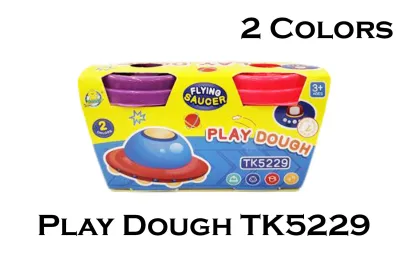
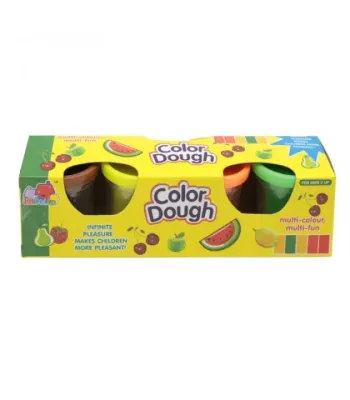
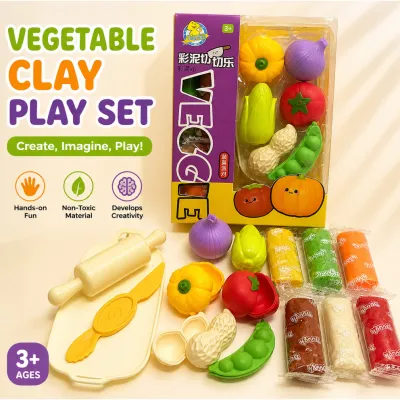
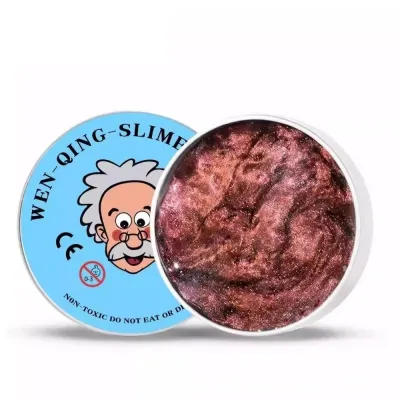
Prices are valid at publication and may change. Please refer to the product page for the latest price.
Another classic characteristic of Silly Putty is its ability to transfer printed ink. When pressed firmly against certain types of paper, such as newsprint, it can lift a mirror image of the text or images. However, because modern printing technology has shifted toward digital laser toners and soy-based inks, results vary heavily by paper type and ink composition. Doing a quick trial on a scrap piece of paper is the best way to verify if your specific print media will transfer.
Play-Doh: Firm, Sculptable, and Shape-Holding
Play-Doh is a starch-based modeling compound composed primarily of water, salt, and wheat flour. Unlike silicone-based materials, it has high plasticity and zero elasticity. When molded, it deforms easily under gentle hand pressure and retains its new shape indefinitely without drooping, pooling, or bouncing. This structural stability makes it the premier choice for three-dimensional modeling and imaginative play.
Because it holds its shape so well, Play-Doh is highly compatible with physical toys, extruders, rolling pins, and plastic molds. Children can press it into intricate shapes, build miniature structures, or stamp out flat figures. This firm, resistive texture provides excellent resistance for developing hand strength and fine motor coordination in young children.
Slime: Gooey, Fluid, and Highly Tactile
Slime is typically formulated from polyvinyl alcohol (PVA) glue cross-linked with boron-based activator ions. This chemical structure classifies it as a non-Newtonian fluid, meaning its viscosity changes depending on how much stress is applied. It flows, drips, and stretches dramatically when held up, offering a highly fluid and gooey tactile experience that many children find deeply satisfying.
Unlike Play-Doh, slime cannot hold a rigid, standing shape. If you sculpt a ball of slime and leave it on a table, it will slowly pool, drip, and flatten until it conforms to the surface beneath it. The play experience is centered around stretching, folding, squeezing, and listening to the satisfying popping sounds of air bubbles escaping the gel, rather than building structured figures.
Messiness, Residue, and Cleanup
For many parents, the choice between these materials comes down to cleanup effort. Each compound interacts differently with household surfaces, fabrics, and carpets, requiring specific cleaning strategies to prevent permanent damage.
Silly Putty: Low Mess but Prone to Picking Up Dirt
Silly Putty is remarkably clean during active play. It does not leave a wet, greasy, or sticky residue on hands, wooden tables, or plastic play mats. It is an excellent choice for travel or quiet play on the couch because it stays in one cohesive piece and does not crumble.
However, Silly Putty acts as a physical magnet for household debris, pet hair, and dirt. If dropped on a dusty floor, it will quickly absorb particles, eventually turning a dull gray and losing its elasticity. If it gets pressed into clothing or carpet fibers, do not try to rub it out. Instead, place an ice pack over the putty to freeze and harden it, making it brittle enough to gently scrape off with a dull spoon. Always check the garment’s care label first, and if you use a mild cleaning solvent or rubbing alcohol to remove any remaining tint, test it on a hidden area of the fabric to ensure colorfastness.
Play-Doh: Crumbly and Can Leave Color Stains
Play-Doh’s primary mess factor is its tendency to crumble as it dries during play. Small, bead-like crumbs often scatter across tables, fall onto the floor, and get ground into carpet fibers. Additionally, when children mix different colors of dough together, the vibrant hues quickly blend into a muddy, unappealing brown that cannot be separated.
To clean up Play-Doh crumbs, let them dry completely before vacuuming or sweeping them up. Attempting to wipe wet, half-dried crumbs can smear the dye deeper into carpet fibers or fabric weave. For stubborn, dried-on residue on hard surfaces like plastic tables or wooden desks, lay a damp cloth with warm water over the spot for a few minutes to soften the dough, then wipe it clean.
Slime: Sticky, Spill-Prone, and Harder to Clean
Slime represents the highest mess potential of the three materials. Because of its fluid, sticky nature, it easily runs off play tables and adheres to hair, clothes, blankets, and upholstery. If left unnoticed on fabrics, it can sink deep into the weave and harden into a tough, ruinous plastic film.
Managing slime requires active supervision and designated play zones, such as a large plastic tray or a tiled floor. If slime gets onto a child’s skin or hair, wash the area with warm water and mild soap. For fabrics, check the manufacturer’s care instructions before applying any cleaning agents. While household vinegar or hair conditioner can often break down the PVA bonds in slime, always perform a spot test on an inconspicuous area of the garment first to prevent staining or fabric degradation.
Durability, Shelf Life, and Storage Needs
How long a modeling material lasts depends heavily on its ingredients and how it is stored. Environmental factors, particularly in tropical climates, can drastically affect the lifespan of these compounds.
- Silly Putty: This material is incredibly durable and boasts an almost indefinite shelf life. Because it is silicone-based, it contains no water and will not dry out when exposed to the air, even in hot, tropical climates. Its main enemy is contamination from dirt. To maximize its lifespan, store it in its classic plastic egg or any small airtight container. This keeps dust, lint, and pet dander from ruining its texture.
- Play-Doh: Play-Doh relies on moisture to remain soft and pliable. In dry rooms or heavily air-conditioned environments, it will dry out and develop a white, salty crust within hours if left uncovered. To prevent this, always store it in its original airtight tub, ensuring the lid snaps shut completely. If the dough is only slightly dry, you can attempt to revive it by adding a few drops of water, kneading it thoroughly, and letting it sit in its sealed container overnight. If it has turned rock-hard, it must be discarded.
- Slime: Slime has the shortest shelf life of the three. Over time, the chemical bonds break down, causing the slime to either liquefy into a sticky, watery mess or dry out into a tough plastic film. High heat and relative humidity—common characteristics of tropical weather—can accelerate this degradation and encourage mold growth. To prolong its life, store slime in a clean, airtight container in a cool, dry place. If it begins to smell off, shows signs of mold, or loses its elasticity entirely, discard it immediately.
Safety Considerations and Age Appropriateness
Ensuring a safe play environment involves reading product labels, understanding chemical ingredients, and matching the material to your child’s developmental stage.
Choking Hazards
All three modeling materials carry explicit safety warnings and are generally rated for children aged three and older. Silly Putty and Play-Doh can easily be broken into small pieces that present significant choking hazards for toddlers who still explore objects with their mouths. Silly Putty is particularly dangerous if swallowed, as silicone does not dissolve in the digestive tract and can cause physical blockages.
Ingredient Transparency and Labels
When purchasing these products, always inspect the packaging for recognized safety certifications, such as the CE mark or AP (Approved Product) non-toxic seal. Commercial, branded options undergo rigorous safety testing, whereas homemade alternatives require closer scrutiny. For example, many DIY slime recipes utilize chemical activators like borax (sodium tetraborate) or contact lens solutions. These chemicals can cause skin irritation, contact dermatitis, or chemical burns on sensitive hands, and they are highly toxic if accidentally ingested. Always supervise children closely during any DIY mixing process and ensure they wash their hands thoroughly after play.
Allergies
Parents must remain vigilant regarding hidden allergens. Traditional modeling doughs like Play-Doh contain wheat flour as their primary ingredient, making them unsafe for children with celiac disease or severe wheat allergies, who might accidentally ingest small amounts or experience skin reactions. In such cases, look for certified gluten-free modeling alternatives. Commercial slimes and putties may also contain synthetic fragrances, colorants, or preservatives (such as methylisothiazolinone) that can trigger allergic reactions in sensitive individuals.
Quick Comparison Matrix
| Feature | Silly Putty | Play-Doh | Slime |
|---|---|---|---|
| Primary Play Style | Stretching, bouncing, snapping | Sculpting, molding, stamping | Pouring, stretching, squeezing |
| Mess Level | Low (picks up dirt over time) | Moderate (crumbles when dry) | High (sticky and fluid) |
| Drying Out Risk | Extremely low (does not dry) | High (requires airtight seal) | Moderate (loses moisture over time) |
| Cleanup Difficulty | Easy (requires freezing if on fabric) | Moderate (vacuum crumbs, wash surfaces) | Hard (can stick to fabrics and hair) |
| Best For | Quiet sensory play, travel, durability | Creative building, fine motor skills | Intense tactile feedback, older kids |
Frequently Asked Questions (FAQ)
Can you mix Silly Putty with Play-Doh or Slime?
Mixing Silly Putty with Play-Doh or slime is not recommended. Silly Putty is silicone-based, Play-Doh is water-and-starch-based, and slime is typically a water-based polymer. Because of these vastly different chemical compositions and moisture levels, combining them will not create a fun new hybrid. Instead, the materials will reject each other, resulting in a sticky, clumpy, and completely unusable mess that must be thrown away.
How do you remove dried Play-Doh from a carpet?
To remove dried Play-Doh from carpet fibers, let the dough dry completely rather than rubbing it while wet. Once hard, use a stiff brush to loosen the crumbs, then vacuum the area thoroughly. If any color residue or stubborn chunks remain, gently blot the spot with a clean cloth dampened with warm water and a drop of mild dish soap. Always test this soapy solution on a hidden area of your carpet first, and consult the carpet manufacturer’s care guidelines to prevent fiber damage.

Community discussion
Share your experience or ask a question. Comments are reviewed before publication.