
Finding the best small waterproof stickers for journal planning in the Philippines comes down to balancing material thickness with moisture resistance. In a tropical climate where high humidity and sudden rain showers can warp paper, the ideal choice is PET (polyester) stickers or ultra-thin matte vinyl stickers measuring under 1.5 centimeters. These materials ensure your functional trackers, habit logs, and decorative elements remain pristine without adding bulk to your planner pages.
Selecting the correct sticker involves understanding how synthetic materials interact with different paper types, such as ultra-thin Tomoe River paper or standard 80gsm wood-free paper. By choosing the right material, you can protect your hard work from coffee cup condensation, humid air, and daily wear while maintaining a flat, writeable journal surface.
Understanding "Waterproof" vs. "Water-Resistant" for Planners
To choose the right stationery accessories, you must first decipher the terms used by sellers on online marketplaces. In the planning community, “waterproof” and “water-resistant” are often used interchangeably, but they serve distinct structural purposes. True waterproof stickers can be fully submerged in water without bleeding, tearing, or losing their adhesive grip. These are typically made of synthetic plastics like vinyl or heavy-duty polyester.
Products mentioned in this guide
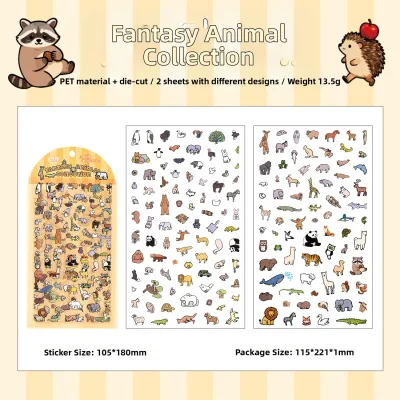
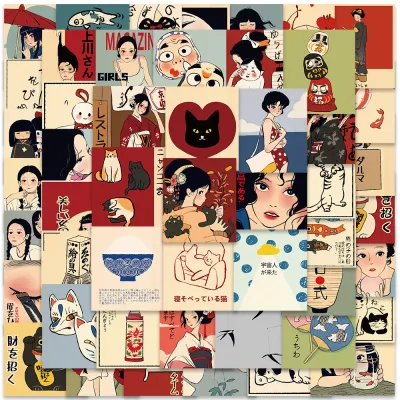

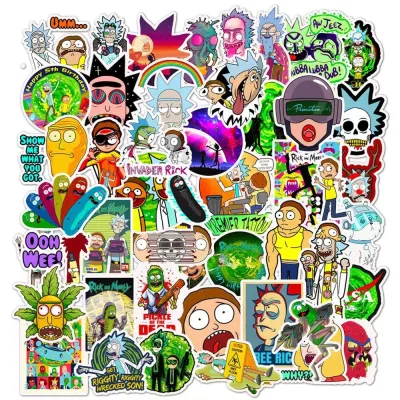

Prices are valid at publication and may change. Please refer to the product page for the latest price.
Water-resistant stickers, on the other hand, are designed to withstand minor splashes, light condensation, or brief contact with damp fingertips. They are often made of coated paper or light films that protect the printed ink but may eventually degrade if exposed to prolonged moisture. For daily planning, water-resistance is usually sufficient to handle accidental coffee spills or high-humidity environments, but waterproof options offer peace of mind if you carry your journal outdoors.
Size is another critical factor when selecting planner stickers. Small stickers—specifically those measuring between 0.5 cm and 1.5 cm—are essential for maintaining clean journal layouts. These compact dimensions align perfectly with standard 5mm grid or dot-grid pages, allowing you to place functional icons, weather indicators, or mood trackers directly into single grid boxes. Using oversized stickers can quickly clutter your pages, cover up crucial text, and disrupt the visual harmony of your weekly spreads.
Furthermore, the overall durability of a sticker relies on a combination of its top material and its adhesive quality. A sticker might feature a completely waterproof plastic surface, but if the adhesive is water-soluble or of low quality, the edges will lift at the first sign of moisture. Conversely, a strong permanent adhesive paired with an uncoated paper top will result in a soggy, ruined design if liquid touches it. For a sticker to survive daily handling, both layers must work together to resist environmental wear.
The paper medium also plays a role in how waterproof stickers perform. Highly absorbent, uncoated papers will pull moisture from the air, which can weaken the bond of water-resistant adhesives over time. Coated or non-porous papers hold adhesives better but are more sensitive to the physical bulk of thick stickers. Understanding this relationship helps you choose stickers that complement, rather than ruin, your specific journal binding and paper weight.
Best Sticker Materials for Bullet Journal Layouts
Selecting the right material is the most important decision when curating your planner sticker collection. Different materials behave uniquely when applied to paper, affecting everything from page thickness to writing comfort. Understanding these properties helps you match the sticker type to your specific journaling style and page weight.

Vinyl (PVC) Stickers for Covers and Heavy Use
Vinyl, or polyvinyl chloride (PVC), is the gold standard for durability and water resistance. These stickers are completely impervious to water, resistant to tearing, and boast exceptional color vibrancy that does not fade over time. The synthetic nature of vinyl makes it highly resilient against the friction of being slid in and out of bags, making it a popular choice for personalizing the exterior of your journals.
However, vinyl has a notable drawback for inner-page planning: its thickness. Standard vinyl stickers are significantly thicker than paper or PET films. If you paste multiple vinyl stickers on a single page, or layer them across consecutive pages, your planner will quickly develop unsightly bulges. This “bulking” effect warps the flat writing surface of your journal, making it difficult to write smoothly on subsequent pages and preventing the book from closing flat.
To avoid this issue, reserve vinyl stickers for high-impact, low-frequency areas. They are excellent for decorating plastic planner covers, dashboard inserts, or heavy cardstock dividers. They also perform exceptionally well on water bottles, laptop cases, and travel mugs, where maximum water resistance is mandatory. For the delicate inner pages of your daily logs, lighter materials are far more practical.
If you do choose to use vinyl inside your journal, limit them to single-layer applications on the outer edges of the page. Avoid clustering them near the binding spine, as this concentrates the physical bulk and puts unnecessary tension on the thread sewing or glue binding of your notebook. Choosing matte vinyl over glossy vinyl can also slightly reduce the glare under desk lamps, improving readability.
PET (Polyester) Stickers for Thin Pages and Layering
PET (polyethylene terephthalate) stickers are highly favored by experienced journal planners for their ultra-thin profile and glass-like transparency. These stickers are made from a thin, durable polyester film that lies almost completely flat on the page, eliminating the risk of planner bulking. PET stickers are highly water-resistant, meaning they will not tear, smudge, or degrade when exposed to moisture or humid air.
One of the greatest aesthetic advantages of PET stickers is their clear backing, which allows you to layer multiple designs seamlessly. You can place a small transparent floral PET sticker directly over a functional grid tracker without blocking the lines underneath. This transparency creates a hand-drawn, integrated look that blends beautifully with standard planner paper.
Before committing to PET stickers, you must verify your writing and coloring tools. Because PET is a non-porous plastic, standard water-based inks, gel pens, and certain alcohol-based markers will not dry on its surface, leading to severe smudging. PET stickers are best used as purely decorative elements or functional highlights rather than writable surfaces. They are the ideal choice for small icon stickers, weather trackers, and border decorations on delicate pages.
To get the most out of PET stickers, apply them as the final layer of your layout. Write your tasks, draw your grids, and color your spreads first, then place the transparent PET stickers over the top. This prevents your pen tips from skipping when they cross the slick, plastic boundaries of the sticker material.
Coated Paper Stickers for a Classic Feel
For journalers who prefer the tactile sensation of paper but still require protection from daily hazards, coated paper stickers offer a balanced middle ground. These stickers are made of standard paper bases topped with a thin matte or glossy laminate coating. This protective layer provides moderate splash resistance, shielding the printed design from humid air, damp fingertips, and minor spills.
The primary benefit of coated paper stickers is their versatility. Matte-coated paper stickers retain a degree of writability, allowing you to use ballpoint pens, fine-liners, and some gel pens directly on the sticker surface without immediate smearing. They also maintain a low profile, keeping your planner pages relatively flat and easy to turn.
However, coated paper stickers are not fully waterproof. If water seeps under the edges or if the sticker is subjected to heavy rubbing, the paper base will absorb moisture, leading to peeling, warping, or tearing. These stickers are best suited for indoor planning environments where they are protected from direct exposure to rain. They are perfect for daily labeling, color-coding, and adding soft, illustrative touches to your weekly spreads.
When using coated paper stickers, it is wise to perform a quick smudge test on a scrap sticker before writing important notes. Ink drying times can vary significantly depending on the specific laminate used by the manufacturer. Allowing an extra minute of drying time or opting for a fast-drying pigment ink will ensure your handwritten labels remain legible and clean.
How to Verify Quality and Adhesive Safety Online
Shopping for planner stickers on online marketplaces requires a discerning eye, as product listings can often be misleading. To avoid purchasing stickers that peel off prematurely or ruin your expensive planner pages, you should employ a systematic verification process before checking out your digital cart.
First, look past the marketing buzzwords in the product title and examine the detailed product description. Many sellers label their products as “waterproof” simply because they have a shiny finish, even if they are made of cheap, uncoated paper. Search for explicit mentions of the base materials, such as PET, Vinyl, PVC, or laminated paper. If a listing only uses the generic word “sticker” without specifying the material composition, it is safer to assume it is standard, non-waterproof paper.
Second, pay close attention to the adhesive specifications. High-quality planner stickers should use acid-free, archival-safe adhesives that will not yellow or degrade your paper over time. For functional planning, determine whether you need permanent or removable (repositionable) adhesive. Removable stickers are highly desirable for monthly calendars and habit trackers, as they allow you to correct placement mistakes without tearing the paper. Permanent adhesives, while offering better water resistance at the edges, are difficult to relocate once pressed down.
Third, leverage the user review section to assess real-world performance. Filter reviews to show photos and videos uploaded by other buyers. Look closely for signs of edge curling, color bleeding, or excessive residue left on the backing sheet. If multiple reviews mention that the stickers arrived curled or that the adhesive failed to stick to standard paper, look for an alternative seller.
Fourth, consider the pricing bands as an indicator of quality. In the Philippine market, extremely cheap sticker sheets priced under ₱15 often use low-grade adhesives that degrade rapidly in warm climates. High-quality, durable sticker sheets from reputable local creators or imported brands typically range from ₱40 to ₱150 per sheet. Investing a bit more ensures that the adhesive remains stable and does not seep oil into your planner pages over time.
Fifth, verify the physical dimensions of the sticker sheet and the individual die-cut designs. Photos in online listings are often zoomed in to show detail, making small stickers appear much larger than they are. Check the product specifications for exact measurements in millimeters or centimeters. A sheet containing 50 individual stickers that measures only 10 cm by 10 cm guarantees that the individual designs are perfectly sized for small planner grids.
Storing and Applying Stickers in Humid Climates
The tropical climate of the Philippines presents unique challenges for stationery preservation. High relative humidity can soften adhesives, warp paper backing, and cause stickers to curl before you even have a chance to use them. Implementing proper storage and application techniques will extend the lifespan of your sticker collection significantly.
When applying stickers, preparation is key to ensuring a long-lasting bond. Always wash and thoroughly dry your hands before handling your planner or stickers. Natural oils, sweat, and hand lotions on your fingertips can transfer to the adhesive backing, drastically reducing its stickiness and causing the edges to lift over time. Ensure the planner page itself is completely dry and free of dust before pressing the sticker firmly from the center outward to expel any trapped air.
Storage requires careful environmental control to combat humidity. If left loose on a desk or in a standard drawer during the monsoon season, the moisture in the air can cause the sticker sheets to curl. In extreme cases, the adhesive can activate prematurely, causing the stickers to fuse permanently to their backing sheets or to adjacent pages in your drawer. To prevent this, store your sticker sheets in airtight plastic containers or zippered pouches.
Always include a few food-safe silica gel packets inside your storage containers to absorb excess moisture. These packets are highly effective at maintaining a dry microclimate for your stationery. Keep your storage containers in a cool, dark place away from direct sunlight, as heat can degrade plastic films and cause adhesives to melt or become gooey.
If you notice the edges of a sticker beginning to lift from your planner page due to humidity, avoid using harsh liquid school glues or hot glue guns, as these will warp and wrinkle thin planner paper. Instead, use a dry adhesive runner or place a small strip of high-quality, moisture-resistant washi tape over the lifted edge to secure it. If the sticker has lost all its adhesive properties, it is best to gently peel it off and replace it to keep your layout looking clean.
Frequently Asked Questions (FAQ)
Can I write on waterproof stickers with standard gel pens?
Standard gel pens and water-based ballpoints will generally smear on glossy vinyl or PET stickers because these non-porous surfaces cannot absorb liquid ink. If you need to write on your waterproof stickers, look for options specifically labeled as matte-coated or writeable paper. Alternatively, you can write on plastic-based stickers using permanent fine-liners, oil-based ballpoint pens, or multi-surface markers, allowing the ink to dry completely for a few seconds before touching it.
Will removing waterproof stickers tear my planner pages?
The risk of tearing depends entirely on the adhesive type and your planner’s paper weight. Permanent vinyl stickers are highly likely to tear thin planner pages, such as Tomoe River paper, if pulled away carelessly. To remove a stubborn sticker safely, apply gentle heat using a hairdryer on a low, warm setting for a few seconds to soften the adhesive, then slowly peel the sticker back flat against itself rather than pulling straight up.

Community discussion
Share your experience or ask a question. Comments are reviewed before publication.