
Standard commercial soft clay is generally not safe for toddlers who are still in the stage of putting objects into their mouths. While modeling materials are excellent for developing fine motor skills and sensory integration, the physical properties and chemical compositions of many retail clays present serious health risks for young children. If your child is still exploring their world orally, you must take specific precautions, choose specialized non-toxic alternatives, or opt for homemade doughs under strict, active supervision. Understanding these risks and knowing how to evaluate play materials will help you create a safe creative environment for your toddler.
Understanding the Risks of Soft Clay for Mouthing Toddlers
The primary hazard associated with soft clay is choking. Because of its dense, highly moldable, and cohesive texture, clay does not dissolve when it comes into contact with saliva. If a toddler bites off a chunk of clay, it can easily lodge in their narrow airway, forming a sticky, solid plug that is incredibly difficult to clear. Unlike water-soluble foods that soften quickly, modeling clay retains its shape and density inside the mouth, making it a particularly dangerous choking hazard for children under three years old.
Beyond the physical risk of airway obstruction, chemical toxicity is a major concern with commercial modeling products. Many soft clays, especially air-dry varieties, polymer clays, or lightweight modeling foams, rely on synthetic plasticizers, organic solvents, chemical binders, and artificial preservatives to maintain their pliable texture and prevent mold. These chemical additives are designed for durability and shelf-life, not for ingestion. If swallowed, even in small amounts, these compounds can introduce harmful toxins into a toddler’s developing system.
Products mentioned in this guide
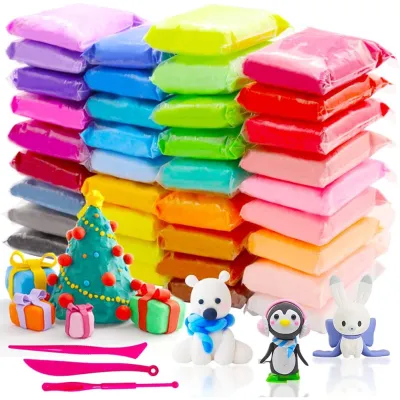
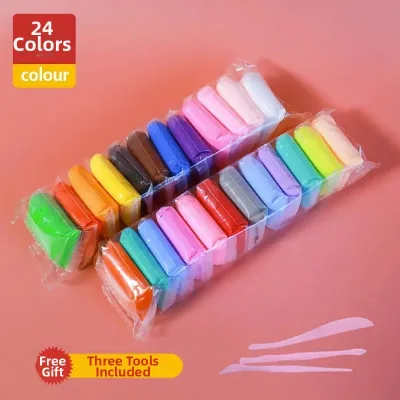
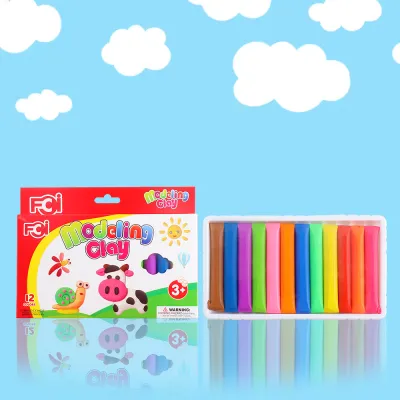
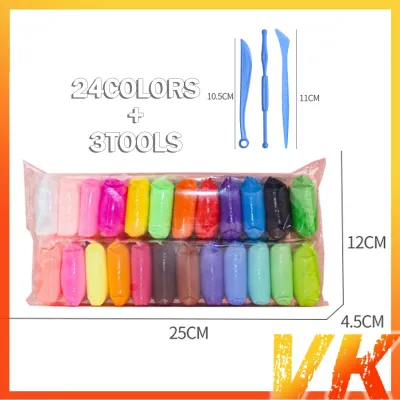
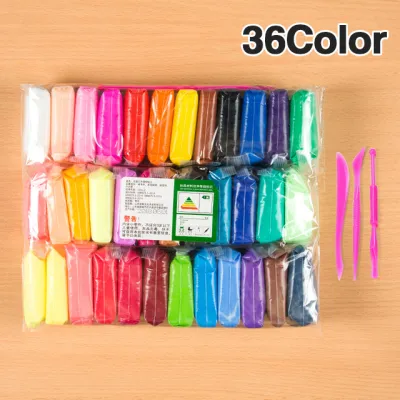

Prices are valid at publication and may change. Please refer to the product page for the latest price.
Additionally, many commercial and homemade doughs contain exceptionally high levels of sodium. Salt is frequently used as a natural preservative and a taste deterrent to discourage children from eating the material. However, a toddler who ignores the salty taste and swallows a significant portion of clay can experience acute sodium poisoning. This condition can overwhelm their small kidneys and lead to severe dehydration or electrolyte imbalances. Furthermore, common base ingredients like wheat flour can trigger severe allergic reactions in children with undiagnosed gluten sensitivities or wheat allergies, while synthetic colorants may cause skin irritation or gastrointestinal distress.
How to Identify Non-Toxic and Toddler-Safe Soft Clay
To establish a truly safe play environment, parents must define what “toddler-safe” actually means in the context of arts and crafts. A safe modeling material for a child under three must be entirely free of toxic chemicals, formulated with food-grade ingredients, and structurally designed so that it does not easily break into small, hard-to-clear choking hazards.

Verifying manufacturer claims requires a systematic approach rather than relying on front-of-package marketing. Many products feature prominent labels claiming they are “natural” or “organic,” but these terms are not legally regulated for toy safety. Parents must look past these promotional slogans and carefully inspect the ingredient lists, age recommendations, and official safety certifications printed on the back or bottom of the packaging.
Reading Ingredient Lists and Product Labels
When evaluating a modeling material, prioritize products with simple, recognizable, and food-grade ingredients. The safest options for young children are typically made from a base of water, vegetable oils, and flours derived from wheat, rice, or cornstarch, colored with standard food dyes. These simple formulations mimic kitchen-safe doughs and minimize the risk of chemical exposure if a small piece is accidentally swallowed.
Conversely, you should actively avoid products that list synthetic fragrances, harsh chemical preservatives, or unspecified binders. Synthetic fragrances are often added to make the clay smell like sweet fruits or candy, which unfortunately encourages toddlers to put the material in their mouths. Unspecified chemical binders or plasticizers are common in professional-grade modeling clays and should be kept entirely out of reach of young children.
Always check the manufacturer’s explicit age grading and warning labels. If a package is marked “Not suitable for children under 3 years” or “3+,” it indicates that the product has not been formulated or tested for the safety standards required for toddlers. These warnings are often due to the presence of small parts, chemical formulations that are unsafe for ingestion, or physical properties that pose a high choking risk.
Recognizing Safety Certifications and Standards
Official safety certifications provide an objective baseline for verifying non-toxic claims. In the stationery and toy industries, look for the ASTM D-4236 designation, which indicates that the materials have been evaluated by a toxicologist and labeled in accordance with chronic hazard standards. The Art & Creative Materials Institute (ACMI) “AP” (Approved Product) seal is another reliable indicator that the product is non-toxic and safe for children. In European markets, the CE mark shows compliance with essential safety requirements, though it is important to remember this is often a self-certification by the manufacturer.
However, it is crucial to understand that a “non-toxic” certification does not mean a product is edible or safe for intentional consumption. A non-toxic label simply guarantees that the material will not cause immediate poisoning or long-term toxicological harm when used as intended. Ingesting a large quantity of non-toxic clay can still lead to physical blockages in the digestive tract, mild poisoning from concentrated salt, or severe stomach upset.
Before purchasing, verify that the product is specifically formulated and tested for early childhood use. Look for packaging that explicitly states the material is designed for toddlers or young children, as these products are subjected to much stricter mechanical and chemical safety testing than standard crafting clays.
Homemade vs. Commercial Soft Clay: Which is Safer?
When deciding between homemade dough and commercial soft clay, parents must weigh the safety profiles of both options against their child’s specific habits. Homemade modeling dough offers the significant benefit of complete ingredient control. By mixing kitchen staples like flour, water, vegetable oil, cream of tartar, and food coloring at home, you eliminate the risk of exposing your toddler to synthetic chemicals, plasticizers, or unknown preservatives, making it a highly budget-friendly option that costs only a few pesos (₱) in basic kitchen staples. If a toddler swallows a small, pea-sized piece of fresh homemade dough, the health risk is virtually non-existent.
However, homemade clay has distinct drawbacks, particularly regarding shelf life and hygiene. Because DIY recipes lack industrial preservatives, they are highly susceptible to mold, yeast, and bacterial growth. In warm, humid tropical climates like the Philippines, homemade dough can spoil and develop mold within just a few days if left at room temperature. To prevent this, parents must store homemade dough in an airtight container in the refrigerator, check it thoroughly before every play session, and discard it at the first sign of discoloration or unusual odor. Additionally, many DIY recipes rely on high concentrations of salt to preserve the mixture and deter eating, which still poses a sodium hazard if a toddler manages to swallow a large amount.
Commercial soft clay, on the other hand, offers a much longer shelf life, superior elasticity, and vibrant colors that do not fade. These products are formulated to resist mold and bacterial growth, making them highly hygienic over weeks of repeated use. The trade-off is that commercial clays require meticulous label reading and active supervision to ensure the synthetic ingredients do not end up in your child’s mouth. For a toddler who is still actively mouthing objects, a fresh batch of homemade, salt-reduced dough is generally the safer choice, whereas commercial non-toxic options become more suitable as the child transitions out of the oral exploration phase.
Safe Play Practices and Supervision Strategies
Minimizing the risks of soft clay play requires establishing a structured environment and practicing active supervision. Start by setting up a designated, easily cleanable play area. A high chair tray, a child-sized table, or a large silicone mat placed on the floor works best. Keep this creative space completely separate from areas where food and drinks are served, so your toddler learns to distinguish between play materials and edible items. Ensure the surrounding area is free of small toys, beads, or tools that could combine with the clay to create complex choking hazards.
Active, line-of-sight supervision is the most critical safety measure during clay play. This means sitting directly with your child, engaging in the activity with them, and keeping your eyes on their hands and mouth at all times. Clay play should never be treated as an opportunity for independent play while you attend to household chores or look at a screen. Your physical presence allows you to anticipate and prevent unsafe behaviors before they occur.
If your toddler attempts to put the clay in their mouth, redirect their behavior gently but firmly. Calmly take the clay away from their face and say, “Clay is for building, not for eating.” If the child is teething and has an intense urge to chew, immediately swap the clay for a safe, chilled teething toy or a healthy snack. This redirection satisfies their sensory need to chew while reinforcing the boundary that modeling materials are not food. If the mouthing behavior persists, end the clay session for the day and try again at a later developmental stage.
What to Do If Your Toddler Eats Soft Clay
If your toddler manages to swallow a small amount of soft clay despite your supervision, remain calm to avoid startling them. A sudden gasp from a frightened child can cause them to accidentally inhale particles into their airway. Gently sweep the inside of their mouth with a clean, damp finger to remove any remaining clay residue, and wipe their lips and chin.
Offer your child small sips of water to help clear the taste and wash down any lingering residue from their throat. Do not force them to drink large quantities of liquid, and never attempt to induce vomiting, as this can increase the risk of aspiration or cause further irritation to their esophagus.
Monitor your child closely over the next few hours for any signs of physical distress. Watch for coughing, wheezing, difficulty breathing, or changes in their voice, which could indicate that a small piece of clay has entered their airway. Additionally, observe them for signs of gastrointestinal upset, such as stomach pain, vomiting, diarrhea, or unusual lethargy.
You should stop home observation and seek immediate professional medical help or contact a poison control center under specific conditions. Seek urgent care if your child has swallowed a large quantity of clay, if the clay contains unknown chemical ingredients or is not labeled non-toxic, or if they exhibit signs of choking, persistent vomiting, or an allergic reaction such as hives or facial swelling.
Frequently Asked Questions (FAQ)
Can I use regular play dough instead of soft clay?
Yes, regular play dough is generally much safer for mouthing toddlers than soft modeling clay. Standard play dough is typically water-based, softer, and designed specifically for early childhood play, often using simple ingredients like flour, water, and salt. In contrast, soft modeling clays—such as air-dry clay, polymer clay, or lightweight modeling foams—often contain synthetic polymers, chemical binders, and lightweight fillers that hold their shape better but are significantly more hazardous if ingested. For a toddler who still puts things in their mouth, stick to high-quality, non-toxic play dough or homemade alternatives.
At what age is it safe to leave a toddler unattended with soft clay?
There is no universal age at which it is safe to leave a child unattended with modeling materials, though most safety guidelines recommend waiting until at least age three. Rather than relying solely on age, parents should look for specific developmental milestones. A child is only ready for unsupervised clay play when they consistently demonstrate that they have outgrown the oral exploration phase, can reliably follow instructions not to eat non-food items, and no longer put toys or craft materials in their mouth. Until these behaviors are firmly established, close adult supervision is always necessary.

Community discussion
Share your experience or ask a question. Comments are reviewed before publication.