
Sourcing bulk coloring books in the Philippines for school drives, birthday parties, or community outreach programs requires a strategic approach to balance cost and quality. The most practical avenues include visiting traditional wholesale hubs like Divisoria, leveraging bulk-search filters on major ecommerce platforms, or partnering directly with local commercial printers. By understanding your specific event requirements and calculating the total landed cost early, you can secure engaging, durable coloring sets that fit your budget without sacrificing the joy of the recipients.
Defining Your Budget and Giveaway Requirements
Establish a clear per-unit budget before browsing. For large-scale school giveaways or community events, a target of ₱10 to ₱30 per book is common. Knowing your exact head count prevents over-ordering, while a small buffer of 5% to 10% accounts for unexpected attendees.
Physical specifications directly dictate the price. A standard coloring book for young children typically features 8 to 16 pages. Opting for staple binding rather than perfect (glued) binding keeps costs low while ensuring the book can lay relatively flat for easier coloring.
Products mentioned in this guide
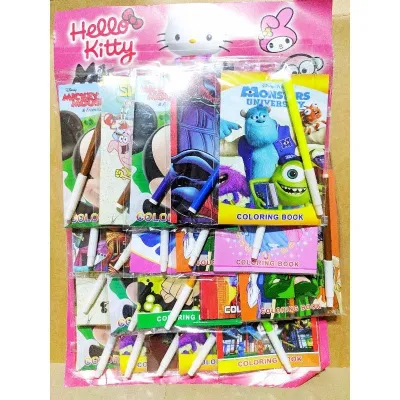
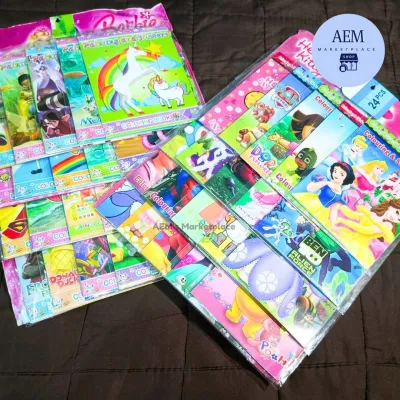
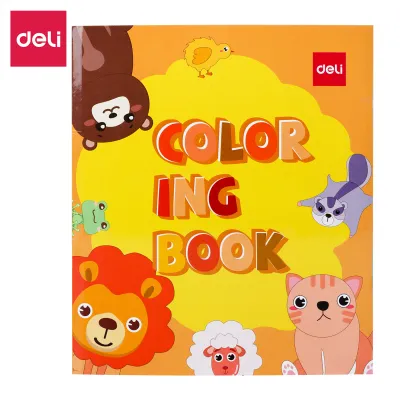
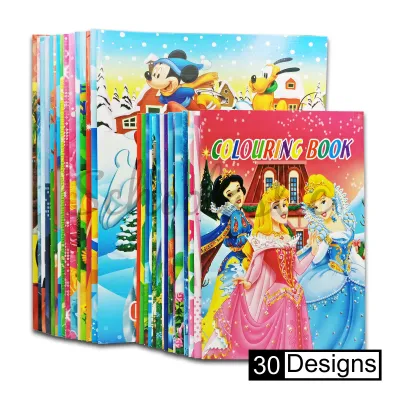
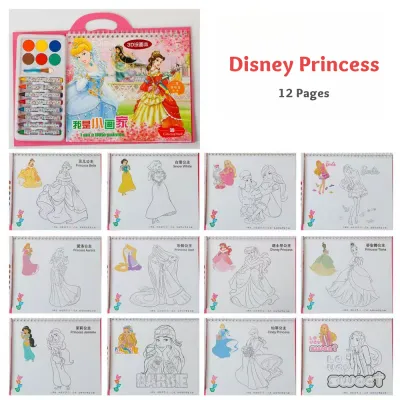
Prices are valid at publication and may change. Please refer to the product page for the latest price.
Paper thickness is a critical variable. Standard newsprint or low-GSM paper is highly economical but limits children to using crayons or colored pencils. If you anticipate the use of markers or watercolors, you must budget for thicker wood-free paper to prevent immediate bleed-through.
Accepting design trade-offs can yield significant savings. Generic themes like animals, vehicles, or basic shapes are usually much cheaper than licensed cartoon characters. Unbranded or generic sets allow you to stretch your budget further, enabling you to distribute more units to the community.
Where to Look for Bulk Coloring Book Suppliers
Exploring local wholesale districts remains one of the most cost-effective methods in the Philippines. Bustling commercial hubs, such as the streets of Divisoria in Manila or major public markets in regional urban centers, host numerous stationery wholesalers. Visiting these physical stores allows you to touch the paper, inspect the print quality firsthand, and negotiate volume discounts directly with shop owners.

For those who cannot travel to physical markets, online marketplaces and ecommerce platforms offer unparalleled convenience. You can search for terms like “bulk coloring books” or “coloring book giveaways” and filter results by wholesale availability. Always use the built-in chat features to contact sellers directly, as many are willing to offer unlisted tiered pricing for orders of 100 units or more.
If your event requires a specific theme or personalized branding, local commercial printers are an excellent alternative. Many small-scale printing shops in municipal centers offer custom booklet printing. While the lead time is longer than buying pre-made stock, ordering in quantities of 500 or more from a local printer can bring the per-unit cost down to competitive wholesale rates.
Do not overlook local book outlets and office supply warehouses during seasonal clearance sales. Leading up to the school opening season or the Christmas holidays, many retail chains offer bulk bundles of older stock at steep discounts. Establishing a relationship with a store manager can sometimes grant you access to backroom inventory or upcoming promotional bundles.
Evaluating Quality and Avoiding Bulk Purchase Pitfalls
Before committing to a large order of hundreds of books, verifying the physical quality is essential to avoid disappointment. If ordering online, request a single sample unit from the seller, even if you have to pay retail price for it. If samples are unavailable, scrutinize the verified buyer review section for real-life photos that show the actual paper texture and print alignment.
Examine the binding durability closely during your evaluation. Cheaply glued spines can easily crack and shed pages when handled by enthusiastic children, whereas stapled booklets tend to hold up better under rough handling. Ensure the staples are securely clenched to prevent sharp edges from causing minor scratches.
Calculating the true landed cost is a vital step that many bulk buyers overlook. The base price of a coloring book might be incredibly low, but shipping heavy paper products across provinces can significantly inflate your total expenses. Always add shipping fees, local taxes, and any necessary protective packaging materials to your base cost to find the actual price per unit.
Establish clear communication regarding the seller’s return and replacement policies before finalizing your transaction. In bulk shipments, it is not uncommon to encounter a small percentage of misprinted pages, upside-down covers, or water-damaged items. Ensure the supplier agrees to replace defective units or offer a partial refund, and confirm their production and delivery lead times to avoid event-day delays.
Planning the Distribution and Packaging
A coloring book is only half of the equation; you must also plan for the accompanying coloring tools. Pairing each book with a small pack of four or eight crayons is a classic, budget-friendly approach. To keep costs low, look for wholesale crayon packs from the same supplier to save on combined shipping and potentially secure a package discount.
Presentation can elevate even the most basic, unbranded coloring book. Instead of expensive plastic packaging, consider using simple jute string, colorful ribbons, or plain brown paper bags stamped with a custom event logo. These eco-friendly packaging alternatives are highly affordable, easy to assemble with volunteers, and presentable for school handovers.
Timing your order is crucial, especially when dealing with the unpredictable tropical weather in the Philippines. Heavy rains and typhoons can cause severe shipping delays and expose paper products to high humidity or water damage during transit. Schedule your purchase to arrive at least two weeks before the event, allowing ample time to dry-store the books in airtight plastic bins and inspect them for quality.
Frequently Asked Questions (FAQ)
What is a good paper weight for coloring books to prevent marker bleed-through?
For standard coloring books where children will use crayons or colored pencils, a paper weight of 70 to 80 GSM (grams per square meter) is generally sufficient and highly economical. However, if the children are likely to use felt-tip markers, gel pens, or light watercolors, you should look for a minimum paper weight of 100 to 120 GSM. Thinner paper allows wet ink to saturate the fibers quickly, causing the colors to bleed through to the reverse side and ruin the illustrations on the next page. When sourcing in bulk, always ask the supplier for the specific GSM rating of the inner pages rather than relying solely on the cover thickness. You can perform an easy observable trial by applying a heavy stroke of a standard water-based marker to a sample page; if the ink is visible on the back but does not break the paper surface, it is suitable for light marker use.
Can I negotiate prices for bulk coloring book orders online?
Yes, price negotiation is a standard practice when purchasing stationery in bulk on major ecommerce platforms. Most online sellers set their default listings for retail buyers, but they are highly receptive to direct inquiries for large volumes. When contacting a seller through their chat portal, clearly state your required quantity, your target delivery date, and your location to help them calculate a realistic discount. You can ask if they offer tiered pricing structures or if they can create a custom, discounted listing specifically for your order. Additionally, inquire if they can waive or subsidize the shipping fees for heavy cargo, as shipping costs often represent the most negotiable portion of an online bulk transaction.

Community discussion
Share your experience or ask a question. Comments are reviewed before publication.