
Choosing the right A4 notebook size depends entirely on how you write, store, and organize your pages. If you need a notebook that folds completely flat for cramped desks, spiral-bound is the most practical choice. For long-term archiving and a professional appearance without the risk of snagged coils, stitched bindings offer excellent durability. If your workflow requires frequent reorganization, inserting printed handouts, or removing pages to share, a loose-leaf system is the only viable option. In the Philippines, where daily commutes can subject stationery to high humidity and crowded bags, understanding these structural differences helps you select a tool that preserves your notes without falling apart.
Structural Basics of Spiral, Stitched, and Loose-Leaf Bindings
To find your ideal notebook, you must first understand how each binding type is physically constructed. Spiral-bound notebooks feature pages secured by wire or plastic coils threaded through pre-punched holes along the edge. This design allows the pages to rotate freely around the spine, offering unmatched flexibility when space is limited.
Stitched or thread-sewn bindings use folded paper signatures that are sewn together with durable thread. This assembly is typically reinforced with spine glue and attached to a hard or soft cover, creating a permanent, book-like spine that protects the inner pages.
Products mentioned in this guide
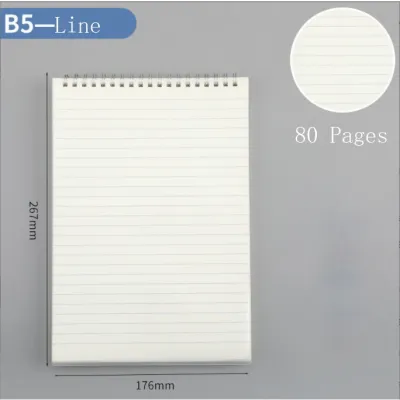
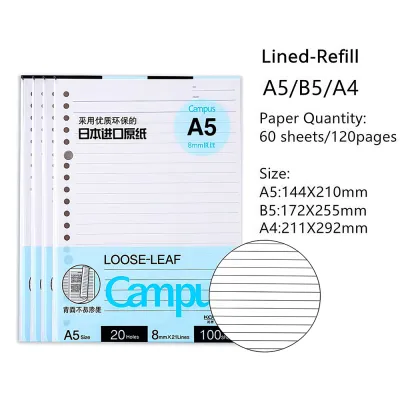
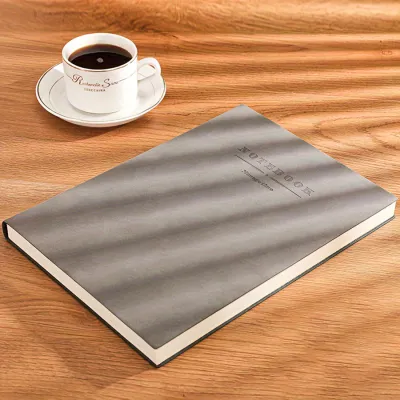
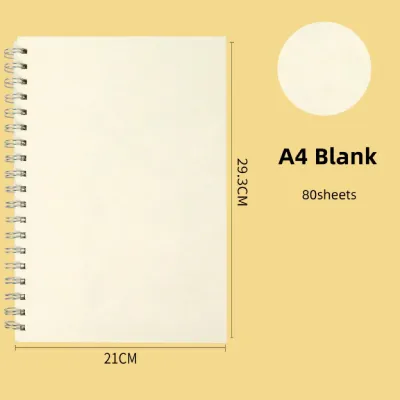
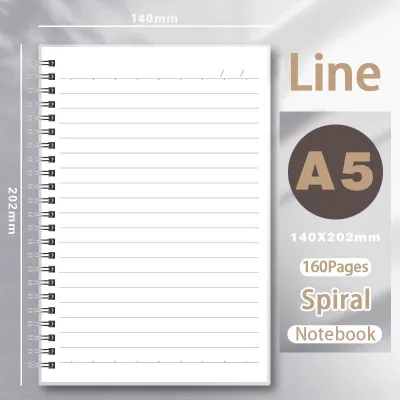
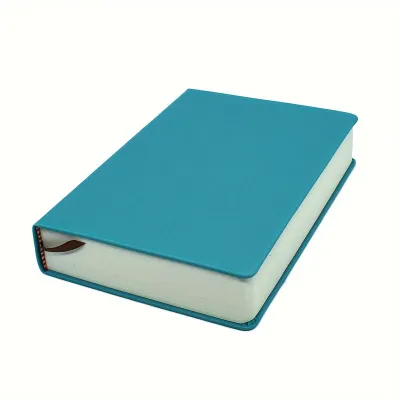
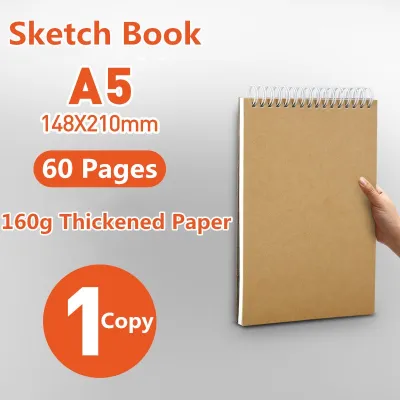
Prices are valid at publication and may change. Please refer to the product page for the latest price.
Loose-leaf systems rely on individual sheets held together by mechanical metal rings or plastic discs. This design allows you to open the binding mechanism to detach, rearrange, or insert pages at will, making it a highly modular system for dynamic note-taking.
How Each Binding Handles Daily Writing and Commuting
Evaluating a notebook requires looking beyond the store shelf to see how it performs under real-world conditions. Daily writing ergonomics, physical resilience during transit, and page management are the three primary criteria that determine whether a notebook supports your productivity or becomes a daily frustration.

Lay-Flat Ability and Writing Comfort
Writing comfort is heavily influenced by how flat a notebook lies on your desk. Spiral bindings excel in this category because they allow 360-degree folding. You can fold the cover completely behind the pages, cutting the desk footprint of your A4 notebook in half, which is incredibly useful on small lecture hall desks or crowded coffee shop tables.
Stitched notebooks offer varying degrees of lay-flat performance depending on the flexibility of the thread and the amount of glue applied to the spine. High-quality thread-sewn bindings can lie almost completely flat, but cheaper options often require constant hand pressure to keep the pages from flipping shut while you write.
Loose-leaf systems generally lay flat when opened, but the physical rings or discs create a different ergonomic challenge. The raised binding mechanism can obstruct your hand when writing near the inner margins, often forcing right-handed writers to struggle on left-hand pages, and vice-versa.
Portability, Durability, and Snagging Risks
Commuting in humid tropical climates with a packed bag puts significant physical stress on stationery. Spiral coils are prone to catching on bag linings, loose threads, or other items in your backpack. If the wire coil gets crushed or bent out of shape, turning pages becomes difficult and can tear the paper.
Stitched bindings are highly robust and slide smoothly into bags without snagging. While soft covers may crease over time and hardcovers can suffer bumped corners, the overall structural integrity of a stitched spine remains intact even after months of daily travel.
Loose-leaf systems add noticeable bulk and weight due to the mechanical rings or disc systems. If the rings are not properly aligned or closed, pages can slip out during transit, and exposed rings run a high risk of snagging on other items inside your bag.
Flexibility and Page Reorganization
The ability to manipulate your notes after writing them is a major differentiator among these binding types. Loose-leaf systems offer complete modularity, allowing you to insert custom printed handouts, move old lecture notes to an archive binder, or rearrange topics as your syllabus or project scope changes.
Spiral and stitched notebooks are fixed-page systems that do not support reorganization. While you can tear pages out of a spiral notebook, doing so leaves jagged edges and can eventually compromise the structural integrity of the remaining pages.
Stitched notebooks are even more rigid, as removing a page usually requires cutting it out. This action can weaken the thread binding of the corresponding page on the other side of the signature, causing multiple sheets to fall out over time.
Evaluating the Trade-Offs of Each A4 Binding Type
Choosing a notebook involves balancing flexibility against durability. If you prioritize the ability to reorganize your notes, you must accept the added bulk of a loose-leaf binder. Conversely, if you prefer a slim, durable book that archives easily on a shelf, a stitched notebook is ideal, though you lose the ability to rearrange pages.
| Binding Type | Lay-Flat Performance | Bag Durability | Page Customization | Primary Use Case |
|---|---|---|---|---|
| Spiral-Bound | Excellent (360° fold) | Moderate (coils can bend) | None (fixed pages) | Quick sketching, cramped desks, temporary notes |
| Stitched | Good to Excellent | High (no snagging parts) | None (permanent) | Long-term journaling, professional archives |
| Loose-Leaf | Moderate (rings obstruct) | Moderate (bulky rings) | High (fully modular) | Multi-subject study, dynamic project planning |
Paper capacity limits also vary significantly between these styles. Spiral and stitched notebooks have fixed capacities determined at the factory, whereas loose-leaf systems allow you to adjust the sheet count based on the ring size. Always verify the manufacturer’s specifications for maximum sheet capacity and paper weight to ensure the notebook fits your workload.
How to Match the Binding to Your Specific Workflow
To make the best decision, match the physical characteristics of the binding to your daily routine and writing environment.
Choose Spiral-Bound if: You frequently work on cramped desks, commute with minimal desk space, or need a notebook that can fold back completely. It is highly practical for students taking quick, informal notes during lectures or professionals who need to jot down rapid sketches and lists on the go.
Choose Stitched if: You want a durable, professional archive for long-term journaling, meeting minutes, or academic research. The clean spine looks excellent on bookshelves, and the lack of protruding rings or coils makes it comfortable for continuous, long-form writing sessions without hand obstruction.
Choose Loose-Leaf if: Your workflow requires you to frequently reorganize subjects, insert printed handouts, or detach specific pages to share or scan. It is the ultimate system for multi-subject organization, allowing you to carry a single binder for several classes or projects instead of multiple heavy notebooks.
Verify First if: Your workflow relies on specific writing instruments like fountain pens, heavy gel pens, or highlighters. Because paper quality and ink absorption vary widely across brands, always check the manufacturer’s paper specifications (such as GSM rating) before committing to a specific binding system. In humid environments, thinner paper may suffer from slower ink drying times and increased feathering, making paper weight verification crucial.
What to Verify Before Buying an A4 Notebook
Before purchasing your next A4 notebook, perform a few essential checks to ensure it matches your writing tools and environment. First, check the paper weight (measured in grams per square meter, or GSM) and bleed-through limits on the product label. For heavy ink usage or fountain pens, look for paper that is at least 80 GSM or higher to prevent ghosting and bleed-through.
Second, verify the ruling formats—whether grid, lined, dotted, or blank—and check the margin placements to ensure they align with your preferred note-taking system, such as the Cornell method.
Third, assess the stiffness of the cover material. Hardcovers provide a sturdy, built-in writing surface that allows you to take notes comfortably even without a desk, whereas softcovers offer better flexibility and a lighter weight for easier commuting.
Finally, for loose-leaf systems, confirm the hole-punch pattern or disc compatibility. Standard multi-ring binders in the market may use different hole spacings, so verify that your refills match your binder’s ring configuration before buying.
Frequently Asked Questions (FAQ)
Can I use a standard office hole puncher for loose-leaf A4 refills?
Standard 2-hole or 4-hole office punches rarely match the proprietary multi-ring or disc-bound systems used in modern loose-leaf notebooks. Many modular systems require 20, 30, or unique mushroom-shaped punches to fit their specific rings or discs. To avoid tearing your pages, check the manufacturer’s punch specifications or purchase a dedicated punch tool designed specifically for your notebook system.
Will forcing a stitched A4 notebook to lay flat damage the spine?
Yes, aggressively forcing a thick, tightly glued stitched spine to lay flat can crack the adhesive or tear the endpapers. While thread-sewn signatures are designed to be flexible, they require gentle handling. To break in a new stitched notebook safely, open it to the center, gently press down along the spine from the center outward, and repeat this process on a few different sections rather than forcing it open abruptly.

Community discussion
Share your experience or ask a question. Comments are reviewed before publication.