
Quick Answer: Is the Staedtler 925 the Smoothest Choice?
Whether the Staedtler 925 delivers the smoothest writing experience depends on how you define smoothness. If you associate smoothness with a highly stable, wobble-free tip and a solid weight that does the writing work for you, this pencil is an exceptional choice. However, if your definition of smoothness relies on a soft, cushioned grip or an active shock-absorbing tip that yields under heavy hand pressure, you may find other designs more comfortable.
True writing smoothness is a combined result of the pencil’s physical balance, the lead grade you choose, and the texture of your paper. In warm, humid environments like the Philippines, where hand sweat can cause fingers to slip, the Staedtler 925 offers a distinct advantage with its textured metal grip. However, it remains a rigid drafting tool by design, meaning it prioritizes precision over soft cushioning.
Evaluating the Staedtler 925: Build, Grip, and Line Consistency
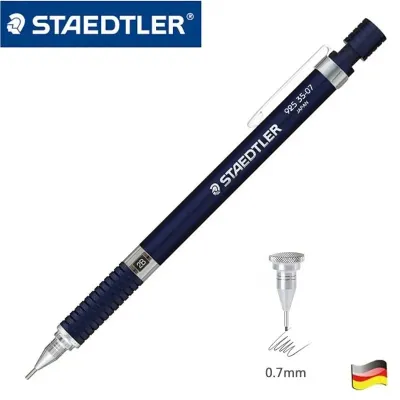
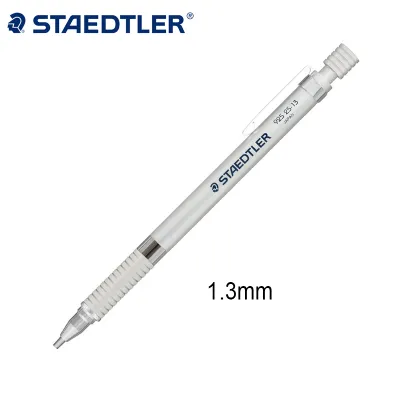
Originally engineered for professional drafting and technical drawing, the Staedtler 925 has earned a dedicated following among students and writers who value structural rigidity. The core of its writing feel lies in its full metal chassis, which provides a reassuring heft. This weight is intentionally distributed toward the front of the pencil, shifting the balance point closer to the paper. When you write, this front-heavy design allows gravity to assist your hand, reducing the downward physical force you need to apply to make a dark mark.
Products mentioned in this guide
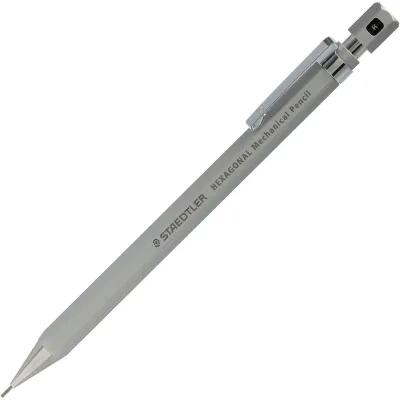
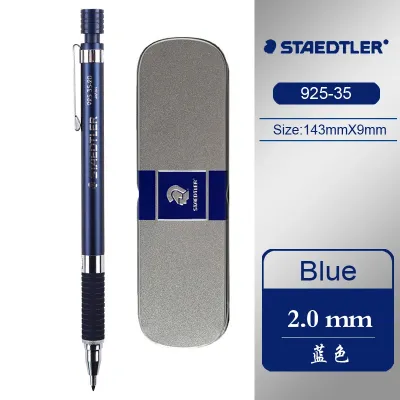
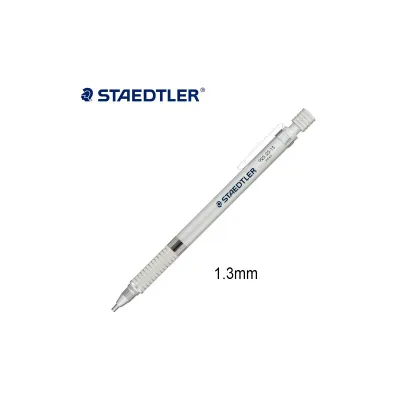
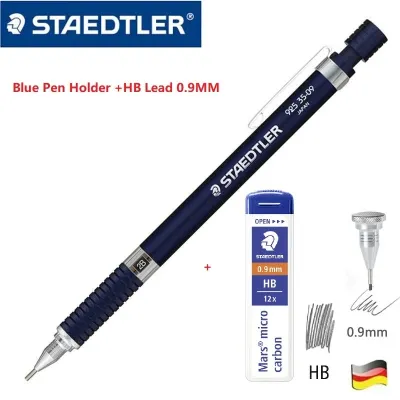
Prices are valid at publication and may change. Please refer to the product page for the latest price.

Another defining feature of this model is its knurled metal grip. Unlike rubberized grips that can degrade, turn sticky, or collect dust over time in tropical climates, the finely textured metal provides a dry, high-friction surface. This ensures your fingers stay securely in place during long writing sessions, even if your hands get warm. However, because the knurling is relatively firm, writers who tend to hold their pencils with a very tight, high-pressure grip might find the texture abrasive over extended periods.
Line consistency is where this pencil truly excels, thanks to its fixed 4mm lead sleeve. In standard mechanical pencils, the small metal tube at the tip often has a tiny amount of play or wobble. The Staedtler 925 eliminates this movement entirely, holding the lead perfectly rigid. This lack of lateral play ensures that every stroke is direct and predictable, giving you an unobstructed view of the paper and preventing the tiny, microscopic vibrations that can make writing feel scratchy.
Core Dimensions for Comparing Mechanical Pencils
To find the pencil that offers your ideal writing feel, it helps to compare the Staedtler 925 against other popular design philosophies across three primary dimensions.
Grip Material and Ergonomics
The material where your fingers meet the pencil dictates long-term comfort and control. Metal knurling, as seen on the Staedtler 925, offers maximum durability and slip resistance in humid weather, but provides zero physical cushion. In contrast, soft silicone or gel grips absorb the pressure of a tight hold, making them highly comfortable for fast, continuous note-taking, though they can feel bulky and wear out faster. Smooth plastic or resin grips are lightweight and easy to clean, but they offer very little traction when your hands sweat.
Weight and Balance
Pencil weight dramatically alters how much control you have over your handwriting. Heavy metal builds, typically weighing between 15 and 25 grams, offer excellent stability for slow, deliberate writing, drawing, and mathematical calculations. Lightweight plastic or resin builds, often weighing under 10 grams, require more physical effort from your hand to press the lead into the paper, but they are incredibly agile and reduce overall wrist fatigue during rapid, multi-page essay writing.
Lead Advancement and Tip Mechanics
How a pencil manages the lead under pressure directly affects how smooth the glide feels. Rigid, fixed-sleeve pencils like the Staedtler 925 provide maximum feedback from the paper, allowing you to feel every fiber of the page. On the other hand, some modern writing-focused pencils feature internal spring-loaded mechanisms that cushion the lead. When you press down too hard, the lead retracts slightly to prevent breakage. While this active cushioning makes writing feel softer and more forgiving, it can reduce the crisp, tactile feedback that some writers prefer.
How to Test and Verify Writing Smoothness Yourself
Because writing feel is highly subjective, the best way to find your perfect match is to perform a hands-on test using your daily writing tools. A premium pencil body cannot compensate for poor-quality consumables, so your testing environment should reflect your actual routine.
First, always test potential pencils using the exact lead grade and paper type you intend to use. If you load a high-end pencil with cheap, brittle lead and write on rough, low-grade paper, the experience will still feel scratchy and unpleasant. For a fair comparison, use a high-quality polymer lead in your preferred hardness, such as B or 2B, which naturally glides more smoothly than standard HB lead.
When conducting a trial run, use this practical checklist to evaluate the pencil’s performance:
- Grip Comfort: Write continuously for at least five minutes. Pay attention to whether your fingers feel cramped, if you are squeezing the barrel too hard, or if the texture begins to feel irritating.
- Tactile Feedback: Listen to the sound of the lead on the paper. A stable, high-quality tip should produce a consistent, quiet glide rather than a squeaky or scratchy sound.
- Sleeve Visibility: Ensure the tip design allows you to see your writing clearly at your natural writing angle, without forcing you to hunch over your desk.
Finally, before making a purchase, check the manufacturer specifications on the packaging. Verify the available lead diameters (such as 0.3mm, 0.5mm, 0.7mm, or 2.0mm) and ensure that replacement erasers and clean-out pins are easily accessible in your local stationery shops or online stores.
Decision Framework: Choosing the Right Mechanical Pencil
To make your final decision, consider how your writing habits, environment, and physical preferences align with these distinct design profiles.
Choose the Staedtler 925 if:
- You prefer a solid, premium metal pencil with a front-weighted balance that guides your hand.
- You write or draw in warm, humid conditions and need a highly secure, slip-resistant grip.
- You prioritize absolute tip rigidity, line precision, and a durable build that can last for years.
Choose an Alternative if:
- You prefer an ultra-lightweight writing instrument that you can flick across the page with minimal effort.
- You have sensitive skin or a very tight grip and require a soft, cushioned rubber or silicone barrel.
- You frequently break thin leads and need an active, spring-loaded tip mechanism to absorb heavy writing pressure.
Verify First if:
- You are buying online and cannot hold the pencil beforehand. Because premium mechanical pencils can range from ₱300 to over ₱1,000 depending on the specific model and finish, it is wise to read user reviews focusing on grip comfort and weight preferences. If possible, visit a local specialty stationery store to feel a knurled metal grip in person before committing to your purchase.
Frequently Asked Questions (FAQ)
Does the Staedtler 925 work with all standard 0.5mm leads?
Yes, the Staedtler 925 is fully compatible with all standard 0.5mm refill leads, provided you have purchased the 0.5mm version of the pencil. The Staedtler 925 family is manufactured in several distinct line widths, including 0.3mm, 0.5mm, 0.7mm, 0.9mm, and 2.0mm. Always check the markings on the pencil barrel or the original packaging to ensure you are loading the correct lead diameter, as inserting the wrong size will cause the internal clutch mechanism to jam.
How can I improve the smoothness of my current mechanical pencil?
If your current mechanical pencil feels scratchy, you can dramatically improve its writing feel without buying a new pencil by changing your consumables. Swap your standard HB lead for a softer, darker grade such as B or 2B, which contains more graphite and less clay binder, allowing it to glide across the page with significantly less friction. Additionally, upgrading to a smoother, high-density paper with a satin or coated finish will instantly reduce resistance and make any pencil feel smoother.

Community discussion
Share your experience or ask a question. Comments are reviewed before publication.