
The best stickers for therapeutic journaling are those that lower the barrier to self-expression, specifically matte paper stickers, functional mood trackers, and minimalist color-coded shapes. These tools help externalize complex emotions when words feel out of reach. In a humid tropical climate like the Philippines, choosing the right material—such as moisture-resistant matte paper or light washi-style stickers—ensures your wellness journal remains a durable, tactile sanctuary. By focusing on calming visual palettes and functional designs, you can transform a blank page into a supportive space for emotional processing, mindfulness, and daily reflection.
Using stickers as a creative outlet is more than just a decorative hobby; it is a practical approach to emotional regulation. When you engage with your journal through tactile and visual mediums, you create a physical record of your internal state. This process allows you to step back, observe your feelings objectively, and develop a deeper understanding of your mental well-being over time.
Why Stickers Work for Therapeutic Journaling
Sometimes, putting feelings into words is incredibly difficult. A sticker acts as a visual anchor for complex emotions when vocabulary fails you. If you are feeling overwhelmed, anxious, or emotionally exhausted, finding the energy to write a detailed journal entry can feel like an insurmountable task. Placing a simple watercolor smudge, a storm cloud, or a grounding geometric shape onto the page immediately represents your state. This visual representation bypasses the struggle of finding the perfect words, allowing you to acknowledge your emotional state without judgment or pressure.
Products mentioned in this guide

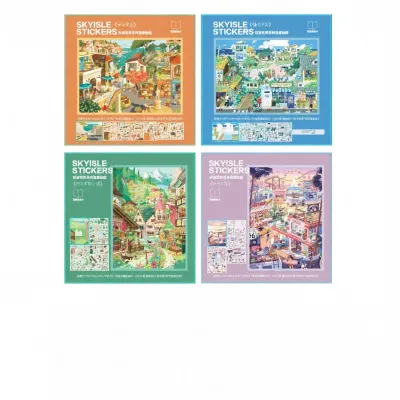
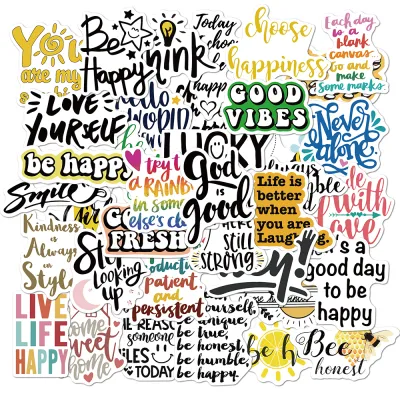
Prices are valid at publication and may change. Please refer to the product page for the latest price.
Using stickers also significantly reduces the cognitive load of daily tracking. Writing out repetitive phrases or drawing complex layouts every day requires mental energy that you might not have to spare. By utilizing quick, recognizable symbols and color codes, you can maintain a consistent tracking habit even on your lowest-energy days. A simple color-coded dot can represent your overall mood, while small icons can quickly log sleep quality, hydration, or physical activity. This efficiency ensures that your wellness routine remains a source of support rather than another demanding chore on your to-do list.
Furthermore, stickers help create a safe, non-judgmental, and playful space for self-expression. Journaling can sometimes feel overly formal or intimidating, especially if you struggle with perfectionism. The physical act of peeling and placing a sticker introduces a sense of playfulness and tactile interaction. This minor motor activity engages your senses, helping to ground you in the present moment. By shifting the focus from creating a perfect literary record to engaging in a tactile, creative process, you transform your journal into a gentle sandbox where there are no mistakes, only reflections.
Sticker Categories for Different Wellness Practices
To make the most of sticker therapy, it helps to categorize your collection based on specific therapeutic journaling methods. Mood and energy trackers are essential for identifying emotional patterns over time. Look for color-coded scales, weather metaphors, and abstract shapes that allow for quick daily check-ins. For instance, you might use warm, bright tones to represent high-energy days and cool, muted tones for quieter, reflective periods. Over weeks and months, these visual markers compile into an easy-to-read map of your emotional landscape, helping you identify triggers and seasonal trends.

Gratitude and affirmation decals serve as physical tools for cognitive reframing. This practice involves identifying negative or anxious thought patterns and gently redirecting them toward more balanced, positive perspectives. Pre-printed positive prompts, gentle reminders, and symbolic icons act as visual speed bumps during your day. Placing a sticker with a phrase like “Focus on what you can control” or “Ample rest is productive” provides a moment of pause. These visual cues reinforce positive self-talk and serve as comforting reminders when you look back through your past entries.
Mindfulness and habit cues are designed to anchor you in the present and support healthy daily routines. Minimalist shapes, breathing exercise guides, and grounding technique reminders can be placed strategically on your pages to prompt real-time wellness practices. For example, a sticker depicting a square breathing diagram serves as an interactive guide when you feel your anxiety rising. Similarly, simple habit tracking stickers help you monitor wellness-supporting behaviors—such as drinking water, stepping away from screens, or spending time outdoors—without requiring you to draw complex grids from scratch.
Choosing the Right Materials and Calming Designs
When selecting stickers for your wellness journal, the material you choose plays a significant role in both usability and longevity. In the Philippines, where high humidity can affect paper products, choosing the right material is especially important. Matte paper stickers are generally superior for therapeutic journaling because they allow you to write directly on top of them using standard gel pens, ballpoints, or fine liners without smudging. Washi paper stickers are also highly recommended; their translucent, delicate texture blends seamlessly into the page, creating a soft, layered look that feels organic and calming.
While vinyl stickers are highly durable and water-resistant, their glossy, plastic surfaces repel most journaling inks. This makes it difficult to annotate them or write over them, which can limit your ability to personalize your layouts. Additionally, you should consider the adhesive quality of your stickers. Repositionable adhesives, often found on high-quality washi stickers, allow you to move elements around if you change your mind. This flexibility reduces the anxiety of making a mistake on your page. Permanent adhesives, on the other hand, are ideal for long-term keepsakes, ensuring your emotional maps remain securely in place for years to come.
Color psychology and visual clutter are equally important factors to consider. The visual environment of your journal page can either soothe or stimulate your mind. To foster a sense of calm, opt for muted, gentle color palettes such as soft sages, dusty blues, warm terracottas, and delicate pastels. Avoid overly bright, neon, or chaotic designs that can cause visual clutter and induce subtle anxiety. A clean, spacious layout with plenty of negative space allows your mind to rest and process emotions more effectively, turning your journal into a peaceful sanctuary.
How to Build a Functional Sticker Therapy Kit
Building a functional sticker therapy kit does not require a large financial investment or an overwhelming collection. Start with a versatile, neutral core set of stickers that serve your immediate wellness goals. A basic kit might include a sheet of color-coded dots for mood tracking, a sheet of functional icons representing daily habits, and a few gentle text-based affirmations. By keeping your starter collection simple, you prevent decision fatigue and ensure that your focus remains entirely on the therapeutic process rather than the accumulation of supplies.
To keep your practice streamlined, organize your stickers by function or emotion rather than just aesthetics. Instead of sorting them by brand or color, try creating sections in your storage folder for categories like “Calming & Grounding,” “Expressive Moods,” and “Daily Trackers.” This functional organization makes it easy to find exactly what you need when you are in a specific emotional state. If you are feeling anxious, you can quickly turn to your grounding section to find a breathing guide or a soothing visual anchor without having to search through pages of unrelated decorative designs.
Finally, it is crucial to set healthy boundaries to prevent your journaling practice from becoming a source of stress, perfectionism, or financial strain. Remind yourself that your journal is a private tool for healing and self-reflection, not an art piece designed for social media display. Embrace the imperfections of your pages. If a sticker is placed crookedly or a page looks messy, treat it as an honest, beautiful reflection of life’s unpredictable nature. By prioritizing utility and personal resonance over decorative perfection, you ensure that your sticker therapy kit remains a supportive, low-pressure companion on your wellness journey.
Frequently Asked Questions (FAQ)
Can sticker therapy replace professional mental health treatment?
No, sticker therapy and therapeutic journaling are self-care tools designed to support everyday emotional maintenance, mindfulness, and self-reflection. They are not substitutes for professional mental health treatment, clinical therapy, or medical intervention. If you are experiencing severe emotional distress, persistent anxiety, depression, or coping with trauma, it is essential to consult a licensed mental health professional or healthcare provider in the Philippines who can offer personalized, clinical support.
How do I choose stickers if I feel overwhelmed by too many options?
When faced with too many choices, simplify your approach to protect the calming nature of your practice. Start by selecting a single sheet of functional stickers or a limited, monochromatic color palette that resonates with you today. Focus on utility—such as a simple mood tracker—rather than decorative complexity. By limiting your options, you reduce decision fatigue, allowing you to focus your energy on the actual practice of self-reflection and emotional processing.

Community discussion
Share your experience or ask a question. Comments are reviewed before publication.