
The durability and look of a handmade stretch bracelet depend entirely on matching your elastic cord to your specific beads and environmental conditions. If you are crafting in a warm, tropical climate like the Philippines, choosing the correct string for bracelet stretchable designs prevents the common frustration of bracelets snapping, sagging, or yellowing after just a few weeks of wear.
There is no single “perfect” cord. Instead, makers must choose between four primary materials: TPU (thermoplastic polyurethane) cord, rubber-core fabric-covered elastic, multi-strand spandex elastic thread, and polyurethane monofilament. Each material offers distinct advantages in stretch retention, knot security, and resistance to environmental moisture.
Before purchasing your materials from a local craft shop or online marketplace, evaluating your bead selection is crucial. Factors such as the weight of the beads, the internal diameter of the drill holes, and the roughness of the bead edges dictate which elastic will successfully keep your design intact. Let us explore how these materials perform under daily wear and how to select the ideal option for your next jewelry project.
Products mentioned in this guide
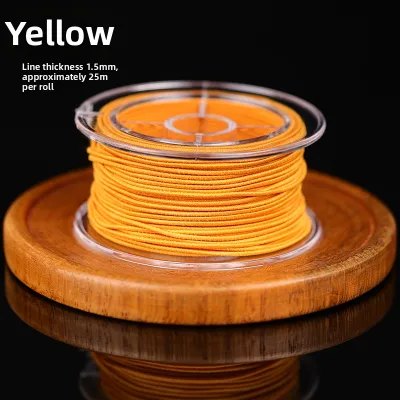
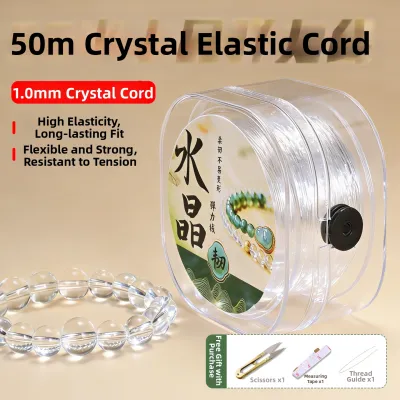
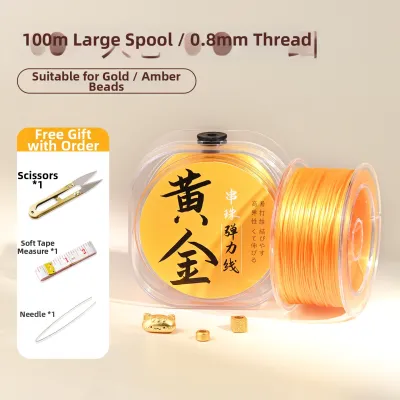
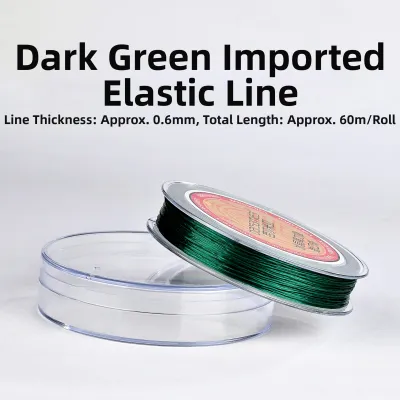
Prices are valid at publication and may change. Please refer to the product page for the latest price.
Quick Guide: Choosing the Right Elastic for Your Bracelet
The frustration of a newly crafted bracelet suddenly snapping or losing its elasticity is a common experience for DIY jewelry makers. Often, this issue does not stem from poor craftsmanship but from a mismatch between the elastic cord and the physical properties of the beads. To build a bracelet that lasts, you must look beyond color and price to evaluate the structural demands of your design.
Three primary physical factors determine how your stretchable string will perform over time: bead weight, hole size, and edge sharpness. Heavy materials like natural gemstones, volcanic lava rocks, or dense glass beads exert constant downward pull on a cord, requiring high tensile strength. Conversely, lightweight acrylic, polymer clay, or small seed beads can easily rest on much thinner, highly flexible threads.
The internal structure of the bead hole is equally critical. Rough or sharp edges inside a bead—frequently found in natural crystals, raw shells, or metallic spacers—can act as microscopic saws, slowly fraying or slicing through smooth synthetic cords. Matching these abrasive materials with a protective fabric-covered elastic or a highly durable TPU cord is necessary to prevent premature failure.
Environmental factors also play a major role in material longevity. In humid, tropical climates, sweat, body oils, and ambient moisture accelerate the degradation of certain elastic fibers. Natural rubber cores can dry out and become brittle, while certain clear monofilaments may yellow or lose their elasticity when exposed to intense sunlight and perspiration during daily wear. Understanding the chemical and physical differences of these strings ensures your jewelry remains wearable for years.
4 Main Types of String for Bracelet Stretchable Projects
To select the correct material, you must understand the four primary categories of stretchable cord available in the crafting market. Each type has a unique structural composition that dictates how it stretches, how it holds a knot, and how it responds to different bead types.

TPU (Thermoplastic Polyurethane) Cord
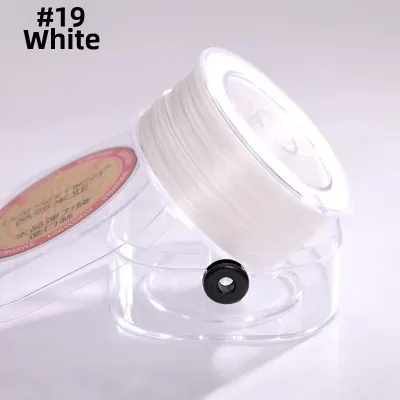
Thermoplastic Polyurethane, commonly labeled as TPU cord, is a highly durable, synthetic single-strand elastic that has become a staple in modern jewelry making. This material combines the flexibility of rubber with the strength and resilience of hard plastic. Because it is completely synthetic, TPU is highly resistant to water, sweat, oils, and high humidity, making it an exceptional choice for daily wear in warm climates.
In terms of appearance, TPU cord is typically semi-opaque or clear, though it is also manufactured in a wide array of solid colors. It possesses excellent tensile strength and a high elastic recovery rate, meaning it stretches significantly without permanently deforming or sagging. This resilience makes it ideal for medium to heavy beads, including polished glass, ceramic, and smooth gemstone beads, where a strong, moisture-resistant core is required.
When working with TPU, verify the manufacturer’s specified diameter on the spool, which commonly ranges from 0.5mm to 1.0mm. Because the surface of TPU is relatively smooth, it requires careful knotting techniques to prevent the knot from slipping over time. When shopping in local craft stores or online marketplaces in the Philippines, you will find these cords in various price bands, ranging from budget-friendly options under ₱100 per roll to premium imported brands costing ₱300 or more.
Rubber-Core Elastic (Fabric-Covered)
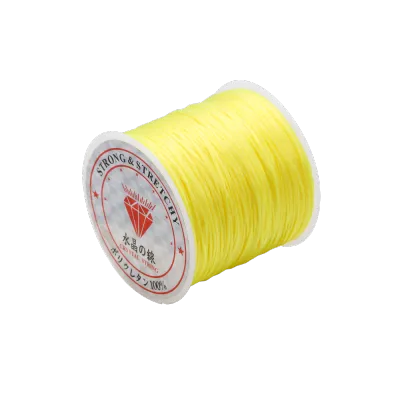
Fabric-covered elastic cord features a traditional construction consisting of one or more natural or synthetic rubber strands encased in a braided protective sheath of cotton, nylon, or polyester. This braided outer layer provides a textured, matte finish that is highly distinct from smooth plastic cords. The fabric casing not only protects the inner rubber from direct exposure to light and friction but also provides exceptional grip when tying knots.
Because the braided sheath creates significant friction, knots tied in fabric-covered elastic are incredibly secure and highly resistant to slipping. This makes it a user-friendly option for beginners and an excellent match for heavy or large-hole beads, such as traditional wooden beads, large polymer clay disks, and acrylic pony beads. The fabric cover also cushions the elastic core against any minor roughness inside the bead holes.
However, this material has notable limitations when exposed to tropical humidity and daily wear. The internal rubber core can dry out, become brittle, and lose its stretch over time, especially when subjected to body sweat, sunscreen, or water. Additionally, because the cord is opaque and relatively thick, it cannot be used with transparent or small-hole beads, as the fabric sheath will be highly visible and may not fit through narrow drill holes.
Elastic Thread (Spandex or Lycra Blends)
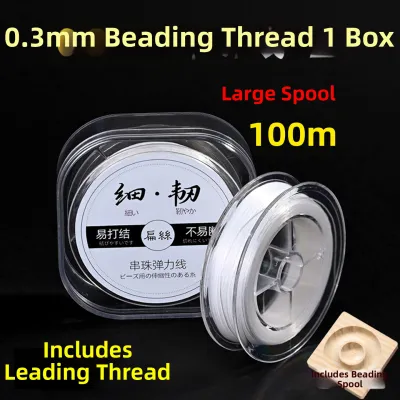
Elastic thread, often constructed from premium spandex or Lycra blends, is a very fine, multi-strand material that closely resembles heavy sewing thread but possesses significant stretch. Unlike single-strand cords, elastic thread is made of multiple tiny elastic fibers bound together. This multi-ply construction provides a unique safety mechanism: if one fiber nicks or breaks, the remaining strands continue to hold the bracelet together, giving you ample warning before the entire piece snaps.
Because of its incredibly thin profile, elastic thread is highly flexible and drapes beautifully, allowing bracelets to conform comfortably to the wrist. To maximize its strength, jewelry makers frequently double or quadruple the thread, passing multiple strands through the beads using a specialized collapsible eye needle. This technique distributes the weight of the beads across several strands, significantly increasing the overall durability of the piece.
This material is the premier choice for lightweight beads with very small drill holes, such as size 11/0 or 8/0 glass seed beads, small freshwater pearls, and delicate gemstone chips. It is not suitable for heavy, large-scale beads, as the fine threads can stretch out under excessive weight, causing the bracelet to sag and expose the unsightly structural threads between the beads.
Polyurethane Monofilament (e.g., Stretch Magic)
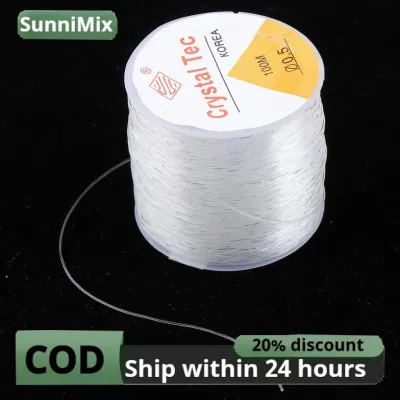
Polyurethane monofilament, widely known by popular brand names like Stretch Magic, is a solid, single-strand clear elastic cord made from high-grade polyurethane. This material is highly favored for its glass-like transparency, which makes the string virtually invisible inside transparent, translucent, or light-colored glass and crystal beads. It creates a clean, professional “floating” aesthetic where the focus remains entirely on the beauty of the beads.
While monofilament is highly elastic and can stretch to several times its original length, its single-strand solid construction makes it vulnerable to structural damage. If the cord is nicked by a sharp tool during crafting, or if it rubs against a sharp edge inside a bead, the entire strand can snap suddenly without warning. It also requires precise knotting, as the smooth, glossy surface of the polyurethane is naturally slippery and prone to unraveling if not properly secured.
When using polyurethane monofilament, it is essential to inspect the drill holes of your beads for sharp, unpolished edges, particularly when working with raw crystals, metal spacers, or faceted glass. If sharp edges are detected, a different cord type should be selected, or the edges must be smoothed to prevent them from slicing through the monofilament over time.
How to Match Your Elastic Cord to Bead Size and Weight
Selecting the right type of stretchable string is only half the battle; you must also match the thickness of the cord to the physical dimensions and weight of your beads. Using a cord that is too thin for heavy beads results in a sagging, fragile bracelet, while attempting to force a thick cord through small bead holes can damage both the bead and the string.
Bead Hole Size vs. Cord Thickness
The general rule of thumb for jewelry making is to use the thickest cord that can comfortably pass through the bead holes. Ideally, the cord should be thin enough to pass through the beads easily, but thick enough to fill most of the hole space to prevent the beads from wobbling. Additionally, you must consider the knot; the bead adjacent to your knot must have a hole large enough to accommodate and hide the finished knot.
Most elastic cords are labeled in millimeters (mm), with common sizes ranging from 0.5mm to 1.0mm or larger. For very small seed beads and pearls, a 0.5mm or thinner cord is standard. Medium beads, such as 6mm or 8mm glass and gemstone beads, typically pair best with 0.7mm or 0.8mm cords. Large, heavy beads measuring 10mm or more generally require a robust 1.0mm cord to maintain structural integrity.
Bead Weight and Material
The physical weight of your beads dictates the tensile strength required from your elastic. Lightweight materials like acrylic, wood, silicone, and paper beads place very little stress on a cord, allowing you to use thinner elastics or delicate multi-strand threads. These materials are highly forgiving and rarely cause stretching or sagging.
In contrast, heavy gemstone beads (such as amethyst, jasper, or agate), heavy ceramic beads, and solid metal spacers exert continuous downward force when the bracelet is worn. For these heavy designs, a thick, high-tensile TPU cord or multiple strands of high-quality elastic thread are necessary. If you must use a compressed cord due to small drill holes in heavy beads, doubling the cord is a practical way to reinforce the design.
Bead Edge Sharpness
The texture of the bead’s inner channel is a frequently overlooked factor that can quickly ruin a handmade bracelet. Molded plastic and high-quality polished glass beads usually have smooth, rounded entry and exit points. However, natural stones, metal beads, and cheap molded crystals often have sharp, abrasive edges around their drill holes that act like tiny blades.
If you are working with abrasive beads, avoid clear polyurethane monofilament, which is highly sensitive to shearing. Instead, opt for fabric-covered elastic, as the braided sheath acts as a protective barrier, or use a tough, wear-resistant TPU cord. Alternatively, you can slide smooth, small seed beads or soft silicone spacers on either side of the sharp bead to act as a buffer, preventing direct contact between the abrasive edge and the elastic cord.
Comparison of Stretchable String Types
The following table summarizes the key characteristics, ideal bead matches, and environmental performance of the four main types of stretchable string to help you make an informed decision for your next project.
| Material Type | Best Bead Match | Typical Thickness Range | Humidity Resistance |
|---|---|---|---|
| TPU Cord | Medium to heavy gemstones, polished glass | 0.5mm – 1.0mm | High (Resists sweat and moisture) |
| Rubber-Core Elastic | Large-hole pony beads, wood, polymer clay | 0.8mm – 2.0mm | Moderate (Rubber core can dry out) |
| Elastic Thread | Seed beads, small pearls, delicate chips | 0.3mm – 0.7mm | Moderate to High (Multi-strand security) |
| Polyurethane Monofilament | Transparent glass, crystals, light beads | 0.5mm – 1.0mm | High (But vulnerable to sharp edges) |
Essential Steps for Knotting and Securing Elastic Cords
Even the highest-quality stretchable string will fail if it is not prepared, knotted, and secured correctly. Because synthetic elastics are naturally smooth and slippery, standard knots can easily unravel under the tension of daily wear. Following a few professional assembly steps will significantly extend the lifespan of your handmade bracelets.
Pre-stretching the Cord
One of the most common mistakes in bracelet making is stringing beads directly onto a fresh piece of elastic without pre-stretching it. All elastic materials have an initial “give” that relaxes permanently after the first few stretches. If you skip this step, your finished bracelet will quickly stretch out and sag after just a few hours of wear, leaving unsightly gaps between the beads.
To prevent this, cut your piece of cord (allowing an extra 10 to 15 centimeters on each end for knotting) and gently but firmly stretch it several times along its entire length. You will feel the material give slightly and then resist. This simple action pre-relaxes the polymer chains, ensuring that your finished bracelet retains its original snug fit on the wrist.
Knot Selection and Execution
A standard overhand knot is highly prone to slipping when applied to smooth synthetic cords like TPU or monofilament. Instead, jewelry makers should use a surgeon’s knot or a double square knot. A surgeon’s knot is similar to a standard square knot but involves wrapping the working end of the cord through the loop twice on the first pass, creating extra friction that locks the elastic in place.
When pulling your knot tight, do so gently and evenly from all four directions (the two working ends and the two sides of the beaded bracelet). Avoid pulling too violently, as sudden, extreme tension can nick or weaken synthetic monofilament, creating a failure point right at the knot.
Securing and Hiding the Knot
To guarantee that your knot remains secure over months of wear, apply a tiny drop of flexible jewelry glue (such as G-S Hypo Cement or a specialized flexible craft adhesive) or clear nail polish directly onto the knot. This adhesive binds the slippery cords together without compromising their flexibility.
It is critical to avoid using standard cyanoacrylate-based super glues. Super glue dries into a rigid, glass-like plastic that cannot flex. When the elastic bracelet stretches, the rigid glue creates a sharp, hard edge that cuts directly into the flexible elastic, causing the cord to break right at the knot.
Once the adhesive has dried completely according to the manufacturer’s instructions, gently slide the adjacent bead over the knot to hide it from view. This not only creates a clean, professional finish but also protects the knot from constant friction against the skin and exposure to external elements.
Frequently Asked Questions (FAQ)
Can I use regular sewing elastic for bracelets?
Standard sewing elastic is flat, relatively wide, and designed to be sewn into fabric hems rather than threaded through beads. It is typically too thick to pass through the drill holes of standard jewelry beads, and its exposed woven structure is highly vulnerable to fraying when in direct contact with rough bead channels. For durable jewelry making, always use round, specialized jewelry elastic.
Why does my stretch bracelet keep breaking?
Frequent breakage is usually caused by a few common errors: failing to pre-stretch the cord before stringing, using a cord that is too thin for heavy gemstone beads, or allowing sharp, unpolished bead holes to cut into the elastic. Additionally, using rigid super glue on the knot makes the elastic brittle and prone to snapping under tension.

Community discussion
Share your experience or ask a question. Comments are reviewed before publication.