
Choosing between tempera paint and acrylic paint depends entirely on your project’s intended lifespan, the surface you are painting on, and how easily you need to clean up afterward. Tempera paint is a highly practical choice for temporary, washable, and paper-based crafts, making it a staple in classrooms and homes with young children. Acrylic paint, on the other hand, is a highly durable option for permanent, versatile, and multi-surface artwork that must resist moisture once dry. By evaluating the physical properties, durability, and specific use cases of each medium, you can confidently select the right paint for your creative goals.
In tropical climates like the Philippines, where high humidity can significantly influence how art supplies dry and age, understanding these differences is even more critical. High moisture levels in the air can prolong drying times for water-soluble paints and make certain surfaces more prone to warping if the wrong medium is applied. Selecting the correct paint ensures your artwork remains intact, whether it is a quick school poster or a permanent canvas painting meant to withstand the elements.
Understanding the Base: Composition and Visual Finish
To understand how these paints behave on your canvas or paper, you must first look at what holds them together. Tempera paint, often referred to as poster paint in school settings, typically utilizes a water-soluble binder such as starch, cellulose, or gum arabic. This composition allows the paint to remain soluble in water even after it has dried completely on the surface. Acrylic paint relies on an acrylic polymer emulsion as its binder, which forms a flexible, plastic-like film as the water evaporates, locking the pigment particles permanently in place.
Products mentioned in this guide
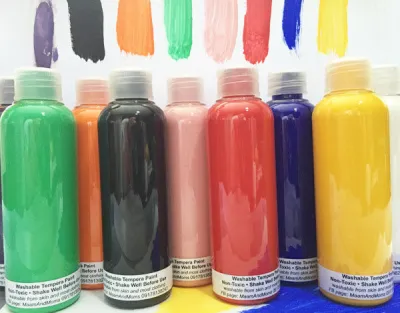
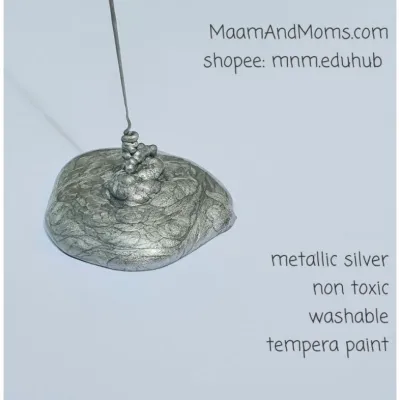
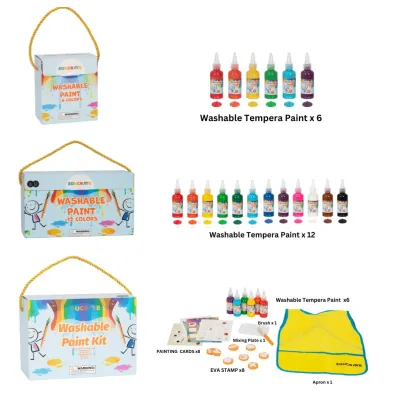
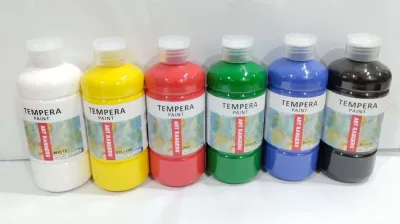
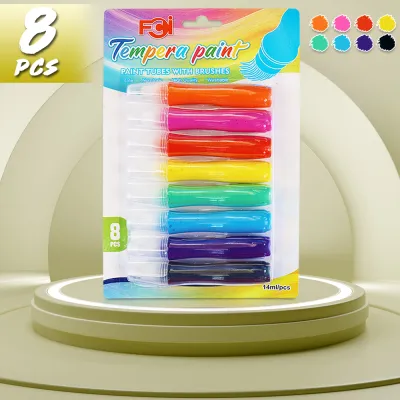
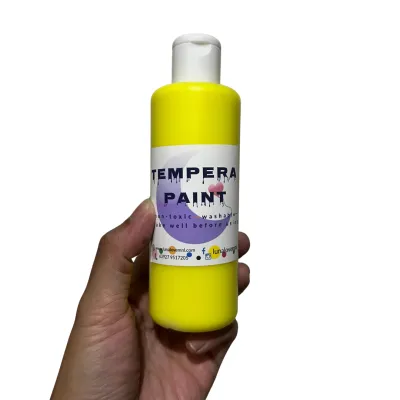
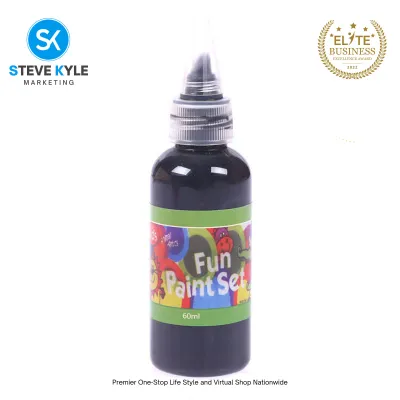
Prices are valid at publication and may change. Please refer to the product page for the latest price.
This difference in binders directly dictates the visual finish of each medium. Tempera paint dries to a distinctively chalky, matte finish that is highly opaque but can appear flat. Because it lacks a plastic binder, it does not reflect light, which is excellent for projects where glare needs to be minimized, such as school presentations or temporary window displays. Acrylic paint offers a much wider range of finishes, from satin and semi-gloss to high-gloss, depending on the specific formulation. The polymer binder gives acrylics a rich, vibrant depth of color that retains its luster over time.
Blending characteristics and opacity also vary widely between the two. Tempera paint is generally easy to blend when wet, but because it reactivates with water, layering colors can be challenging; a wet brush applied over dry tempera can easily lift or muddy the underlying layer. Acrylic paint allows for seamless layering because once a layer dries, it becomes completely insoluble, letting you paint light colors over dark colors without bleeding. When shopping, always check manufacturer labels for specific variations, such as “washable” tempera for easy cleanup or “heavy body” acrylics if you require a thick, textured application that holds brush strokes.
Durability, Washability, and Surface Compatibility
Durability is one of the most significant dividing lines between these two popular mediums. Because acrylic paint dries to a water-resistant plastic finish, it is highly durable and capable of resisting moisture, light scraping, and environmental humidity. In contrast, standard tempera paint remains highly sensitive to moisture. If a drop of water hits a dried tempera painting, the paint will reactivate, smear, and potentially run off the page, making it unsuitable for any artwork that might be exposed to damp conditions or handled frequently.

Washability is where tempera paint holds a clear advantage, particularly in educational or child-friendly environments. Because its binder is water-soluble, tempera paint washes out of most textiles, clothing, and skin with simple soap and warm water. This makes it a stress-free option for classroom activities, group crafts, and messy play sessions. Acrylic paint, once dry, is incredibly difficult to remove from fabrics and porous surfaces because the polymer binder bonds tightly to the fibers. While you can clean wet acrylic paint with water, dried acrylic stains are usually permanent, requiring specialized solvents or scraping that can damage the underlying material.
Surface compatibility is another critical factor to consider before making your purchase. Tempera paint performs most effectively on porous, absorbent surfaces like paper, cardboard, poster board, and papier-mâché. On non-porous surfaces like plastic, glass, or metal, tempera will bead up, crack, or easily flake off once dry. Acrylic paint is highly adhesive and can bond to a vast array of surfaces, including canvas, wood, unglazed ceramics, stone, and even prepared plastics or metals. However, users should always verify product labels for lightfastness ratings and specific surface preparation requirements, as some slick surfaces may still require a primer or gesso to ensure long-term adhesion.
Matching the Medium to Your Project Type
Matching the paint to your specific project ensures a smooth creative process and a successful final product. Tempera paint is the go-to medium for temporary crafts, educational activities, and quick-turnaround projects. It is suitable for school posters, cardboard construction projects, papier-mâché sculptures, and temporary window paintings that need to be washed off later. Because it is budget-friendly and easy to clean, it allows students and hobbyists to experiment freely on paper without worrying about ruining clothing or furniture.
Acrylic paint is designed for projects where longevity, texture, and professional presentation are the priorities. It is the standard choice for fine art on stretched canvas, decorative wooden crafts, customized clay pots, and mixed-media pieces that require heavy layering or textured impasto techniques. If you are painting outdoor items like garden stones or wooden signs, acrylic paint is the necessary choice, though it should still be sealed with an outdoor-grade varnish to protect it from tropical rain and intense sunlight.
There are situations where neither paint will perform optimally without proper preparation or supplementary supplies. For instance, painting on highly glossy plastics, smooth metals, or varnished wood can cause both tempera and acrylic to peel if the surface is not sanded and primed first. If you are working on a specialized project, always check the manufacturer’s instructions to see if a primer, gesso, or specific sealant is required to achieve the desired durability and finish.
Quick Comparison: Tempera vs Acrylic at a Glance
To help you quickly decide which medium fits your current project, the table below summarizes the key physical and practical differences between standard tempera and acrylic paints.
| Feature | Tempera Paint | Acrylic Paint |
|---|---|---|
| Binder Base | Water-soluble (starch, cellulose, or gum) | Acrylic polymer emulsion (plastic-like) |
| Typical Finish | Chalky, matte, and opaque | Variable (matte, satin, semi-gloss, or high-gloss) |
| Water Resistance | Low (reactivates and smears when wet) | High (completely water-resistant once dry) |
| Washability | High (easily washes out of skin and most fabrics) | Low (permanent on fabrics once dry) |
| Ideal Surfaces | Paper, cardboard, poster board, papier-mâché | Canvas, wood, stone, ceramics, primed metal |
| Relative Price Tier | Budget-friendly (₱ range) | Moderate to premium (₱₱ to ₱₱₱ range) |
Note: While these features represent general category standards, individual formulations can vary. Always check specific brand labels for exact performance characteristics, safety certifications, and drying times.
Final Decision Guide: Which Paint Should You Buy?
To finalize your purchase, consider the specific constraints of your project, the age of the painters, and where the finished piece will be displayed.
Choose tempera paint if:
- The project is temporary, such as a school poster, a classroom activity, or holiday window decorations.
- You are working with young children or in a classroom setting where quick, soap-and-water cleanup is essential.
- Your primary painting surface is paper, cardboard, or poster board.
- You are working within a tight budget and need to purchase paint in bulk for group activities.
Choose acrylic paint if:
- You want the finished artwork to be permanent, durable, and resistant to moisture or humidity.
- You are painting on canvas, wood, stone, unglazed ceramics, or other non-traditional surfaces.
- You want to experiment with different finishes, thick textures, or advanced layering techniques.
- The finished item will be handled frequently, displayed outdoors, or kept as a long-term keepsake.
Verify first if:
- Your project involves specialized or slick surfaces. In these cases, check the manufacturer's instructions to determine if you need to apply a primer or gesso beforehand.
- You are purchasing paint for very young children. Always check the packaging for recognized non-toxic certifications to ensure the product meets safety standards for your specific user group.
Frequently Asked Questions (FAQ)
Can you mix tempera and acrylic paint together?
While you can physically mix wet tempera and wet acrylic paint together on a palette, doing so is generally not recommended. Because they use entirely different binders—water-soluble starch or cellulose versus a plastic polymer emulsion—the resulting mixture often dries unevenly. This chemical incompatibility can lead to cracking, flaking, or peeling as the paint cures. If you want to experiment with mixing them for a specific textured effect, always test a small batch on scrap paper first and check the manufacturer’s guidelines to avoid ruining your final artwork.
Is tempera paint safe for young children?
Tempera paint is widely favored for children’s art activities due to its washability, but safety depends on the specific product formulation. Not all tempera paints are created equal, and some may contain preservatives or pigments that are not intended for prolonged skin contact or accidental ingestion. Before purchasing, always inspect the product packaging for recognized non-toxic certifications, such as the AP (Approved Product) seal from the Art and Creative Materials Institute (ACMI) or equivalent local safety standards. Never assume a paint is safe for toddlers simply because it is labeled as tempera.
How do you seal tempera paint to make it last longer?
Because tempera paint remains water-soluble after drying, sealing it requires careful product selection to avoid ruining the artwork. Applying a wet, water-based liquid varnish with a brush can reactivate the dried tempera, causing the colors to bleed and smear across the page. To preserve tempera artwork, it is highly effective to use a light, aerosol spray sealant or fixative designed specifically for dry media or water-soluble paints. Always apply the spray in thin, light coats in a well-ventilated area, and verify the sealant manufacturer’s instructions to ensure compatibility with water-soluble tempera.

Community discussion
Share your experience or ask a question. Comments are reviewed before publication.