
Matching the right sewing thread to your fabric is essential for creating durable, professional-looking garments and home textiles. Ticket 50 thread, a versatile medium-light option, works exceptionally well with medium-weight everyday Philippine fabrics like cotton and ramie. However, its compatibility varies significantly when applied to delicate heritage textiles like piña or heavy handwoven fabrics like Inabel.
Understanding Ticket 50 Thread and Fabric Weight Basics
In the metric ticket system, a lower ticket number indicates a thicker thread, while a higher number indicates a finer thread. Ticket 50 is a medium-light thread, making it thicker than standard ticket 120 dressmaking thread but finer than heavy-duty upholstery options.
Finer fabrics generally require finer threads to prevent puckering and seam bulk. Medium-weight fabrics pair naturally with ticket 50, as the thread thickness matches the fabric density, ensuring the seam does not pull or tear the surrounding weave.
Products mentioned in this guide
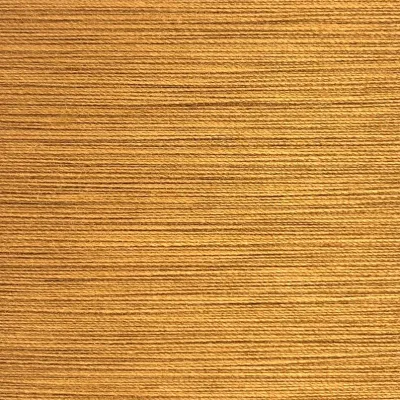
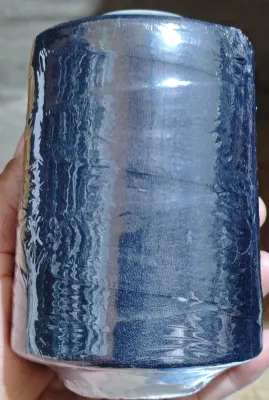
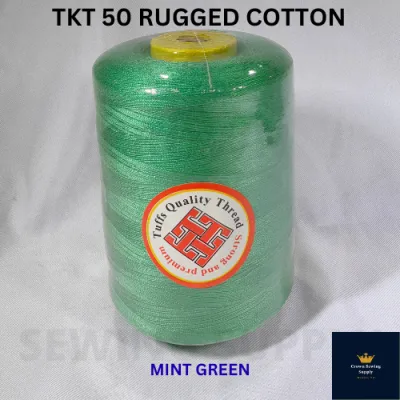
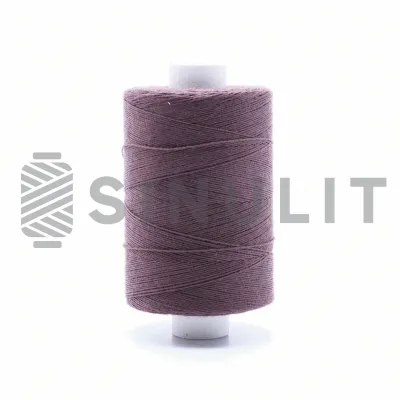
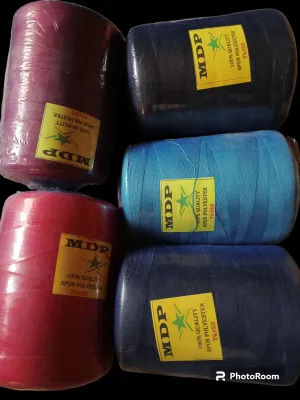
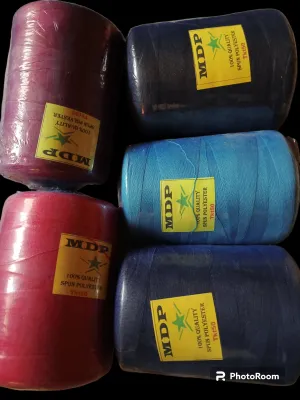
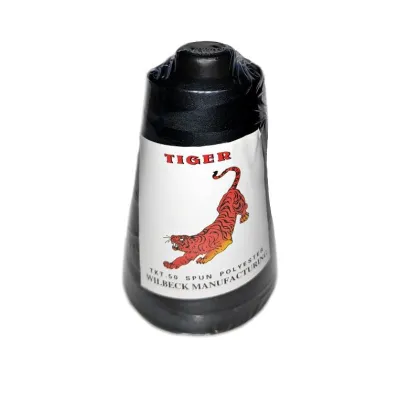
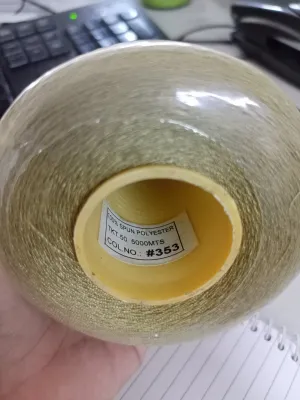
Prices are valid at publication and may change. Please refer to the product page for the latest price.
Always check the specific thread material composition alongside the ticket number to ensure fiber compatibility. Polyester offers high tensile strength and mildew resistance—crucial in the humid Philippine climate—while cotton thread matches the natural expansion and contraction of cotton fabrics.
Handling Delicate Heritage Fabrics: Piña and Jusi
Piña, woven from pineapple leaf fibers, is incredibly fine, sheer, and stiff. Using a ticket 50 thread on piña poses a high risk of fiber stress, visible needle holes, and severe seam puckering. The thread is simply too thick for the delicate warp and weft of this heritage textile.

Jusi, traditionally a silk or synthetic blend, is slightly more forgiving but still highly delicate. While ticket 50 might be acceptable for hidden structural seams that require extra reinforcement, it is far too heavy for visible hems or delicate collar attachments.
Always perform a scrap test before sewing. If you observe any pulling or puckering along the seam line, switch to a finer alternative, such as a ticket 120 polyester or fine silk thread, to preserve the fabric’s integrity.
Sewing Everyday Wear: Philippine Cotton and Ramie
Standard Philippine cotton, widely used for breathable everyday wear, casual dresses, and household linens, pairs beautifully with ticket 50 thread. The thread provides excellent seam strength that withstands frequent washing and daily wear in tropical conditions.
Ramie, a durable plant-based fiber with a linen-like texture, also matches well with ticket 50. This thread size balances the need for secure seams without stiffening or overwhelming the natural, breathable drape of the ramie fabric.
Because natural fibers are prone to shrinking, always pre-wash both your fabric and your thread (if using cotton thread) before cutting. This step prevents uneven shrinkage and puckered seams after the finished item is laundered for the first time.
Adapting to Handwoven Textiles: Inabel and Blends
Inabel, the traditional handwoven textile from the Ilocos region, comes in various weights. Lightweight Inabel used for clothing pairs well with ticket 50, but heavier weaves intended for blankets or upholstery may require a thicker thread for long-term seam security.
Sewing through the uneven, slubby textures of handwoven fabrics can cause friction, leading to skipped stitches or thread breakage. The needle must open a large enough path for the ticket 50 thread to pass through smoothly.
Pair ticket 50 thread with an appropriate needle, such as a size 80/12 or 90/14 sharp or universal needle. This ensures the needle eye accommodates the thread thickness while cleanly piercing the woven structure without snagging the handloomed threads.
Practical Sewing Checks and Machine Adjustments
Before sewing your main project, establish a strict scrap-test protocol. Fold a scrap of your chosen fabric to mimic the actual seam layers, sew a straight line, and inspect the results for puckering, unbalanced tension, or fabric distortion.
Adjust your sewing machine’s upper tension dial and presser foot pressure when transitioning between different fabric types. Lightweight fabrics require lighter presser foot pressure to prevent bunching, while denser weaves may need slightly higher tension.
Establish clear stopping conditions. If you experience repeated thread shredding, skipped stitches, or visible fabric damage, stop sewing immediately. Check for a bent needle, re-thread the machine, or consult your machine’s manual to troubleshoot the tension settings.
Frequently Asked Questions (FAQ)
Can I use ticket 50 polyester thread on natural Philippine cotton?
Yes, but with caution. Polyester thread is highly durable and resists rot in humid climates, but it is stronger than natural cotton fibers. Over time, under high stress, the synthetic thread can cut through the softer cotton fabric; monitor high-strain seams regularly for signs of wear.
Why is my thread breaking when sewing textured ramie?
Thread breakage on textured ramie usually stems from friction. Check if your needle is too small for the ticket 50 thread, inspect the needle plate for sharp burrs, and ensure your upper tension is not too tight. Re-thread the machine completely and try a fresh, sharp needle.

Community discussion
Share your experience or ask a question. Comments are reviewed before publication.