
The choice between titanium white and zinc white acrylic paint depends entirely on your painting technique. Titanium white provides high opacity and strong covering power for direct application, while zinc white offers transparency and subtle tinting for glazing and mixing. Understanding how these two pigments behave on your canvas is essential for achieving clean, vibrant layers and avoiding muddy or chalky color mixtures.
Titanium white, classified as Pigment White 6 (PW6), is the most common white paint found in artist palettes. It acts as a physical barrier to light, reflecting almost all visible wavelengths to completely hide whatever lies beneath it. In contrast, zinc white, classified as Pigment White 4 (PW4), acts more like a delicate veil. It allows light to pass through its layers and bounce off the underlying colors, creating a luminous, optical depth that is impossible to achieve with more opaque pigments.
Compare Opacity and Direct Coverage on the Canvas
When you need to block out an underlying layer, correct a mistake, or establish a brilliant highlight, opacity is your primary consideration. Titanium white is a highly opaque pigment with exceptional covering power. A single, undiluted stroke of titanium white can easily obscure dark underpaintings, charcoal sketch lines, and the natural texture of your canvas. This makes it the ideal choice for base coats, solid shapes, and the final, bright highlights that sit on the very top of your painting.
Products mentioned in this guide
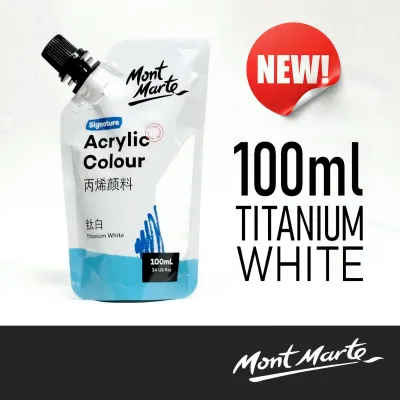
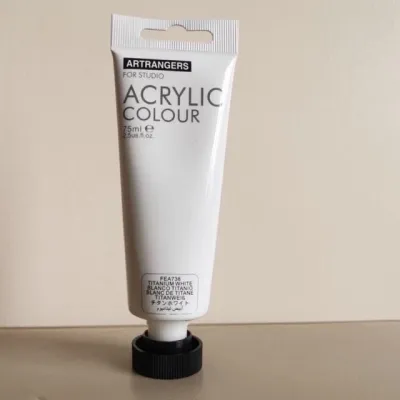
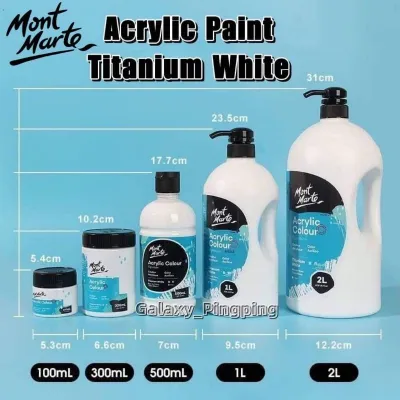
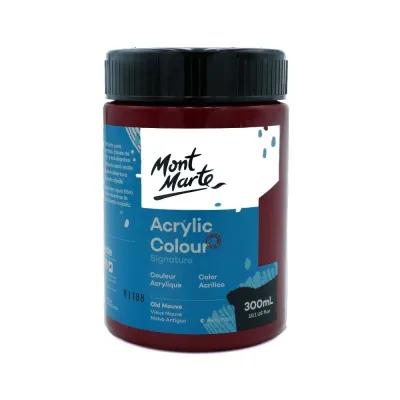
![[300ml] Mont Marte Signature Acrylic Paint](https://img.lazcdn.com/g/p/ca10c1113b7ddd899d6b5451deeb5e9c.jpg_400x400q80.jpg_.webp)
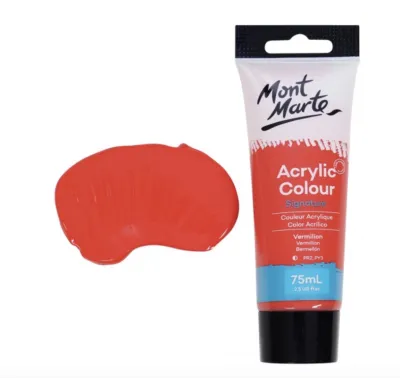
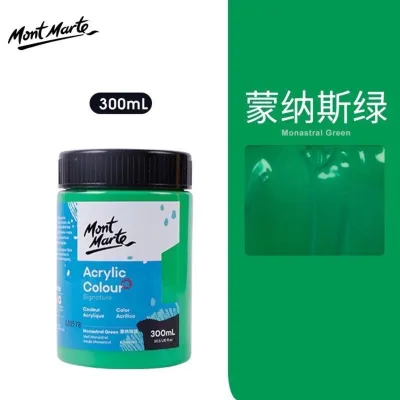
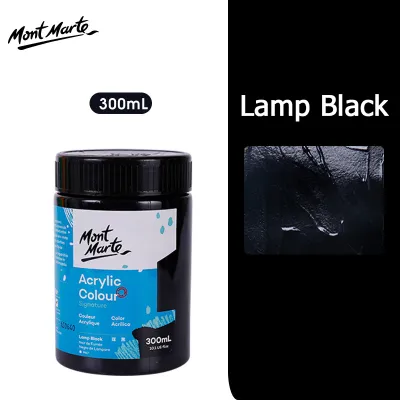
Prices are valid at publication and may change. Please refer to the product page for the latest price.
Zinc white, on the other hand, is a naturally transparent pigment. If you attempt to use zinc white to cover a dark background or paint over an error, you will find that the underlying colors continue to show through, even after multiple coats. This transparency is not a defect; rather, it is a highly valued characteristic for artists who work in layers. Zinc white allows you to build soft, atmospheric transitions, such as mist, fog, or the delicate glow of skin tones, without completely masking the work you have already done.
To verify these characteristics before purchasing, always check the paint tube label for opacity indicators. Most professional and student-grade acrylic brands use a small square symbol to denote opacity. A solid black square indicates high opacity, a diagonally half-filled square represents semi-opacity, and a hollow square signifies high transparency. Checking these symbols ensures you are getting the exact coverage level required for your specific project.
Evaluate Mixing Behavior and Tinting Strength
The way a white paint behaves when mixed with other colors on your palette can dramatically alter your final artwork. Titanium white has incredibly high tinting strength, meaning a very small amount will rapidly lighten any color it is mixed with. While this is useful for quickly creating pastel shades, it can easily overpower delicate pigments. Mixing titanium white into rich, dark colors like ultramarine blue or alizarin crimson often results in a chalky, desaturated appearance that can make your paintings look flat or muddy.

Zinc white possesses a much lower tinting strength, making it the preferred choice for subtle color mixing. When you add zinc white to another color, it gently coaxes the pigment to a lighter shade without stripping away its inherent vibrancy or warmth. This allows you to create soft, luminous tints and maintain the clean, saturated quality of your dark colors. It is particularly effective for glazing techniques, where you want to apply a thin, tinted layer over a dry underpainting to shift the color temperature slightly.
Because pigment concentration and binder quality vary significantly between different paint manufacturers, tinting behavior is not completely uniform across all brands. Student-grade paints often contain extra fillers that can make even zinc white behave unpredictably. It is always best to test small batches of your paint mixtures on a disposable palette before committing to a large application on your final canvas.
Verify Film Properties and Manufacturer Specifications
Beyond visual appearance, the physical properties of the dried paint film are crucial for the longevity of your artwork. Acrylic paint consists of pigment particles suspended in an acrylic polymer emulsion. As the water evaporates, these polymer molecules coalesce into a flexible, plastic-like film. This inherent flexibility is highly beneficial in tropical climates with high humidity, as the paint film can expand and contract slightly with temperature changes without cracking.
While zinc white has a historical reputation for causing brittleness and cracking in oil paintings, this issue is significantly mitigated by the flexible nature of acrylic binders. However, caution is still warranted when working with exceptionally thick layers. If you plan to use heavy impasto techniques or apply paint thickly with a palette knife, titanium white is generally the safer choice for maintaining film integrity. For thick, textured applications of zinc white, always consult the manufacturer’s technical data sheet to ensure the dried film remains stable over time.
To guarantee you are purchasing high-quality, predictable paint, always verify the pigment index code printed on the back of the tube. Pure titanium white should list only PW6, and pure zinc white should list only PW4. Be cautious of budget paints labeled simply as “mixing white” or “white hue,” as these often contain cheap fillers like calcium carbonate (PW18) or barium sulfate. These fillers can compromise the paint’s lightfastness, archival stability, and mixing predictability.
Decision Framework: Which White Fits Your Technique?
Choosing the right white paint comes down to identifying your specific painting style and workflow. You do not necessarily have to choose just one, as many artists keep both tubes on hand to handle different stages of a painting.
You should choose titanium white if your painting technique involves:
- Blocking out mistakes or completely covering dark underpaintings.
- Creating stark, bright highlights that need to pop off the canvas.
- Working with heavy textures, palette knives, or impasto styles.
- Painting on dark, toned, or highly textured surfaces where high contrast is needed immediately.
You should choose zinc white if your painting technique involves:
- Building up color gradually through thin, transparent glazes.
- Mixing delicate, subtle color shifts without creating a chalky or pastel appearance.
- Maintaining the deep, luminous quality of dark and saturated pigments.
- Painting soft, atmospheric effects like clouds, mist, water reflections, or realistic skin tones.
If your budget allows, purchasing a tube of each will give you the ultimate control over your palette. Alternatively, some manufacturers offer a pre-mixed “mixing white,” which combines titanium and zinc pigments to provide a balanced, semi-opaque option. When shopping at local art supply stores or online marketplaces, compare the price per milliliter (₱) across different brands to find the best value for your specific budget and usage rate.
Practical Tests to Identify and Verify Your Paint
If you have unlabeled tubes or want to verify the performance of a new brand, you can easily perform a few simple tests in your studio. These tests provide immediate, visual proof of how your paint will behave on a larger project.
To perform a drawdown test for opacity, draw a thick, solid black line across a piece of heavy paper or canvas using a permanent marker or black acrylic paint. Once the black ink is completely dry, use a brush or palette knife to drag a thin, even stroke of your white paint horizontally across the line. A pure titanium white will almost completely obscure the black line beneath it, while a pure zinc white will dry to a semi-transparent film, leaving the black line clearly visible.
To conduct a tinting strength test, place two equal, pea-sized dots of a strong, dark color like ultramarine blue or burnt umber on your palette. Add a tiny, pinhead-sized dot of titanium white to the first blue dot, and an identical amount of zinc white to the second. Mix each thoroughly. You will observe that the titanium white mix immediately shifts to a light, pastel blue, while the zinc white mix only slightly softens the blue, demonstrating its low tinting strength.
Finally, always observe the wet-to-dry color shift of your paints. Acrylic binders are milky white when wet but dry completely clear, which can cause the paint to appear slightly darker or more transparent once fully dry. In warm, humid environments, this drying process may take slightly longer, but the shift remains consistent. Paint a small swatch of your white mixtures on a scrap canvas and let them dry completely to accurately assess their final appearance and opacity.
Frequently Asked Questions (FAQ)
Can I mix titanium and zinc white acrylic paints together?
Yes, you can easily mix titanium and zinc white acrylic paints together on your palette to create a custom blend. This combination is often referred to as a custom mixing white, offering a balanced middle ground between the high opacity of titanium and the delicate tinting strength of zinc. By adjusting the ratio of the two paints, you can create a white that lightens colors smoothly without making them look overly chalky, while still retaining enough covering power to block out minor details.
Why does my white acrylic paint look slightly yellow or gray?
White acrylic paint can look yellow or gray due to several factors, including binder quality, support-induced discoloration, or environmental exposure. Because acrylic binders are milky when wet and dry clear, any impurities in the binder or the underlying canvas can become visible once the paint dries. To prevent yellowing, always apply a high-quality, acrylic-compatible gesso to seal your canvas before painting, and check the tube label for a high lightfastness rating (such as ASTM Class I) to ensure the pigment will resist fading or discoloring over time.

Community discussion
Share your experience or ask a question. Comments are reviewed before publication.