
Buying fabric by weight, locally known as purchasing retaso tela per kilo, is a popular and budget-friendly sourcing strategy in the Philippines. Whether you are a hobbyist crafting small accessories, a quilter looking for diverse patterns, or a small business owner producing home goods, buying remnants by the kilogram offers an affordable alternative to purchasing traditional bolt fabric by the yard or meter.
However, navigating the world of weight-based fabric shopping requires a shift in mindset. Unlike buying from a standard textile roll where you control the exact length, width, and quality, purchasing fabric scraps by weight is an exercise in adaptability. Understanding what typically goes into these bundles, how to assess their quality, and how to prepare them for your sewing machine will help you get the most value out of every kilogram.
What Exactly Is Included in a Kilo of Retaso Tela?
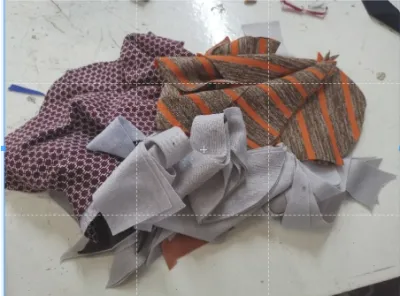
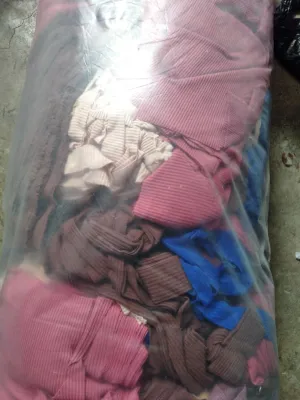
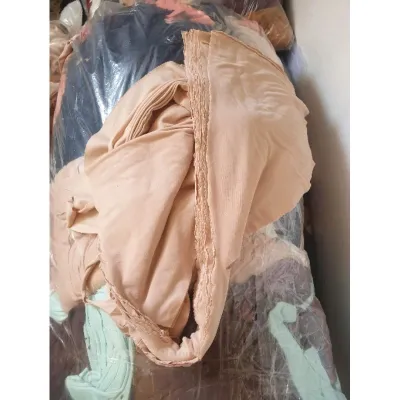
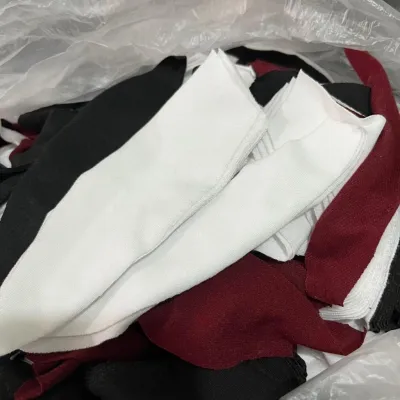
When you purchase a bundle of retaso tela per kilo, you are buying the leftover pieces generated during commercial textile production and garment manufacturing. The primary sources of these remnants include garment factory offcuts, tailor shop leftovers, and end-of-roll pieces that are too short to be sold through standard retail channels. Because these pieces are gathered from various production lines, a single kilogram can contain a highly diverse assortment of textiles.
Products mentioned in this guide
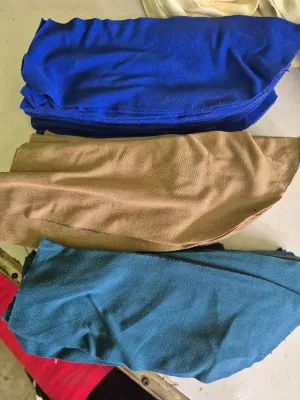
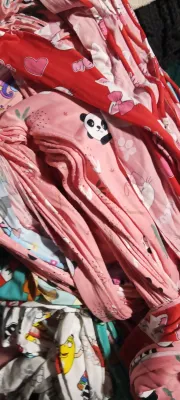
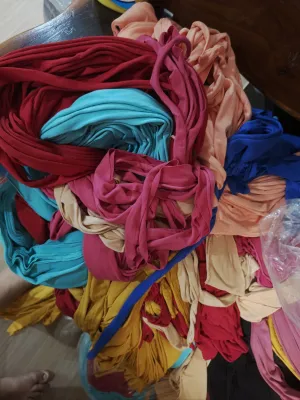
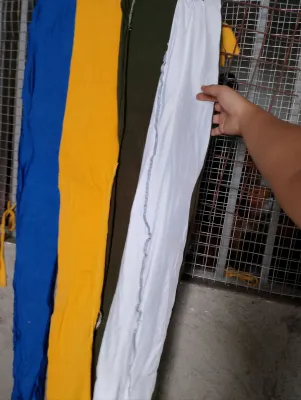
Prices are valid at publication and may change. Please refer to the product page for the latest price.
The physical dimensions of the fabric pieces in a bundle can vary significantly. You might find small, hand-sized patchwork squares at one end of the spectrum, and larger, highly usable sheets measuring up to a meter or more at the other. The shape of the pieces is rarely uniform; expect to see long, narrow strips, triangular offcuts, and irregular polygons alongside standard rectangular remnants.
The fabric types included in a bundle depend heavily on how the seller sources and prepares their inventory. Some sellers offer completely unsorted bundles, often referred to as “halo-halo,” which can contain a mix of cotton, jersey knit, canvas, linen, polyester, satin, and rayon. Other sellers pre-sort their stock, grouping remnants by fabric category, weight, or color family. Pre-sorted bundles are highly convenient but typically carry a slightly higher price per kilogram than completely mixed assortments.
Quality Variations and What to Inspect Before Buying
Because retaso tela consists of manufacturing leftovers, the quality of the fabric can vary from piece to piece. Minor manufacturing imperfections are common. You may encounter misprints, uneven dye lots, slight weaving flaws, or factory markings made with tailor’s chalk or stamps. While many of these flaws can be cut around or washed out, they do reduce the total usable area of the fabric.

Inspecting the structural integrity of the fabric is crucial before starting any project. Check the edges of the pieces for excessive fraying, small tears, or holes left by industrial sewing machines or cutting tools. Additionally, inspect the fabric for storage-related issues such as dust buildup, water stains, or weakened fibers along the fold lines, which can occur when remnants are stored in humid warehouse conditions.
To determine the true value of a bundle, you must evaluate the usable area versus the gross weight. A simple way to do this is to lay the pieces flat and identify the grainline of each scrap. If a piece is highly irregular or heavily damaged along the edges, the actual fabric you can use for your patterns may only be a fraction of the total weight. Deducting these unusable sections from your calculations will give you a realistic picture of your yield.
How to Evaluate if Retaso Tela Per Kilo Is Right for Your Project
Weight-based fabric scraps are exceptionally well-suited for specific types of sewing and crafting projects. They are ideal for creating small accessories such as hair scrunchies, coin purses, tote bags, face masks, doll clothes, and patchwork quilts. They are also highly practical for making household utility items like cleaning rags, pot holders, and seat cushions, where exact color matching and pristine fabric consistency are not critical.
However, using fabric scraps involves a clear trade-off between upfront cost savings and the time required to prepare the material. While you will pay significantly less per kilogram than you would per meter of new fabric, you must invest time in sorting, washing, ironing, and strategically placing your patterns to work around odd shapes and minor flaws. If your time is limited, the labor involved in prepping scraps might outweigh the financial savings.
There are several scenarios where buying retaso tela per kilo should be avoided. If your project requires continuous yardage, such as a full-length dress, large curtains, or upholstery for a large sofa, scraps will not work. Similarly, if your project demands exact color matching across multiple pieces or a highly specific fabric weight and fiber content, purchasing standard retail fabric by the meter is a much safer and more reliable option.
Practical Tips for Sourcing and Preparing Fabric Scraps
When sourcing retaso tela from local textile hubs like Taytay or Divisoria, or when browsing online marketplaces, clear communication with the seller is key. Ask specific questions about the average size of the pieces in the bundle and whether the fabric is woven or knit. If you have a specific project in mind, ask if they offer bundles sorted by material type, such as “pure cotton” or “pure knits,” to avoid receiving fabrics you cannot use.
Once you bring your fabric scraps home, thorough preparation is essential. Remnants often carry factory finishes, chemical sizing, and dust from storage. Pre-washing the scraps in water is critical to remove these impurities, check for color bleeding, and allow the fibers to shrink before you cut your patterns. After washing, press each piece flat with an iron; this step is vital for revealing the true shape, size, and drape of each scrap.
Organizing your sorted scraps will save you hours of frustration during future projects. Group your prepared remnants by fabric weight and type, keeping knits separate from woven cottons and heavy canvas. Store them in clear, labeled plastic bins to protect them from dust and tropical humidity, making it easy to see your inventory at a glance when inspiration strikes.
Frequently Asked Questions (FAQ)
Can I request specific fabric types when buying retaso tela per kilo?
Your ability to select specific fabric types depends entirely on the seller’s business model. Wholesale sellers and large warehouse dealers typically sell pre-packaged, assorted bundles where customization is not permitted. However, many specialized retail sellers offer pre-sorted bundles categorized by material, such as all-cotton, all-jersey, or all-canvas. While these sorted bundles cost more per kilogram than mixed assortments, they allow you to target the exact fabric type needed for your specific projects.
How do I calculate the actual cost per meter from a kilo price?
To estimate the equivalent cost per meter from a price per kilo, you need to know the approximate weight of a standard meter of the fabric type you are using. For example, a lightweight woven cotton fabric typically weighs about 150 to 200 grams per linear meter. This means one kilogram of this fabric would yield approximately 5 to 6 meters of material. By dividing the price per kilo (for example, ₱150) by the estimated number of meters (5 meters), you can estimate the cost at roughly ₱30 per meter. Keep in mind that irregular shapes and unusable damaged areas will reduce this yield, making the actual cost per usable meter slightly higher than your estimate.

Community discussion
Share your experience or ask a question. Comments are reviewed before publication.