
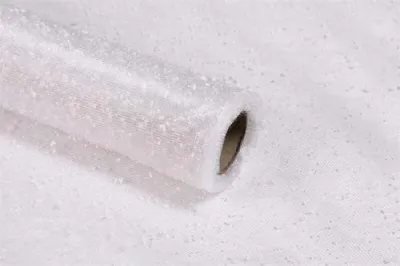
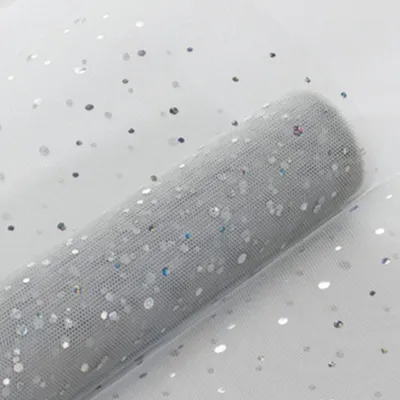
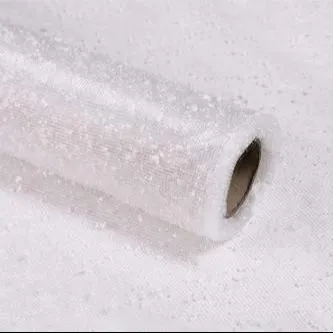
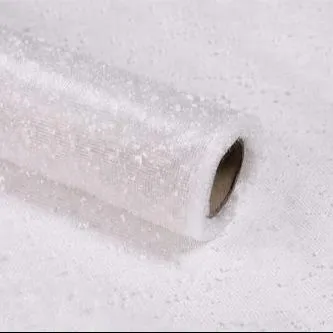
Snow dot gauze has become a staple in modern floral design, transforming simple flower arrangements into elegant, visually captivating gifts. This lightweight, semi-sheer fabric is characterized by its delicate mesh base adorned with small, raised white or colored dots that mimic the appearance of gently falling snow. Florists and DIY crafters favor this material because it adds instant texture, volume, and a romantic, airy aesthetic to bouquets without overshadowing the natural beauty of the blooms. Whether you are preparing a gift for a special occasion or styling arrangements for an event, understanding the unique properties of this wrapping material will help you achieve professional-looking results.
What Is Snow Dot Gauze Material?
To select the best wrapping supplies for your projects, it helps to understand what snow dot gauze is made of and how it is manufactured. The base fabric of this material is typically a fine, sheer mesh woven from synthetic fibers such as polyester, nylon, or organza. Polyester is the most common choice because of its durability, resistance to wrinkling, and ability to withstand moisture without losing its shape. This synthetic composition ensures that the gauze remains lightweight and translucent while providing enough tensile strength to hold its form when folded or gathered.
The defining feature of this material—the “snow dots”—is applied using one of three primary methods: flocking, printing, or weaving. Flocked dots are the most popular; this process involves applying tiny, fuzzy synthetic fibers onto the mesh base using a specialized adhesive, creating a soft, velvet-like texture that stands out prominently against the smooth background. Printed dots are created using thick, opaque inks that dry into smooth, raised bumps, offering a clean and uniform look. Woven dots are integrated directly into the mesh during the weaving process, resulting in a highly durable pattern that is completely flat and seamless.
Products mentioned in this guide
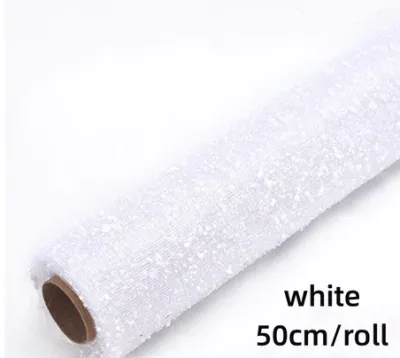
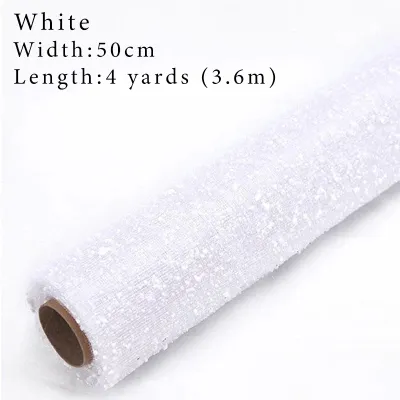
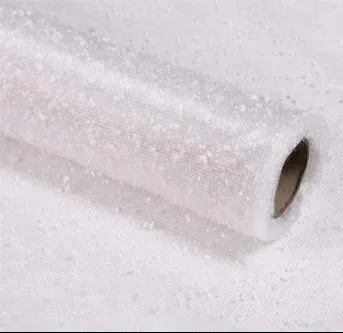
Prices are valid at publication and may change. Please refer to the product page for the latest price.
When handling snow dot gauze, you will immediately notice the tactile contrast between the sheer, smooth base fabric and the raised, textured dots. The translucency of the mesh allows light to pass through, creating a soft-focus effect that beautifully showcases whatever lies beneath it. This unique combination of sheer space and solid, textured points gives the material its signature whimsical appearance, making it highly sought after for modern gift presentation.
Why It Is Popular for Floral Arrangements
One of the main reasons florists prefer snow dot gauze over traditional wrapping materials is the incredible visual depth it brings to an arrangement. Flat, opaque wrapping papers can sometimes make a bouquet look heavy or two-dimensional. In contrast, the semi-sheer nature of snow dot gauze allows the vibrant colors of the flower stems, foliage, and inner wrapping layers to peek through. This layering effect creates a soft transition between the flowers and the outer packaging, making the entire presentation feel more cohesive and integrated.

The material also interacts beautifully with light. When natural sunlight or warm indoor event lighting passes through the translucent mesh, it diffuses the light softly around the blooms. This diffusion minimizes harsh shadows within the bouquet and highlights the delicate contours of the petals. The opaque snow dots catch the light differently than the sheer base, adding a subtle, sparkling contrast that makes the arrangement look fresh and luminous from every angle.
Additionally, snow dot gauze offers exceptional flexibility and drape. Unlike stiff paper that creases permanently when folded, this fabric-like gauze can be easily gathered, ruffled, or pleated into voluminous shapes. It allows you to create soft, cloud-like collars around delicate flowers like roses, tulips, or carnations. This pliability makes it easy to build dramatic, multi-layered ruffles that hold their volume over time, giving even small bouquets a grand, luxurious presence.
How to Select the Right Roll for Your Bouquets
When shopping for snow dot gauze, you will find it sold in rolls of varying dimensions, densities, and finishes. Standard rolls typically range in width from 28 centimeters to 50 centimeters, with lengths spanning from 4 to 10 meters. For medium to large hand-tied bouquets, a width of 30 to 45 centimeters is generally ideal, as it provides ample coverage to wrap around the circumference of the arrangement without requiring excessive folding or cutting.
Pay close attention to the density and size of the dots, as well as the color coordination of the roll. High-density patterns with closely spaced dots create a snowy, winter-themed backdrop that works exceptionally well with deep red roses or dark foliage. Sparse, smaller dots offer a more delicate, minimalist accent suitable for pastel-colored spring arrangements. While classic white dots on a neutral or pastel mesh are the most versatile, you can also find monochromatic options where the dots match the color of the mesh, or metallic dots that add a touch of festive shimmer.
Another critical factor to consider is the edge finish of the gauze. Many rolls feature raw, heat-cut edges, which are lightweight and cost-effective but can be prone to minor fraying if handled excessively. If you need more structural support for your ruffles, look for rolls with hemmed or wired edges. Wired edges contain a very thin, flexible wire along the borders, allowing you to sculpt dramatic waves and curls that stay firmly in place even during transport.
Finally, verify the thickness and stiffness of the material before purchasing. You can do this by checking the product specifications for weight—often measured in grams per square meter—or by requesting a sample swatch from your supplier. A stiffer, heavier gauze is excellent for creating structured outer layers that protect the bouquet, while a softer, thinner gauze is better suited for delicate inner ruffles and soft gathers.
Wrapping Techniques and Material Limitations
To get the most out of your snow dot gauze, it is helpful to master a few basic folding techniques. The most popular style is the accordion pleat, where you fold the gauze back and forth in even increments before securing it around the base of the stems. This technique maximizes the visibility of the dot pattern and creates a structured, fan-like collar. Another elegant method is the soft gather, where you simply bunch the gauze loosely around the bouquet to create a cloud of ruffles.
While snow dot gauze is highly versatile, it does have physical limitations that you must manage to avoid ruining your presentation. Because of its mesh construction, the material is susceptible to snagging and fraying. Always use extremely sharp floral shears or fabric scissors when cutting the gauze; dull blades will pull the threads and cause the edges to unravel. Avoid pulling the material too tightly around sharp stem ends or thorns, as excessive tension can distort the mesh or cause it to tear.
Moisture management is another crucial consideration, especially in warm, humid climates. While the synthetic fibers of the gauze are water-resistant, the adhesives used to attach flocked or glued dots can sometimes soften if exposed to direct moisture for prolonged periods. To protect the gauze, always dry the outer stems of your bouquet thoroughly before wrapping. If you are using wet floral foam or water tubes to keep the flowers fresh, wrap those elements in a waterproof plastic sheet or cellophane liner first to prevent water from seeping into the decorative gauze.
Because snow dot gauze is highly translucent and lightweight, it lacks the structural rigidity to support heavy, top-heavy bouquets on its own. For best results, use it as an outer decorative layer in combination with a sturdier backing paper. Combining the gauze with a solid, waterproof matte plastic sheet or thick kraft paper provides the necessary structural foundation to keep the bouquet upright while allowing the delicate, snowy texture of the gauze to shine on the exterior.
Frequently Asked Questions (FAQ)
Can snow dot gauze be reused for multiple bouquets?
Yes, snow dot gauze can often be reused if it is handled gently and stored correctly. Because it is made of durable synthetic fibers like polyester, it does not crease permanently like paper wrapping. However, you must inspect the cut edges for fraying after untying the bouquet. If the edges have started to unravel, you can trim them cleanly with sharp scissors. To store the material for future use, roll it loosely around a cardboard tube rather than folding it, which helps prevent stubborn creases and preserves the natural drape of the fabric.
Does the textured dot pattern shed or peel over time?
Some minor shedding is normal, particularly with flocked snow dot gauze where tiny fibers are attached with adhesive. During the wrapping process, friction from your hands or contact with other wrapping layers may cause a few loose fibers to fall off. To minimize shedding and prevent the dots from peeling, avoid rubbing the surface of the material excessively. Store your rolls in a cool, dry place away from direct sunlight and high humidity, as extreme heat and moisture can weaken the adhesives over time.

Community discussion
Share your experience or ask a question. Comments are reviewed before publication.