
Selecting the right bingo dauber marker depends on balancing who is using the marker, where the activity takes place, and how permanent you want the marks to be. For children’s activities, classroom games, and casual home crafts, washable and non-toxic water-based inks are the safest and most practical choices because they wash out of most fabrics and off skin. For competitive adult bingo halls, outdoor community events, or permanent craft projects, permanent or highly water-resistant inks are necessary to prevent smudging on glossy cards, though they require careful handling and protective barriers to prevent permanent stains. Understanding these ink formulations ensures you choose a marker that delivers vibrant color without leaving behind a difficult cleanup job.
Decoding Washable, Non-Toxic, and Permanent Ink Formulations
To make an informed purchase, you must first understand what manufacturers mean by “washable,” “non-toxic,” and “permanent.” These terms describe entirely different chemical properties and safety standards. Washable inks are typically water-soluble formulations designed to dissolve easily when exposed to water and mild soap. This makes them highly forgiving on skin, clothing, and household surfaces, though they are prone to smearing if they come into contact with sweat, high humidity, or spilled liquids.
In contrast, a “non-toxic” label is a safety designation rather than a cleaning guarantee. Non-toxic inks are formulated without harmful chemicals, heavy metals, or toxic solvents, making them safe for accidental ingestion or inhalation during normal use. However, a non-toxic ink can still be highly permanent; many permanent markers carry non-toxic certifications because their dried pigments do not pose acute health hazards, even though they will permanently stain fabrics and wood.
Products mentioned in this guide
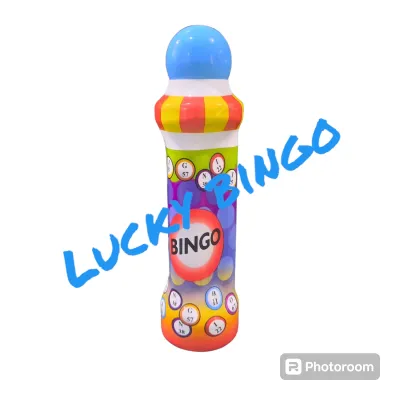
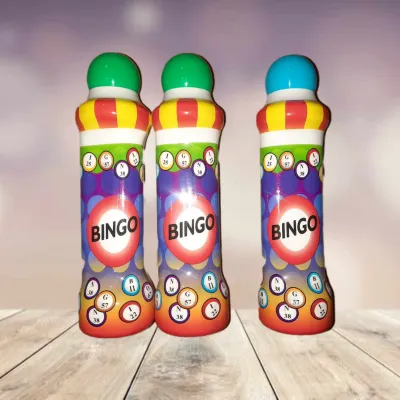
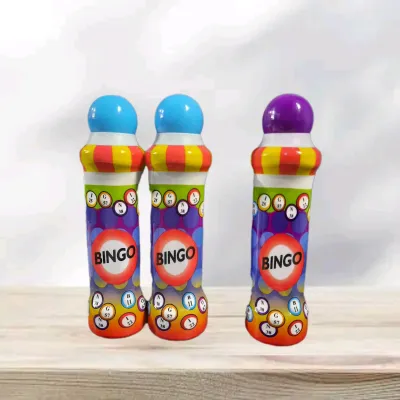
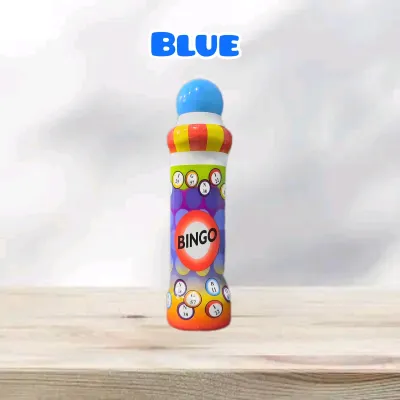
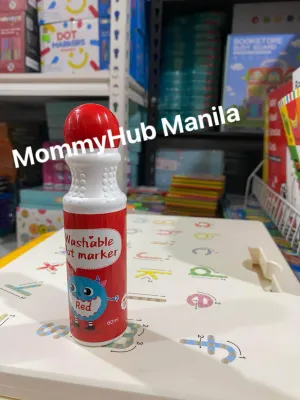
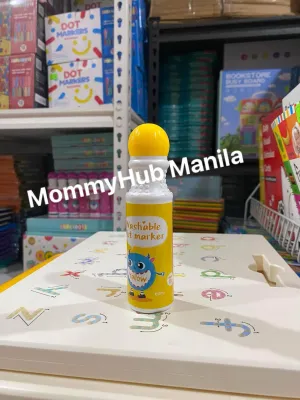
Prices are valid at publication and may change. Please refer to the product page for the latest price.
Permanent inks are engineered to bind chemically or physically to a wide variety of surfaces, including paper, plastic, glass, and metal. These formulations are typically alcohol-based or solvent-based, allowing them to resist water and friction once dry. While they offer excellent opacity and vibrant color payoff, they also carry a higher risk of bleeding through standard paper and require specific solvents, such as isopropyl alcohol or specialized stain removers, for cleanup.
When comparing these formulations, you must weigh the trade-offs between color intensity and ease of cleaning. Washable inks often appear slightly less opaque or may bead up on non-porous surfaces, whereas permanent inks provide solid, uniform coverage but demand strict supervision and surface protection.
Matching the Right Ink to Your Activity and Environment
Choosing the right bingo dauber marker requires matching the ink’s physical properties to your specific environment. Factors such as tropical humidity, the age of the participants, and the type of paper or cardstock used will dictate whether you should prioritize easy cleanup or smudge-proof durability.

Kids' Crafts and Classroom Bingo
In classrooms, daycare centers, or home play areas, minimizing mess is usually the top priority. For these high-traffic environments, washable and certified non-toxic bingo dauber markers are the standard recommendation. Children frequently get ink on their hands, faces, and clothing, so having an ink that releases easily with warm water and soap saves significant cleanup time.
Before purchasing markers in bulk for a classroom or community event, always check the product packaging for specific fabric cleanup instructions. Some washable inks are formulated to wash out of cotton and polyester blends but may still stain delicate materials like silk or unsealed wood. If you are budgeting around ₱150 to ₱300 for a pack of markers on an online marketplace, verifying these cleaning instructions beforehand prevents unexpected replacement costs for ruined clothing.
Additionally, keep in mind that washable inks have distinct limitations on glossy, plastic, or laminated surfaces. Because these inks rely on water as a carrier, they require a porous surface like standard paper to dry properly. On glossy bingo cards or plastic sheets, washable ink may bead up, smear easily, or fail to dry entirely, which can lead to messy hands and ruined game cards.
Adult Bingo Halls and Permanent Craft Marking
For serious players in local bingo halls or community centers, smudge-proof performance is essential. Official bingo cards are often printed on thin, newsprint-style paper or coated glossy sheets that require quick-drying, water-resistant inks. In these fast-paced environments, a smudge can ruin a winning card, making permanent or semi-permanent daubers the preferred choice.
When using permanent or solvent-based markers indoors, especially in crowded or poorly ventilated spaces, ensure there is adequate airflow. Solvent-based inks can release mild fumes that may cause discomfort during long playing sessions. It is also wise to protect tables with plastic covers or scrap paper, as permanent ink can easily seep through thin bingo cards and stain wooden or plastic furniture.
The interaction between permanent ink and paper weight is a critical consideration. Because permanent inks are designed to penetrate fibers deeply to resist water, they are highly prone to bleeding through standard paper. If you are using these markers for crafts, scrapbooking, or thin paper bingo sheets, always test the marker on a sample sheet first to verify if it bleeds through to the underlying surface.
How to Verify Safety and Cleanup Claims on Product Labels
Reading stationery labels requires a critical eye, as marketing terms can sometimes be misleading. A common mistake is assuming that “non-toxic” and “washable” mean the same thing. To protect your surfaces and the safety of the users, you must learn to verify these claims directly on the packaging.
Look for recognized safety standards and certifications on the marker barrel or box. For example, art materials often carry certifications like the AP (Approved Product) seal from the Art and Creative Materials Institute (ACMI), which indicates the product has been evaluated by a toxicologist and contains no materials in sufficient quantities to be toxic or injurious to humans. However, this certification does not mean the ink is skin-safe for cosmetic use, nor does it guarantee that the ink will wash out of clothing.
Always read the manufacturer’s instructions for surface compatibility and recommended cleanup agents. True washable markers will explicitly state “washable from skin and most machine-washable clothing” and outline the specific washing conditions required, such as using warm water without pre-treatment. If a label simply says “water-based,” do not assume it is washable; many water-based acrylic inks become highly water-resistant and permanent once they dry.
Finally, pay close attention to age restrictions and warnings. Many dauber markers are rated for children aged three and older due to small parts like caps, which can present choking hazards. Never assume an ink is safe for deliberate skin painting or cosmetic applications unless it is explicitly labeled as cosmetic-grade or skin-safe.
Practical Maintenance and Storage Tips for Dauber Markers
Proper maintenance and storage can significantly extend the lifespan of your bingo dauber markers, prevent the foam tips from drying out, and avoid messy leaks. Because daubers rely on a large reservoir of liquid ink feeding a porous sponge tip, how you store them directly affects their performance.
Store your dauber markers horizontally or vertically with the tip pointing downward. Storing them tip-down ensures the sponge tip remains saturated and ready for immediate use, which is especially helpful in dry or air-conditioned rooms. However, if you notice the markers tend to leak or pool ink in the cap, switching to horizontal storage is a reliable way to balance ink distribution without drying out the tip.
If you need to clean ink from skin or hard surfaces, act quickly before the ink dries completely. For water-based and washable inks, flushing the area with cold water and mild soap is usually sufficient. For permanent ink on skin, applying a small amount of rubbing alcohol, hand sanitizer, or baby oil to a cotton pad can help break down the solvent-based pigments. For hard surfaces like plastic tables, a mild abrasive cleaner or isopropyl alcohol can remove stubborn permanent stains, but always test a small, inconspicuous area first to ensure it does not damage the surface finish.
Knowing when to discard a marker is also important for maintaining a clean crafting or gaming experience. If a dauber tip becomes severely frayed, clogged with paper fibers, or shows signs of mold growth due to high tropical humidity, it should be discarded. Unusual odors or a complete loss of ink flow that cannot be revived by gently pressing the tip onto a scrap piece of paper are also clear indicators that it is time to replace the marker. Always ensure the caps are clicked securely into place immediately after each use to prevent premature drying.
Frequently Asked Questions (FAQ)
Can I use permanent bingo daubers on regular paper without bleed-through?
Permanent bingo daubers are highly likely to bleed through standard, thin paper because their solvent-based inks are designed to penetrate fibers deeply. To prevent damage to your desk or table, always use heavy cardstock, specialized thick bingo paper, or place a protective plastic barrier or scrap cardboard underneath your work surface.
Are all non-toxic bingo daubers safe for direct skin contact?
No, a non-toxic certification only means the ink does not pose acute health hazards if accidentally inhaled or ingested in small amounts during normal use. It does not guarantee that the ink is hypoallergenic or safe for prolonged skin contact. For body or face painting, only use markers explicitly labeled as cosmetic-grade or skin-safe.
How do I effectively remove washable dauber ink from clothing?
To remove washable ink, flush the stained fabric with cold water from the reverse side immediately to push the pigment out of the fibers. Avoid using hot water or drying the garment before the stain is completely gone, as heat can permanently set the ink. Wash the item according to its care label using a standard laundry detergent, and repeat the process if any faint residue remains.

Community discussion
Share your experience or ask a question. Comments are reviewed before publication.