
Choosing your very first painting set is an exciting milestone, but standing in front of the art supply aisle can quickly feel overwhelming. There is no single “best” paint medium for beginners; the right choice depends entirely on your workspace constraints, cleanup tolerance, and artistic goals. By evaluating how you work, where you paint, and what visual effects you want to achieve, you can select a medium that brings joy rather than frustration to your creative process.
To make an informed purchasing decision, it helps to look beyond the colorful tubes of paint. Your daily environment, your patience for cleaning brushes, and your budget for supporting materials all play a massive role in your long-term enjoyment of the craft. This guide breaks down watercolor, acrylic, and oil paints across these practical categories to help you find your perfect match.
Assess Your Workspace and Cleanup Tolerance
Your physical painting environment is the most practical starting point when choosing a medium. If you live in a compact space, such as a studio condo in Metro Manila, or share your living area with family members, ventilation is a primary safety and comfort consideration. Oil painting traditionally requires solvents like mineral spirits or turpentine to thin the paint and clean brushes, which release strong, volatile organic compounds (VOCs). If you cannot paint near a large open window or on an open-air terrace, water-based mediums like watercolor and acrylic are much safer and more comfortable options because they only require water for thinning and cleanup.
Products mentioned in this guide
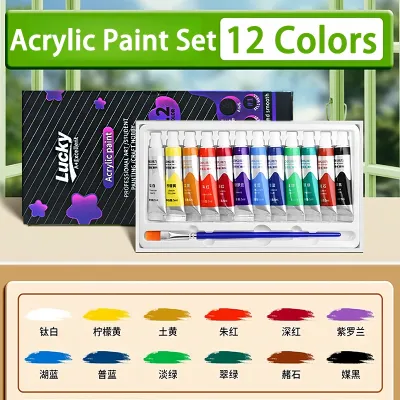
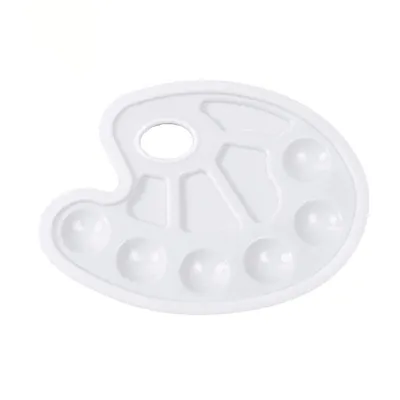
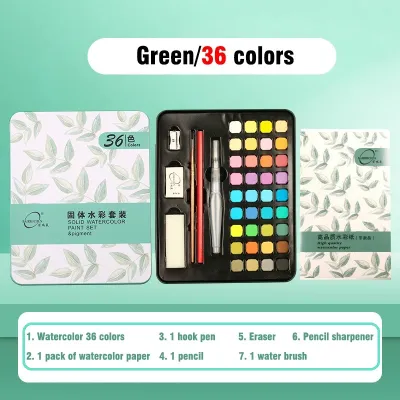
Prices are valid at publication and may change. Please refer to the product page for the latest price.
Workspace requirements also depend heavily on drying times and storage. In tropical climates with high relative humidity, drying behaviors can vary significantly. Acrylic paint dries incredibly fast—often within minutes—which means you can pack your finished work away almost immediately. Watercolors also dry rapidly as the water evaporates from the paper. Oil paint, however, dries through oxidation rather than evaporation, a chemical process that takes anywhere from several days to several weeks. If you choose oils, you must have a dedicated, dust-free area where your wet canvases can sit undisturbed without being bumped by pets or family members.
Cleanup is another area where beginner preferences diverge. Watercolor is by far the most forgiving medium to clean; dried paint on your palette can simply be reactivated with water, and brushes rinse clean in seconds. Acrylics require immediate discipline because the paint dries into a water-resistant plastic film. If you let acrylic paint dry on your brushes, it will ruin the bristles permanently, and cleaning a dried palette requires peeling the paint off or scrubbing vigorously. Oils demand the most intensive cleanup routine, requiring specialized brush soaps, careful handling of oily rags to prevent combustion risks, and a systematic way to store or dispose of solvents.
Define Your Artistic Goals and Painting Style
Each paint medium has inherent physical properties that dictate the visual style of your finished artwork. Watercolors are celebrated for their transparency and luminosity. Because the paint is highly diluted, the white of the paper shines through the pigment, creating delicate washes, soft gradients, and organic textures. If you are drawn to delicate illustrations, atmospheric landscapes, or journal sketching, watercolor is an excellent fit. However, its transparency makes it difficult to correct mistakes; once a dark pigment is applied to the paper, you cannot easily cover it with a lighter color.

If you prefer bold, vibrant colors and want the ability to paint over your mistakes, acrylics offer incredible versatility. Acrylic paint is highly opaque, meaning you can easily paint light yellow over a dark blue background once the first layer is dry. This fast drying time allows you to build up layers quickly, making it ideal for graphic styles, modern abstract art, and projects where you want to see immediate results. The trade-off is that blending colors smoothly can be challenging because the paint dries on the canvas before you can easily work the edges together.
For artists who dream of rich, seamless color transitions, classical realism, or thick, textured brushstrokes, oil paint is the traditional standard. Because oils remain wet and workable for days, you can take your time blending soft skin tones, realistic clouds, or subtle shadows directly on the canvas. If you make a mistake, you can simply scrape the wet paint off with a palette knife or wipe it away with a rag and start over. This slow pace encourages a deliberate, meditative approach to painting that many beginners find deeply satisfying.
Evaluate Budget and Equipment Requirements
Your initial financial investment extends far beyond the paint tubes themselves, as each medium requires specific surfaces, brushes, and accessories to perform correctly. Watercolor requires thick, absorbent paper to prevent warping and buckling. When shopping, look for paper labeled at least 300 gsm (grams per square meter), preferably made of cotton, to ensure it can handle heavy water washes without tearing. Watercolor brushes are designed with soft, absorbent bristles—either natural hair or high-quality synthetic alternatives—that can hold a significant amount of water and maintain a sharp point.
Acrylics are highly adaptable and can be painted on almost any surface, including canvas, wood, heavy paper, cardboard, or even terracotta pots. This makes the surface cost for acrylics highly flexible. However, because acrylic paint is heavy and abrasive, you will need durable synthetic brushes that can withstand the friction and hold their shape. You may also want to invest in a stay-wet palette, which uses a damp sponge layer to keep your acrylic paints from drying out while you work.
Oil painting generally carries the highest entry cost. Oils cannot be painted directly onto raw paper or canvas because the oil binder will eventually rot the fibers; you must purchase pre-primed canvases or apply gesso to your surfaces first. You will also need to purchase painting mediums (such as linseed oil) to adjust the paint consistency, odorless mineral spirits for cleaning, a sturdy glass or wooden palette, and stiff brushes (like hog bristle or durable synthetics) capable of moving the thick paint. A basic student-grade watercolor set might cost around ₱300, whereas a complete oil painting starter kit with canvases, solvents, and mediums can easily exceed ₱2,500.
Match Your Profile to the Right Paint Medium
To finalize your decision, match your personal habits and living situation to one of these three beginner profiles:
- The Watercolor Beginner: You have limited space, paint at a small desk or dining table, and need to pack everything away quickly. You enjoy delicate, transparent art styles and do not mind working with a medium that requires patience and embraces happy accidents. Your startup budget is modest, and you prefer a quick, water-only cleanup.
- The Acrylic Beginner: You want a versatile, fast-drying paint that allows you to correct mistakes instantly by painting over them. You want to paint on various surfaces like canvas boards, wood, or crafts, and you prefer vibrant, opaque colors. You have a moderate budget and do not mind washing your brushes immediately after every session.
- The Oil Beginner: You have a dedicated creative space with excellent ventilation where wet canvases can dry safely for weeks. You love the idea of slow, deliberate blending, rich textures, and classical painting techniques. You are willing to invest in extra tools, solvents, and primed canvases, and you do not mind a more involved cleanup routine.
Frequently Asked Questions (FAQ)
Can I mix different paint mediums in one painting?
As a general rule, you should not mix water-based and oil-based paints directly on your palette because water and oil naturally repel each other. However, you can use them in layers if you follow the correct order. You can paint oil colors over dried acrylic paint, which is a common technique used to create fast underpaintings. You must never paint acrylics over oil paint, as the acrylic layer will fail to adhere to the oily surface and will eventually crack and peel off. Always check the manufacturer labels on your paint tubes to verify compatibility before attempting mixed-media projects.
Should I buy student-grade or professional-grade paints for my first set?
For your very first painting set, student-grade paints are highly recommended. They are much more affordable because manufacturers replace expensive organic pigments with synthetic alternatives and use more fillers. This lower cost allows you to practice, experiment, and make mistakes without feeling guilty about wasting expensive materials. As your skills progress and you learn how the paint behaves, you can gradually upgrade to professional-grade tubes for colors you use most frequently, which offer higher pigment concentrations, better lightfastness to resist fading under tropical sunlight, and smoother blending consistency.

Community discussion
Share your experience or ask a question. Comments are reviewed before publication.