
Choosing the right paint for your creative projects or your family’s art sessions comes down to three main factors: your desired visual finish, the surface you plan to paint on, and whether you need the paint to remain adjustable after it dries. Watercolor, acrylic, and gouache each offer distinct artistic properties, but their cleanup requirements and level of permanence vary significantly. While all three are water-based, their behavior on paper, canvas, and clothing is fundamentally different.
To make an informed decision, you must look beyond the basic color selection and understand how these mediums interact with water and surfaces. Watercolor provides delicate, transparent washes that let the paper shine through. Acrylic delivers a vibrant, durable layer that becomes highly water-resistant once dry. Gouache offers a velvety, opaque finish that combines the flat look of acrylic with the reworkable nature of watercolor. By matching these characteristics to your specific project goals, you can ensure a smooth painting experience and a successful final piece.
Understanding "Washable" in Water-Based Paints
When browsing art supplies on an online marketplace or at a local stationery store, the term “washable” can sometimes be misleading. It is essential to distinguish between standard water-based paints and specialized washable product lines. Standard artist-grade paints are water-soluble while wet, meaning you can easily thin them with water or clean your brushes in a jar. However, this does not automatically mean they will wash out of your favorite cotton shirt or off a wooden table once they dry.
Products mentioned in this guide
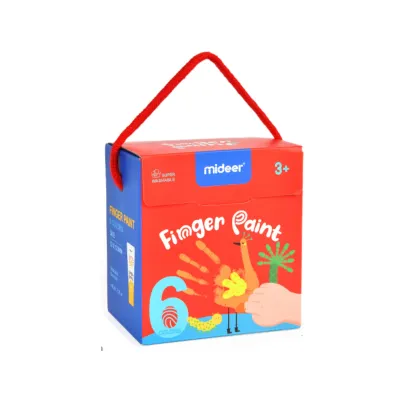
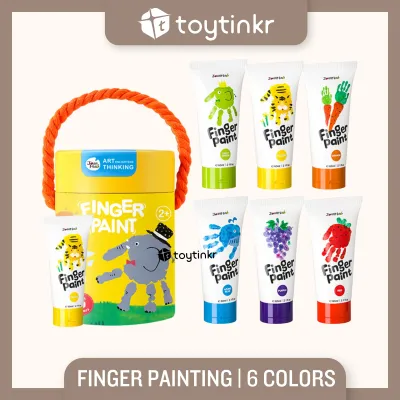
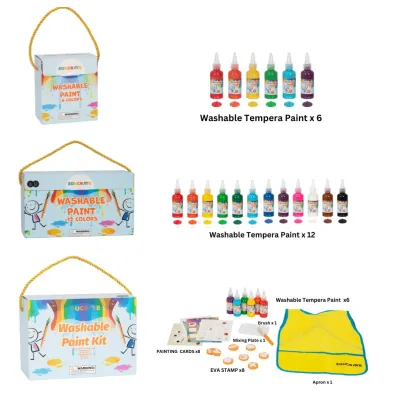
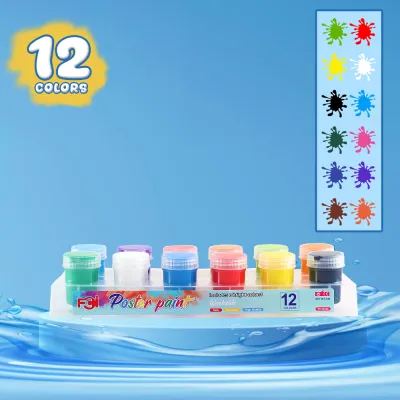
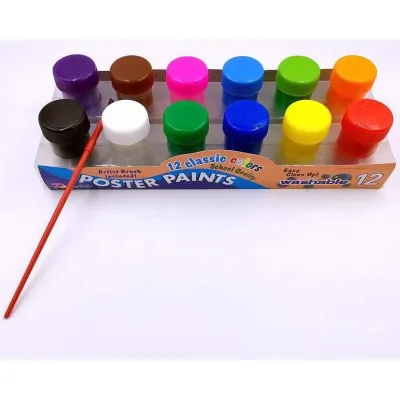
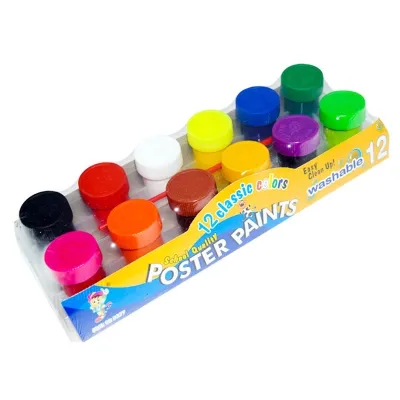
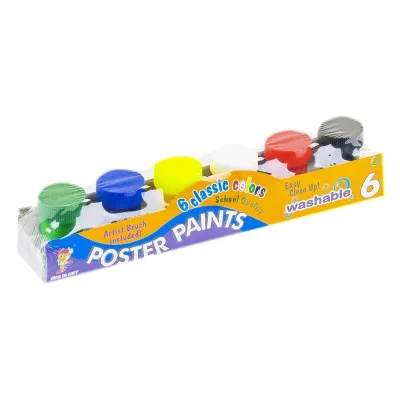
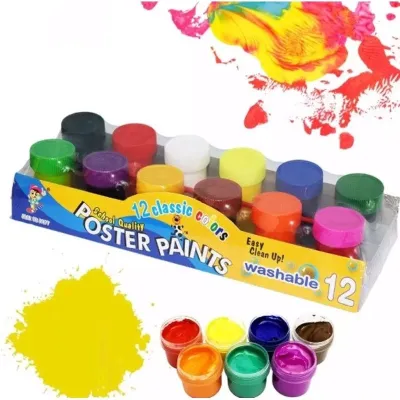
Prices are valid at publication and may change. Please refer to the product page for the latest price.
Specifically formulated washable paints contain unique binders designed to release pigments easily from skin and common household fabrics. In contrast, standard acrylic paint contains an acrylic polymer emulsion that dries into a permanent, flexible plastic film. Once this film cures, it becomes water-resistant and incredibly difficult to remove from clothing. Watercolor and gouache, which typically use gum arabic as a binder, remain water-soluble even after they dry on paper, but highly concentrated pigments can still leave lasting stains on porous fibers.
Ultimately, true washability depends on several variables, including the fabric type, the specific pigment used, and how quickly you treat the spill. Synthetic fabrics like polyester may release stains more readily than natural fibers like cotton or linen. For the most effective results, always treat paint spills immediately with cool water and mild soap before the pigment has a chance to set into the fibers.
Watercolor vs Acrylic vs Gouache: Core Characteristics
To choose the right medium, you need to understand how watercolor, acrylic, and gouache behave during and after the painting process. Their visual appeal, drying behavior, and compatibility with different surfaces stem from their unique formulations.

Watercolor is celebrated for its luminous transparency. When you apply watercolor to paper, the light passes through the pigment and reflects off the white surface underneath, creating a glowing effect. Because it uses a minimal amount of binder, you can easily reactivate dried watercolor on your palette or paper simply by adding a wet brush. This makes it highly forgiving for beginners who want to soften harsh lines or blend colors gradually. However, watercolor requires specialized, heavy-weight paper to prevent warping and bleeding.
Gouache is often described as an opaque watercolor. It contains a higher concentration of pigment and added inert white fillers, resulting in a flat, matte finish that completely hides the underlying surface. Like watercolor, gouache remains water-soluble after drying, allowing you to re-wet and rework your painting at any time. This quality makes it a favorite for illustrators and designers who need solid blocks of color and the ability to make precise corrections. However, because it remains water-reactive, applying multiple layers requires a delicate touch to avoid lifting the paint underneath.
Acrylic paint offers high durability and versatility. It can range from transparent glazes to thick, opaque impasto textures depending on how much water or medium you add. The defining characteristic of acrylic is its rapid drying time and absolute permanence once cured. In warm, humid tropical climates, acrylic can dry exceptionally fast, forming a water-resistant barrier that cannot be reactivated. This allows you to paint layer upon layer without disturbing the work underneath, and it enables you to paint on diverse surfaces such as canvas, wood, terracotta, and clay.
| Paint Type | Opacity Level | Reworkable When Dry? | Primary Surfaces | Washability Status (Wet vs. Dry) |
|---|---|---|---|---|
| Watercolor | Transparent | Yes | Watercolor paper, heavy cardstock | Washable when wet; may stain porous fabrics when dry |
| Gouache | Opaque (Matte) | Yes | Watercolor paper, heavy illustration board | Washable when wet; can often be reactivated and lightened when dry |
| Acrylic | Transparent to Opaque | No | Canvas, wood, paper, fabric, clay | Washable only when wet; permanent and water-resistant once dry |
Matching the Paint to Your Project and Skill Level
Selecting the right paint involves evaluating your creative goals, your working environment, and who will be using the materials. Each medium excels in different scenarios, and understanding these strengths will help you avoid frustration.
Choose watercolor if you prefer a portable, low-mess setup and want to explore delicate, fluid techniques. It is an excellent choice for sketching, journaling, and creating soft landscapes on paper. Because watercolor is easy to clean up with plain water and does not leave permanent stains on hard surfaces, it is highly suitable for casual home environments and quick creative sessions.
Choose acrylic if you want to create long-lasting art on canvas, customize home decor, or paint on non-paper crafts. If you are working on a school project that requires painting on wood or clay, acrylic is a reliable option because it will not smudge or run if it gets damp. However, because dried acrylic is permanent, you should take extra precautions to protect your workspace and wear protective clothing or an apron during use.
Choose gouache if you love bold, graphic illustrations, poster designs, or matte paintings with rich color depth. It bridges the gap between watercolor and acrylic, offering the high opacity of acrylic with the easy cleanup and reworkability of watercolor. It is ideal for artists who want to work in layers but still want the freedom to blend and correct their work hours or days later.
If your project requires painting outdoor murals, decorating clothing that will be washed repeatedly, or creating professional outdoor signage, standard water-based paints may not suffice. In these cases, you will need specialized formulations, such as dedicated fabric paints or weather-resistant outdoor acrylics, to ensure the design remains intact under harsh weather or machine washing.
Verifying Safety, Cleanup, and Product Labels
Before finalizing your purchase at a stationery store or online marketplace, always inspect the product packaging to ensure it aligns with your safety and cleanup expectations. This is particularly important if you are buying art supplies for young children, classroom settings, or shared household spaces where budgeting around ₱500 or more for quality materials requires making the right choice the first time.
Look for recognized non-toxic safety certifications and clear age recommendations on the label. Reliable manufacturers print safety seals indicating that the product has been evaluated by toxicologists and contains no harmful materials in sufficient quantities to be toxic to humans. If the paint is intended for children, ensure the packaging explicitly states it is suitable for their age group, as some professional-grade paints contain heavy metal pigments like cadmium or cobalt that require careful handling.
Do not assume that a label saying “water-based” automatically means “washable.” Look for explicit claims such as “ultra-washable” or “easily washes from skin and most children’s clothing.” Keep in mind that even certified washable paints can still stain highly porous materials, unfinished wood, or delicate fabrics like silk and wool. If you are concerned about staining, it is always wise to perform a small spot test on an inconspicuous area of the material before starting your main project.
Finally, review the manufacturer’s cleanup instructions on the back of the bottle or tube. Some washable lines recommend using warm water and soap immediately, while others may specify machine washing within a certain timeframe. Keeping these guidelines in mind ensures that your creative sessions remain enjoyable, productive, and stress-free.
Frequently Asked Questions (FAQ)
Can you mix watercolor, acrylic, and gouache together?
While you can technically combine these water-based paints, doing so alters their chemical properties and can lead to unpredictable results. Mixing acrylic paint with watercolor or gouache can cause the binders to clash, sometimes resulting in a clumpy or curdled texture on your palette. If you mix gouache and watercolor, they blend seamlessly because they share similar water-soluble binders, allowing you to create varying levels of opacity. If you want to combine acrylic with water-reactive paints, it is generally safer to layer them: paint with watercolor or gouache first, let it dry completely, and then apply acrylic details on top. Always test your paint mixtures on a scrap piece of paper first to observe how they dry and adhere.
How do you remove dried paint from clothing?
The removal process depends entirely on the type of paint and whether it has dried completely. Because watercolor and gouache remain water-soluble, you can often remove dried stains by soaking the garment in cool, soapy water and gently agitating the fabric to release the pigment. For dried acrylic paint, the task is much more challenging because the paint cures into a water-resistant plastic layer. To treat dried acrylic, try applying a small amount of rubbing alcohol or a specialized laundry stain remover to the spot, letting it sit for a few minutes, and then gently scraping the softened paint with a dull edge or toothbrush. Always check the garment’s care label before applying any cleaning agents, and act as quickly as possible while the paint is still wet for the best chance of complete removal.

Community discussion
Share your experience or ask a question. Comments are reviewed before publication.