
When choosing between wax-based and oil-based colored pencils, the “better” option depends entirely on your specific drawing style, layering technique, and desired finish. Neither binder is universally superior, but they offer vastly different tactile experiences and artistic results.
Wax-based colored pencils feature soft, creamy cores that glide effortlessly across the page, making them ideal for smooth blending, rich color laydown, and heavy burnishing. Because the wax binder is highly malleable, pigments melt into one another with ease, allowing you to create seamless gradients and solid, paint-like finishes without needing external solvents.
Oil-based colored pencils feature a much harder, more rigid core that excels at fine detail work, intricate textures, and precise, multi-layered techniques. The oil binder allows the pencil to hold a sharp point for extended periods, making it ideal for drawing fine lines like hair, fur, or architectural details, while also allowing you to build up dozens of translucent layers without clogging the paper’s texture.
Products mentioned in this guide
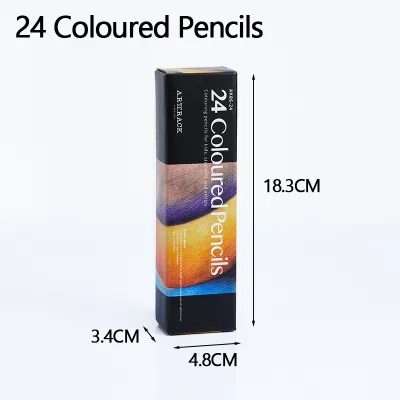
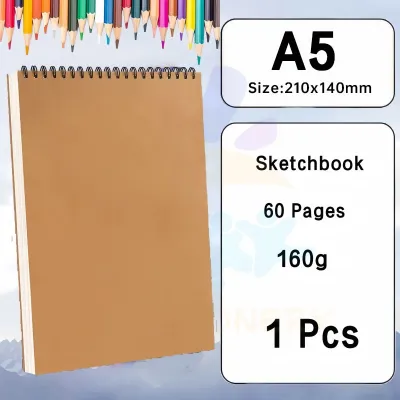
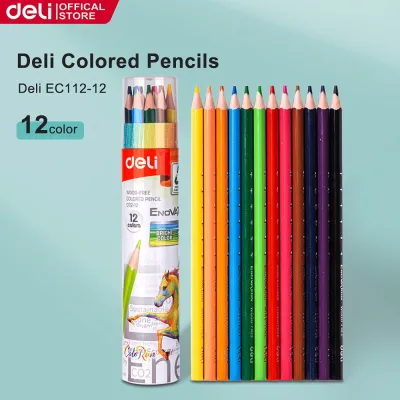
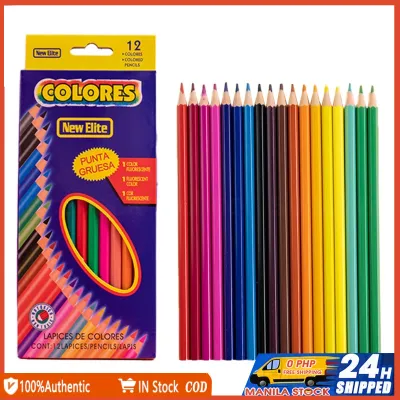
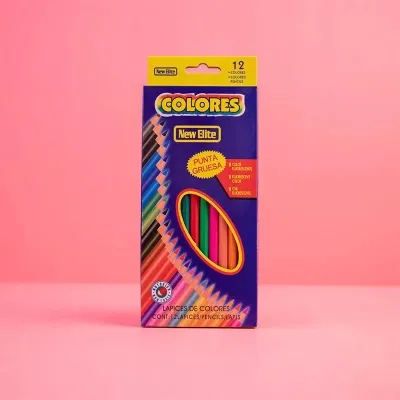
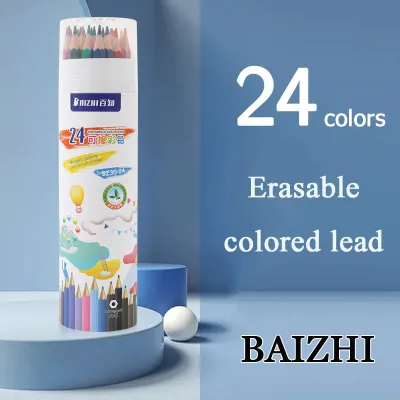
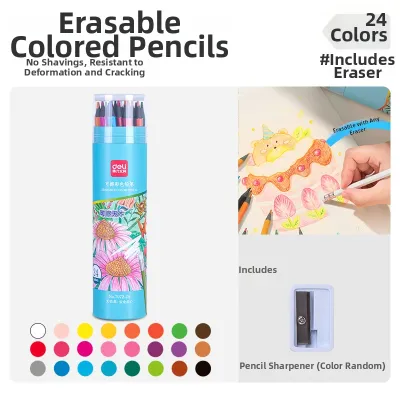
Prices are valid at publication and may change. Please refer to the product page for the latest price.
To help you decide quickly, consider these simplified guidelines:
- Choose wax-based pencils if you prefer a buttery feel, want to blend colors smoothly with minimal pressure, enjoy heavy color saturation, and do not mind occasionally managing a white, hazy residue known as wax bloom.
- Choose oil-based pencils if you work on highly detailed illustrations, prefer a firm and controlled drawing experience, want to build up many light, translucent layers, and require a long-lasting sharp point for fine lines.
The Binder Difference: Wax vs Oil Core Composition
To understand why these two types of colored pencils behave so differently, it is essential to look at what goes into a pencil core. Every colored pencil core is made from a mixture of three primary ingredients: finely ground color pigments, binding agents, and filler materials like clay or talc. The binder acts as the glue that holds the pigment particles together in a solid stick and allows them to adhere to the paper fibers when pressure is applied.
In wax-based colored pencils, the binder is primarily composed of paraffin wax, beeswax, or synthetic waxes. Waxes have a relatively low melting point and a soft, pliable physical structure, which gives the pencil core its signature “buttery” feel. When you draw with a wax pencil, the friction against the paper easily shears the soft binder, releasing a generous amount of pigment and wax onto the surface.
Oil-based colored pencils utilize vegetable oils, linseed oil, or dry mineral oils as their primary binding agent, though many formulations still include a tiny amount of wax for structural stability. Oils create a much tougher, more cohesive binder that does not break down as easily under friction. This results in a significantly harder core that resists crumbling, even when sharpened to a needle-like point.
The ratio of binder to pigment also plays a critical role in how the pencil performs, particularly when comparing student-grade and artist-grade options. Artist-grade pencils, whether wax- or oil-based, feature an exceptionally high concentration of premium pigments and minimal filler, resulting in rich, vibrant color laydown. Student-grade pencils, by contrast, contain more binder and cheap fillers, which can make even wax pencils feel scratchy, stiff, and dull on the page.
In warm and humid tropical environments, such as the climate of the Philippines, these binder differences become even more noticeable. High ambient temperatures can make soft wax cores even softer, sometimes leading to internal breakage if the pencils are dropped or handled roughly. Oil-based cores remain highly stable and consistent in their hardness regardless of local temperature fluctuations, offering a reliable feel year-round.
Blending and Layering: How Each Type Performs
The physical characteristics of wax and oil binders dictate how pigments interact when they meet on the paper. Understanding these behaviors allows you to choose the right tool for your preferred artistic method, whether you like to blend colors directly on the page or build up depth through gradual, translucent layers.

Wax-Based Pencils for Smooth Blending
The soft, pliable nature of wax binders makes them incredibly efficient for direct blending and color mixing on the page. When you apply a wax-based pencil, the thick layer of binder remains highly responsive to pressure, allowing you to physically smear, push, and blend different pigments into one another. This physical mixing mimics the behavior of pastel or oil paint, making it easy to create smooth, seamless gradients without requiring any chemical solvents or blending mediums.
One of the most popular techniques associated with wax pencils is burnishing, which involves applying heavy, firm pressure to fill the paper’s texture entirely. This process crushes the paper fibers and forces the thick wax layers to merge, creating a polished, glossy, and highly saturated finish that looks almost like a painting. This makes wax pencils highly forgiving and rewarding for beginners, as they can achieve professional-looking, solid color fields with relative ease.
However, because wax layers are thick and soft, they can sometimes become muddy if you try to mix too many contrasting colors together. The soft binder can easily lift or displace the underlying color rather than sitting cleanly on top of it. For this reason, wax blending is best suited for direct, wet-looking transitions and bold, opaque color applications where you want immediate visual impact.
Oil-Based Pencils for Precision Layering
Oil-based colored pencils operate on a completely different mechanical principle, prioritizing controlled, multi-layered depth over immediate, heavy blending. Because the oil binder creates a harder core, it deposits a much thinner, more translucent layer of pigment with each stroke. This allows you to employ a technique known as optical mixing, where you build up multiple layers of different colors on top of one another to let the viewer’s eye blend them naturally.
For example, applying a light layer of yellow over a light layer of blue with an oil pencil will create a rich, luminous green that has a unique depth and luminosity. Because the oil binder is firm and non-sticky, subsequent layers sit cleanly on top of previous ones without lifting, scraping, or muddying the colors underneath. This stability makes oil-based pencils the preferred choice for complex, highly detailed illustrations that require subtle color transitions and deep, realistic shading.
Furthermore, the hard core of an oil-based pencil holds its sharp point exceptionally well, allowing you to execute incredibly fine details with absolute precision. This makes them indispensable for rendering highly textured subjects such as animal fur, human hair, delicate botanical structures, and sharp architectural lines. While they require more patience to build up solid fields of color, the level of detail and control they offer is unmatched by softer wax alternatives.
Color Laydown, Texture, and Paper Tooth Interaction
The physical sensation of drawing is heavily influenced by how the pencil core interacts with the texture, or “tooth,” of your paper. When you drag a colored pencil across a page, the tiny valleys and peaks of the paper fibers act like a miniature grater, shaving off pigment and binder from the pencil core and trapping them in the paper’s grain.
Wax-based pencils offer a distinctively smooth, buttery, and silent glide across the paper, providing a highly satisfying tactile experience. However, because the soft wax binder releases pigment so generously, it fills up the paper’s tooth very quickly. Once the paper’s texture is completely saturated with wax, the surface becomes slick and glossy, losing its ability to grab any more pigment. This limits the total number of layers you can apply; trying to add more color on top of a saturated wax layer will simply result in the pencil sliding around without leaving a mark.
Oil-based pencils provide a much firmer, crisper feel, with a subtle tactile feedback that some artists describe as a clean glide. Because they deposit thin, controlled layers, they preserve the paper’s tooth for a much longer time. You can apply dozens of light layers before the paper fibers become fully saturated, allowing for incredibly complex color recipes and gradual value adjustments.
To get the best possible color laydown, it is crucial to match your pencil type to the specifications of your paper. If you prefer wax-based pencils, choosing a paper with a medium to heavy tooth—such as a textured sketch pad or cold-press watercolor paper—will allow you to apply multiple layers before the tooth is filled. For oil-based pencils, smoother surfaces like hot-press watercolor paper, smooth Bristol board, or fine-grain drawing paper are excellent, as they allow the hard, sharp point to glide smoothly and execute precise details without catching on heavy textures.
In the Philippines, the high relative humidity can soften paper fibers over time, making them more pliable and easily damaged by heavy pressure. When working in humid conditions, applying heavy pressure with wax pencils can sometimes warp or tear the softened paper fibers. Using a firm, light-pressure layering technique with oil-based pencils can help preserve the structural integrity of your paper, ensuring a clean, professional finish without accidental damage.
Archival Concerns: Managing Wax Bloom and Smudging
For artists who intend to sell their work, exhibit in galleries, or preserve their drawings for years to come, understanding the long-term stability of their materials is vital. Both wax and oil binders have unique archival characteristics that require proper handling and maintenance to ensure the longevity of the artwork.
The most notable archival challenge associated with wax-based colored pencils is a natural phenomenon known as “wax bloom.” Over time—typically within a few weeks to several months after a drawing is completed—the wax binder in heavily applied areas can slowly oxidize and migrate to the surface of the paper. This creates a hazy, white, or cloudy film over the drawing, dulling the vibrant colors and obscuring fine details, particularly in dark or heavily burnished areas.
Fortunately, wax bloom is entirely harmless, non-destructive, and highly reversible if managed correctly. To restore your drawing’s original vibrancy, you can gently wipe the surface with a soft, dry microfiber cloth or a clean cotton swab, using light pressure to buff away the cloudy residue. To prevent wax bloom from returning permanently, you should apply a high-quality, workable or final UV-resistant fixative spray over the completed artwork. The fixative seals the surface, locking the wax in place and protecting the pigment from UV degradation.
Oil-based colored pencils do not produce wax bloom because they do not contain the same high concentrations of oxidizing waxes. This makes them highly desirable for professional artists who want to avoid the maintenance associated with wax-based drawings. However, oil-based drawings can still be susceptible to smudging, particularly if the specific oil formulation has a slow drying time. Freshly completed oil drawings should be handled with care, and artists should avoid rubbing their hands across finished sections to prevent accidental smearing.
Before applying any fixative, varnish, or protective spray to your artwork, always consult the manufacturer’s instructions for both the colored pencils and the fixative spray. Because different papers and binders react uniquely to solvents, always perform a test on a scrap piece of the same paper and pencil combination. This simple step ensures that the spray will not dissolve your pigments, shift the color values, or alter the texture of your finished piece, preserving your hard work safely.
How to Choose: Decision Framework for Artists and Students
Selecting the right colored pencil type is not about finding the “best” overall pencil, but rather about matching the tool’s unique properties to your personal workflow, budget, and artistic goals. By evaluating your drawing habits against the strengths of each binder, you can make a highly informed decision.
Consider choosing wax-based colored pencils if you fit the following profiles:
- The Expressive Blender: You love rich, painterly transitions, seamless gradients, and solid fields of vibrant color.
- The Fast Illustrator: You want immediate, bold color laydown with minimal effort and prefer not to spend hours building up dozens of micro-layers.
- The Comfort Seeker: You enjoy a soft, buttery, and highly forgiving drawing experience that requires very little physical hand pressure.
- The Hobbyist or Colorist: You primarily work in adult coloring books or casual sketchbooks where quick, vibrant results are highly satisfying.
Consider choosing oil-based colored pencils if your workflow aligns with these needs:
- The Detail Realist: Your artwork focuses on intricate textures, fine lines, sharp details, and clean edges that require a needle-sharp pencil tip.
- The Patient Layerer: You enjoy the process of slowly building depth, luminosity, and complex color variations through dozens of light, translucent layers.
- The Archival Professional: You create artwork for sale, exhibition, or long-term preservation and want to avoid the hassle of managing wax bloom.
- The Mixed-Media Artist: You frequently combine colored pencils with other mediums and need a firm core that will not glide off or muddy other layers.
If you are looking for water-soluble, painterly effects where you can wash over your drawings with a wet brush to blend them, neither standard wax nor oil pencils will fit your needs. For these techniques, you must verify that the product is explicitly labeled as a “watercolor pencil.” Watercolor pencils use water-soluble binders, such as gum arabic, which dissolve completely in water, unlike water-resistant wax and oil formulations.
When purchasing colored pencils in the Philippines, always verify the product specifications and lightfastness ratings on the manufacturer’s label, especially if you are working on professional or archival projects. High-quality artist-grade brands often provide detailed lightfastness charts, indicating how well each pigment resists fading when exposed to tropical sunlight.
Finally, remember that the distinction between student-grade and artist-grade options is often just as important as the binder type. If you are on a tight student budget, a high-quality student-grade wax pencil may offer a better blending experience than a cheap, low-pigment oil pencil that feels scratchy and faint. Conversely, investing in a small, high-quality set of artist-grade oil or wax pencils can elevate your drawing experience far more than a massive set of low-quality pencils with weak pigments and excessive fillers.
Frequently Asked Questions (FAQ)
Can you mix wax-based and oil-based colored pencils?
Yes, you can absolutely mix wax-based and oil-based colored pencils on the same piece of artwork, as their binders are generally compatible with one another. However, the order in which you apply them matters significantly due to the difference in core hardness.
Applying soft wax-based pencils over a firm layer of oil-based pencil works exceptionally well, as the soft wax easily adheres to the stable oil layer underneath. Conversely, attempting to apply a hard oil-based pencil over a heavy, burnished layer of soft wax can cause adhesion issues; the sharp, firm oil point will often scrape away the slippery wax layer rather than depositing new pigment, resulting in a muddy or uneven texture. To avoid this, it is best to build your initial layers and fine details with oil-based pencils first, and then use wax-based pencils for final blending, highlights, and heavy burnishing. Always test your specific pencil brands on a scrap piece of paper beforehand to observe how the binders interact.
Do oil-based colored pencils need a special sharpener?
No, oil-based colored pencils do not require a specialized or proprietary sharpener, but they do benefit greatly from high-quality, well-maintained sharpening tools. Because oil-based cores are physically firmer and tougher than wax cores, they place more resistance on the sharpener’s blade during use.
If you use a cheap or dull sharpener, the blade can apply uneven lateral pressure to the wood casing, which can cause the hard core to snap internally or splinter the wood. To prevent this and avoid wasting your pencils, it is highly recommended to use a manual or electric sharpener equipped with a high-quality, sharp steel blade—ideally a helical blade sharpener, which shaves the wood gently and evenly. Keeping your blades clean and replacing them when they begin to dull will ensure that your oil-based pencils maintain clean, needle-sharp points for your detailed work without unnecessary breakage.

Community discussion
Share your experience or ask a question. Comments are reviewed before publication.