
Choosing the right colored pencil set often comes down to how you prefer to blend and layer your colors. Wax-based colored pencils are known for their soft, buttery application, allowing colors to merge quickly and smoothly with minimal hand pressure. However, they are prone to a cloudy phenomenon known as wax bloom and have a lower threshold for building up multiple layers. On the other hand, oil-based colored pencils feature a firmer core that holds a sharp point for intricate details and permits extensive layering without saturating the paper too quickly. They require more deliberate pressure or the use of blending tools to achieve seamless gradients, but they offer exceptional control and durability.
In tropical climates where warmth and humidity can affect the physical properties of art mediums, understanding these differences is essential. High humidity can soften wax binders further, making them wear down faster, while also accelerating the appearance of wax bloom on finished pieces. By evaluating how each binder type interacts with paper fibers, you can select a colored pencil set that aligns with your artistic style, whether you focus on soft, painterly portraits or highly detailed botanical illustrations.
Understanding the Binder: How Wax and Oil Affect Pigment
The core of any colored pencil is a mixture of finely ground pigment, filler, and a binding agent that holds the ingredients together. It is this binder—either wax or oil—that dictates how the pencil behaves when it makes contact with paper. Wax-based pencils utilize a soft, malleable wax binder that allows the pigment to transfer effortlessly to the page. This results in a creamy texture that covers large areas quickly but also makes the core structurally weaker and more prone to breaking under heavy pressure.
Products mentioned in this guide
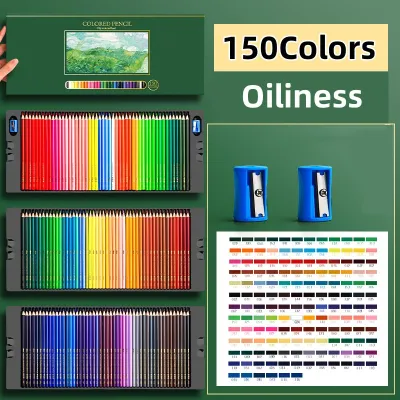
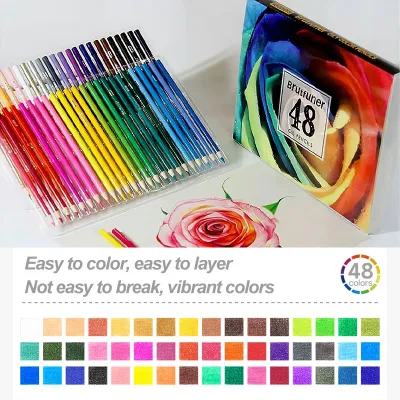
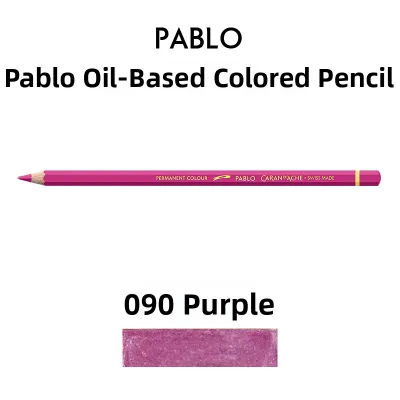
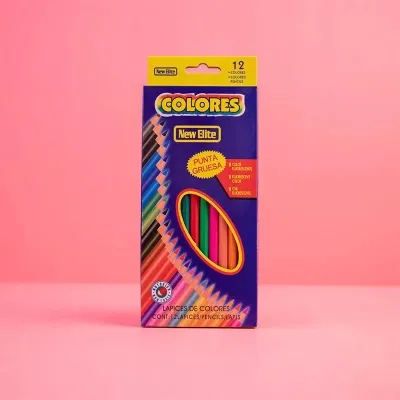
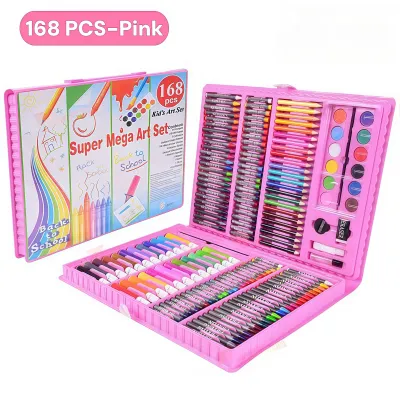
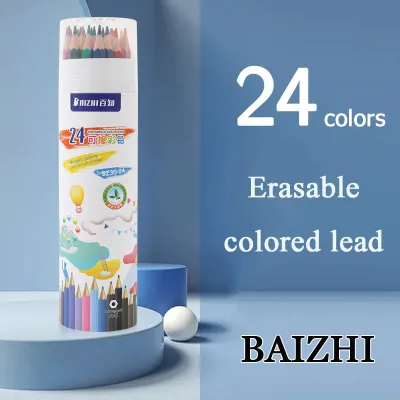
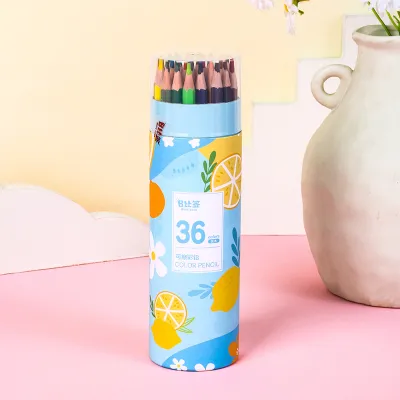
Prices are valid at publication and may change. Please refer to the product page for the latest price.
In contrast, oil-based pencils use a vegetable-based oil binder, often supplemented with a small amount of hard wax to maintain structural integrity. This formulation creates a much firmer core that resists crumbling and holds a sharp point for extended periods. For artists focusing on fine lines, hair, or intricate textures, this point retention is a significant advantage, reducing the frequency of sharpening and minimizing pigment waste.
When evaluating a new colored pencil set, it is best to observe the lead resistance and crumble rates during your initial strokes rather than relying on manufacturer hardness numbers, which lack a universal standard. Draw a series of firm lines on a scrap piece of paper; a wax-based pencil will often leave tiny crumbs of pigment along the edges of the stroke, while an oil-based pencil will leave a clean, sharp line with virtually no debris.
Blending Experience: Smoothness vs Control
The physical sensation of blending colors highlights the primary difference between these two binder types. Wax-based pencils offer a low-friction drawing experience where colors glide over each other, mixing directly on the paper surface to create smooth, painterly gradients. This effortless blending makes them highly popular for beginners and artists who prefer quick, expressive work. However, heavy application of wax pencils can lead to wax bloom—a natural process where the wax binder migrates to the surface over time, leaving a dull, cloudy, or white film over your darkest values.

Oil-based pencils provide a higher-friction experience that demands more control and deliberate hand pressure. Because the oil binder does not melt or smear as easily as wax, blending requires a systematic approach, such as applying multiple light, overlapping layers to build a gradual transition of color. While this requires more patience, it eliminates the risk of wax bloom entirely, ensuring that deep blacks and vibrant jewel tones remain clear and intense for years.
To assess these characteristics yourself, perform visual and tactile checks on your test drawings. To identify wax bloom, tilt your finished swatch under a bright light; a heavy wax application will show a shiny, slightly greasy sheen that obscures the pigment underneath. A well-blended oil swatch will feel dry and integrated into the paper fibers, maintaining its matte finish and color clarity regardless of the angle of the light.
Layering Potential and Paper Compatibility
Layering is the process of building up multiple colors on top of one another to create depth, shadow, and complex hues. The success of this technique depends heavily on how the pencil binder interacts with the texture, or “tooth,” of your paper. Wax-based binders fill the microscopic valleys of the paper tooth very quickly. Once these valleys are packed with soft wax, the surface becomes slick and saturated, preventing any additional pigment from adhering to the page and causing subsequent layers to slide off.
Oil-based binders apply in much thinner, harder layers, leaving the paper tooth partially open even after multiple passes. This allows you to apply dozens of delicate, translucent glazes of color, gradually shifting the temperature and tone of your artwork. This high layering limit makes oil-based sets the preferred choice for classical drawing techniques that rely on building up values slowly.
To maximize the potential of either pencil type, you must match them with the appropriate paper texture. For wax-based pencils, a medium-tooth paper, such as a standard drawing paper or vellum bristol, provides enough grip to pull the soft pigment from the core without exhausting the pencil too quickly. For oil-based pencils, a slightly rougher surface, such as hot-press watercolor paper, helps grab the firmer oil binder, facilitating faster color buildup while still preserving the pencil’s sharp point for detailed work.
Decision Framework: Which Colored Pencil Set Fits Your Style?
Choosing between a wax-based and an oil-based colored pencil set depends on your artistic goals, budget, and working environment. Neither option is universally superior; instead, each serves a distinct set of creative preferences.
You should choose a wax-based colored pencil set if:
- You prioritize fast, buttery color laydown and want to achieve smooth, blended gradients with minimal physical effort.
- You are working within a student-grade or intermediate budget, as wax-based sets are highly accessible, widely distributed in local stationery shops, and offer excellent value for hobbyists.
- You prefer a softer drawing experience that reduces hand fatigue during long coloring sessions.
You should choose an oil-based colored pencil set if:
- Your artistic style relies on extreme precision, fine details, and sharp outlines that require a pencil to hold its point without constant sharpening.
- You plan to execute complex, multi-layered drawings that require dozens of thin color glazes to achieve depth.
- You want to avoid the maintenance associated with wax bloom and ensure your finished pieces remain vibrant and clear over time.
Before making a purchase, verify the specific details of the set on the packaging or manufacturer specifications. Check the color count to ensure it fits your needs, as some premium oil-based sets are sold in smaller, highly curated color ranges. Additionally, look for lightfastness ratings to ensure the pigments will resist fading under bright light, and verify if the set is compatible with your preferred blending tools, such as paper stumps or colorless blender pencils.
Pre-Purchase Testing and Artwork Maintenance
To ensure you are satisfied with your investment, conduct a simple swatch test if you can purchase individual open-stock pencils before buying a full set. On a sheet of your preferred drawing paper, create a small grid to evaluate the layering limits and blending friction. Apply consecutive layers of a single color until the paper refuses to accept more pigment, noting how many layers you achieved before the surface became slick. Next, attempt to blend two contrasting colors using light, medium, and heavy pressure to feel how much resistance the binder offers.
If you already own a wax-based set and struggle with wax bloom, you can manage this issue with safe, physical maintenance methods. When a cloudy film appears on your drawing, do not use water or chemical cleaners, which can ruin the paper and dissolve the pigment. Instead, take a clean, dry, soft microfiber cloth or a cotton swab and gently buff the surface of the drawing in light, circular motions. This physical friction warms the wax slightly and pushes it back into the paper fibers, restoring the original depth and clarity of your colors.
Proper storage is also vital to protect the fragile cores of both pencil types from internal breakage. Avoid dropping your pencils, as a hard impact can shatter the lead inside the wooden casing, leading to cores that fall out during sharpening. Store your set in a sturdy, padded tin or a dedicated pencil wrap, and keep them in a temperature-stable environment away from direct sunlight to prevent the binders from softening or warping.
Frequently Asked Questions (FAQ)
Can you mix wax-based and oil-based colored pencils in the same drawing?
Yes, you can successfully combine both wax-based and oil-based colored pencils in a single piece of artwork, but the order of application is critical for proper adhesion. The general rule is to apply your oil-based pencils first to establish your base layers, fine details, and initial color transitions. Once these firm, thin layers are down, you can use wax-based pencils on top for final blending, burnishing, and highlights. Because wax is soft and sticky, it easily adheres to the dry, firm surface of the oil binder. If you attempt to apply a hard oil-based pencil over a thick, slick layer of wax, the oil pencil will slide off, scrape away the underlying color, or cause the pigment to flake. Always test your specific combination on a scrap piece of paper first to ensure the layers bond securely.
Do oil-based colored pencils require special solvents for blending?
No, oil-based colored pencils do not require solvents to achieve a smooth blend. You can blend them dry by using light, overlapping layers and gradually building up the pigment density, or by using a dry colorless blender pencil to burnish the colors together. However, dry blending with oil-based pencils does require more physical effort and hand pressure than blending with wax-based pencils. If you want to achieve a highly smooth, painterly effect that resembles oil paint, you can use solvents such as odorless mineral spirits or specialized blending liquids. These solvents temporarily break down the oil binder, allowing the pigment to spread smoothly across the paper. If you decide to use solvents, always verify their compatibility with your specific pencil brand and paper weight to avoid bleeding, staining, or warping the page.

Community discussion
Share your experience or ask a question. Comments are reviewed before publication.