
Selecting the perfect wedding anniversary card requires matching the physical design and emotional tone of the card to the specific milestone being celebrated. As marriages mature, the traditional materials associated with each anniversary—ranging from paper and wood to silver and gold—serve as excellent design cues for card textures, color palettes, and overall formality. While early years invite playful, lighthearted designs, major landmarks demand premium materials and a more reverent tone. Ultimately, the ideal card balances these traditional expectations with your unique relationship dynamic, ensuring the message feels authentic and deeply personal.
How Milestone Themes Dictate Card Formality and Design
Every marriage follows a unique trajectory, and the greeting cards exchanged along the way should reflect this evolving journey. In the initial years of marriage, couples are often still establishing their shared routines, making lighthearted, whimsical, or highly romantic cards highly appropriate. As the decades accumulate, the emotional weight of the relationship deepens, calling for cards that carry a sense of reverence and celebration of enduring commitment.
Traditional and modern anniversary materials provide a brilliant blueprint for selecting card aesthetics. For instance, the simplicity of paper in the first year naturally transitions into the rustic warmth of wood for the fifth, and eventually culminates in the brilliant luster of precious metals like silver and gold for the twenty-fifth and fiftieth years. These material themes can guide your choice of card textures, color schemes, and embellishments.
Products mentioned in this guide
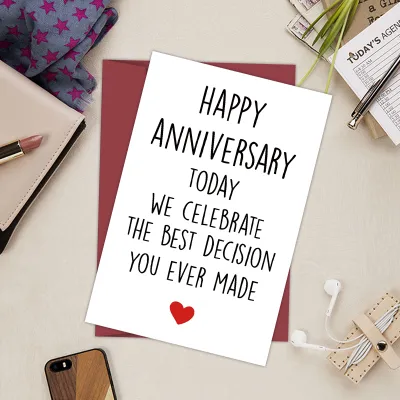
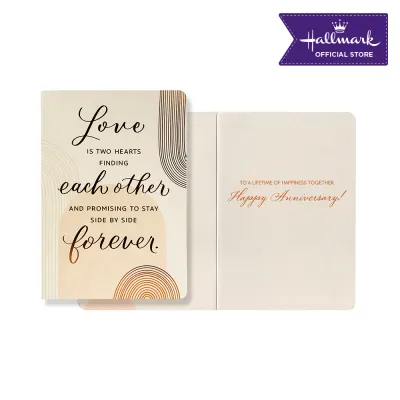
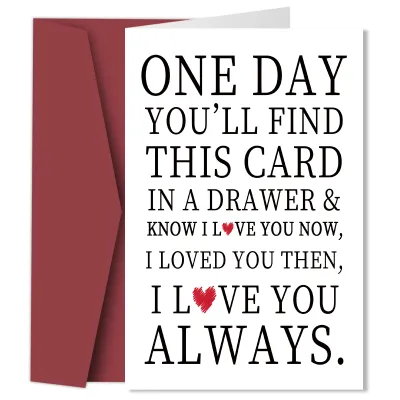
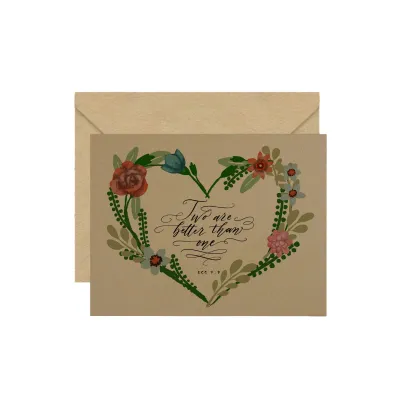
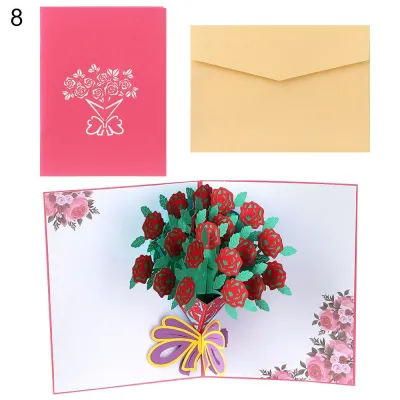
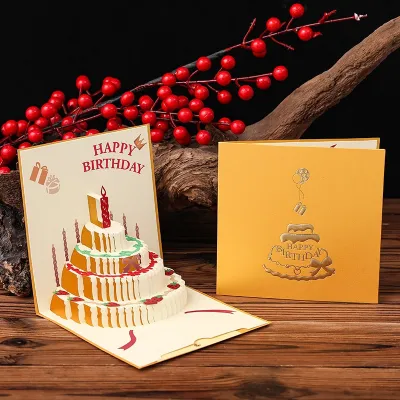
Prices are valid at publication and may change. Please refer to the product page for the latest price.
However, traditional guidelines are not rigid rules. If your relationship is built on shared humor, a witty or playful card can easily override formal expectations, even on a major milestone. The key is to ensure the card feels intentional, matching the visual presentation to the significance of the year while keeping the internal message true to your shared bond.
Early Years (1st to 5th): Selecting Cards for New Beginnings
The first five years of marriage are a period of rapid growth, discovery, and fresh memories. Greeting cards for these early milestones should capture this youthful energy, focusing on personalization, vibrant designs, and romantic optimism.

For the first anniversary, which traditionally represents paper, the card itself becomes the central gift. This is the perfect opportunity to seek out exceptionally high-quality paper stocks, such as heavy cotton rag or hand-pressed textured sheets. Custom photo cards featuring a favorite snapshot from the wedding day or the past year are also highly popular. Because the theme is paper, writing a long, heartfelt letter directly onto a beautifully textured card face honors the tradition in its purest form.
By the fifth anniversary, the traditional theme shifts to wood, symbolizing strong roots and durability. To reflect this, look for cards that incorporate wood-grain textures, botanical illustrations, or rustic, earthy design elements. Some specialty cards even feature thin, laser-cut wooden overlays or real wood veneer accents that add a tactile, organic dimension to your greeting.
The tone for these early years should lean toward the romantic, playful, and highly personalized. It is a time to celebrate the excitement of building a life together, perhaps referencing inside jokes, early travel adventures, or the cozy daily routines you have established. Keep the visual style bright, modern, and warm to match the forward-looking spirit of a young marriage.
Mid-Tier Milestones (10th to 20th): Styling Cards for Shared Growth
Reaching the double-digit mark represents a significant transition. By the tenth to twentieth anniversaries, couples have navigated major life transitions, built a shared history, and often expanded their families. Cards for these mid-tier milestones should reflect resilience, clarity, and refined appreciation.
The tenth anniversary is represented by tin or aluminum, while the fifteenth is celebrated with crystal. To mirror these themes, look for sleek, modern card designs that utilize metallic foil accents, silver embossing, or minimalist layouts with clean lines. A card featuring geometric foil patterns or elegant silver lettering beautifully captures the concept of durability and clarity without feeling overly old-fashioned.
When you reach the twentieth anniversary, the traditional material is china or porcelain, signifying a delicate yet incredibly strong bond that has been carefully preserved. For this milestone, elegant floral patterns, delicate watercolor illustrations, or classic, graceful typography are highly appropriate. The design should feel sophisticated and polished, reflecting two decades of shared refinement.
The tone for these mid-tier cards should be deeply affectionate and reflective. This is the moment to acknowledge shared achievements, express gratitude for mutual support through difficult times, and celebrate the family or life you have built together. The messaging should move beyond simple romance to highlight deep partnership, resilience, and the quiet strength of your enduring connection.
Major Landmarks (25th, 50th, and Beyond): Choosing Premium Cards for Enduring Love
Celebrating twenty-five, fifty, or sixty years of marriage is an extraordinary achievement that commands immense respect. Cards for these major landmarks must rise to the occasion, utilizing premium materials and formal designs that honor a lifetime of shared devotion.
For the twenty-fifth (Silver) and fiftieth (Gold) anniversaries, the visual presentation should be nothing short of prestigious. Opt for ultra-heavyweight cardstocks with luxurious finishes, such as linen or pearlized paper. Foil stamping in brilliant silver or rich gold, deep embossing, and formal calligraphy are hallmark design elements for these milestones. The card should feel substantial in the hand, serving as a physical testament to the gravity of the occasion.
For the sixtieth anniversary and beyond, which is represented by the diamond, look for timeless, classic designs that exude high-contrast elegance. Deep navy, rich burgundy, or classic black cardstocks paired with crisp white or metallic silver lettering create a striking, sophisticated look. Look for cards with substantial, heavy-duty envelopes, often lined with foil or fine paper, to elevate the entire presentation.
The tone for these landmark cards should be reverent, celebratory, and focused on legacy. This is not just a celebration of a marriage, but of an enduring commitment that has likely influenced generations of family and friends. The written message should express profound gratitude, honor the deep history you share, and celebrate the beautiful legacy of love that continues to inspire everyone around you.
Physical Quality Checklist: Evaluating Paper, Size, and Layout
Before purchasing your wedding anniversary card, it is essential to evaluate its physical characteristics to ensure it meets your expectations for writing, presentation, and mailing. In tropical climates like the Philippines, high humidity can affect how paper behaves, making material selection even more critical. Whether you are purchasing a simple card for ₱150 or investing in a premium handmade design, verifying these physical details ensures your greeting remains pristine.
First, verify the paper weight and texture. Look for cards with a paper weight of at least 250 to 300 GSM (grams per square meter) to ensure a premium, sturdy feel. The finish of the paper dictates which writing instrument you should use. Matte, uncoated, or textured cotton papers are highly receptive to fountain pens and gel pens, allowing the ink to dry quickly without smudging. Conversely, glossy or heavily coated finishes can cause fountain pen ink to bead or smear; if you choose a glossy card, verify its compatibility by testing a quick-drying ballpoint pen or a permanent fine-liner on an inconspicuous edge.
Second, consider the card size and envelope fit. Standard card sizes, such as A2 (4.25 x 5.5 inches) or A7 (5 x 7 inches), are widely available and easy to mail. Ensure the envelope is slightly larger than the card to prevent bending or tearing during insertion. If the card features heavy embellishments, such as wooden overlays, thick ribbons, or raised foil, it may require extra protective packaging or additional postage to prevent damage in transit.
Finally, examine the interior layout. Ensure there is adequate blank space for your personalized handwriting. If the card features a pre-printed verse, verify that the font size and placement leave enough room for you to add your own personal memories, signatures, and dates without crowding the page.
Frequently Asked Questions (FAQ)
Should I write my own message or use the pre-printed verse inside the card?
While pre-printed verses offer convenience and professional phrasing, a handwritten, personalized message carries far greater emotional impact. For major milestones, a personal touch is indispensable. The best approach is often a combination of both: select a card with a beautiful, simple printed verse that serves as a thematic anchor, and use the surrounding blank space to write a personal memory, a specific thank-you, or a hope for the future.
Is it appropriate to give a digital or electronic card for a major milestone like a 50th anniversary?
For major milestones like a golden 50th anniversary, physical, premium cards are highly preferred over digital alternatives. A physical card serves as a tangible keepsake that can be displayed, kept in a memory box, and passed down through generations. Digital cards are best reserved as supplementary greetings for distant relatives who cannot attend a celebration, or as a quick, informal follow-up to a physical gift.

Community discussion
Share your experience or ask a question. Comments are reviewed before publication.