
The hydration of watercolor paint—its ability to absorb water, remain workable, and rewet smoothly—is determined by the balance of binders, humectants, and plasticizers in its formula. In tropical climates like the Philippines, where high humidity and warm temperatures constantly interact with art supplies, understanding these chemical components is essential. The right formula prevents paints from turning into rock-hard blocks or melting into sticky, mold-prone puddles. By analyzing how these ingredients behave, you can select the ideal paint format and grade to match your painting pace and environmental conditions.
Understanding the Ingredients That Control Watercolor Hydration
Watercolor paint consists of finely ground pigments suspended in a water-soluble vehicle. The primary binder in professional watercolors is gum arabic, a natural sap harvested from acacia trees. Gum arabic holds the pigment particles in suspension and binds them to the paper fibers once dry. While gum arabic is highly water-soluble, a pure gum-and-pigment mixture dries brittle and rewets slowly.
To control the drying rate and improve solubility, manufacturers add humectants to the formula. Humectants are hygroscopic substances that actively attract and retain moisture from the surrounding air. Glycerin is the most common humectant used in modern watercolor manufacturing. It keeps the paint film flexible, slows down the drying time on the paper, and allows dry paint to rewet almost instantly when touched with a wet brush.
Products mentioned in this guide
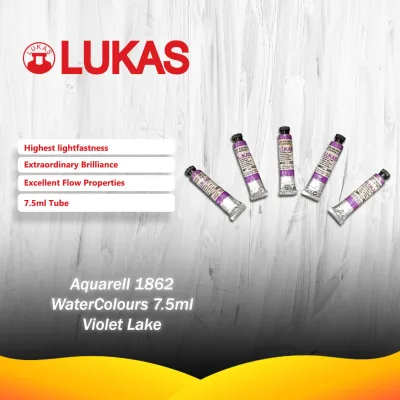
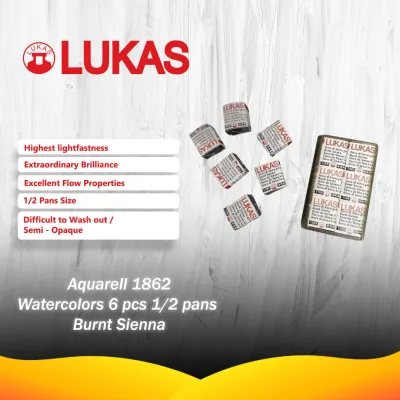
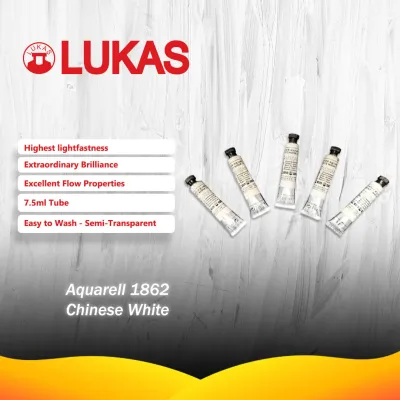
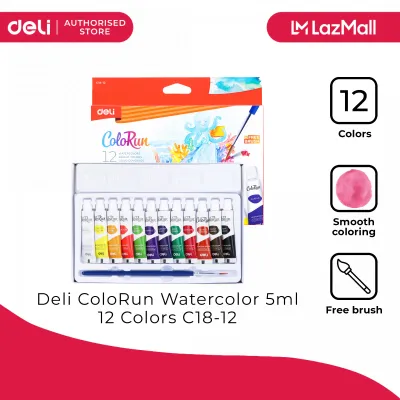
![Deli ColoRun Watercolor 5ml 24 Colors C18-24 [79C18-24]](https://img.lazcdn.com/g/p/c1287361a4b91c7c52e11d4b78e11a14.png_400x400q80.png_.webp)
![Deli ColoRun Watercolor 5ml 12 Colors C18-12 [79C18-12]](https://img.lazcdn.com/g/p/6f71c0c1df3c1a64c00fd423b3ba9fc2.jpg_400x400q80.jpg_.webp)
Prices are valid at publication and may change. Please refer to the product page for the latest price.
Some traditional formulas use wild honey as a natural humectant instead of, or in addition to, glycerin. Honey has a high moisture-retention capacity, which keeps the paint exceptionally soft and easy to rewet, though it can remain sticky in highly humid environments. The choice between honey and glycerin often explains why some brands remain semi-moist on the palette for days while others dry to a firm, matte finish.
In addition to binders and humectants, watercolor formulas contain plasticizers and preservatives. Plasticizers, such as dextrin, prevent the paint from cracking when it dries in thick layers or inside pans. Preservatives are crucial, especially in formulas containing organic materials like gum arabic and honey, to prevent mold growth and bacterial spoilage. In warm, humid climates, these preservatives ensure that your damp palette does not become a breeding ground for fungi.
Tube vs. Pan: How Paint Formats Influence Hydration and Workability
Artists generally choose between two primary physical formats: tube paints and pan paints. While both formats utilize similar base ingredients, their formulas are adjusted to optimize their respective physical states. Tube paints are packaged as a moist, creamy paste. To maintain this consistency inside the sealed tube, manufacturers include a higher concentration of humectants. This prevents the paint from drying out or separating in the tube, ensuring it flows smoothly onto your palette.

Pan paints are formulated to be poured or extruded into small plastic cups and dried before sale. To ensure they do not crumble during shipping or remain sticky in storage, pan formulas often contain slightly less humectant or a different balance of plasticizers. They are designed to dry into a stable, solid cake that releases pigment readily when activated with a wet brush. High-quality pans rewet with minimal effort, while lower-quality options may require vigorous scrubbing.
Many artists prefer to squeeze tube paints into empty pans to create custom travel palettes. While this is highly practical, the formulation differences can lead to unexpected behavior. Because tube paints contain more humectants, they may not dry completely when squeezed into a pan, especially in humid tropical regions. The poured paint might remain soft, sticky, or even runny for weeks.
Conversely, some tube formulas that rely heavily on specific binders may crack and fall out of the pan once dry. To manage this, artists often fill pans in thin, gradual layers, allowing each layer to dry completely before adding the next. Storing these custom palettes in airtight containers with silica gel packets can also help control excess moisture absorption in humid climates.
Evaluating Paint Grades and Testing Rewetting Performance
When shopping for watercolors, understanding the distinction between artist-grade and student-grade formulas is key to predicting their hydration behavior. Artist-grade paints feature a high pigment load and minimal fillers. They use premium gum arabic and carefully balanced humectants, resulting in predictable rewetting and smooth washes. Student-grade paints, designed to be more affordable, often substitute a portion of the pigment with inert fillers like chalk or clay, and may use synthetic binders or dextrin instead of pure gum arabic.
These formulation differences directly impact how the paint interacts with water. Student-grade paints often require more water and physical agitation to rewet because the fillers and alternative binders do not dissolve as readily as pure gum arabic. When dried on a palette, they can become chalky or tough, making it difficult to lift rich, saturated color. To evaluate a paint’s hydration properties before committing to a large project, you can look for technical data sheets provided by manufacturers, which sometimes detail the binder type and solubility characteristics.
You can also conduct a simple, controlled at-home rewetting test to observe how your paints behave on your specific palette material, whether plastic, ceramic, or metal. Squeeze a small dot of paint onto your palette and allow it to dry completely over 24 to 48 hours. Once dry, place a single drop of clean water onto the paint dot using a dropper or a wet brush, without stirring. Let it sit for exactly one minute, then gently sweep a clean, damp brush across the paint.
Observe how easily the paint dissolves: does it immediately yield a rich, highly pigmented puddle, or does it resist the water, requiring you to scrub the surface to release color? This test helps you understand the open time and rewetting efficiency of your collection, allowing you to adjust your painting technique accordingly. Ceramic palettes are particularly useful for this test, as they allow water to pool naturally without the beading common on plastic surfaces.
Adjusting Hydration Safely with Mediums and Additives
If your paint’s native formula does not match your working style or environmental conditions, you can safely modify its behavior using commercial watercolor mediums. For artists working in dry environments or warm studio spaces where paint dries too quickly on the paper, a drying retardant or watercolor blending medium can be mixed directly into the paint. These mediums typically contain formulated humectants that extend the open time of the wash, allowing for smoother gradients and softer edges without compromising the paint’s adhesion.
Conversely, if you find that your paints are drying too slowly or failing to set on your palette due to high ambient humidity, you can use a flow improver or ox gall medium to help the paint spread more evenly and dry more predictably. Commercial mediums are carefully balanced with preservatives and binders to ensure that they do not weaken the paint film. They allow you to fine-tune the workability of your paints while preserving their archival qualities.
It is important to avoid adding raw, unformulated humectants like pure drugstore glycerin or kitchen honey directly to your paints in large quantities. While a tiny drop of glycerin can restore flexibility to a dried-out tube, adding too much can permanently ruin the paint. Excess humectants prevent the paint from drying completely on the paper, leaving the finished artwork sticky, vulnerable to dust, and highly susceptible to mold growth.
Furthermore, raw honey can attract insects and spoil over time if not balanced with professional-grade preservatives. To protect your artwork’s longevity, always rely on commercially formulated mediums designed specifically for watercolor conservation. These products ensure that the delicate balance of binders, pigments, and humectants remains stable over time.
Frequently Asked Questions (FAQ)
Why do my pan watercolors crack or crumble after drying?
Pan watercolors typically crack or crumble when they dry too rapidly or when the formula lacks sufficient binder and plasticizer to hold the pigment particles together as moisture evaporates. This is common in dry environments or when paint is dried under direct sunlight or drafty fans. To manage cracked pans, you can spray them lightly with a fine mist of clean water before your painting session to let them soften gradually. If a cake has completely crumbled, add a tiny drop of gum arabic medium, mix it into a paste directly in the pan, and let it dry slowly in a shaded, dust-free area to restore its structural integrity.
Can I add honey or glycerin to my student-grade watercolors to make them rewet better?
While adding a tiny fraction of a drop of glycerin or honey can temporarily improve the rewetting capability of stubborn student-grade paints, doing so carries significant risks. Without professional formulation and balanced preservatives, DIY additions can make the paint permanently sticky, prevent it from drying on the paper, and invite mold growth—especially in warm, humid climates. A safer and more predictable alternative is to use a commercial watercolor rewetting medium or watercolor medium drops. These products are chemically balanced with binders and preservatives to improve solubility without compromising the paint’s archival quality or structural stability.

Community discussion
Share your experience or ask a question. Comments are reviewed before publication.