
Air-dry clay has become a staple in the crafting world, offering an accessible, mess-free way to sculpt without the need for specialized studio equipment. Unlike traditional ceramic clays that require extreme heat to harden, this versatile material cures naturally at room temperature. Whether you are a student working on a school project, a hobbyist crafting home decor, or a parent looking for a clean weekend activity, understanding how this material behaves is the first step to achieving successful, long-lasting creations.
Choosing the right modeling material depends heavily on your project goals, your budget, and the tools you have at home. While air-dry clay is highly convenient, it shares the craft store shelves with polymer clays, oven-bake clays, and traditional pottery clays. Each of these materials possesses distinct chemical compositions, drying behaviors, and structural limits. By comparing their strengths and weaknesses, you can select the ideal clay that ensures your finished piece remains durable and beautiful.
Understanding Air-Dry Clay: Composition and Core Traits
Air-dry clay is typically formulated from a blend of natural clay minerals, water, and organic binders or paper fibers. The primary mechanism that hardens the clay is simple evaporation. As the water content within the clay escapes into the surrounding air, the binders lock the remaining mineral particles and fibers together, transforming the soft, pliable dough into a solid, lightweight object.
Products mentioned in this guide
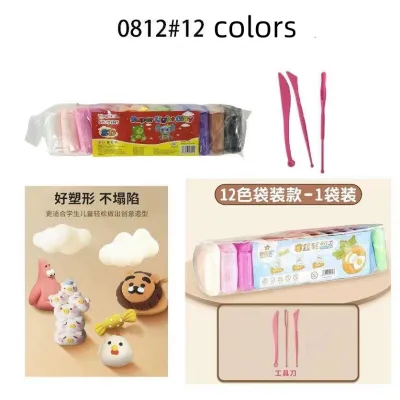
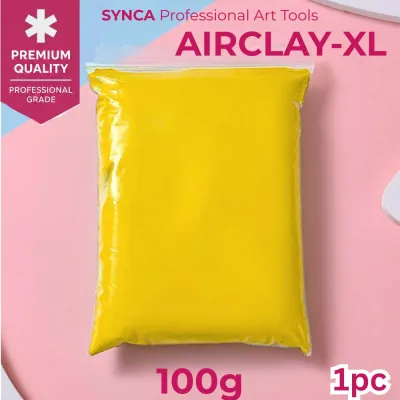
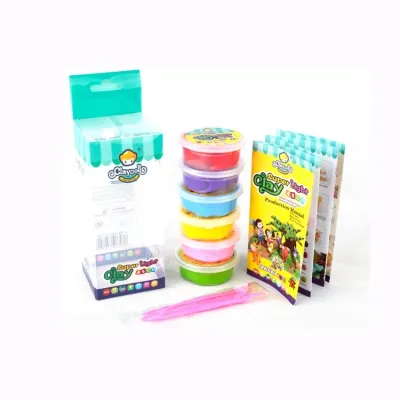
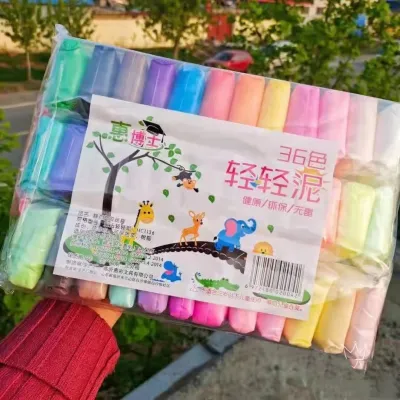
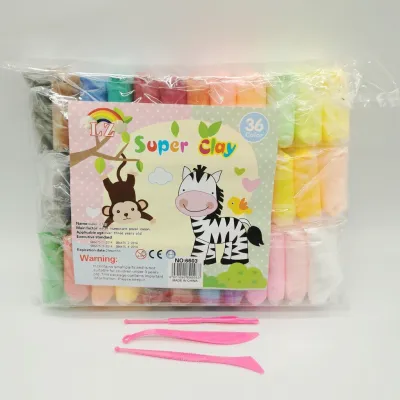
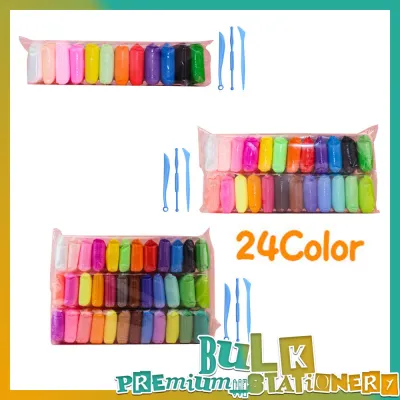
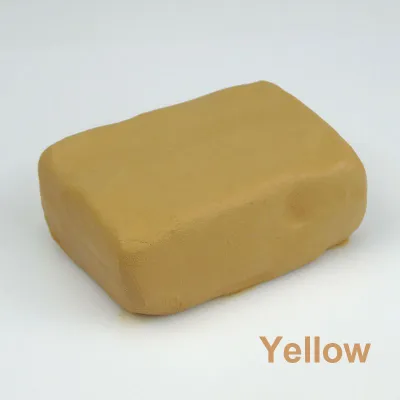
Prices are valid at publication and may change. Please refer to the product page for the latest price.
When handling air-dry clay, you will notice it has a soft, slightly damp texture that is highly receptive to detailing. However, because it relies on water loss to cure, the material naturally shrinks as it dries. This shrinkage rate generally ranges from 5% to 10% depending on the specific brand formulation. If you sculpt a piece that is too thick, the outer layer may dry and shrink faster than the moist core, leading to surface cracks or warping. To prevent this, crafters often build their sculptures over lightweight internal supports, known as armatures, made of crumpled aluminum foil or wire.
Proper storage is critical to keeping your remaining clay usable. Because exposure to air initiates the curing process immediately, any unused clay must be wrapped tightly in plastic wrap and stored in an airtight container. In tropical climates where ambient temperatures are high, adding a damp paper towel inside the storage container can help maintain the necessary moisture levels, preventing the clay from turning into a useless, hardened block before your next crafting session.
Air-Dry Clay vs. Polymer Clay: Curing, Durability, and Use Cases
To choose between air-dry clay and polymer clay, you must first look at how they cure. While air-dry clay cures through simple exposure to the atmosphere over 24 to 72 hours, polymer clay is a synthetic material made of polyvinyl chloride (PVC) binders and liquid plasticizers. Polymer clay will remain soft indefinitely at room temperature and only hardens when baked in a standard home oven, typically at temperatures between 110°C and 130°C.

This difference in composition directly impacts the durability of the finished product. Once baked, polymer clay undergoes a chemical reaction that turns it into a slightly flexible, highly durable, and water-resistant plastic. It is incredibly resilient and can withstand minor drops without breaking. In contrast, cured air-dry clay remains porous and relatively brittle. If dropped on a hard tile floor, an unreinforced air-dry clay sculpture is highly likely to chip or shatter. Furthermore, air-dry clay remains sensitive to moisture and will soften or dissolve if exposed to water for extended periods.
These physical traits dictate their ideal use cases. Polymer clay is the preferred choice for intricate, high-detail items like jewelry, miniature figurines, and custom beads, where structural strength and water resistance are essential. Air-dry clay is better suited for larger, rustic projects such as decorative bowls, wall hangings, relief tiles, and hand-sculpted pottery replicas. It is also highly favored for educational settings because it eliminates the safety risks associated with operating a hot oven.
Air-Dry Clay vs. Traditional Pottery Clay: Firing and Functional Limits
Traditional pottery clay, such as stoneware, earthenware, or porcelain, is composed entirely of natural clay minerals mined from the earth. To transform from raw mud into a durable ceramic, traditional clay must undergo vitrification. This chemical process requires a specialized pottery kiln capable of reaching temperatures exceeding 1,000°C. Air-dry clay cannot survive these extreme temperatures; if placed inside a kiln, the organic binders and paper fibers inside the air-dry clay will simply burn away, causing the piece to crumble into ash.
Because traditional pottery clay undergoes vitrification, the finished ceramic pieces are exceptionally strong, completely waterproof, and food-safe when coated with an appropriate glaze. This makes traditional clay the only viable option for functional kitchenware, such as coffee mugs, soup bowls, and dinner plates. Air-dry clay, lacking this molecular transformation, remains structurally weak and highly porous. Even when coated with commercial sealants, it cannot withstand the moisture, heat, and washing required for functional food containers.
Ultimately, traditional pottery clay is designed for functional, archival ceramic art that can last for centuries, but it requires significant investment in equipment, studio space, and kiln access. Air-dry clay serves as an accessible, low-cost alternative for decorative, non-functional art. It allows you to practice hand-building techniques, such as coiling and slab construction, right at your kitchen table without any specialized tools.
Air-Dry Clay vs. Oven-Bake Clay: Convenience and Project Scale
Oven-bake clay is a broad category that includes polymer clays and other synthetic modeling compounds designed to harden in a domestic oven. When comparing air-dry clay to oven-bake alternatives, project scale and convenience are the primary deciding factors. Because oven-bake clays require heat to cure, the maximum size of your sculpture is strictly limited by the interior dimensions of your home oven. Attempting to bake a piece that is too large can result in uneven heating, leading to scorched spots or uncured, brittle sections.
Air-dry clay offers unmatched convenience for large-scale sculptures. Since it cures naturally in the open air, you can build sculptures of virtually any size without worrying about oven capacity. However, large air-dry projects require careful planning. Because the clay shrinks as it dries, large, solid masses of clay are highly prone to cracking. Crafters must use hollow building techniques or wrap clay around a compressible armature to accommodate the natural shrinkage process.
For beginners and casual crafters, air-dry clay provides a highly forgiving entry point. There is no risk of burning the material, releasing unpleasant chemical fumes, or ruining a kitchen appliance. However, advanced modelers who require absolute precision often prefer oven-bake clays. Because oven-bake clay does not dry out while you work, you can spend weeks refining fine details, textures, and facial expressions on a sculpture before committing to the final bake.
How to Choose the Right Clay for Your Next Project
Selecting the perfect clay requires a systematic evaluation of your project goals, your working environment, and your desired finish. Before purchasing your materials, walk through this practical decision framework:
- Determine the Function: If your finished item needs to hold water, come into contact with food, or withstand outdoor weather, you must use traditional pottery clay fired in a kiln. For decorative indoor items, jewelry, or models, air-dry or polymer clays are highly suitable.
- Assess Your Equipment: Do you have access to a reliable home oven with accurate temperature controls, or are you working in a space without baking facilities? If you lack an oven or are crafting with young children, air-dry clay is the safest and most convenient option.
- Consider the Scale and Detail: For tiny, highly detailed items like earrings, charms, or miniature dollhouse accessories, polymer clay is unmatched. For larger sculptures, hand-built decorative pots, or school dioramas, air-dry clay is much easier to manage and more cost-effective.
- Evaluate the Working Environment: In highly humid tropical regions, air-dry clay will take significantly longer to dry. If you need a fast turnaround time, polymer or oven-bake clays cure in under an hour once placed in the oven, whereas air-dry clay may require several days to dry completely during the rainy season.
- Plan the Post-Processing: Air-dry clay is highly receptive to post-cure modifications. Once fully dry, it can be easily sanded to a smooth finish, carved with sharp tools, and painted with standard acrylics or poster paints. Polymer clay often comes in a wide array of vibrant, pre-mixed colors, reducing the need for painting, though it is more difficult to sand and carve after baking.
By matching these material characteristics to your specific creative vision, you can avoid the frustration of cracked sculptures or ruined ovens, ensuring a rewarding crafting experience from start to finish.
Frequently Asked Questions (FAQ)
Is air-dry clay safe for food or drink containers?
No, air-dry clay is not safe for food or drink containers. Because it does not undergo the high-temperature vitrification process of kiln-fired ceramics, it remains highly porous and water-soluble at its core. Even if you apply a commercial gloss or sealant, these coatings can degrade over time, crack, or leach harmful chemicals into your food and beverages. Air-dry clay creations should remain strictly decorative.
How can I prevent air-dry clay from cracking while it dries?
Cracking occurs when different parts of your sculpture dry and shrink at uneven rates. To prevent this, slow down the drying process by covering your piece loosely with a plastic sheet or a damp cloth while it cures. Avoid placing your sculpture in direct sunlight, near air conditioning vents, or using a hair dryer, as rapid drying guarantees cracks. Additionally, keep your clay thickness uniform and use a lightweight internal armature to reduce the overall volume of clay.
Do I need to seal air-dry clay after painting?
Yes, sealing your air-dry clay projects is highly recommended. Because cured air-dry clay is sensitive to moisture and humidity, an unsealed piece can absorb water from the air, causing it to soften, warp, or develop mold over time. Once your acrylic paint is completely dry, apply a clear acrylic sealer, varnish, or liquid glaze. Always check the product labels to ensure the sealant is compatible with both your clay type and the paint you used.

Community discussion
Share your experience or ask a question. Comments are reviewed before publication.