
Air-dry clay is a versatile modeling material that hardens at room temperature without the need for a kiln or oven. Unlike traditional ceramic clay, its composition relies on a blend of natural earth clays or synthetic fillers, water, and binding agents that hold the structure together as the moisture evaporates. This makes it highly accessible for hobbyists, students, and professional crafters looking to create sculptures, decorative items, and detailed models right at home. Understanding what goes into your clay is the first step toward choosing the right type for your specific project, as different ingredients directly influence how the material behaves during shaping, drying, and finishing.
Core Ingredients in Air-Dry Clay
To understand how air-dry clay functions, it helps to look at its base materials. Most commercial air-dry clays fall into two main categories: mineral-based and synthetic or cellulose-based. Mineral-based clays use natural earth clays, such as kaolin or earthenware minerals, as their primary body. These clays feel very similar to traditional pottery clay, offering a substantial weight and a cool, damp texture. In contrast, synthetic or cellulose-based clays use paper pulp, starch, or polymer fibers as their base. These alternatives are significantly lighter and often dry to a slightly flexible, wood-like or foam-like consistency.
The magic ingredient that allows air-dry clay to harden without extreme heat is the binder. In traditional ceramics, high kiln temperatures fuse silica particles together. In air-dry clay, organic binders or glues hold the mineral or fiber particles together. As the water content in the clay evaporates into the surrounding air, these binders cure and harden, locking the sculpted shape into place. The type of binder used determines the final strength of the piece, as well as how brittle or flexible it remains after curing.
Products mentioned in this guide
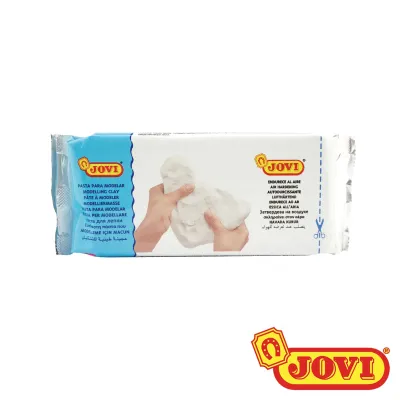
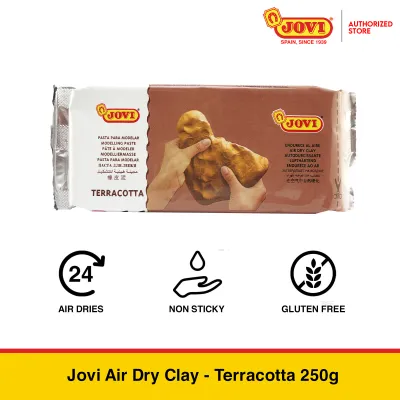
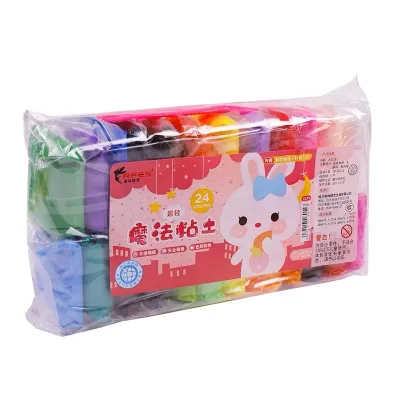
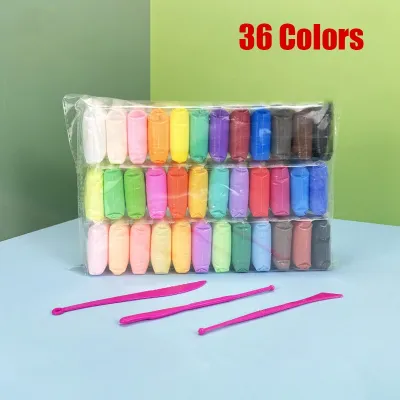
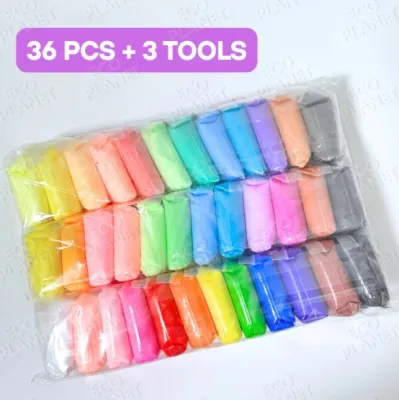
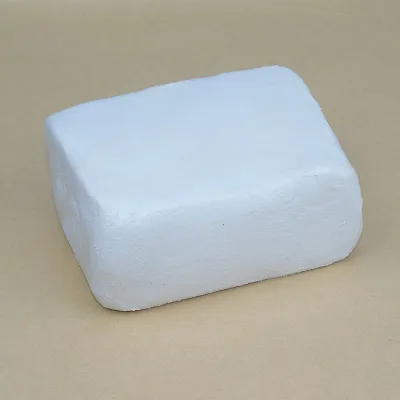
Prices are valid at publication and may change. Please refer to the product page for the latest price.
Manufacturers also include various additives to improve the clay’s performance and shelf life. Preservatives and mold inhibitors are crucial, especially for organic-based clays stored in warm, humid environments. Without these additives, the moisture trapped inside the packaging could encourage mold growth before you even open the bag. Other additives include pigments for pre-colored clays and plasticizers to improve flexibility while sculpting. When selecting a clay, always check the product label to identify whether it is mineral-based or paper-based, as this dictates its handling and final weight.
Key Properties That Affect Your Craft
The physical properties of air-dry clay dictate how you must work with it from start to finish. One of the most critical variables is drying time. Because the curing process relies entirely on water evaporation, ambient humidity and temperature play a massive role. In tropical climates with high humidity, such as the Philippines, drying times can double. A piece that might dry in 24 hours in a dry climate may take several days to cure completely in a humid room. Working in thin layers or using a fan to gently circulate air can help manage this process.

Shrinkage and cracking are natural consequences of the drying process. As water leaves the clay, the overall volume of the piece decreases. Mineral-based clays typically experience higher shrinkage rates than lightweight, paper-based formulas. If a piece dries too quickly, or if different sections dry at uneven rates, internal tension builds up, leading to cracks. Understanding your clay’s specific shrinkage rate helps you plan your designs, especially when building around rigid internal supports.
Workability and texture vary widely across different formulations. Some clays are highly plastic and smooth, allowing you to blend seams seamlessly with just a damp finger or a modeling tool. Others are more fibrous and may require more effort to smooth out. Keeping a small sponge and a cup of water nearby is essential for maintaining workability, but adding too much water can weaken the binders and lead to structural failure or excessive cracking later.
Once fully cured, the clay’s post-drying durability and weight will determine how the finished piece can be used. Lightweight cellulose clays are excellent for hanging ornaments or wearable pieces because they do not weigh down the wearer. However, they can be more difficult to carve or sand cleanly. Heavy mineral-based clays dry to a hard, stone-like finish that responds beautifully to fine sandpaper, carving chisels, and rotary tools, allowing for highly polished details.
Matching Air-Dry Clay Types to Your Project
Selecting the right clay formulation depends entirely on the scale and purpose of your craft. For fine-detail work, miniature sculpting, and jewelry making, look for ultra-smooth, resin-based or fine-grain mineral clays. These formulations are designed to hold intricate details without sagging and exhibit minimal shrinkage, ensuring that delicate patterns, tiny facial features, or jewelry settings do not warp as the moisture evaporates.
If you are planning large sculptures or building complex figures, heavy, fiber-reinforced clays are much more suitable. These clays are formulated to resist cracking even when applied in thicker layers. When working on larger scales, it is highly recommended to build your clay over an armature made of aluminum foil, wire mesh, or cardboard. This reduces the amount of clay needed, speeds up drying times, and provides a solid internal skeleton that prevents the wet clay from collapsing under its own weight.
For kids’ crafts, school projects, and classroom activities, lightweight, foam-like, or starch-based air-dry clays are the preferred choice. These clays are incredibly easy to clean up, rarely stain hands or clothing, and do not require specialized tools to shape. When purchasing clay for children, always prioritize products with clear non-toxic certifications on the packaging to ensure they are safe for prolonged skin contact.
Finally, it is vital to distinguish between functional and decorative projects. Air-dry clay is inherently porous and water-soluble, meaning it will soften or dissolve if it comes into direct contact with water. It is not suitable for functional dinnerware, mugs, or planters that hold wet soil. While you can apply sealants to make a piece water-resistant for light cleaning, these chemical coatings are generally not food-safe. Keep your air-dry clay creations strictly decorative, using them for figurines, wall art, trinket dishes, and faux-ceramic display pieces.
Safety, Storage, and Handling Guidelines
Working safely and storing your materials correctly will save you time and prevent wasted clay. Always verify the safety certifications on your clay’s packaging before starting. While most hobbyist air-dry clays are non-toxic, some specialty or industrial-grade modeling compounds may contain solvents or fine fibers that require hand protection or a dust mask during sanding. Working in a well-ventilated space is always a good practice, especially when applying paints or sealants to your finished pieces.
Because air-dry clay begins to cure as soon as it is exposed to the air, proper storage is essential for maintaining its shelf life. Wrap any unused clay tightly in plastic wrap, ensuring there are no air pockets, and place it inside an airtight container or a heavy-duty zip-top bag. Adding a damp paper towel inside the container—without letting it directly touch the clay—can help maintain a humid environment that keeps the clay pliable for future use.
If you find your clay has become slightly stiff or dry, you can often revive it by adding a small amount of water. Knead a few drops of water into the clay until it regains its elasticity. However, if the clay has completely hardened and cured, the binders have fully set, and it cannot be revived or dissolved back into usable clay.
Lastly, clean your tools, hands, and workspaces before the clay hardens. Wet air-dry clay wipes away easily with a damp cloth, but once it cures, it can stick firmly to plastic tools, wooden tables, and silicone mats, requiring scraping or sanding to remove.
Frequently Asked Questions (FAQ)
Can you make air-dry clay waterproof or food-safe?
No, air-dry clay cannot be made truly waterproof or food-safe. Because it does not undergo the high-temperature vitrification process of kiln-fired ceramics, the underlying structure remains porous and water-soluble. Applying a high-quality acrylic sealer, varnish, or resin can make the surface highly water-resistant, allowing you to wipe it with a damp cloth, but it will not withstand prolonged soaking or dishwasher cycles. Furthermore, these sealants are not rated for food contact, so you should never use air-dry clay for items that touch food or drink.
Why is my air-dry clay cracking as it dries?
Cracking is usually caused by uneven drying, applying the clay too thickly, or failing to blend seams properly. When the outer layer of clay dries and shrinks faster than the moist interior, the resulting tension pulls the surface apart. To prevent this, build your projects in thin, even layers, use a lightweight armature to reduce thickness, and dry your pieces slowly away from direct sunlight or heat sources. If cracks do appear, you can patch them by filling the gaps with a small amount of fresh clay mixed with water once the piece is fully dry.

Community discussion
Share your experience or ask a question. Comments are reviewed before publication.