
Dealdough is a versatile modeling material designed for creative crafting, sculpting, and sensory play. Because its exact formulation can vary significantly depending on the manufacturer, understanding its base composition, curing method, and safety guidelines is essential before starting your next project. By evaluating these physical properties, you can easily determine whether this material fits your specific artistic or recreational needs.
Whether you are a hobbyist crafting intricate miniatures, a parent setting up a sensory play area, or an educator planning classroom activities, choosing the right medium is crucial. Modeling compounds come in many forms, and selecting the wrong type can lead to cracked sculptures, ruined tools, or safety concerns. Taking the time to analyze the material’s specifications will help you achieve the best possible results for your creative endeavors.
Understanding Dealdough as a Modeling Material
When selecting a modeling material like Dealdough, your first step is to examine the product packaging to identify its core category. The base composition dictates how the material behaves under different environmental conditions, especially in warm, humid climates. Look closely at the label to see if the product is water-based, oil-based, or a polymer-based compound. Water-based formulas are typically lightweight and easy to clean, while oil-based options resist drying out even when exposed to open air for extended periods.
Products mentioned in this guide
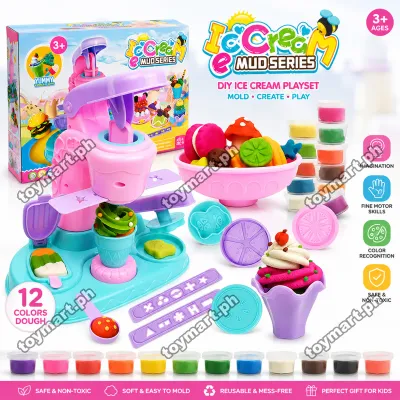
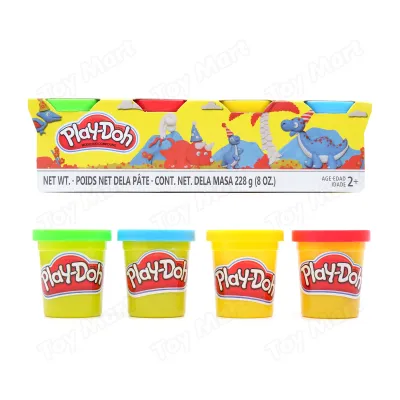
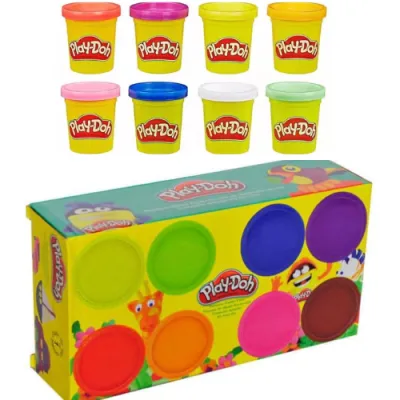
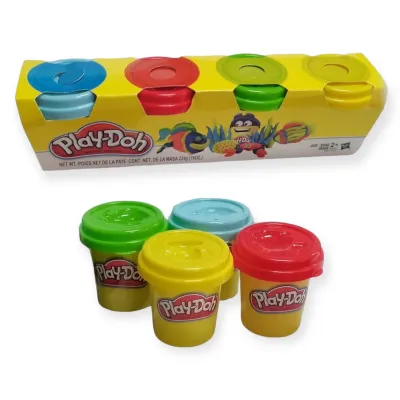
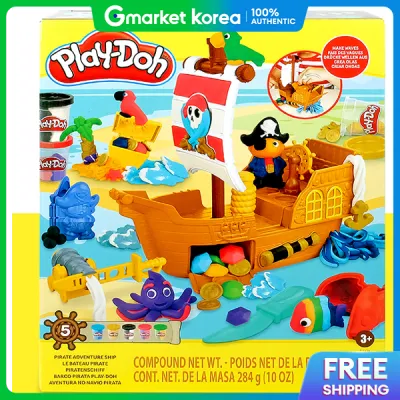
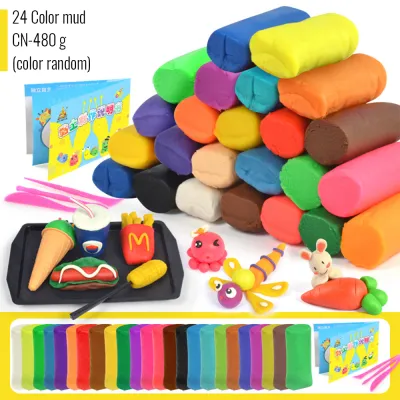
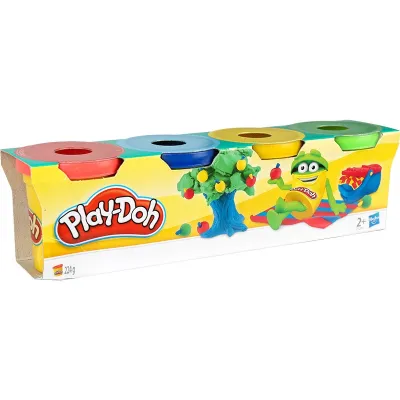
Prices are valid at publication and may change. Please refer to the product page for the latest price.
Next, identify the curing mechanism specified by the manufacturer. Some formulations are designed to air-dry naturally over several hours or days, which is highly convenient but requires careful handling in high-humidity environments where drying times may be extended. Other varieties require bake-hardening in a conventional oven to achieve a permanent, rigid state, while non-hardening types are formulated to remain soft and reusable indefinitely.
Before starting your project, open the container to observe the material’s initial physical state. High-quality dough should display a consistent color throughout, without any dry patches or oily separation on the surface. Knead a small portion in your hands to assess its pliability; it should feel smooth and responsive to gentle pressure without crumbling or sticking excessively to your fingers.
Understanding these physical characteristics prevents common crafting mistakes. For instance, attempting to bake an air-dry formula can cause it to crack severely, while expecting a non-hardening dough to cure on a shelf will leave you with a permanently soft model. Always match your handling techniques to the specific material properties listed on the product label.
Matching Dealdough to Your Crafting Projects
Matching the material to your specific project ensures a successful crafting experience and prevents frustration during the creation process. For children’s play and sensory activities, safety and ease of cleanup are the primary considerations. You should verify that the packaging features clear non-toxic labels and states whether the dough is washable from skin and common household fabrics. Reusable, non-hardening formulas are excellent for these activities, as they allow children to reshape their creations repeatedly without the material drying out during play.

For classroom settings or large group activities, budget is often a key factor. You can find basic modeling doughs starting around ₱50 per tub, making them highly cost-effective for sensory play, whereas specialized polymer clays or professional-grade sculpting compounds will cost significantly more.
If your goal is detailed sculpting or creating miniatures, you must assess how well the dough holds fine textures and sharp edges. Water-based air-dry formulas often experience a degree of shrinkage as the moisture evaporates, which can lead to minor warping or cracking in intricate designs. For highly detailed work, look for a material with a low shrinkage rate or one that cures through baking, as these tend to maintain their original dimensions and fine details much better during the hardening process.
For temporary prototyping, industrial design mockups, or creating simple molds, the curing behavior is equally critical. If you need to adjust your model over several days, a non-hardening, oil-based dough is the most practical choice because it remains pliable indefinitely. However, if the prototype needs to be handled, painted, or used as a rigid master model for casting, you will need a formula that cures to a durable, solid state.
Additionally, consider the weight and structural strength of the cured material if you are building larger sculptures. Some lightweight air-dry doughs are perfect for hanging ornaments or delicate jewelry because they do not weigh down the finished piece. Conversely, heavier polymer or clay-like compounds provide the structural integrity needed for freestanding figurines, though they may require an internal wire armature to support their weight during the shaping and curing phases.
Essential Safety and Specification Checks
Before purchasing or using any modeling compound, conducting a thorough safety and specification check is vital for protecting yourself and other crafters. Always look for recognized safety certifications or non-toxic seals on the product packaging, which indicate that the material has been evaluated for harmful substances. These seals are particularly important if the dough will be handled by young children or used in classroom settings where prolonged skin contact is expected.
Allergens are another critical factor to consider, especially with dough-style modeling materials. Many traditional play doughs and modeling compounds contain wheat flour, gluten, or latex derivatives to achieve their characteristic texture and elasticity. If anyone in your household or crafting group has sensitivities or allergies to these ingredients, carefully read the ingredient list or look for explicit allergen-free labels on the packaging.
Additionally, review the manufacturer’s stated shelf life and recommended age grading before starting. Unopened containers still have a limited lifespan, and using expired dough can result in poor pliability, unusual odors, or crumbling. The age grading helps ensure that the material is appropriate for the user’s developmental stage, preventing accidental ingestion or frustration with a compound that is too difficult for small hands to manipulate.
Be aware of the environmental conditions recommended for the product’s use. Some materials perform poorly in extreme heat or high humidity, which can cause them to become sticky or lose their shape before they can cure properly. Checking these specifications beforehand allows you to prepare your workspace, perhaps by working in an air-conditioned room or using a dehumidifier to ensure the material behaves as intended.
Storage, Maintenance, and Usability Limits
Proper storage is the key to extending the life of your modeling material, especially in tropical climates where high ambient temperatures and humidity can accelerate spoilage or drying. Always store the dough in airtight containers immediately after use, ensuring the lid is completely sealed. Keep these containers in a cool, dry place away from direct sunlight or heat sources, which can cause moisture to evaporate and collect on the inside of the lid, leading to uneven texture.
If your water-based dough begins to feel slightly stiff or dry, you can often restore its pliability by following the manufacturer’s specific revival instructions. This usually involves kneading in a few drops of clean water at a time until the desired consistency is restored. Be careful not to add too much water at once, as this can turn the dough into a sticky, unusable paste that ruins its structural integrity.
Despite your best efforts, modeling materials eventually reach the end of their usable lifespan. You should discard the dough immediately if you observe any signs of mold growth, which can occur quickly in warm, humid environments if the material has been contaminated by organic matter during play. Other clear indicators that the dough is no longer usable include irreversible crumbling that cannot be remedied with water, a sour or unusual odor, or visible chemical separation where oils or binders leak from the compound.
To prevent premature degradation, always wash your hands and clean your tools before handling the dough. Introducing dirt, oils, or food particles into the container accelerates bacterial growth and shortens the product’s shelf life. Implementing clean crafting habits ensures that your materials remain safe and enjoyable to use for multiple projects.
Frequently Asked Questions (FAQ)
Can Dealdough be painted or sealed after it dries?
To determine if your finished creation can be painted or sealed, you must check the product packaging for specific finishing compatibility. Many water-based air-dry formulas accept acrylic paints, poster colors, or watercolors beautifully once they are completely dry. If your project requires a water-resistant finish to protect it from humidity, verify whether the manufacturer recommends a specific clear sealant or varnish that is compatible with the dough’s base material to prevent peeling or stickiness.
Applying paint or sealant to an incompletely dried sculpture can trap moisture inside, leading to mold growth or structural softening over time. Always allow the piece to cure fully according to the manufacturer’s recommended drying time before applying any decorative finishes. If you are unsure about compatibility, test your paint and sealant on a small, cured scrap piece of dough first.
Is Dealdough safe for young children to use unsupervised?
You should always consult the manufacturer’s recommended age grading and specific choking hazard warnings on the packaging before allowing children to use the material. Even if a product carries a non-toxic seal, this designation simply means the material is not chemically harmful if accidentally touched or tasted; it does not mean the product is edible or safe to consume. Young children should always be supervised during play to prevent choking hazards and to ensure they do not ingest the material.
Furthermore, unsupervised play can lead to the dough being pressed into carpets, furniture, or hair, which can be difficult to clean once dry. Establishing clear boundaries and supervising play sessions not only keeps children safe but also helps maintain a clean crafting environment. For very young children, look for doughs specifically designed for toddlers, which feature larger portions and simpler, safer ingredients.
How do I clean Dealdough residue from tools and surfaces?
The best cleanup method depends entirely on the chemical base of the modeling compound. For water-soluble formulas, a simple mixture of warm water and mild soap is usually sufficient to clean your hands, crafting tools, and work surfaces. For oil-based or polymer-based formulas, you may need to use specific cleaning agents or mild solvents as recommended by the manufacturer. Always test your chosen cleaning method on a small, hidden area of your workspace first to ensure it does not damage or discolor the surface.
If the dough has dried and hardened onto a surface, avoid scraping it with sharp metal tools, which can scratch your tables or molds. Instead, try softening the residue by placing a damp cloth over it for a few minutes before gently wiping it away. For stubborn, oil-based residues, a small amount of rubbing alcohol or a dedicated adhesive remover applied to a cloth can help dissolve the binder without harming durable surfaces.

Community discussion
Share your experience or ask a question. Comments are reviewed before publication.