
Felt cloth fabric is a unique, non-woven textile created by matting, condensing, and pressing fibers together rather than weaving or knitting them. This interlocking fiber structure makes it an exceptionally stable, forgiving, and versatile canvas for hand embroidery and applique. Because it lacks warp and weft threads, felt does not fray when cut, allowing crafters to execute intricate edge designs and dimensional embroidery without the need for tedious hemming.
In the tropical climate of the Philippines, where high humidity can sometimes affect the tension and storage of traditional woven fabrics like linen or cotton, felt cloth fabric offers a reliable, structurally sound alternative. Whether you are working on a delicate heirloom piece or a quick decorative patch, understanding how different felt compositions behave under the needle is the first step to achieving clean, puckering-free stitches.
Understanding Felt Cloth Structure and Embroidery Characteristics
Unlike woven fabrics that rely on perpendicular threads, felt cloth fabric is made by interlocking fibers through mechanical punching, heat, moisture, or chemical bonding. This non-woven nature is its greatest asset for embroidery. When you cut into felt, there are no loose threads to unravel. This allows you to cut out precise shapes, embroider right up to the very edge, and leave the borders completely raw. It simplifies applique work and makes it highly accessible for beginners who want to focus on stitching rather than edge finishing.
Products mentioned in this guide
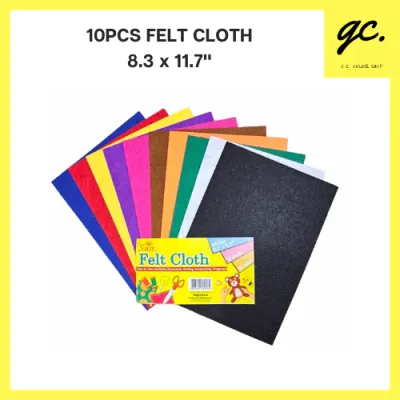
![[Local Shipment]40Pcs Felt Fabric Squares DIY Craftwork Felt Crafts Assorted Colors Textile Fuzzy Fabrics for Scrapbooks Sewing](https://img.lazcdn.com/g/p/bddbed62a9b949d21313c876307085ed.jpg_400x400q80.jpg_.webp)
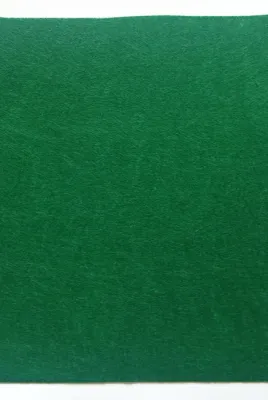
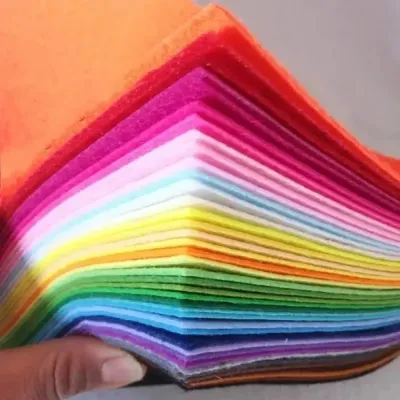
Prices are valid at publication and may change. Please refer to the product page for the latest price.
However, the lack of a woven grid means the needle must pierce through a dense, compressed mass of fibers. The thickness and density of the felt directly dictate how easily your needle passes through the material. A very dense, thick felt requires more force to pierce, which can strain your fingers during long stitching sessions and may distort your stitch tension if the thread is pulled too tightly. Conversely, a loose, low-density felt might let the needle pass through effortlessly, but it may fail to support heavy, dense embroidery stitches, leading to sagging or puckering.
Surface texture also plays a major role in the final visual outcome of your embroidery. A smooth, tightly packed surface allows fine details and thin embroidery floss to stand out clearly. A fuzzy, highly textured felt can swallow up delicate stitches, meaning you will need to use thicker threads, such as crewel wool or multiple strands of cotton floss, to ensure your design remains visible.
Before starting a project, always verify the fabric’s suitability by checking the physical condition of the sheet or roll. Look at the uniformity of the thickness across the sheet; uneven areas can cause inconsistent stitch tension. Check the product label for fiber content and density specifications. If you are purchasing from a local craft store, gently press the fabric between your fingers to ensure it feels firm and consistent, rather than spongy or easily pulled apart.
Comparing Felt Fabric Types for Different Embroidery Projects
Choosing the right felt cloth fabric depends heavily on your project’s purpose, budget, and desired aesthetic. The market offers several distinct types of felt, each with unique physical properties that affect how they handle embroidery needles and thread.

Wool Felt: Made from 100% natural sheep’s wool, wool felt is the premium choice for serious embroidery enthusiasts and heirloom projects. It boasts a high density, excellent structural integrity, and a matte, luxurious texture that showcases fine hand stitches beautifully. Because wool fibers have natural elasticity, the fabric recovers well from needle punctures, holding tight stitches without tearing. It is highly durable and resistant to pilling, making it ideal for items intended for long-term preservation, though it comes at a higher price point.
Synthetic or Acrylic Felt: Typically manufactured from polyester or acrylic fibers, synthetic felt is highly cost-effective and widely available in an extensive array of vibrant colors. It is lightweight and resistant to moths, making it a popular choice for practice pieces, children’s crafts, and large, simple decorative designs. However, synthetic fibers lack the natural elasticity of wool, meaning the fabric can stretch permanently if pulled too hard, and the surface can sometimes feel slightly stiff or scratchy under the needle.
Blended Felt: Usually combining wool and rayon (or polyester) in ratios like 35% wool and 65% rayon, blended felt offers a practical middle ground. It retains much of the soft texture, density, and luxurious appearance of pure wool while remaining more affordable and accessible. The addition of synthetic or semi-synthetic fibers increases the fabric’s tensile strength, making it highly stable for detailed embroidery designs without the premium cost of 100% wool.
Craft Felt: This is the most common, budget-friendly felt found in school supply sections and general craft stores. Often made from low-grade synthetic fibers, craft felt is typically very thin, translucent when held up to the light, and highly prone to stretching and tearing. While it is excellent for temporary backings, basic school projects, or simple applique shapes, its low density makes it poorly suited for complex or heavy embroidery, as the fabric will easily pucker and distort under the tension of multiple stitches.
How to Evaluate and Select the Right Felt for Your Project
To ensure your embroidery project turns out beautifully and lasts for years, you must evaluate the quality of the felt before committing your time and thread. Performing a few simple, observable physical tests can save you from the frustration of a ruined design.
First, perform a stretch and recovery test. Take a corner of the felt cloth fabric and gently pull it horizontally and vertically. High-quality felt will resist stretching and immediately return to its original shape. If the fabric distorts easily, leaves a permanent bulge, or begins to thin out under light tension, it lacks the density required to support complex embroidery stitches. Such fabric is likely to pucker once you remove it from an embroidery hoop or frame.
Next, evaluate the thickness and stiffness of the sheet. Match the fabric’s thickness to the weight of your embroidery thread and the complexity of your pattern. For delicate, highly detailed designs using single strands of floss, a thinner, high-density wool blend (around 1 mm to 1.5 mm thick) is ideal. For structural projects, three-dimensional applique, or heavy crewel work using thick wool yarn, a stiffer, thicker felt (2 mm or more) provides the necessary support without collapsing under the weight of the stitches.
You must also check for colorfastness and pilling tendency, especially in humid tropical environments where moisture can cause dyes to bleed. To test this, take a damp white cotton cloth or cotton bud and gently rub it against an inconspicuous corner of the felt. If any color transfers to the cotton, the dye is unstable, and the fabric should not be washed or exposed to moisture. To check for pilling, rub your thumb firmly across the surface of the felt several times; if fibers immediately begin to ball up or pull away, the felt will likely pill quickly with handling, making it unsuitable for items that will be touched frequently.
When purchasing felt cloth fabric, always read the product specifications and material composition labels carefully. If you are shopping on online marketplaces or sourcing from local craft stores in the Philippines, look for detailed descriptions of the fiber percentage and weight (often measured in grams per square meter or GSM). While craft felt sheets may only cost a few ₱ at local stationery shops, investing in wool blends or high-density synthetic felt is highly recommended for detailed embroidery. Read user reviews specifically looking for feedback from other embroidery crafters, as their experiences with needle glide and fabric splitting are invaluable indicators of real-world performance.
Preparation and Handling Tips for Embroidering on Felt
Proper preparation and handling of your felt cloth fabric before you make your first stitch will ensure a smooth crafting process and a professional finish. Because felt is a compressed fiber material, it behaves differently than woven fabrics under cutting tools and needles.
When cutting your felt, always use highly sharp fabric scissors or a rotary cutter. Dull blades will crush and tear the pressed fibers rather than slicing through them cleanly, resulting in fuzzy, uneven edges that ruin the crisp look of your applique or border. If you are cutting intricate shapes, pinning a paper pattern directly to the felt and cutting through both layers simultaneously can help prevent the fabric from shifting or stretching during the process.
Hooping felt requires a careful touch. While high-density wool or blended felt is often stiff enough to be embroidered “in hand” without a hoop, thinner or softer felts benefit from structural support. If you choose to use an embroidery hoop, be careful not to pull or stretch the felt too tightly when tightening the screw, as this can permanently distort the fibers. To prevent the hoop from leaving permanent crease marks on delicate wool felt, place a scrap piece of cotton fabric or tissue paper between the hoop rings and the felt surface.
Selecting the correct needle and thread combination is critical to avoid damaging the fabric structure. Use a sharp embroidery needle (such as a crewel needle) rather than a blunt tapestry needle. The sharp point easily slices through the compressed fibers without pushing them aside and creating unsightly, permanent holes. Match the needle size to your thread thickness: a needle that is too small will cause friction and fray your embroidery floss, while a needle that is too large will leave visible gaps in the felt that do not close up on their own.
Frequently Asked Questions (FAQ)
Can I wash embroidered felt projects without damaging the fabric?
Washing embroidered felt depends entirely on the fiber content of the fabric. Pure wool felt and high-percentage wool blends are highly sensitive to water, agitation, and heat, which cause the fibers to shrink, warp, and felt further (a process known as shrinkage or felting). For these materials, spot cleaning with a damp cloth and mild soap, or professional dry cleaning, is highly recommended. Synthetic felt, such as polyester or acrylic, is much more water-resistant and can generally be hand-washed gently in cool water with a mild detergent, but you must always verify the manufacturer’s care instructions first to prevent color bleeding or structural damage.
Do I need to use a stabilizer when embroidering on felt cloth?
Whether you need a stabilizer depends on the density of your felt and the complexity of your embroidery design. High-density wool or blended felt is naturally stable and usually does not require any backing for light to medium decorative stitching. However, if you are working with thin craft felt, or if your design features highly dense fill stitches (such as satin stitch or heavy long-and-short stitch), adding a tear-away or water-soluble stabilizer behind the fabric is highly recommended. The stabilizer absorbs the tension of the stitches, preventing the felt from puckering, stretching, or tearing during the embroidery process.

Community discussion
Share your experience or ask a question. Comments are reviewed before publication.