
Mull cloth is a lightweight, plain-woven cotton fabric characterized by its soft texture, open weave, and semi-sheer appearance. Originally used for delicate garments and millinery, this versatile textile has found a permanent place in both garment sewing and traditional bookbinding. In warm, humid climates like the Philippines, its exceptional breathability makes it a highly sought-after material for lightweight apparel, while its structural flexibility makes it indispensable for reinforcing stationery projects. Understanding the unique properties of this fabric allows you to select the right variant for your specific creative needs, whether you are lining a breezy summer dress or binding a custom journal.
When shopping for textiles, you might encounter various lightweight cottons that look similar at first glance. Mull cloth stands out because of its specific balance of softness and structural utility. It is delicate enough to sit comfortably against the skin, yet strong enough when layered to provide essential reinforcement. By learning how to identify, select, and care for this material, you can avoid common sewing mishaps and ensure your finished projects are both durable and functional.
Material Properties and How to Identify Mull Cloth
Identifying genuine mull cloth requires a close look at its fiber composition, weave density, and tactile characteristics. High-quality mull is typically made from 100% cotton, though modern manufacturing sometimes introduces polyester or rayon blends to alter the drape or reduce cost. Checking the manufacturer’s label is the most reliable way to verify the exact fiber content, as synthetic blends behave differently under heat or when exposed to fabric dyes.
Products mentioned in this guide
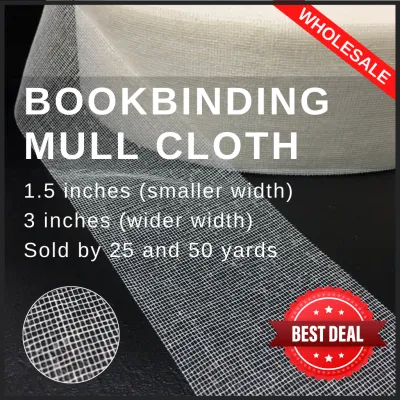
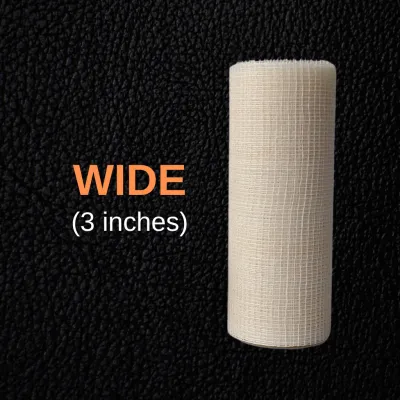
Prices are valid at publication and may change. Please refer to the product page for the latest price.
The weave structure of mull cloth is plain, open, and remarkably lightweight. It is finer and more closely woven than cheesecloth, yet significantly more sheer and airy than standard muslin or broadcloth. When you hold a single layer of mull up to the light, you will notice a distinct semi-sheer quality that allows light to pass through easily. This open structure gives the fabric its signature breathability, making it highly comfortable to wear in tropical heat where air circulation is essential.
In terms of drape and texture, mull cloth is exceptionally soft to the touch and lacks the stiff, starchy finish found in heavily treated utility fabrics. It flows easily and conforms to curves, which is why it is favored for delicate garment details. Despite its softness, it retains a degree of structural integrity that prevents it from stretching excessively out of shape during handling. However, because it is so lightweight, it does not possess a heavy, dramatic drape, meaning it relies on layering or companion fabrics to create structured silhouettes.
Practical Applications in Sewing, Garments, and Crafting
In garment construction, mull cloth serves as an excellent lightweight lining or soft interfacing. When sewing clothing for warm climates, heavy synthetic linings can trap heat and moisture, making garments uncomfortable to wear. Using a cotton mull lining keeps the garment breathable while providing the necessary opacity and interior finish. It can also be used as a sew-in interfacing for delicate collars, cuffs, and button plackets, offering subtle support without adding unwanted bulk or stiffness to the fashion fabric.

Beyond apparel, mull cloth plays a critical role in traditional bookbinding and paper crafting, where it is often referred to as “super” or “spine lining.” In this context, the fabric is glued directly to the spine of a book block to reinforce the binding and connect the pages securely to the outer cover. The open weave of the cloth is ideal for this application because it allows bookbinding adhesives to penetrate the fibers fully, creating a strong, flexible bond that resists cracking over time. When working on custom journals or notebook repairs, verifying that your adhesive is compatible with cotton fibers is key to achieving a long-lasting bind.
For embroidery and quilting, mull cloth serves as a delicate backing or stabilizer. When working with thin or stretchy base fabrics, placing a layer of mull behind the design helps prevent puckering and distortion as you work your needle. It is also used in shadow embroidery, where its sheer quality allows colored threads or fabric pieces layered underneath to show through softly, creating a muted, elegant effect.
Despite its versatility, mull cloth has distinct limitations. Because of its sheer nature and low abrasion resistance, it should not be used as a primary fabric for heavy-duty garments, upholstery, or items subjected to frequent friction. It lacks the tensile strength required for structural bags or tight-fitting apparel, and attempting to use it in these scenarios will likely result in seam slippage or tearing.
How to Choose the Right Mull Cloth for Your Project
Selecting the perfect mull cloth requires a careful evaluation of fabric weight, thread count, and opacity. Fabric weight is typically measured in grams per square meter (GSM) or ounces per square yard; for mull, you want a very low weight that aligns with your project’s structural needs. A lower thread count results in a more open, sheer fabric ideal for bookbinding and delicate overlays, while a slightly higher thread count offers better coverage and stability for garment linings.
Verifying the fiber content is equally important, especially if you plan to dye, print, or chemically finish the fabric. Natural 100% cotton mull accepts fiber-reactive dyes and fabric paints beautifully, yielding rich, even colors. If the fabric contains synthetic blends, it may resist standard cotton dyes, requiring specialized disperse dyes instead. Additionally, the fiber content dictates the type of sewing thread you should use; matching a cotton fabric with a high-quality cotton or polyester-wrapped thread ensures compatible elasticity and strength along the seams.
Before purchasing, always assess the fabric width and calculate your required yardage carefully. Mull cloth is available in various bolt widths, and choosing a wider option can help you cut large pattern pieces or bookbinding strips with minimal waste. Because cotton fabrics are prone to shrinkage, it is wise to purchase approximately 10% to 15% more yardage than your pattern specifies. This extra allowance ensures you still have sufficient material after pre-washing and allows for precise pattern alignment if you are working with directional weaves.
Finally, consider the fabric’s finish, which is generally available in bleached white, unbleached natural, or dyed variants. Unbleached mull retains a warm, cream-like tone and may contain tiny flecks of natural cotton seed hulls, making it perfect for rustic bookbinding or hidden structural layers. Bleached or dyed mull is preferred when the fabric will be visible, such as in sheer garment sleeves or delicate embroidery backings, where a clean, uniform color is necessary to complement the overall design.
Preparation, Care, and Maintenance Guidelines
Proper preparation is essential before you make your first cut. Because natural cotton fibers tend to contract when exposed to water and heat, pre-washing your mull cloth is highly recommended for any project that will eventually be laundered. Skipping this step can lead to uneven shrinkage after the garment is completed, distorting your seams and ruining the fit. To pre-wash, use a gentle cycle with mild detergent, and consider placing the fabric in a mesh laundry bag to prevent the delicate raw edges from fraying or tangling in the machine.
When it comes to ironing and pressing, always check the manufacturer’s label for specific temperature recommendations. Pure cotton can withstand relatively high heat, but if your mull is a synthetic blend, excessive heat can melt or scorch the delicate fibers instantly. Use a clean, dry iron or a light steam setting, and press gently rather than sliding the iron aggressively across the fabric, which can distort the open weave. Using a pressing cloth provides an extra layer of protection against scorching and fabric shine.
For finished items incorporating mull cloth, gentle laundering is key to preserving the fabric’s integrity over time. Hand washing in cool water or using a delicate machine cycle is ideal, especially for garments with exposed mull details or delicate embroidery. Avoid harsh bleaching agents and fabric softeners, which can weaken the fine cotton fibers. Hang the items to dry in a shaded, well-ventilated area to prevent sun bleaching, or tumble dry on a low-heat, gentle setting if permitted by the manufacturer’s care instructions.
In humid environments like the Philippines, proper storage is crucial to protect lightweight textiles from mold, mildew, and pests. Store your mull cloth and finished projects in a cool, dry place away from direct sunlight. Avoid plastic storage bins that can trap moisture; instead, use breathable cotton garment bags or acid-free tissue paper to wrap the fabric. Regularly airing out your storage spaces helps prevent musty odors and ensures your delicate fabrics remain in pristine condition for your next sewing or crafting endeavor.
Frequently Asked Questions (FAQ)
Is mull cloth the same as muslin or cheesecloth?
No, while all three are lightweight cotton fabrics, they differ significantly in weave density and purpose. Cheesecloth has a very loose, gauze-like weave with visible gaps between the threads, making it highly breathable but structurally weak. Muslin is a sturdier, more closely woven utility fabric used for making garment prototypes and draping. Mull cloth sits comfortably between the two; it is finer and softer than cheesecloth, yet lighter and more sheer than muslin, making it ideal for delicate linings and bookbinding reinforcement.
Do I need to pre-wash mull cloth before sewing?
Yes, pre-washing is highly recommended if the finished item will be washed in the future. Because mull cloth is typically made of cotton, it is prone to shrinking during its first exposure to water. Pre-washing stabilizes the fabric dimensions so that your finished garment or craft project retains its intended shape and size. However, if you are using mull cloth strictly for bookbinding or paper crafts where it will never be laundered, you can skip the pre-washing step to preserve the fabric’s flat, crisp texture.

Community discussion
Share your experience or ask a question. Comments are reviewed before publication.