
Selecting high-quality Scout Ranger patches requires a close look at the base fabrics, embroidery threads, and backing materials that determine how well the emblem withstands rugged outdoor use. In the tropical climate of the Philippines, where high humidity, intense heat, and heavy rainfall put tactical gear to the test, patch durability is essential. A premium patch must maintain its structural integrity, resist color bleeding, and stay securely attached to uniforms or gear bags under these demanding conditions. By understanding the material composition and construction techniques of these patches, you can make an informed decision that ensures your insignia remains sharp and intact through every field operation.
Core Base Fabrics for Scout Ranger Patches
The foundation of any durable patch is its base fabric, which provides the structural canvas for the embroidery. Polyester twill is widely considered the industry standard for tactical patches due to its distinct diagonal weave pattern, high tensile strength, and exceptional resistance to abrasion. This synthetic material does not easily stretch or warp, making it highly reliable for maintaining the patch’s original shape even after repeated exposure to moisture and physical stress.
In contrast, cotton blends offer a softer feel but tend to absorb more moisture in humid environments. This moisture retention can lead to mildew growth or a gradual weakening of the fibers over time, which is a significant drawback for gear used in tropical field conditions. While cotton blends can be suitable for casual wear, they generally fall short of the rugged performance standards required for active tactical deployments.
Products mentioned in this guide
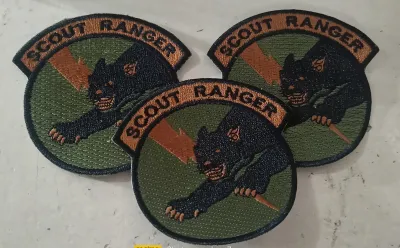
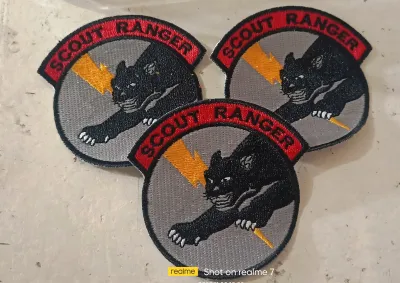
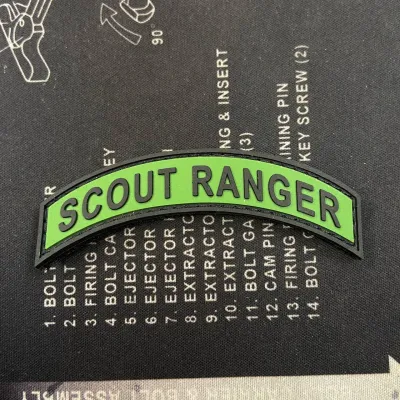
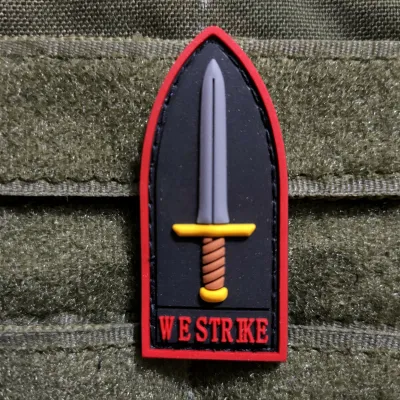
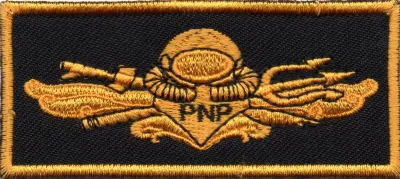
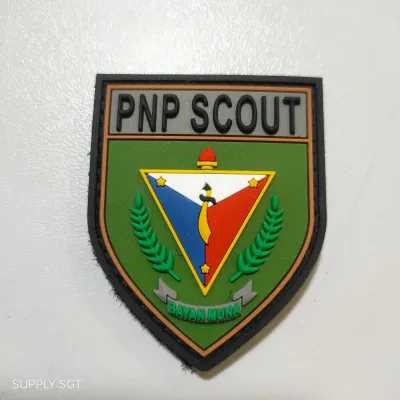
Prices are valid at publication and may change. Please refer to the product page for the latest price.
Another material occasionally encountered is craft felt, which is sometimes used for novelty or light-duty patches. Felt lacks the woven structure and stiffness required for active tactical wear, often showing visible fuzzing, pilling, and structural breakdown after minimal handling. It is highly susceptible to snagging and does not provide a stable enough foundation for high-density embroidery.
To inspect the base fabric of a patch before purchasing, hold it up to a strong light source to check the weave density. A tight, dense weave prevents the background fabric from showing through the embroidery stitches and provides excellent resistance to fraying at the edges. If you can easily see light passing through the unembroidered areas of the base fabric, the patch may lack the structural integrity needed for long-term wear.
Material thickness also plays a critical role in the overall quality of the patch. A sturdy, thick backing fabric supports heavy embroidery stitches without puckering or warping, ensuring the patch remains flat when sewn or pressed onto a uniform. If the base fabric is too thin, the tension of the embroidery threads can pull the material inward, resulting in an uneven, wrinkled appearance that compromises the patch’s professional look.
Embroidery Threads and Stitching Materials
The threads used to create the design determine the patch’s visual detail, texture, and longevity under harsh conditions. Polyester embroidery thread is highly favored for tactical patches because of its exceptional strength and resistance to chlorine, UV fading, and frequent laundering. This makes it particularly well-suited for the intense sunlight and heavy washing cycles common in tropical regions, ensuring the vibrant colors of the Scout Ranger insignia do not fade prematurely.

Rayon thread is another common option, known for its brilliant, silky sheen and soft texture. While rayon offers excellent visual appeal and allows for highly detailed stitching, it is generally more susceptible to moisture damage and color fading when exposed to prolonged sunlight and wet conditions. For tactical applications where durability is the primary concern, polyester thread is almost always the more practical choice.
When evaluating a patch, perform a visual and tactile check of the stitch density. Run your finger across the embroidered surface; it should feel smooth, firm, and uniform, with no loose loops or gaps exposing the base fabric underneath. High stitch density not only enhances the clarity of the design but also protects the threads from snagging on branches, gear straps, or other obstacles during field use.
Proper thread tension during the manufacturing process is crucial for preventing the design from puckering or distorting. Look closely at the transitions between different colors and the borders of the design to ensure the stitches are locked securely in place. Loose or uneven tension can cause the threads to bunch up, leading to premature wear and unraveling.
Always review the manufacturer’s care labels or product specifications for colorfastness and washing instructions rather than assuming thread performance. Different thread treatments and dye lots can affect how the patch responds to detergents, sweat, and water temperatures, so verifying these details beforehand helps preserve the patch’s appearance over its lifespan.
Backing and Attachment Materials
The backing material determines how the patch is attached to your gear and how well it stays in place during active use. Heat-seal adhesive layers, commonly known as iron-on backings, offer a clean and permanent attachment method for everyday apparel and caps. However, it is essential to check the compatibility of the host fabric before application, as synthetic materials like nylon or polyester can melt under the high heat required to activate the adhesive.
For tactical uniforms, tactical vests, and field gear, hook-and-loop backings are the preferred choice. This system provides a secure yet removable attachment, allowing you to easily swap patches or remove them before laundering the uniform to prevent wear and tear. The hook side is typically sewn directly onto the back of the patch, while the loop side is stitched onto the garment.
Plastic stiffeners are often laminated between the base fabric and the backing material to provide extra rigidity. This additional layer keeps the patch flat and prevents it from curling at the corners, which is especially important for larger patches or those mounted on flexible gear like backpacks and sleeve pockets.
Before applying or mounting a patch, inspect the adhesive layer or hook-and-loop alignment. The backing material should be perfectly centered and flush with the edges of the patch. Any misalignment can cause the edges to peel, catch on equipment, or lift during daily wear, leading to premature separation from the garment.
How to Evaluate Patch Quality Before Purchasing
A thorough inspection of a Scout Ranger patch starts with a visual scan for loose threads, uneven borders, and puckering along the edges of the design. These flaws are often indicators of poor tension control or low-quality embroidery machinery. A premium patch should have clean, crisp lines and a uniform surface that lies completely flat.
Examine the border stitching closely to ensure it is secure and complete. The border acts as the primary defense against fraying, wrapping tightly around the raw edges of the base fabric. If you notice any gaps, loose loops, or uneven stitching along the border, the patch is highly likely to unravel after a few washes or active field exercises.
Feel the backing material to identify potential red flags. Brittle, overly stiff adhesives can crack and peel under pressure, while unevenly applied hook-and-loop fasteners may fail to grip securely. The backing should feel firm yet flexible enough to conform to the natural movement of the garment without cracking or lifting.
Look for gaps in the embroidery fill where the base fabric peeks through unintentionally. High-quality patches use dense fill patterns to ensure the design is fully realized and durable enough to resist snagging. If the embroidery appears sparse or thin, the patch will not only look unprofessional but will also be more susceptible to damage from friction and wear.
Frequently Asked Questions (FAQ)
Can I wash scout ranger patches with iron-on backing?
Washability depends heavily on the specific adhesive formulation used and the fabric of the host garment. Always consult the manufacturer’s care instructions to determine the safe temperature limits and recommended washing machine settings. To preserve the adhesive bond, turn the garment inside out before washing, use a gentle cycle with cool water, and avoid high-heat drying cycles which can melt or weaken the glue.
What is the difference between merrowed and hot-cut borders?
Merrowed borders feature a thick, overlocked stitch that wraps around the edge of the patch, providing a classic, raised border that is highly durable and ideal for simple geometric shapes like circles, rectangles, or shields. Hot-cut borders use a heated element to seal the edges of the base fabric and thread, preventing fraying on complex, custom, or irregular patch shapes where a merrowing machine cannot navigate. When inspecting these borders, look for secure, unbroken stitching on merrowed edges, or clean, smooth seals on hot-cut edges without any burnt, discolored, or frayed material residues.

Community discussion
Share your experience or ask a question. Comments are reviewed before publication.