
A complete bead kit must contain three core pillars: a diverse selection of beads, essential jewelry findings, and the necessary hand tools to assemble them. Without these three elements, you will find yourself making extra trips to the craft store or waiting on additional online deliveries just to finish your first bracelet or necklace.
In the Philippines, crafting has become a popular creative outlet and home-based side hustle. However, many starter sets sold on local ecommerce platforms are labeled “complete” but actually omit crucial components like functional pliers or durable stringing wire. Understanding what goes into a truly comprehensive kit helps you spend your hard-earned pesos wisely and ensures your crafting journey starts smoothly.
Essential Beads, Findings, and Stringing Materials
To begin crafting jewelry, you need a balanced mix of decorative elements, structural connectors, and strong stringing mediums. A well-rounded kit should offer a variety of bead materials to help you experiment with different styles. Glass seed beads, typically in sizes like 8/0 or 11/0, are excellent for detailed patterns and delicate rings. Acrylic and polymer clay beads, such as flat disc beads, are highly popular for casual, tropical-themed summer bracelets. Adding a few wooden or metallic accent beads provides texture and contrast to your designs.
Products mentioned in this guide
![[Free Gift] 5000 Pcs beads for bracelet making set beads set kit with tools diy bracelet kit set beads accessories kit set with lock beads set kit complete bravelet making set](https://img.lazcdn.com/g/p/924b5012c03ea19460b1c189336c0dd0.jpg_400x400q80.jpg_.webp)
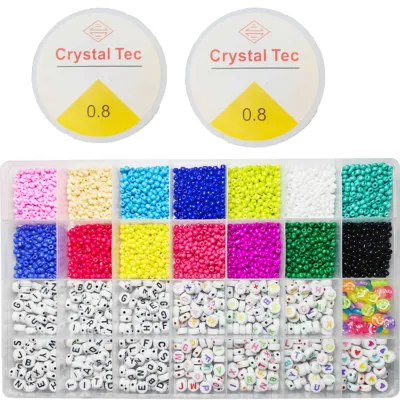
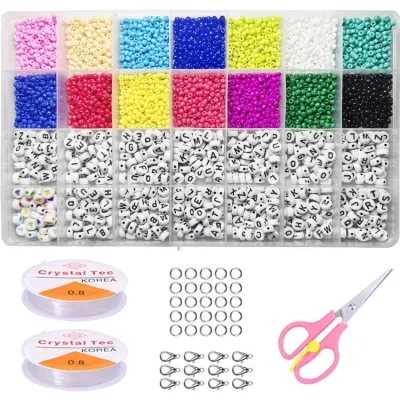
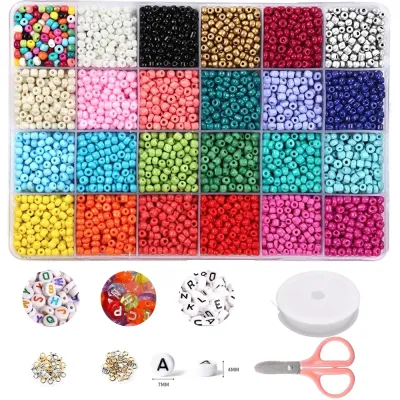
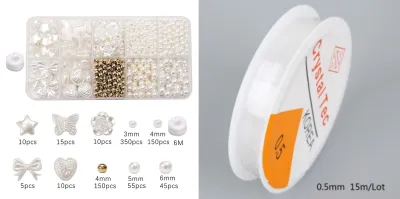
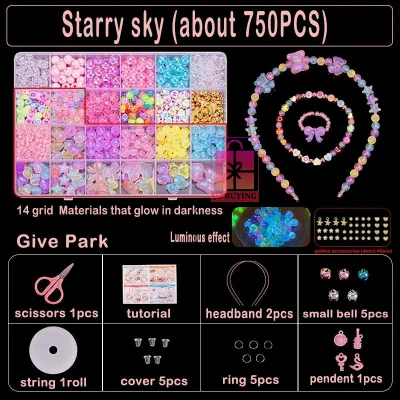
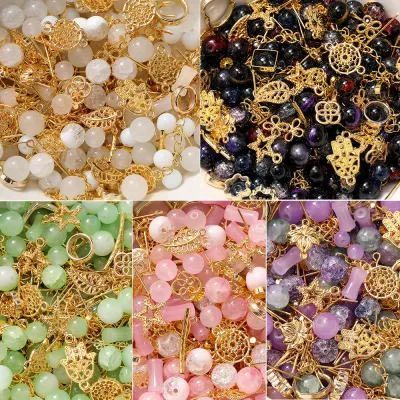
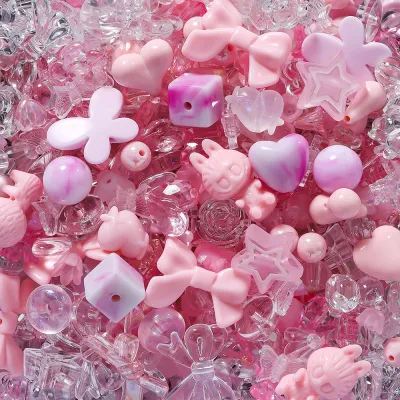
Prices are valid at publication and may change. Please refer to the product page for the latest price.
Beyond the beads, a kit must include jewelry findings, which are the metal components that make your creations wearable. Look for a generous supply of lobster clasps, open jump rings, and ear wires. Crimp beads—tiny, soft metal tubes used to secure the ends of your stringing material—are absolutely essential for professional finishing. Without these small metal parts, your beads will remain loose on a string.
Finally, verify the types of stringing materials included in the package. A versatile kit should provide elastic cord for quick, clasp-free stretch bracelets, alongside nylon thread or tiger tail beading wire for structured necklaces. In the warm, humid climate of the Philippines, elastic cords can degrade over time if exposed to constant heat and sweat. Checking that the kit includes high-quality, multi-strand elastic cord (ideally 0.8mm to 1.0mm in thickness) ensures your handmade jewelry remains durable and elastic.
Must-Have Hand Tools for Assembly and Finishing
Assembling jewelry requires precision that household tools cannot provide. A genuinely complete starter kit must feature a core set of three jewelry pliers. Round-nose pliers are essential for bending wire into smooth, consistent loops for earrings and charms. Chain-nose pliers, which have a flat inner surface, are used to grip small findings, open jump rings safely, and flatten crimp beads. Wire cutters are the final piece of the trio, allowing you to make clean, flush cuts on beading wire and headpins.

While basic pliers can get the job done, advanced kits sometimes include a dedicated crimping tool. This specialized tool folds crimp beads into neat, rounded shapes that will not scratch your skin or snag on clothing. Additionally, a soft bead mat or a compartmentalized felt tray is incredibly helpful. These mats prevent round beads from rolling off your table, saving you from searching the floor for runaway components.
When evaluating the tools in a kit, look for key quality indicators rather than brand names. The pliers should feature comfortable, slip-resistant rubber or ergonomic foam grips to prevent hand fatigue during long crafting sessions. Inspect the wire cutters to ensure the blades meet flush without any visible gaps, which guarantees clean cuts and prevents frayed wire ends that are difficult to thread.
Storage and Workspace Organization Accessories
Beads are notoriously easy to spill, mix up, and lose. A complete kit must address this challenge by providing a reliable storage solution. Look for kits housed in sturdy, compartmentalized plastic boxes with secure, independent latches. Having separate compartments for each bead color and size prevents them from mixing during transit or when stored in your drawer.
Stringing wires and elastic cords should also be managed properly. High-quality kits provide these materials wound neatly on plastic spools or bobbins. Loose coils of wire easily kink, and once a metal wire is kinked, it is nearly impossible to straighten out, rendering that section useless for your projects.
Take a moment to evaluate whether the included storage box is durable enough for long-term use. Flimsy, thin plastic packaging that cracks easily under light pressure will force you to purchase a separate organizer almost immediately. A sturdy, reusable container protects your materials from dust and moisture, keeping your workspace organized and your supplies pristine.
How to Evaluate a "Complete" Kit Before Purchasing
Marketing terms like “complete” or “all-in-one” are often used loosely by online sellers. To avoid disappointment, always compare the seller’s itemized inventory list against the core components, tools, and storage needs outlined above. Do not rely solely on product photos, as some listings display tools and finished jewelry that are not actually included in the box.
Identify common red flags before making your purchase. A major warning sign is a kit that boasts tens of thousands of beads but includes zero clasps, jump rings, or stringing cord. Another red flag is a kit that provides beading wire but omits the pliers and crimp beads needed to secure it. A kit is only as good as its weakest link; if you have to buy three extra items separately, it is not a complete set.
Finally, balance the quantity of beads against the quality of the tools and findings. It is often wiser to choose a kit with a modest number of uniform, high-quality glass beads and solid metal pliers over a massive kit filled with unevenly cut plastic beads and rusted, flimsy tools. In the Philippines, low-grade metal findings can tarnish or rust quickly due to high humidity. Prioritize kits that offer stainless steel or brass findings, and check user reviews to verify that the metal parts do not arrive discolored.
Frequently Asked Questions (FAQ)
Do I need to buy extra tools if my kit already includes them?
For most beginners, the basic pliers and cutters included in a starter kit are perfectly adequate for learning the fundamentals. However, as you gain experience, you may find that the budget tools included in cheap kits lack comfort or precision. If you experience hand fatigue or struggle to make clean, flush cuts, upgrading to professional-grade ergonomic pliers is a smart investment. Additionally, specialized tools like bead looms, split-ring pliers, or wire-wrapping jigs are rarely included in starter kits and must be purchased separately if you decide to explore those specific techniques.
What is the difference between a jewelry making kit and a bead kit?
While the terms are often used interchangeably, they focus on different aspects of the craft. A bead kit primarily focuses on the beads themselves, often containing thousands of colorful seed, clay, or acrylic beads, along with simple elastic cord, making it ideal for casual bracelet making. A jewelry making kit, on the other hand, focuses heavily on metalwork, findings, and structured assembly. It typically includes a wider variety of metal chains, headpins, ear wires, and professional hand tools, allowing crafters to design more complex, structured pieces like drop earrings, clasped necklaces, and wire-wrapped pendants.

Community discussion
Share your experience or ask a question. Comments are reviewed before publication.