
Selecting a 36-piece air dry clay set with tools is an exciting step for crafters, students, and hobbyists looking to explore modeling without the need for a kiln or oven. These sets promise a vast spectrum of colors and all the necessary sculpting accessories in one convenient package. However, not all sets are created equal, and a high piece count does not always guarantee a high-quality crafting experience. To make an informed purchase, you must evaluate the actual volume of clay, the safety of the materials, the durability of the included tools, and how well the packaging preserves the clay in humid environments.
Decoding the 36-Piece Count and Net Weight
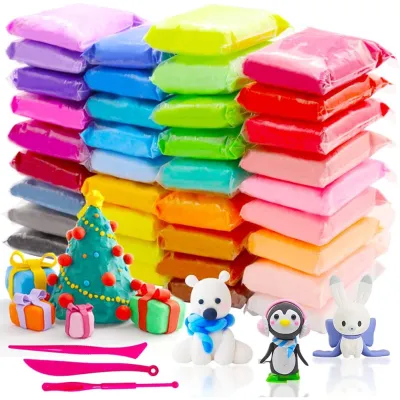
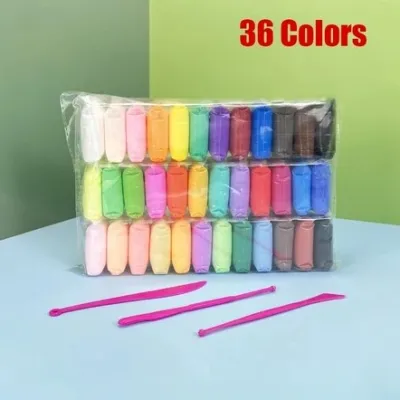
When browsing for an air dry clay set with tools 36 pcs, it is easy to assume you are getting 36 substantial blocks of clay. In reality, manufacturers often calculate the piece count by adding up every single item in the box. A typical 36-piece set might contain 24 small clay blocks, 3 plastic sculpting tools, and 9 decorative accessories like keychains, googly eyes, or jewelry hangers. To avoid disappointment, always read the product description carefully to identify the exact ratio of clay blocks to tools and accessories.
Beyond the piece count, pay close attention to the total net weight of the set. A package containing 36 pieces might weigh 300 grams, while another weighs 500 grams or more. Individual block weights can range from a tiny 10 grams to a more substantial 20 grams or more. If you plan to sculpt larger figurines or multiple projects, opting for a set with heavier individual blocks is essential, as tiny blocks will limit you to miniature creations.
Products mentioned in this guide
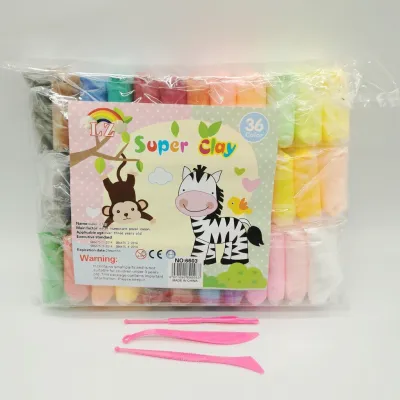
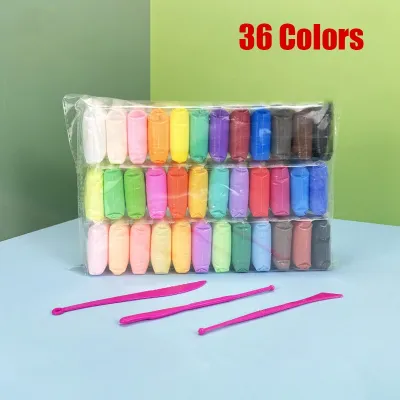
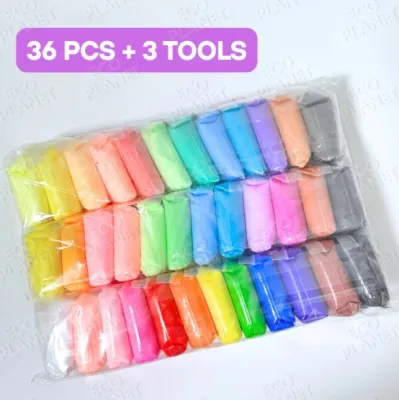
Prices are valid at publication and may change. Please refer to the product page for the latest price.
Evaluating Clay Texture and Drying Specifications
The workability of air dry clay depends entirely on its texture and how it behaves as it cures. High-quality air dry clay should feel soft, pliable, and lightweight, stretching slightly without immediately tearing. Look for manufacturer specifications regarding shrinkage and cracking. As water evaporates during the drying process, inferior clays can shrink excessively, leading to deep cracks that ruin your finished sculpture.

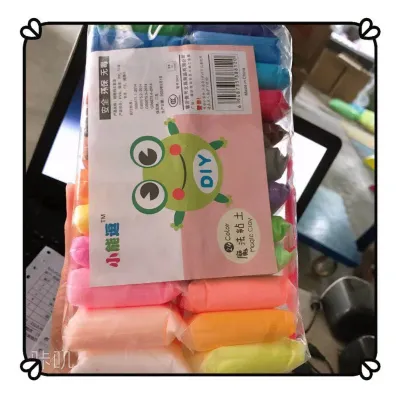
Because modeling clay requires prolonged skin contact, safety is a paramount concern. Always verify that the packaging displays clear non-toxic certifications, such as ASTM D-4236 or EN71 compliance marks. These labels ensure the clay is free from harmful chemicals and safe for crafters of all ages.
Additionally, check the moisture seal of the individual clay wrappers. In warm, tropical climates, high humidity and ambient heat can accelerate the degradation of poorly sealed packaging. If the inner plastic wrappers are thin or lack a proper vacuum seal, the clay may absorb ambient moisture or, conversely, dry out and harden inside the box before you even open it.
Assessing Tool Materials and Build Quality
The tools included in a 36-piece set are just as important as the clay itself for shaping, cutting, and adding fine details. Most budget-friendly sets include molded plastic tools, which are lightweight and safe but can vary significantly in quality. Inspect the product photos or specifications to ensure the plastic is rigid enough to carve and shape the clay without bending or snapping under pressure.
Safety and finish are critical when evaluating these tools. Look for tools with smooth, rounded edges and check that there is no sharp plastic flashing left over from the manufacturing mold. Smooth tools are not only safer for younger users but also prevent accidental scratches and unwanted textures on the surface of your wet clay.
Consider the utility and design of the tools. Double-ended tools—such as a spatula on one end and a needle tool on the other—provide maximum versatility while keeping the tool count compact. Ergonomic handles with a slight texture or thickness offer a more comfortable grip, reducing hand fatigue during detailed, extended crafting sessions.
Checking Packaging and Storage Viability
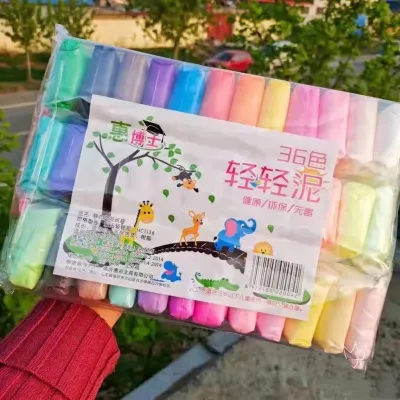
Air dry clay begins to cure the moment it is exposed to air, making storage a critical factor in the longevity of your set. Check whether the individual clay blocks are wrapped in simple tear-open plastic or if they come in resealable zip-top bags. If the wrappers are not resealable, you will need to provide your own airtight containers or plastic wrap to preserve leftover clay.
The outer packaging also plays a vital role in protecting your supplies. A sturdy, latching plastic storage box is highly preferable to a flimsy cardboard box. In humid regions, cardboard easily absorbs moisture from the air, softening over time and failing to protect the contents from dust, pests, or accidental spills.
Finally, look for sets that feature compartmentalized plastic inserts or trays. These dividers keep the individual clay blocks neatly organized and prevent the hard edges of the sculpting tools from puncturing the soft clay wrappers during transit or storage, ensuring your materials remain fresh and ready for your next project.
Frequently Asked Questions (FAQ)
What factors affect the drying time of air dry clay?
The drying time of air dry clay is primarily influenced by the thickness of the sculpture, ambient room temperature, and local humidity levels. In highly humid tropical environments, the moisture in the clay evaporates much more slowly, which can significantly extend the curing process. To ensure even drying and prevent cracking, check the manufacturer’s label for recommended thickness limits, and consider using lightweight armatures like aluminum foil inside larger sculptures to keep the clay layer thin.
Can air dry clay be painted after it dries?
Yes, once air dry clay is completely cured and dry to the touch, it can be painted with common craft mediums. Acrylic paints are highly recommended because they offer vibrant, opaque coverage and provide a slightly water-resistant protective layer over the porous clay. It is always wise to test your paint on a small, hidden area of your sculpture or a dried scrap piece first to verify compatibility and ensure the paint adheres smoothly without softening the clay.

Community discussion
Share your experience or ask a question. Comments are reviewed before publication.