
When shopping for creative materials, a 36 pcs bouncing clay set stands out as an incredibly versatile and colorful option for both children and hobbyists. This specific size offers an expansive palette that allows for intricate modeling, detailed color blending, and hours of tactile play. However, because bouncing clay—often referred to as jumping clay or super-light air-dry clay—relies on unique polymer formulations to achieve its signature elastic bounce, not all sets on the market perform equally. To ensure your purchase is worth the investment, you must evaluate several critical quality benchmarks before checking out.
A high-quality set should offer a smooth, non-sticky texture that is easy to knead without leaving a messy residue on hands or work surfaces. It must also deliver a realistic bounce when rolled into a tight, smooth sphere and dropped onto a hard surface, maintaining its shape without cracking. Furthermore, the 36 colors should be vibrant, opaque, and highly blendable, packaged in individually sealed, airtight containers to prevent the clay from drying out prematurely in hot or humid climates. By focusing on these core elements, you can find a set that provides excellent usability and long-lasting creative value.
Texture and Pliability: How to Spot Quality 36 Pcs Bouncing Clay
The tactile feel of the clay is the most immediate indicator of its overall quality. High-quality bouncing clay should feel incredibly lightweight, soft, and pillowy to the touch. When you pull it apart, it should stretch smoothly rather than snapping instantly, allowing you to mold fine details, thin layers, and delicate structures without the material crumbling or tearing in your hands. This pliability is essential for complex modeling projects where different components need to be joined together seamlessly.
Products mentioned in this guide
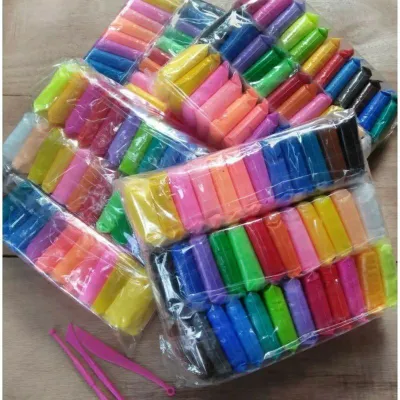
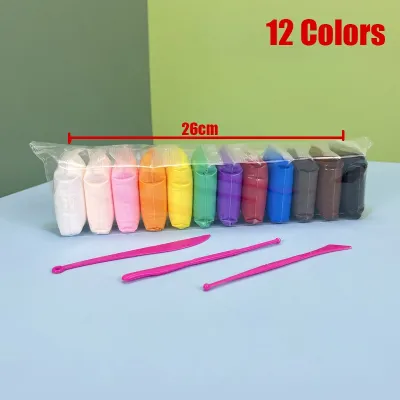
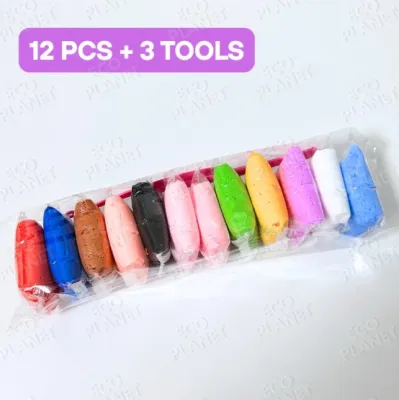
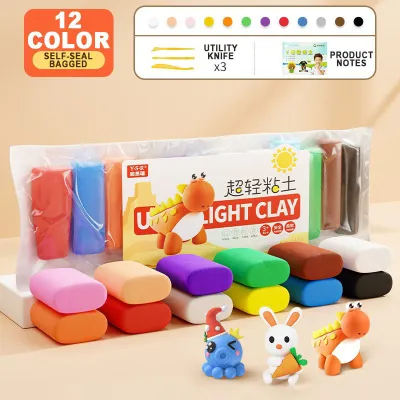
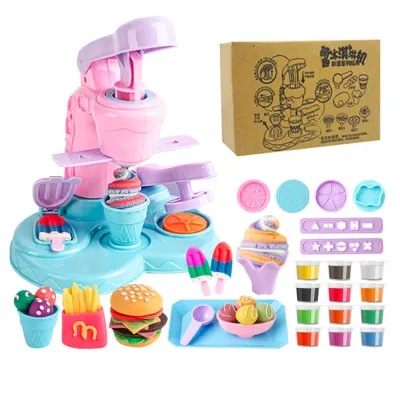
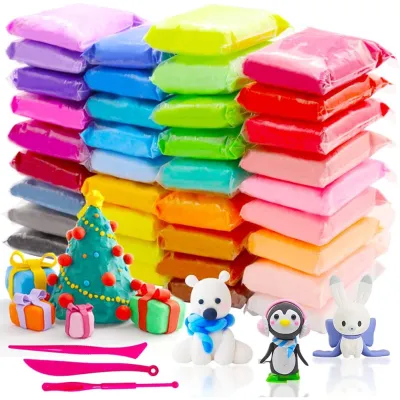
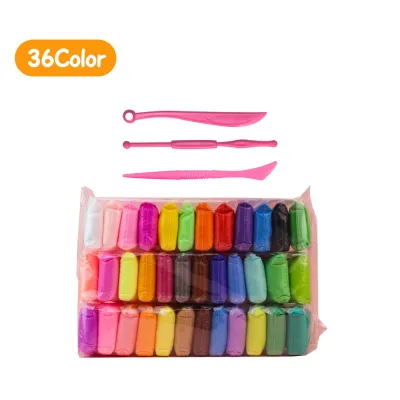
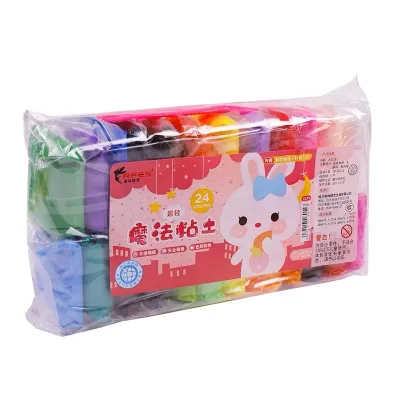
Prices are valid at publication and may change. Please refer to the product page for the latest price.
Conversely, poor-quality or degraded clay stock exhibits several frustrating characteristics. Excessive stickiness is a common issue, where the clay clings to your fingers, leaving a colored residue that is difficult to scrape off. This often happens when the formulation has too much moisture or has begun to break down. On the other end of the spectrum, clay that feels dry, stiff, or shows visible micro-cracks upon kneading has likely suffered from air exposure during storage. Another warning sign is a greasy or oily film on the surface of the clay, which indicates that the plasticizers or oils have separated from the binding agents.
These texture variations directly impact the play and crafting experience. If you are working with multiple colors from a 36-piece set to build a multi-layered figure, sticky clay will smudge and bleed into adjacent colors, ruining the clean lines of your design. Stiff, dry clay will refuse to stick to itself, causing limbs, ears, or decorative elements to fall off your models as they dry. Smooth, balanced clay allows for clean joints and holds its shape perfectly while air-curing.
To safeguard your purchase, take time to read user reviews on popular e-commerce platforms before making a decision. Search specifically for feedback containing keywords like “sticky,” “dry,” “crumbly,” or “smooth.” Pay close attention to reviews from buyers who mention how the clay felt immediately upon opening the individual packets, as this gives the most accurate picture of the product’s quality control and shelf-life stability.
Bounce Ability: Setting Realistic Expectations for "Jumping" Clay
The ability to bounce is what separates this material from traditional plasticine or heavy polymer clays. This “jumping” effect is achieved through a formulation of lightweight micro-beads and elastic binders that trap tiny pockets of air within the clay structure. However, this bounce is not automatic; it requires the clay to be rolled into a tight, perfectly smooth sphere with no visible seams or cracks. Any irregularities on the surface of the ball will absorb the impact energy, causing it to thud or roll away instead of bouncing upward.

It is important to set realistic expectations regarding how high this clay can actually jump. Unlike a solid, high-velocity rubber ball, bouncing clay is extremely lightweight. Consequently, air resistance plays a significant role, and the bounce will naturally be more subdued. The height of the bounce depends heavily on the surface it hits, the tightness of the rolled sphere, and the freshness of the clay. Fresh, slightly moist clay has more elasticity, whereas fully dried clay becomes rigid and may lose some of its impact-absorbing springiness, though it will still retain a lightweight, foam-like bounce.
Environmental factors in tropical climates, such as the high humidity and ambient warmth common in the Philippines, can temporarily affect the clay’s physical properties. On particularly humid days, the clay may absorb a small amount of atmospheric moisture, making it feel slightly softer and reducing its immediate bounce. If the clay feels too soft to bounce effectively, rolling it into a ball and letting it sit in an air-conditioned room or a dry, cool space for a few minutes can help restore its firmness.
When evaluating a set online, look for product demonstration videos or video reviews uploaded by verified buyers. Watch how the clay behaves when dropped from a height of about thirty centimeters onto a hard surface, like a tiled floor or a wooden table. A genuine, high-quality bouncing clay should rebound cleanly to at least half of its drop height without flattening, cracking, or leaving a sticky mark on the floor.
Color Vibrancy and Mixing: Assessing the 36-Piece Palette
A 36-piece set is highly appealing because of the sheer variety of colors it provides. When inspecting the set, the colors should appear bright, saturated, and completely opaque. Low-quality sets often save on manufacturing costs by using cheap pigments or excessive fillers, resulting in colors that look washed out, chalky, or semi-translucent. The clay in the package should match the vibrant hues shown in promotional photos, offering a rich visual experience that makes finished models look professional.
With 36 distinct shades at your disposal, the potential for color mixing and blending is vast. High-quality bouncing clay blends beautifully, allowing you to create smooth gradients or entirely new custom shades by kneading two or more colors together. When blending, the colors should merge cleanly without turning into a dull, muddy gray or brown too quickly. This clean blending capability is crucial for artists who want to shade their models or create realistic skin tones, foliage, and textures.
One trade-off of highly pigmented clay is the risk of temporary skin staining. Deep reds, dark blues, and vibrant greens may leave a slight color cast on your fingertips during prolonged kneading. While this is common with rich pigments, the clay should not leave permanent stains on your hands or non-porous work surfaces. Always check the product description or packaging labels for explicit “washable” or “easy-to-clean” claims, and consider using a plastic silicone mat to protect wooden tables or porous surfaces from pigment transfer.
Finally, check for color consistency across the entire 36-piece collection. In lower-tier sets, some colors may have a different consistency than others—for example, the neon shades might feel stickier while the pastel shades feel drier. A premium set ensures that every single packet, regardless of the pigment used, shares the exact same smooth texture, drying time, and weight, ensuring a predictable crafting experience from one color to the next.
Packaging and Storage: Keeping 36 Colors Fresh and Organized
Because bouncing clay is an air-dry material, exposure to the atmosphere is its ultimate enemy. Once exposed to air, the moisture begins to evaporate, initiating an irreversible curing process. Therefore, the way the 36 individual pieces are packaged is absolutely critical to the set’s longevity. Each of the 36 colors must be sealed in its own individual, airtight container. These typically come in two formats: heat-sealed plastic foil packets or small plastic tubs with snap-on lids.
While heat-sealed foil packets are excellent for preserving freshness before the first use, they can be difficult to reseal tightly once opened. If you only plan to use a small portion of a color at a time, sets that come in individual plastic tubs with airtight lids are far more practical. If your chosen set uses foil packets, you will need to have small zip-lock bags or airtight containers on hand to store the leftover clay immediately after opening.
Beyond the individual packaging, the outer storage container plays a significant role in keeping your collection organized. A 36-piece set consists of many small parts, which can quickly become cluttered. A sturdy, reusable outer plastic storage box with a secure latch and a carrying handle is highly desirable. This keeps all 36 colors neatly organized, protects them from physical damage, and makes the entire set highly portable for school projects or playdates.
In warm, tropical climates, storage conditions require extra attention. High ambient temperatures can accelerate the drying process if there is even a microscopic tear in the packaging. Always check the outer box for manufacturing or expiration dates to ensure you are not buying old stock that has been sitting in a warm warehouse for years. Once you open a packet, make it a habit to squeeze out all excess air before sealing it, and store the entire set in a cool, dark cupboard away from direct sunlight.
Safety and Age Suitability: Checking Labels and Certifications
Safety is a paramount consideration for any arts and crafts material, especially since bouncing clay is incredibly popular among younger children. Because users will have direct, prolonged skin contact with the clay, you must verify that the product is certified non-toxic. Look for recognized international safety standards printed on the packaging, such as ASTM D-4236 (Standard Practice for Labeling Art Materials for Chronic Health Hazards) or EN71 (European Product Safety Standard for Toys).
Due to the small size of the individual clay portions in a 36-piece set, these products present a notable choking hazard. The brightly colored, soft pieces can easily be mistaken for candy or dough by very young children. Consequently, these sets are generally rated for children aged 3 years and older. If younger children are present, close adult supervision is mandatory to ensure that no clay is placed in the mouth or swallowed.
Even with certified non-toxic formulations, individuals with sensitive skin or dermatological conditions should exercise caution. The synthetic polymers, colorants, and preservatives used to keep the clay fresh can occasionally cause mild skin irritation during extended play sessions. To minimize this risk, encourage users to wash their hands thoroughly with soap and water immediately after crafting. If any redness or itching occurs, discontinue use and consult a healthcare professional.
It is also important to remind children that bouncing clay is strictly an art medium and is not edible. Unlike traditional play doughs made from flour and water, bouncing clay contains synthetic binders that do not digest. Always read the manufacturer’s safety guidelines on the box, and ensure the workspace is well-ventilated if you are working on large-scale projects that require hours of continuous modeling.
Value and Usability: Is a 36-Piece Set Right for Your Needs?
Before purchasing a 36-piece set, consider whether this size aligns with your specific creative goals. A 36-piece set is the ideal choice for advanced crafters who require a wide spectrum of pre-mixed colors to create highly detailed, realistic models. It is also excellent for art classrooms, school projects, or households with multiple children, where a large variety of colors prevents arguments over who gets to use the primary shades.
However, if you are a complete beginner or only plan to make simple, single-color shapes, a smaller 12-piece or 24-piece set might be a more sensible starting point. Bouncing clay has a finite shelf life once the outer packaging is opened. If you buy a large 36-piece set but only use three or four colors regularly, the remaining 32 colors may eventually dry out in storage before you get a chance to use them, resulting in unnecessary waste.
To ensure you are getting genuine value, use this quick pre-purchase checklist:
- Total Net Weight: Compare the total weight of the set rather than just the piece count. Some cheap sets offer 36 pieces, but each packet contains only 5 grams of clay, whereas standard quality sets typically offer 10 to 15 grams per color.
- Color Distribution: Ensure the set includes a good balance of essential utility colors like white and black, which are frequently used for mixing, highlighting, and creating eyes or structural bases.
- Seller Return Policy: Verify that the retailer offers a return or replacement policy in the event that some of the clay packets arrive dried out or damaged during transit.
In terms of pricing, 36-piece bouncing clay sets generally fall into a highly accessible price band, ranging from approximately ₱150 for basic budget sets to ₱500 or more for premium brand-name kits that include sculpting tools, project tutorial booklets, and high-quality reusable storage tubs. Weighing these factors against your project needs will help you choose a set that offers the perfect balance of quality, quantity, and price.
Frequently Asked Questions (FAQ)
Can bouncing clay be reused or revived once it dries out?
Once bouncing clay completely dries and hardens, it undergoes a chemical curing process that permanently cross-links the polymers. Because of this, fully cured clay cannot be revived or returned to its original pliable, bouncy state. However, if the clay is only slightly stiff or has just begun to dry out, you can sometimes salvage it by adding a single drop of water, kneading it thoroughly for several minutes, and sealing it in an airtight bag overnight. The key to preserving your clay is prevention, which requires keeping all unused portions tightly sealed in airtight containers at all times.
Does bouncing clay leave grease stains on paper or fabric?
Some lower-quality bouncing clays contain cheap oils or liquid plasticizers that can migrate out of the material over time, leaving translucent grease marks on porous surfaces like paper, cardboard, or delicate fabrics. High-quality sets use stable binders that dry clean and residue-free. To protect your work, avoid placing uncured clay directly onto important documents, school notebooks, or expensive fabrics. It is always best to test a small, inconspicuous piece of clay on a scrap piece of paper first, and use a plastic sheet or silicone mat as a protective barrier on your work table during crafting sessions.

Community discussion
Share your experience or ask a question. Comments are reviewed before publication.