
Preparing a child for elementary school art class requires a reliable painting set that balances educational utility, safety, and durability. A complete school painting set must contain non-toxic pigments, appropriate brushes, a mixing palette, sturdy paper, and cleanup tools. Having the right supplies ensures that young students can focus on developing their fine motor skills and color theory concepts without the frustration of tearing paper or shedding brush bristles.
Understanding School Art Requirements
Before purchasing any art supplies, review the specific requirements provided by your child’s school. Many elementary schools in the Philippines distribute an official school supply list or a detailed art syllabus at the beginning of the academic year. This document outlines the exact mediums required for the curriculum, preventing parents from buying unnecessary items that will remain unused.
Consulting directly with the art teacher can clarify specific preferences that may not be fully detailed on a printed list. For instance, a teacher might prefer watercolor pans over watercolor tubes for younger students because pans are less messy and easier to manage in a crowded classroom. Alternatively, older elementary students might require poster paints in tubes to learn color mixing and opaque layering techniques. Asking about preferred brush sizes—typically a mix of medium rounds and small flats—ensures your child has the exact tools needed for scheduled classroom projects.
Products mentioned in this guide
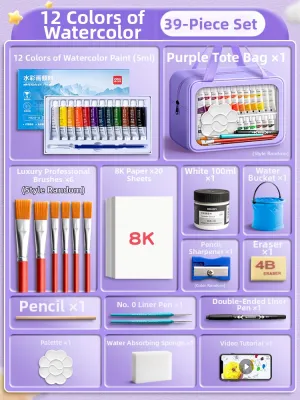
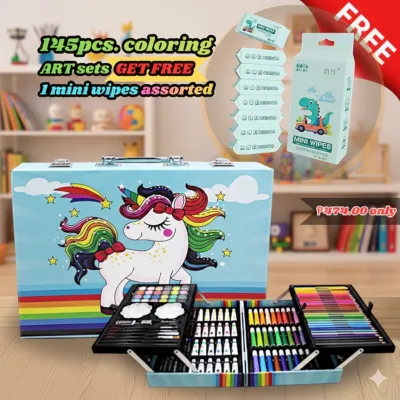
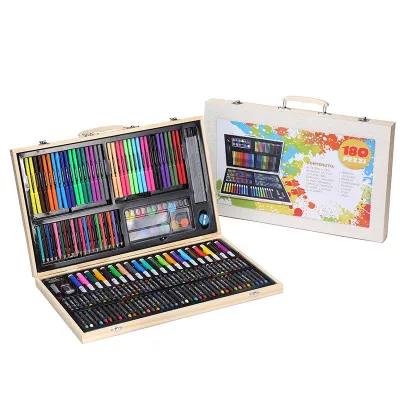
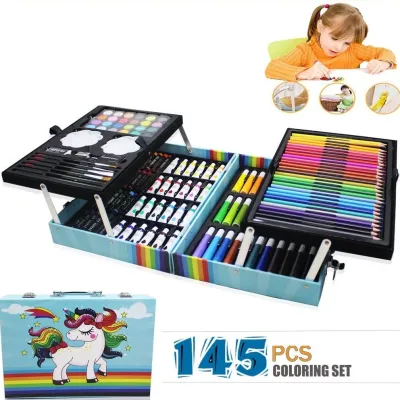
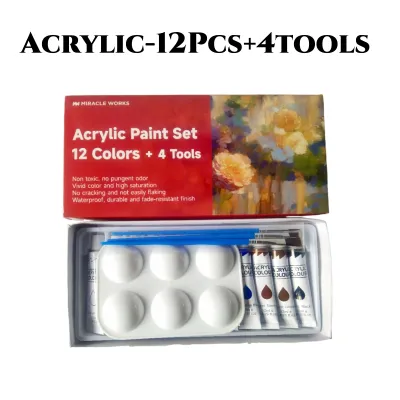
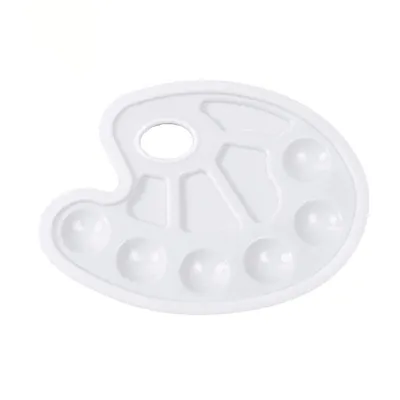
Prices are valid at publication and may change. Please refer to the product page for the latest price.
Classroom rules and environment also dictate what materials are practical. Many schools enforce strict guidelines regarding washability to protect uniforms and classroom furniture. You should also consider spill prevention; some teachers require specific types of water containers or limit the volume of liquid paint allowed on desks. Additionally, verify if the school mandates specific non-toxic certifications, which are crucial for ensuring that materials are safe for prolonged skin contact.
Essential Components of a Complete Painting Set
A functional painting set is more than just a box of colors; it is a coordinated system of tools designed to work together. To ensure a smooth creative process, a student needs four core categories of items: pigments, application tools, mixing surfaces, and painting substrates. Omitting any of these components can disrupt a lesson, as students may find themselves without a way to mix colors or a suitable surface that can handle wet media.

For elementary students, these materials must be durable and child-friendly. Classroom environments are fast-paced, and art supplies are frequently shared, dropped, or packed away quickly at the end of a class period. Selecting items made from shatterproof plastics, secure closures, and robust synthetic fibers will help the set withstand daily wear and tear throughout the school year.
Paints and Pigments
Selecting the right paint type depends heavily on the student’s grade level and the school’s curriculum goals. Watercolor pans are highly recommended for early elementary grades due to their portability and low mess factor. They dry quickly on the page and require only a small amount of water to activate. Watercolor tubes offer more vibrant, concentrated color but require careful portion control to prevent waste. Poster or tempera paints provide an opaque finish that is excellent for teaching color mixing, though they have a thicker consistency and take longer to dry.
When evaluating paint options, check the manufacturer’s specifications for opacity, color vibrancy, and drying time. In the humid tropical climate of the Philippines, drying times can vary significantly. Opaque paints like poster colors may remain tacky longer on humid days, which can lead to smudging when pages are turned. Look for pigments that dry to a matte, non-sticky finish within a few minutes to ensure projects can be safely stored at the end of the class hour.
The number of colors in a set should align with basic color theory lessons. A set of 12 to 24 colors is generally ideal for elementary students. This range typically includes the primary colors (red, yellow, blue), secondary colors (orange, green, violet), and neutrals like black and white. Avoid overly large sets with dozens of pre-mixed shades, as they deprive students of the opportunity to learn how to mix their own colors and can be bulky to carry.
Brushes and Application Tools
A student’s ability to control paint depends largely on the quality and shape of their brushes. A basic school set should include at least three essential brush shapes: a medium round brush (size 6 or 8) for general painting and curved lines, a flat brush (size 10 or 12) for filling in large background areas, and a small detail brush (size 2 or 4) for fine lines. Having this variety allows students to complete different tasks without damaging their brushes by forcing them into unsuitable roles.
The physical design of the brush must match a child’s physical development. Look for brushes with short, thick handles that fit comfortably in smaller hands, providing better control and reducing hand fatigue. Synthetic bristles, such as nylon or taklon, are highly recommended for school use because they are durable, retain their shape well, and are easy to wash with plain water. Avoid cheap natural hair brushes that shed bristles onto the wet paint, which can frustrate young artists.
While some art sets include alternative application tools like sponges, foam rollers, or plastic palette knives, these should only be added if explicitly requested by the teacher. In most elementary art classes, standard brushes are sufficient. Keeping the tool selection focused prevents the art box from becoming cluttered and makes it easier for the student to locate the correct brush during a timed lesson.
Palettes, Paper, and Cleanup Supplies
Supporting tools are just as important as the paint and brushes themselves. A good mixing palette should be made of smooth, white, easy-to-clean plastic. Look for designs with deep wells that prevent different paint colors from running into each other, especially when students are working with watery washes. Some palettes come with lids, which are highly practical for saving leftover paint for the next class session.
The choice of paper can make or break a painting project. Standard printer paper or thin drawing pads will quickly warp, wrinkle, or tear when exposed to water. For elementary art classes, select a dedicated watercolor pad or a heavy mixed-media paper with a weight of at least 180 to 300 gsm (grams per square meter). This thickness ensures the paper can absorb moisture without bleeding through to the desk or tearing under repeated brush strokes. Spiral-bound pads are particularly useful as they keep projects organized and flat.
Finally, a complete set must include cleanup essentials to foster good classroom habits. A spill-proof water cup with a wide base is crucial for preventing accidental messes on desks. Pack a small pack of paper towels or a reusable microfiber cloth for wiping brushes, along with a lightweight plastic apron to protect school uniforms. Including a small bar of mild brush soap helps students clean their brushes thoroughly at the end of class, extending the lifespan of the tools.
Pre-Assembled Kits vs. Custom-Built Sets
When preparing for the school year, parents often face the choice between buying a pre-assembled art kit or building a custom set from individual items. Pre-assembled kits offer unmatched convenience and standardized packaging. They are readily available on online marketplaces and in local stationery stores, often containing a pre-selected assortment of paints, brushes, and a small palette in a single carrying case. This option saves time and ensures that all components fit neatly together.
However, custom-built sets allow for much higher quality control and flexibility. Pre-assembled kits often include low-quality brushes that shed easily or chalky paints that lack vibrancy. By purchasing items individually, you can select a high-quality watercolor pad, durable synthetic brushes, and a reliable paint set that matches the teacher’s exact specifications. Custom building also allows you to replace individual components as they wear out, rather than buying an entirely new kit.
From a financial perspective, comparing the long-term cost-effectiveness in Philippine Pesos (₱) is essential. While a pre-assembled kit may have a lower initial price tag, cheap brushes and low-quality paints often need mid-year replacements due to damage or poor performance. Investing slightly more upfront in a custom-built set with durable, individual components can save money over the course of the school year. For example, buying a sturdy plastic palette and a set of high-quality brushes means you will only need to replace the paper and paint refills as they are consumed.
Safety and Usability Checks for Young Artists
Safety must be the top priority when selecting any art material for children. Always read product labels carefully to verify that the paints and tools carry recognized non-toxic certifications, such as the AP (Approved Product) seal from the Art and Creative Materials Institute (ACMI) or equivalent local safety clearances. These certifications guarantee that the products have been evaluated by toxicologists and contain no materials in sufficient quantities to be toxic or injurious to humans.
Washability is another critical factor for elementary school supplies. Check the manufacturer’s packaging for explicit washability claims on skin and common fabrics like school uniforms. Many school paints are formulated to wash out easily with soap and warm water, but some intense pigments can still leave permanent stains if left to dry. Testing a small amount of paint on an old scrap of fabric before the school year starts can help you verify these claims and prepare for potential cleanup scenarios.
Additionally, inspect all physical tools for potential physical hazards. Brushes should have rounded ends rather than sharp points, and palettes should be free of sharp plastic flashing from the manufacturing process. Avoid glass water jars or fragile ceramic palettes, as these can easily shatter on classroom floors. Ensure that paint container lids are easy for small hands to open and close securely to prevent leaks inside school bags.
Step-by-Step Purchasing and Packing Checklist
To ensure your child is fully prepared for their first art class, follow a structured plan to purchase, inspect, and organize their painting set.
First, compile a master checklist that combines the school’s official supply list with the essential items discussed. This should include your chosen paint medium (watercolor or poster paint), a set of at least three brushes (round, flat, detail), a plastic palette, a heavy-media paper pad, a spill-proof water cup, and cleanup supplies like an apron and cloth.
Once you have purchased the items, conduct a thorough inspection before packing them. Open paint containers to check for leaks, dried-out pigments, or separated binders. Gently tug on brush bristles to ensure they are securely crimped in the metal ferrule and do not shed. Test the closures on all carrying cases and paint boxes to verify they will not pop open inside a school backpack.
Finally, label every individual item with your child’s name using a waterproof permanent marker or durable adhesive labels. In a busy classroom where multiple students use identical supplies, unlabeled brushes, palettes, and water cups are easily lost or mixed up. Labeling the handles of brushes, the backs of palettes, and the covers of paper pads ensures that your investment returns home safely after every art class.
Frequently Asked Questions (FAQ)
How do I keep watercolor pans from drying out completely?
Watercolor pans are designed to dry out between uses; this is a normal part of their formulation and does not mean the paint is ruined. To use them again, simply apply a few drops of clean water to the surface of the pan and let it sit for a minute to reactivate the pigment. When storing the set, ensure the lid is closed tightly to protect the pans from dust and pests. Avoid storing the set in direct sunlight or near heat sources, as extreme heat can crack the plastic pans and degrade the binder in the paint. Always let the pans air-dry slightly before closing the lid completely, as sealing excess moisture inside can encourage mold growth, especially in humid tropical climates.
What should I do if my child's school uniform gets stained with poster paint?
If poster paint gets onto a school uniform, act quickly while the paint is still wet. Gently scrape off any excess paint with a spoon or the edge of a plastic card, taking care not to grind the pigment deeper into the fabric fibers. Flush the stained area from the backside with cold running water to push the paint out of the weave. Before applying any stain removes or laundry detergents, check the garment’s care label for specific washing instructions and temperature limits. Rub a small amount of liquid laundry detergent or dish soap directly into the stain, let it sit for a few minutes, and then wash the garment according to the label instructions. If the stain persists after washing, do not put the uniform in a clothes dryer, as heat will set the stain permanently; instead, repeat the washing process or consult a professional dry cleaner.

Community discussion
Share your experience or ask a question. Comments are reviewed before publication.