
Selecting the right coloring book for a two-year-old involves understanding their physical and cognitive milestones. At this age, coloring is not about staying perfectly inside the lines or creating realistic art; it is an exploratory sensory experience. Toddlers use coloring to understand cause and effect, experiment with colors, and develop the muscle control required for writing later in life. A book that is too complex or fragile will quickly be cast aside in frustration, whereas a thoughtfully designed book can keep a toddler engaged and proud of their creations. By focusing on specific physical attributes—such as page size, line thickness, paper weight, and binding style—you can find a book that matches your child’s current abilities and supports their natural development.
Why Standard Coloring Books Frustrate 2-Year-Olds
Standard coloring books are typically designed for older children who have developed a pincer grasp, which allows them to hold a pencil or crayon between their thumb and index finger. A two-year-old, however, is still in the stage of using a palmar grasp. This means they grip crayons with their entire fist, using their whole arm to make sweeping, energetic strokes across the page. Because their movements originate from the shoulder and elbow rather than the wrist, they lack the fine motor control needed to navigate small, intricate spaces.
When presented with standard coloring books that feature detailed scenes, thin lines, and multiple small characters, toddlers quickly become overwhelmed. They cannot easily distinguish where one object ends and another begins. Furthermore, their natural, broad scribbles will instantly cover the entire page, obscuring the thin outlines and making the image unrecognizable. This lack of clear visual feedback can be discouraging for a young child who is trying to make sense of their actions on the page.
Products mentioned in this guide
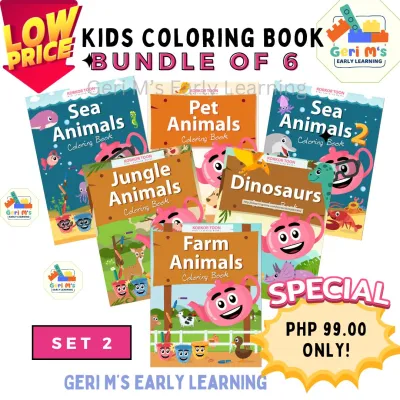
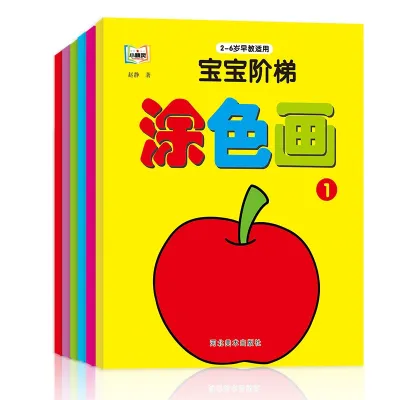
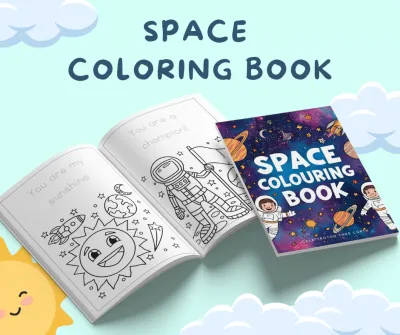
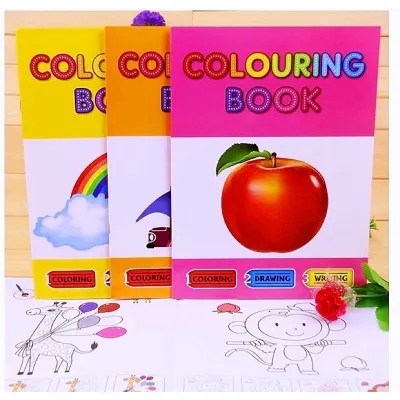
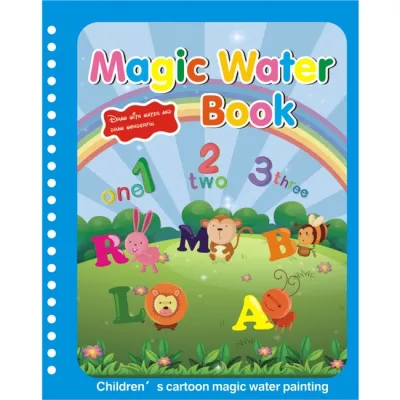
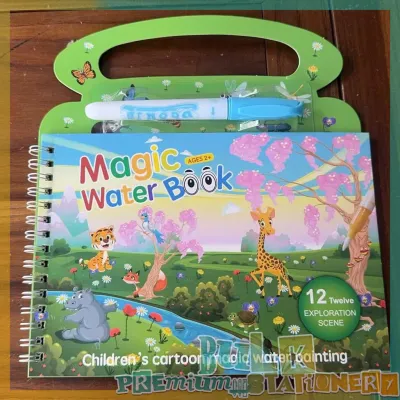
Prices are valid at publication and may change. Please refer to the product page for the latest price.
Additionally, a toddler’s attention span is naturally short and highly dependent on immediate, satisfying results. If a coloring page requires too much precision or takes too long to fill, they are likely to lose interest within minutes. Complex backgrounds, shading lines, and busy layouts distract from the main subject, making it difficult for a two-year-old to focus on the simple joy of marking the paper.
Visual and Layout Features That Build Confidence
To foster a positive and engaging coloring experience, look for books with specific visual layouts tailored to early childhood development. The overall dimensions of the book play a critical role. Oversized pages, such as those measuring A4 size or large square formats, provide a generous canvas that accommodates a toddler’s wide, sweeping arm movements. These larger formats ensure that their enthusiastic scribbles remain on the page rather than spilling onto your table or floor.

The thickness of the outlines is another vital feature to evaluate. Look for coloring books that feature exceptionally bold, thick black lines, ideally between three to five millimeters wide. These heavy borders serve multiple purposes. Visually, they create a strong contrast that easily captures a toddler’s attention and helps them identify the shape of the object. Physically, the thick lines act as a forgiving boundary; even if their crayon slips slightly outside the main area, the thick black border absorbs the stray mark, keeping the overall image looking clean and recognizable.
The subject matter of the illustrations should be simple and familiar. Choose books that feature one large, isolated object per page, such as a single apple, a ball, a car, or a friendly animal face. These everyday items align with a two-year-old’s expanding vocabulary and cognitive understanding of the world. When they recognize the object they are coloring, it reinforces their language skills and gives them a sense of ownership over the activity. Avoid books with busy background scenes, speech bubbles, or multiple characters interacting on a single page.
Lastly, prioritize books that utilize single-sided printing. When illustrations are printed on both sides of a sheet, heavy crayon pressure or wet markers will inevitably show through or damage the image on the reverse side. Single-sided pages ensure that every drawing remains pristine, allowing you to display your child’s work or save it in a keepsake folder without sacrificing another illustration.
Paper Weight and Binding Types for Toddler Use
The physical durability of a coloring book is just as important as its visual design. Toddlers do not have a gentle touch; they often press down with significant force, drag crayons repeatedly over the same spot, and may experiment with wet media like washable markers, dot dabblers, or even finger paints. To withstand this heavy-handed use, the paper must be thick and robust. Look for books that specify a paper weight of at least 100 GSM (grams per square meter) or higher, or those described as heavy-duty drawing paper or cardstock.
When shopping, it is wise to verify the manufacturer’s specifications rather than relying on generic marketing terms like “premium quality” or “thick paper.” True heavy-duty paper feels sturdy to the touch and resists tearing even when subjected to repeated friction from a wax crayon. If you plan to introduce washable markers or water-based paints, thicker paper is essential to prevent the ink from bleeding through the page and warping or tearing the sheet.
The binding of the coloring book significantly impacts how easily a toddler can use it. Standard glue-bound books tend to spring shut automatically, requiring the user to hold the pages down with one hand while coloring with the other. For a two-year-old who is still mastering basic coordination, this is an unnecessary obstacle. Instead, look for spiral-bound, top-bound, or lay-flat designs. These binding styles allow the book to lie completely flat on a table, highchair tray, or the floor, giving your child full, unobstructed access to the entire page.
Perforated pages are another highly practical feature to look for. Perforations allow you to cleanly tear a page out of the book before your child begins coloring. This is beneficial because it removes the distraction of the rest of the book, prevents accidental scribbling on adjacent pages, and allows you to tape the single sheet securely to the table to keep it from sliding around as they color.
Mess-Free and Reusable Alternatives for Active Play
For times when you want to encourage creative play without the cleanup, specialized mess-free and reusable coloring formats are excellent options. One popular alternative is the water-reveal coloring pad. These books feature pages coated with a special white layer that becomes transparent when wet, revealing bright colors and hidden designs underneath. They come with a refillable pen that runs on plain water, meaning there is zero risk of ink stains on clothes, walls, or furniture.
In warm, humid tropical climates like the Philippines, water-reveal pads are highly practical, though you should note that high humidity can slightly prolong the drying time of the pages. Once the water evaporates, the white coating becomes opaque again, making the book fully reusable for the next play session. When choosing these pads, look for options with thick, rigid backing boards that can withstand being dropped or bent by active toddlers.
Another durable option is the wipe-clean laminated book. These books feature thick, plastic-coated pages designed to be used with dry-erase markers or specialized washable crayons. Toddlers can scribble freely, and when they are finished, you can easily wipe the surface clean with a damp cloth, tissue, or wet wipe. This format is highly durable and offers endless opportunities for repetitive play, which is a key way toddlers learn and master new skills.
When evaluating these reusable alternatives, check the durability of the surfaces and the availability of replacement accessories. Toddlers frequently lose pen caps or press down so hard that they flatten the felt tips of water pens or markers. Choosing brands or formats that use standard, easily replaceable water brushes or non-toxic dry-erase markers ensures that the book remains usable long after the original pen is worn out.
Your Pre-Purchase Checklist for Online and In-Store Shopping
Whether you are browsing the aisles of a local stationery store or scrolling through online marketplaces, having a clear evaluation framework will help you select the best coloring book for your toddler. Start by verifying the age recommendations on the packaging, but do not rely on them blindly. Some books labeled for older children may have simple enough designs for a two-year-old, while others labeled for toddlers might have paper that is too thin. Use your child’s current grip strength and coordination as your primary guide.
When shopping online, take advantage of product images, video previews, and customer reviews. Look closely at photos of the book’s spine to determine the binding type, and check the product description for specific paper weight measurements. Customer reviews often provide honest feedback on whether markers bleed through the paper or if the pages tear easily under heavy crayon pressure.
Safety is paramount when selecting art supplies for young children. Always inspect the packaging or product listing for clear non-toxic safety certifications. Look for labels indicating compliance with international safety standards, such as the “AP Non-Toxic” seal or “EN71” certification. Since two-year-olds still frequently explore objects with their mouths, ensuring that both the paper and any included coloring tools are completely safe and chemical-free is essential.
Finally, consider compatibility with the coloring tools you already own. If your home is stocked with thick beeswax crayons, look for paper with a slight texture or “tooth” that helps shave off the wax smoothly. If you prefer washable markers, prioritize ultra-thick, single-sided pages that can handle moisture without wrinkling. Matching the book’s paper characteristics to your existing supplies ensures a frustrating-free creative session from day one.
Frequently Asked Questions (FAQ)
Can a 2-year-old use regular crayons with these books?
While a two-year-old can physically use regular crayons, they are not the most suitable choice for this developmental stage. Standard crayons are thin and fragile, making them prone to snapping under the heavy, downward pressure of a toddler’s palmar grasp. This can lead to frustration and potential choking hazards from small broken pieces. Jumbo crayons, triangular crayons, or egg-shaped crayons are much better suited for young toddlers because they fit naturally into a closed fist and resist breaking. The thick outlines and large illustrations in toddler coloring books are specifically designed to pair with these larger tools, allowing your child to see satisfying color coverage with fewer strokes. You can gradually transition to standard crayons as you observe your child’s grip naturally shifting from a full fist to a more refined finger-based hold.
How do I clean and maintain a reusable water-reveal coloring mat?
Proper maintenance is key to extending the lifespan of reusable water-reveal books and mats, especially in humid environments. After each use, leave the book open in a well-ventilated, dry area to air-dry completely before closing or storing it. Never stack wet water-reveal books, as this can cause the pages to stick together and peel off the special white coating. To clean the water pen, rinse the fiber tip under clean, lukewarm running water without using soap or detergents, which can damage the water-absorbent material. Store the completely dry book flat in a cool, dry place away from direct sunlight, moisture, and sharp objects to prevent accidental punctures or creasing of the reusable surfaces.

Community discussion
Share your experience or ask a question. Comments are reviewed before publication.