
Gifting cash for a birthday is a practical and universally appreciated gesture, but presenting bills in a plain white envelope can feel impersonal. A well-designed happy birthday card with money solves this dilemma by transforming a simple monetary gift into a thoughtful, tactile experience. To choose the right card, you must look beyond the cover illustration and evaluate how the card secures the cash, how its paper handles the weight, and whether the design matches the recipient’s personality.
Selecting the perfect money card requires a balance of security, structural integrity, and aesthetic appeal. The ideal card must hold the bills securely so they do not slip out during transit, support the weight of the currency without sagging, and still leave ample room for a heartfelt handwritten message. By focusing on key design features, paper quality, and sizing, you can ensure your gift is both secure and beautifully presented.
Core Design Features for Holding Cash
The physical mechanism that secures cash inside a greeting card is the most critical feature to evaluate. Built-in paper folds and adhesive pockets are excellent for keeping bills flat and pristine. A dedicated pocket glued to the inside panel ensures the money stays put even when the card is opened quickly. Look for pockets with a slight thumb-cut or notch at the top, which makes it easy for the recipient to slide the bills out without tearing the paper.
Products mentioned in this guide
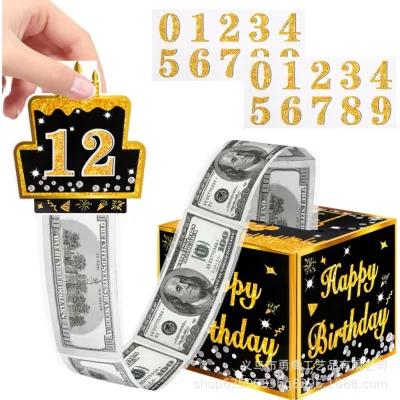
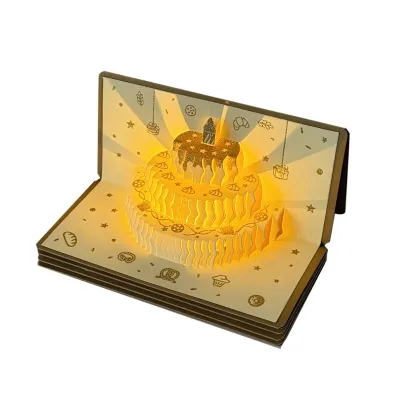
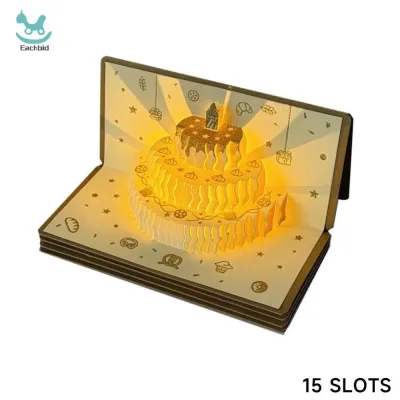
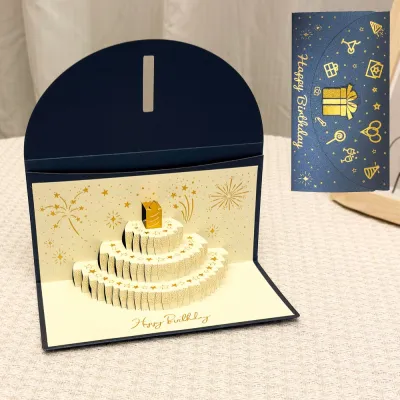
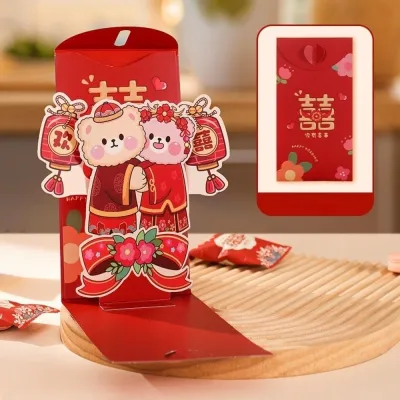
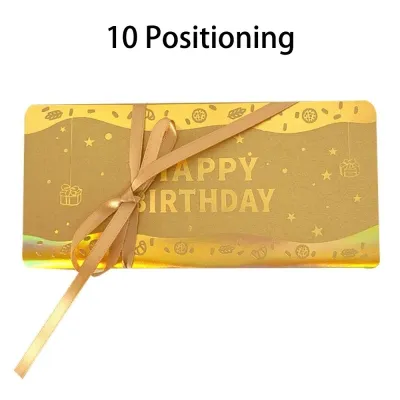
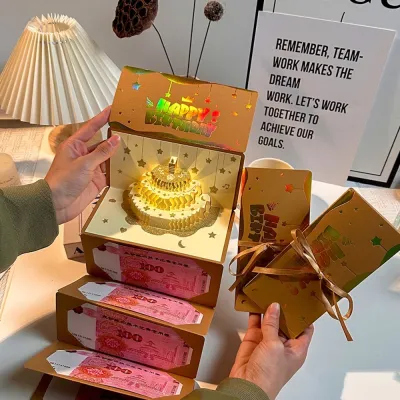
Prices are valid at publication and may change. Please refer to the product page for the latest price.
Slits and slots are another common design feature, where diagonal or horizontal cuts are made directly into the cardstock to hold the corners of the bills. While these are incredibly easy to use, you must inspect the tightness of the cuts. If the slits are too wide or the cardstock is too smooth, the bills can easily slide out when the card is opened or tilted. Ensure the slits are spaced correctly to grip the currency firmly without bending the edges of the bills.
For a more dramatic presentation, some cards feature pull-out mechanisms, hidden compartments, or attached mini-envelopes. A pull-tab that slowly reveals a ribbon of cash or a hidden drawer-like compartment adds a delightful element of surprise to the gifting experience. These interactive mechanisms require precise paper engineering, so it is important to test the sliding action before gifting to ensure it does not jam or tear the currency.
Regardless of the mechanism, the money holder should never obscure the card’s main design or the space reserved for your handwritten message. A poorly placed pocket that covers up the printed greeting or leaves no room for a personal note defeats the purpose of a greeting card. Choose a design where the cash is integrated seamlessly, allowing your personal message to remain fully visible and legible.
Paper Quality and Structural Durability
The weight and thickness of the cardstock are vital for supporting the physical weight of cash. Standard greeting cards are often printed on lighter paper, but a card meant to hold money needs to be significantly sturdier. Look for cards made from 250 GSM (grams per square meter) to 300 GSM cardstock or higher. In humid tropical climates like the Philippines, airborne moisture can quickly soften paper fibers, making thin cardstock sag, limp, or tear under the weight of multiple bills.

Spine and fold integrity are equally important for cards that will be displayed on a table or shelf. The spine of the card must be cleanly scored and folded to prevent cracking or warping. If the spine is weak, the added weight of the cash will cause the card to twist, buckle, or fall over when stood upright. A reinforced fold or a double-panel design helps distribute the weight evenly, ensuring the card stands proud throughout the birthday celebration.
Evaluate the surface texture inside the pockets or slots where the bills will rest. Highly glossy paper finishes offer very little friction, meaning paper currency is much more likely to slip out of its holder during handling. A matte, uncoated, or lightly textured paper surface grips the bills more securely. This texture provides the necessary resistance to keep the cash in place without requiring tight, damaging folds.
Finally, inspect the quality of the adhesives used on any added pouches, pockets, or three-dimensional elements. In warm, humid environments, low-quality glues can dry out, become brittle, or turn sticky and melt, which can ruin the presentation or even damage the banknotes. High-quality double-sided tape or strong, acid-free craft glue is essential for keeping the internal compartments firmly attached to the card body.
Sizing and Bill Compatibility
Before purchasing a money card, you must ensure the internal dimensions are compatible with local currency. Standard Philippine Peso (₱) banknotes measure approximately 160 mm in width and 66 mm in height. A pocket or slot that is at least 170 mm wide allows you to insert ₱100, ₱500, or ₱1000 bills completely flat. This flat lay insertion preserves the crispness of the bills and offers a highly professional, clean presentation.
If the card is compact, such as a standard A2 or A6 size, you will likely need to fold the bills to fit them into the designated slots. While folded insertion allows for smaller, more portable cards, it can add bulk and prevent the card from closing flat. Decide between flat lay and folded insertion methods based on the card’s internal clearance and how pristine you want the bills to remain.
If you plan to include multiple bills, a mix of cash and a plastic gift card, or even a commemorative coin, check for adequate depth and width. Standard flat slits will stretch, distort, or tear if you try to stuff too many items into them. For thicker gifts, look for gusseted pockets, dimensional boxes, or cards with integrated mini-envelopes that expand slightly to accommodate the extra volume without putting stress on the paper.
Ensure the card closes completely flat without bulging once the cash is inserted. A bulging card looks untidy and puts outward pressure on the seams of the outer envelope, which can cause it to tear during handling or transit. A clean, flat closure keeps the cash hidden from view and protects the structural integrity of both the card and the envelope.
Aesthetic and Personalization Elements
The visual appeal of the card sets the tone for the birthday celebration, so choose a print quality and finish that matches the occasion. Matte finishes offer a classic, understated elegance, while glossy or textured papers can make colors pop. Premium finishes like gold foil stamping, embossing, or spot UV coating add a luxurious touch that complements the value of the cash gift inside, making the presentation feel truly special.
Personalization is what elevates a money card from a simple transaction to a meaningful gift. Ensure there is a dedicated, unobstructed space for your handwritten message or calligraphy. If you plan to write with fountain pens, gel pens, or calligraphy markers, test the paper’s bleed resistance and drying speed on a small, inconspicuous corner first. Uncoated, high-opacity paper is best for preventing ink from feathering, smearing, or bleeding through to the other side.
Interactive elements like pop-up birthday cakes, pull-out ribbons, or scratch-off panels make the gifting experience engaging and memorable. However, these features should never compromise the security of the cash. The money should remain safely tucked away in its pocket or slot until the recipient activates the interactive feature, ensuring the bills do not accidentally fall out during the initial opening.
The external design of the card should clearly communicate the birthday theme before the card is even opened. Whether it features elegant typography, playful illustrations, or minimalist designs, the cover should prepare the recipient for a celebratory message. A clear thematic design ensures the card is recognized as a personal birthday greeting rather than a formal business envelope.
Evaluating Money Card Styles for Different Gifting Scenarios
Different gifting situations call for different card styles, depending on your presentation goals and security needs. Matching the card style to the specific scenario ensures the cash is presented appropriately and safely.
For situations where the cash gift should remain private, such as large parties, public venues, or when the card will be left on a communal gift table, discreet gifting cards are ideal. These cards feature hidden pockets, inner compartments, or integrated envelopes that completely cover the bills. This design ensures the cash remains invisible to casual onlookers and secure from accidental loss during the event.
If you are gifting to close friends, family members, or children, an interactive presentation adds a fun, memorable element to the celebration. Pull-out boxes that dispense a continuous roll of bills, pop-up money trees, or cards with ribbon-tied slots turn the act of receiving cash into an engaging game. These styles require a bit more assembly effort but offer high entertainment value.
For formal occasions, professional settings, or when you prefer a classic look, a traditional presentation is the best choice. Traditional cards with clean diagonal slits or a simple flat pocket present the cash in a straightforward, elegant, and respectful manner. They require minimal assembly effort and are perfect for quick, classic gifting.
| Card Style | Security Level | Assembly Effort | Best Use Case |
|---|---|---|---|
| Discreet (Hidden Pocket) | High | Low | Public parties, gift tables, formal events |
| Interactive (Pull-out/Pop-up) | Medium | High | Close family, children, milestone birthdays |
| Traditional (Slits/Flat Pocket) | Medium-Low | Low | Professional gifting, quick assembly, classic presentation |
Frequently Asked Questions (FAQ)
Can I safely mail a birthday card with money inside?
Mailing cash inside a standard birthday card carries significant risks, as postal sorting machines can easily tear envelopes, and cash is untrackable and uninsured if lost or stolen. If physical delivery is necessary, it is highly recommended to use a secure, trackable courier service or registered mail, and wrap the card in a sturdy, opaque outer mailer to conceal the contents. Alternatively, you can send the money digitally and present a physical card containing a personalized note or a decorative voucher explaining the transfer.
How do I keep bills from falling out of a card slot?
To secure loose bills in standard card slots, you can use a small piece of removable, acid-free double-sided tape or a light glue dot on the back of the bill, ensuring it is gentle enough not to damage the currency when removed. Another low-risk method is to fold the bill slightly to create natural tension against the slot walls, which helps hold it in place. Always check the tightness of the slots before gifting, and avoid overloading a single slit with too many bills, as this stretches the paper and causes the cash to slip out.
Is it better to fold the money or keep it flat in the card?
Flat insertion is generally preferred because it preserves the crisp, clean condition of the banknotes and presents them beautifully in wide pockets or traditional slits. However, folding the money in half, in thirds, or accordion-style is often necessary for compact cards, narrow slots, or specialized pull-out mechanisms. Check the specific card design and internal pocket dimensions beforehand; if the card is designed for flat bills, folding them unnecessarily can create bulk and prevent the card from closing flat.

Community discussion
Share your experience or ask a question. Comments are reviewed before publication.