
Choosing the right marker for metal works requires matching the tool’s physical and chemical properties to your specific workspace conditions. The core decision hinges on evaluating ink formulation, tip mechanism, color contrast, and environmental resistance against the metal surface you are marking and the fabrication processes that will follow. In humid tropical environments like the Philippines, where metal surfaces frequently collect condensation, rust, or protective oils, selecting the correct marker prevents costly layout errors and illegible markings. While specialized markers may cost a few more pesos (₱) upfront compared to standard office stationery, they prevent costly fabrication errors and save time during assembly.
Ink Formulation: Paint vs. Solvent vs. Water-Based
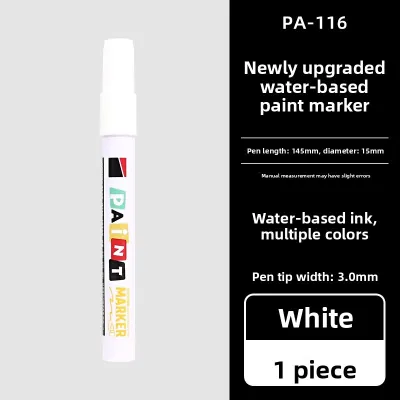
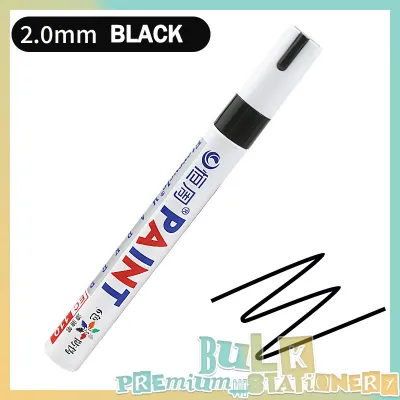
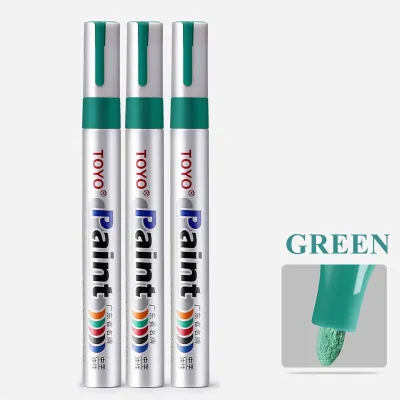
Paint-based markers use liquefied paint that sits on top of the metal rather than soaking in. This provides high opacity and excellent adhesion on raw, rusted, or coated metals. Check the product label to verify if the paint is formulated to resist chipping or flaking under mechanical stress. These markers are highly visible but typically require shaking and priming before use to mix the pigment.
Solvent-based markers excel when dealing with oily, greasy, or damp surfaces. In many local machine shops, steel sheets are coated in protective oils to prevent rust in high humidity. A solvent-based ink cuts through this film to bond directly with the metal. Always perform a quick scratch test on a scrap piece to verify the actual drying time, as high humidity can slow down solvent evaporation.
Products mentioned in this guide
Prices are valid at publication and may change. Please refer to the product page for the latest price.
Water-based alternatives are ideal when working in confined spaces where strong fumes are a concern. They offer low-odor application and easy cleanup with water before curing. However, they are highly susceptible to smudging and wash away easily when exposed to rain, condensation, or cutting fluids, making them unsuitable for outdoor storage or heavy machining.
Tip Design and Durability for Metal Surfaces
Valve-action markers feature a spring-loaded mechanism that controls ink flow. When pressed against a rough, rusty, or abrasive metal surface, the valve opens to saturate the nib, preventing the tip from drying out or fraying prematurely. Some heavy-duty industrial markers use metal ballpoint nibs, which act like a pen and can write on extremely rough cast iron or scaled steel without wearing down.

Felt or fiber tips are better suited for smooth, polished, or painted metals, such as aluminum sheets or stainless steel panels. These tips glide smoothly without scratching delicate finishes. However, using a standard fiber tip on rough, un-sanded welds or rusted steel will quickly shred the fibers, rendering the marker useless.
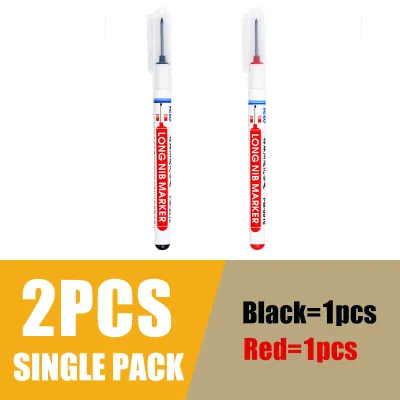
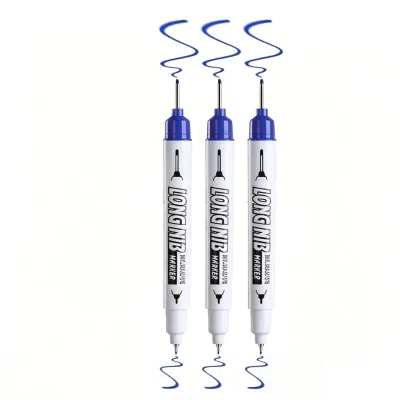
Line width specifications must match your specific task. Fine tips (around 1mm to 2mm) are essential for precise layout lines, drilling marks, and detailed sheet metal work. Medium and broad chisel tips (4mm to 8mm or wider) are preferred for bold identification numbers, color-coding steel grades, or marking structural beams that must be read from a distance across a busy workshop.
Color Visibility on Different Metal Finishes
Light colors like white, yellow, and silver offer the highest contrast on dark, oxidized, raw steel, or cast iron. Yellow and white are the industry standards for layout marks because they remain highly visible even under the dim lighting of a welding hood or a shaded fabrication yard.
Dark colors such as black, blue, and red are highly effective on polished metals, aluminum, galvanized steel, or light-colored powder-coated surfaces. When marking bright aluminum, a dark blue or black line provides a sharp, crisp contrast that is easy to follow with cutting tools.
Fluorescent or high-visibility options are valuable in low-light workshop conditions or for safety-critical markings. If you are working in deep structural frames or during late-shift fabrication, fluorescent pink or green marks can be easily spotted under flashlight beams or UV inspection lights.
Environmental Resistance: Heat, Chemicals, and Weather
Heat resistance is a critical specification if your markings must survive downstream fabrication processes. Standard inks vaporize or char under the intense heat of welding, plasma cutting, or heat treating. If your workflow involves these processes, check the manufacturer’s technical data sheet for the exact temperature limits the ink can withstand before fading or burning off.
Chemical and solvent resistance determines whether your marks will survive contact with cutting fluids, machining oils, coolants, or industrial cleaning agents. In metalworking, parts are frequently washed or lubricated. Verify that the ink is rated as chemical-resistant, or conduct a trial run by applying the marker, letting it cure, and exposing it to your shop’s specific solvents to observe any bleeding or dissolution.
UV and weather resistance are vital for metal parts stored outdoors. The intense tropical sun and heavy seasonal rains in the Philippines can rapidly degrade standard inks. Look for markers labeled as UV-resistant or weatherproof to ensure structural steel markings, part numbers, and assembly guides remain legible after weeks in an open yard.
Safety, Fumes, and Workspace Ventilation
Volatile Organic Compounds (VOCs) are common in high-performance solvent-based markers. When working in enclosed workshops or poorly ventilated fabrication bays, these fumes can accumulate quickly. Always check the product’s Safety Data Sheet (SDS) to understand the required personal protective equipment and ventilation measures.
Low-odor and non-toxic labels indicate markers that are safer and more comfortable for prolonged daily use. If your workshop has strict air quality controls or lacks high-volume exhaust fans, prioritizing water-based or low-VOC paint markers can significantly improve working conditions.
Flammability warnings are crucial for solvent-based markers. Because these inks contain flammable solvents, storing them near welding stations, grinding wheels, or open flames poses a safety hazard. Keep markers capped tightly when not in use and store them in a cool, dry cabinet away from ignition sources.
Frequently Asked Questions (FAQ)
Can I use a standard permanent marker on metal?
While a standard permanent marker can write on clean, smooth metal, its thin dye-based ink lacks the opacity and durability needed for industrial metalwork. Standard ink easily rubs off when handled, dissolves instantly when exposed to cutting oils or water, and quickly fades under sunlight. For reliable layout lines and identification, specialized paint or solvent-based metal markers are necessary to withstand the physical demands of fabrication.
How do I store metal markers to prevent them from drying out?
To maximize the lifespan of your metal markers, store them horizontally. This position keeps the ink or paint evenly distributed throughout the barrel, preventing the pigment from settling at the bottom or clogging the valve mechanism. Always snap the cap on tightly immediately after use. Avoid storing markers in direct sunlight or inside hot toolboxes, as extreme heat can dry out the nib and cause the solvent inside the barrel to evaporate.

Community discussion
Share your experience or ask a question. Comments are reviewed before publication.