
Selecting the right wrapper bouquet bundle requires looking beyond attractive colors to examine the physical durability, moisture resistance, and structural integrity of each component. In a tropical climate where high humidity and condensation can quickly soften paper, the quality of your wrapping materials directly determines whether your floral arrangement stands tall or droops. A premium bundle should offer a balanced combination of heavy-duty waterproof sheets, fray-resistant ribbons, and robust binding accessories that work together seamlessly.
By systematically evaluating the weight of the paper, the finish of the ribbon edges, and the strength of the structural supports, you can avoid common wrapping pitfalls. Whether you are preparing a simple hand-tied arrangement or starting a small floral business with a budget of ₱500 for supplies, understanding these material indicators ensures your presentation remains pristine from assembly through delivery.
Assessing Wrapping Paper Thickness and Water Resistance
The foundation of any professional floral wrap is the paper, which must provide both structural support and aesthetic framing. When evaluating a wrapper bouquet bundle, the thickness and weight of the sheets are critical indicators of quality. High-quality wrapping sheets, often made of specialized non-woven fabrics or heavy-gauge plastics, should feel substantial to the touch and resist immediate creasing. If the paper is too thin, it will fail to hold the crisp pleats and layers that give modern bouquets their signature volume.
Products mentioned in this guide
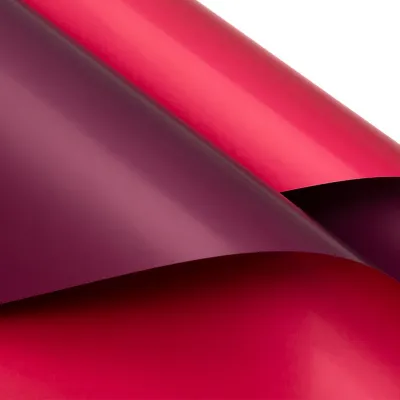
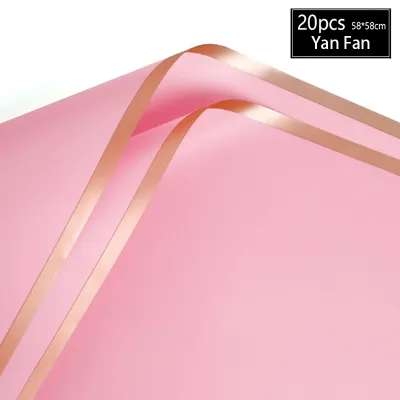
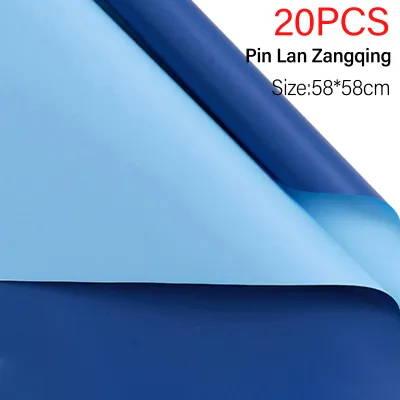
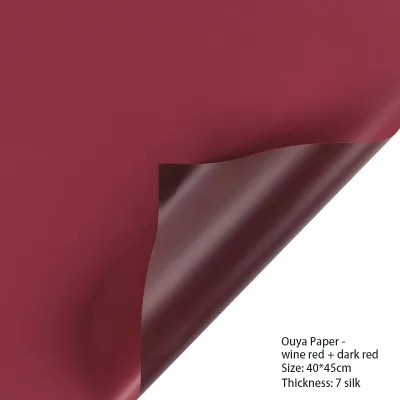

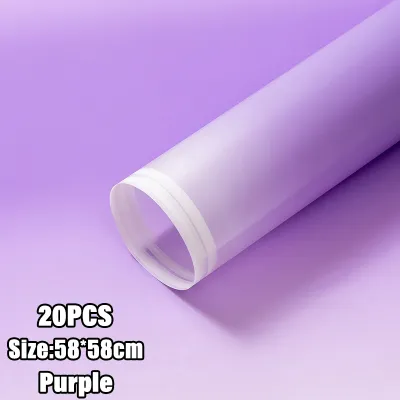
Prices are valid at publication and may change. Please refer to the product page for the latest price.
Moisture resistance is another non-negotiable feature, especially when working with fresh flowers that require hydration. Look for bundles that specify the use of waterproof materials, such as oriented polypropylene (OPP) or treated Korean-style wrapping paper. You can verify this by observing if water droplets bead up on the surface rather than soaking into the fibers. Uncoated paper will quickly absorb moisture from wet stems, leading to unsightly water spots, tearing, and structural collapse.
Tear resistance along the edges and fold lines is equally vital during the wrapping process. High-quality sheets should withstand moderate tension when you pull, fold, and secure them around the stems. To test this, gently tug at the corner of a sample sheet; it should stretch slightly rather than splitting instantly. If the paper tears easily along a fold, it will likely rupture when you tie the binding cord.
Finally, observe how well the paper retains its shape and volume when manipulated. Premium wrapping materials possess a characteristic springiness, allowing you to pleat the sheets to create deep, layered shadows without the material flattening out over time. Low-grade papers tend to lose their bounce quickly, leaving your bouquet looking flat and deflated after just a few hours.
Evaluating Ribbon Finishing and Binding Durability
Ribbons and binding elements hold the entire weight of the bouquet together and provide the final touch of elegance. When inspecting the ribbons in a bundle, pay close attention to the edge treatment. High-quality satin, organza, or grosgrain ribbons should feature heat-sealed, woven, or wired edges that prevent fraying. If you notice loose threads or unraveling fibers along the sides of the ribbon spool, the material will likely disintegrate when cut or tied into complex bows.

The visual properties of the ribbon—such as its sheen, opacity, and drape—also play a major role in the final presentation. A quality ribbon should have a consistent color throughout, with a smooth, dense weave that does not look sheer or patchy when stretched. The drape should be soft enough to form graceful, flowing tails, yet firm enough to hold the shape of a multi-looped bow without drooping flat.
Beyond aesthetics, the binding cords included in the bundle must possess high tensile strength and slip resistance. Materials like natural raffia, polished twine, or wire-embedded cords are excellent for securing the primary stem bind. These cords must be strong enough to be pulled tight without snapping, and they should grip the stems firmly without slipping out of place. A loose bind allows stems to shift, which can ruin the symmetry of your arrangement.
If the bundle includes adhesive aids like double-sided floral tape or glue dots, test their initial tackiness and clean removal. The adhesive must bond instantly to both plastic and paper surfaces, even in humid conditions, without sliding. At the same time, it should not leave a messy, sticky residue that ruins the clean look of your wrapping paper if you need to reposition a fold.
Inspecting Accents and Structural Supports
Decorative accents and internal structural supports are the unsung heroes of a professional bouquet, providing stability and visual interest. If your bundle includes decorative mesh, pearl pins, or hanging tags, inspect them closely for manufacturing defects. Mesh overlays should have clean, non-unraveling borders, while pearl pins must be straight and free of sharp, exposed wire ends that could prick the handler or damage delicate petals.
For bundles designed for fresh flowers, the quality of the hydration elements is paramount. Inspect any included floral foam, water tubes, or hydration wraps to ensure they are durable and leak-proof. Floral foam should be dense and highly absorbent, holding water without crumbling easily when wet. Water tubes must have tight-fitting rubber caps that seal securely around the stems, preventing water from leaking onto the outer paper wrap.
Structural supports, such as floral wire, zip ties, or wooden picks, must offer sufficient bending strength and rust resistance. Heavy blooms like sunflowers require sturdy wire that can support their weight without bending under pressure. If the wire is too thin or prone to rusting when exposed to moisture, it can compromise the safety of the arrangement and stain the wrapping paper.
Lastly, ensure that any decorative attachments, such as butterfly picks or custom printed tags, have secure fastening mechanisms. Whether they use clips, wires, or adhesive backings, these accents must remain firmly in place during transport. A loose accent that shifts or falls off during delivery can make an otherwise beautiful bouquet look unfinished and unprofessional.
Matching Bundle Dimensions and Colors to Your Bouquet
A high-quality bundle is only effective if its components are correctly sized and coordinated for your specific project. Before purchasing, compare the dimensions of the wrapping sheets against the size of the bouquet you plan to create. Standard sheets are often around 50 to 60 centimeters square, which is ideal for medium to large arrangements. If the sheets are too small, you will struggle to cover the stems adequately, forcing you to patch multiple pieces together and risking a messy, disjointed look.
Color harmony and texture contrast are essential for creating a visually striking arrangement. A well-curated bundle should offer a balanced color palette where the paper, ribbon, and accents complement rather than compete with each other. For instance, pairing a matte, neutral-toned paper with a glossy, vibrant satin ribbon creates an appealing contrast that highlights the natural beauty of the flowers. Avoid bundles with overly loud, clashing patterns that distract from the floral focal point.
It is also important to verify the quantity of materials included in the bundle to ensure you do not run short mid-project. A standard multi-layered wrap often requires three to five sheets of paper, along with several meters of ribbon for binding and bow-making. Ensure the bundle provides a generous margin of error, especially if you are a beginner practicing new folding techniques that may require starting over.
Finally, consider the opacity of the wrapping materials to create depth and dimension. Combining sheer, translucent overlays like non-woven mesh with solid, opaque backing sheets allows you to play with light and shadow. This layering technique adds a professional, three-dimensional quality to the bouquet, making it look fuller and more luxurious without adding extra flowers.
Frequently Asked Questions (FAQ)
Is a wrapper bouquet bundle suitable for artificial flowers?
Yes, a wrapper bouquet bundle is highly suitable for artificial, dried, or preserved flowers, though your material priorities will shift slightly. Because faux arrangements do not require water, you do not need to worry about water-resistant coatings or hydration accessories like water tubes. This allows you to use delicate, uncoated papers, textured kraft papers, or soft fabrics that might otherwise degrade when exposed to moisture. However, because artificial stems are often made of heavy wire and plastic, you must ensure the bundle’s paper is thick enough to resist puncturing from these rigid stems, and that the structural wires included are strong enough to support the unique weight distribution of faux blooms.
How should I store leftover wrapping materials from a bundle?
To preserve the quality of unused materials for future projects, store them in a cool, dry environment away from direct sunlight. Keep wrapping paper sheets flat in a shallow drawer or loosely rolled inside a protective cardboard tube to prevent permanent creases, bent corners, or moisture absorption from high humidity. Store ribbons on their original spools or gently coiled in a storage bin to avoid tangling and fraying, and keep them shaded to prevent the colors from fading over time. Any adhesive components, such as floral tape or glue dots, should be kept in an airtight container in a cool room to prevent the adhesive from drying out or becoming overly gooey and unusable.

Community discussion
Share your experience or ask a question. Comments are reviewed before publication.