
An “in case I die” folder—often referred to as a legacy binder, peace-of-mind planner, or emergency organizer—is a centralized physical archive designed to guide your loved ones through your financial, legal, medical, and personal affairs when you are no longer there to explain them. During a period of intense grief, the last thing your family should face is a chaotic search through scattered drawers, mismatched envelopes, and locked digital accounts. By consolidating your vital records, account details, and final wishes into a single, highly organized folder, you provide an invaluable roadmap that minimizes administrative stress and prevents costly legal delays.
However, an effective end-of-life folder is far more than just a standard piece of office stationery. It must be structured logically so that an executor or family member can find critical information within seconds, even under extreme pressure. Furthermore, in tropical environments where high humidity, seasonal rains, and sudden flooding are constant realities, the physical durability of your folder is just as important as the information it holds. Choosing the right materials, layout, and protective features ensures that your most sensitive documents remain pristine and legible for decades.
Core Sections and Dividers for Effective End-of-Life Planning
To create a functional legacy binder, you must first establish a clear organizational hierarchy. The easiest way to achieve this is through a robust system of tabbed dividers that separate your life into distinct, manageable categories. When shopping for a folder, you will generally encounter two options: binders that come with pre-printed, specialized end-of-life dividers, and blank binders that allow you to customize your own tabs.
Products mentioned in this guide
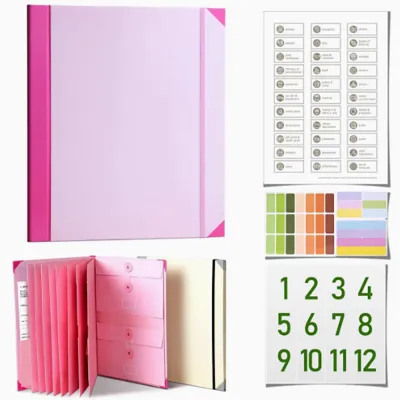
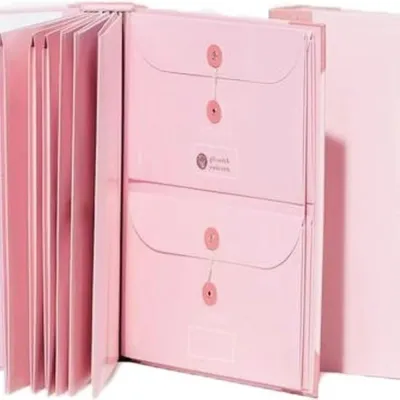
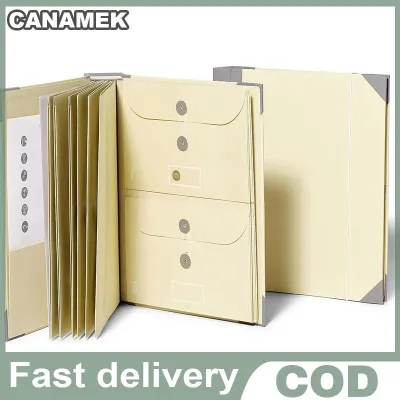
Prices are valid at publication and may change. Please refer to the product page for the latest price.
Pre-printed dividers are highly convenient because they provide an immediate checklist of what to include. They typically feature standard categories such as estate planning (wills, trusts, and power of attorney), financial accounts (bank details, investments, and outstanding debts), insurance policies (life, health, and property), and personal wishes (funeral preferences and obituary drafts). For many individuals, this structured approach removes the intimidation of starting from scratch.
Conversely, blank dividers offer the flexibility needed to accommodate unique personal circumstances. For instance, you may need dedicated sections for local cooperative memberships, agricultural land titles, or specific family-owned business operations that standard pre-printed planners do not cover. If you choose blank dividers, look for write-on or printable tab inserts so you can label each section clearly and professionally.
Beyond basic legal and financial documents, a modern end-of-life folder must support sections for digital assets and personal care. Your digital legacy is incredibly vulnerable; without clear instructions, your social media profiles, cloud storage photo libraries, and online subscription accounts can become permanently inaccessible. Ensure your folder has a dedicated, secure section for digital asset logs, hardware security keys, and step-by-step instructions on how to access your primary email accounts. Similarly, if you have pets, a dedicated pet care section containing veterinary records, dietary needs, and guardianship agreements is essential to ensure your companion animals are cared for immediately.
The physical sturdiness of these dividers is a critical factor that is often overlooked. Because you will be updating this folder over several years, standard paper dividers will quickly fray, bend, or tear at the ring holes. Evaluate products that feature heavy-duty plastic, polypropylene, or laminated cardstock dividers. Look for reinforced binding edges—often coated with a thin layer of plastic film—which prevent the divider from tearing away from the binder rings when pages are turned quickly.
Material, Durability, and Security Features to Evaluate
The physical environment in which you store your legacy folder plays a massive role in its longevity. In humid climates, paper is highly susceptible to moisture absorption, which leads to warping, yellowing, and the growth of destructive mold or mildew. Therefore, the materials you select for your folder must act as a shield against environmental degradation.

When reviewing product specifications, look for explicit claims of archival-safe or acid-free materials. Standard cheap plastics, particularly those made from polyvinyl chloride (PVC), release acidic gasses over time and contain plasticizers that can physically transfer ink off your printed documents. If you store a birth certificate or a notarized land title inside a PVC sleeve, you may find the text permanently fused to the plastic when you try to remove it years later. To prevent this, ensure all plastic sheet protectors, pocket dividers, and binder covers are made from acid-free polypropylene, which is chemically inert and safe for long-term document preservation.
It is also vital to understand the practical limits of water and tear resistance in standard stationery. Many folders are marketed as “waterproof” or “fireproof,” but these terms are often used loosely. A water-resistant plastic binder or a heavy-duty nylon zipper folder can protect your documents from a spilled glass of water or light rain during an evacuation, but they will not survive a major flood or a house fire. For absolute security, treat your portable legacy folder as an organized reference guide, and store your most sensitive original documents—such as original land titles, marriage certificates, and physical wills—inside a certified, heavy-duty fireproof and waterproof home safe, or a secure safety deposit box.
The closure mechanism of your folder is another essential security feature to evaluate. Because this binder will contain loose items like USB flash drives, spare keys, and small booklets, an open-sided binder poses a high risk of items falling out. Look for folders that feature a secure, wrap-around zipper closure, heavy-duty metal snaps, or thick elastic bands. A fully zippered binder is highly recommended because it seals all four edges, keeping out dust, silverfish, and moisture, while also preventing unauthorized individuals from easily slipping documents out of the sides.
Organizational Layout and Accessibility Considerations
An “in case I die” folder is useless if your executor cannot easily navigate it during a crisis. The internal layout must be designed for rapid scanning and intuitive access. When an emergency strikes, your family members will likely be highly stressed; they should not have to dig through hundreds of unorganized pages to find basic emergency instructions.
To solve this, look for folders that feature a built-in master index page or an emergency contact summary template at the very front. This page should act as a quick-reference guide, listing the contact information for your primary lawyer, insurance broker, doctor, and close relatives, alongside a clear table of contents for the rest of the folder. Protecting this front page with a clear, heavy-duty plastic cover sheet ensures it remains clean and readable.
You must also decide between a binder-style ring mechanism and an expanding accordion-style file pocket. A 3-ring or 4-ring binder layout offers superior flexibility because it allows you to easily add, remove, or rearrange individual pages, plastic sleeves, and zippered pouches as your life circumstances change. D-ring binders are generally preferred over standard round O-ring binders because the D-shape allows pages to lie completely flat, reducing wear on the page holes and allowing the binder to hold a higher capacity of documents without warping.
In contrast, expanding accordion files are excellent for holding large volumes of documents without requiring you to punch holes in them. However, they can quickly become bulky, and finding a specific document within a deep pocket can be difficult. A hybrid approach is often the most effective solution: use a sturdy D-ring binder as your primary folder, and insert a few expanding pocket dividers or zippered plastic pouches inside the rings to hold un-punched documents, certificates, and digital storage drives.
Finally, balance the need for portability with the requirement for discreet home security. In the event of a natural disaster, such as a severe typhoon or a fire, you must be able to grab your legacy folder and evacuate quickly. This means the folder should be lightweight and equipped with a comfortable handle or fit easily inside a standard backpack. However, because it contains highly sensitive personal data, avoid folders with loud, conspicuous titles printed on the spine. A plain, neutral-colored binder that blends in with your other office files is much safer from curious guests or potential intruders.
Evaluation Checklist Before Purchasing an 'In Case I Die' Folder
Before you add a legacy folder to your shopping cart on an online marketplace, use this practical checklist to verify that the product meets your specific organizational and physical needs.
First, confirm paper size compatibility. In the Philippines, legal and financial documents are commonly printed on three different paper sizes: Letter (8.5 x 11 inches), A4 (8.27 x 11.69 inches), and Legal (8.5 x 13 inches, often referred to as long bond paper). Many imported binders are designed strictly for standard US Letter or European A4 sizes. If you try to store a standard long-sized land title or notarized contract in an A4 binder, the top of the document will stick out, leaving it vulnerable to bending, tearing, and moisture. Ensure the folder or the plastic sleeves you purchase are tall and wide enough to accommodate your largest essential documents without folding them.
Second, check if the product includes helpful planning templates and worksheets, or if it is simply an empty organizer. Some dedicated end-of-life planners come pre-filled with guided worksheets that prompt you to write down your bank account numbers, digital passwords, and funeral preferences. If you prefer a blank canvas to print your own customized templates, an empty binder with high-quality dividers is often a more cost-effective and flexible choice.
Third, review verified user feedback regarding the product’s long-term durability. Look for reviews that specifically mention the strength of the ring mechanism—rings that do not align perfectly will snag and tear your pages when you turn them. Check if users report the outer cover warping or peeling in humid conditions, and verify that the seams of the pockets do not split when filled to capacity. Investing a bit more in a high-quality, durable folder now ensures that your hard work in organizing your legacy will be preserved safely for the future.
Frequently Asked Questions (FAQ)
Can I use a standard expanding file instead of a dedicated end-of-life folder?
Yes, you can absolutely use a standard expanding file folder. They are widely available, highly affordable, and excellent for holding large stacks of paper without requiring a hole punch. However, generic office files do not come with the guided templates, pre-printed tabs, or instructional prompts found in dedicated end-of-life planners. If you choose to use a standard expanding file, you must take on the extra responsibility of manually creating, printing, and maintaining a comprehensive master index and clear section dividers so your family can navigate the contents easily.
How often should the documents inside the folder be reviewed and updated?
You should review and update the contents of your folder at least once a year. Many people find it easiest to schedule this review during a quiet weekend aligned with annual routines, such as tax filing season, insurance policy renewals, or the start of the new year. It is also critical to perform immediate updates following major life events, such as marriage, divorce, the birth of a child, a change in health status, or when you update your digital passwords and beneficiary designations on your financial accounts.

Community discussion
Share your experience or ask a question. Comments are reviewed before publication.