
Selecting the right mini books for your child’s art class involves balancing portability with the specific technical demands of creative projects. While standard notebooks work well for writing, art activities require specialized paper and durable construction to handle various mediums without bleeding, warping, or tearing. By focusing on three core dimensions—paper weight and texture, physical dimensions relative to the student’s age, and binding durability—parents can select mini books that support their child’s creative process and withstand the rigors of a busy school environment. This guide breaks down the essential specifications to check before purchasing these essential school supplies.
In the Philippines, the tropical climate adds an extra layer of consideration for stationery. High humidity can soften paper fibers, making low-quality sheets more prone to tearing, while sudden downpours mean school bags must protect delicate artwork from moisture. Choosing a mini book with water-resistant covers and robust paper ensures that your child’s hard work remains preserved from the classroom to the home.
Matching Mini Book Sizes to Art Projects and Age Groups
Mini books come in various compact dimensions, each serving different developmental stages and classroom setups. Standard sizes like A6 (105 x 148 mm) and A7 (74 x 105 mm) are highly popular due to their portability. These small formats fit easily into standard school backpacks, dedicated art kits, or even uniform pockets, leaving plenty of room for pencil cases, watercolor palettes, and other school supplies. For younger students, a slightly larger mini format like A5 (148 x 210 mm) or a 120 x 120 mm square book is often more practical, as it accommodates broader, less controlled hand movements.
Products mentioned in this guide
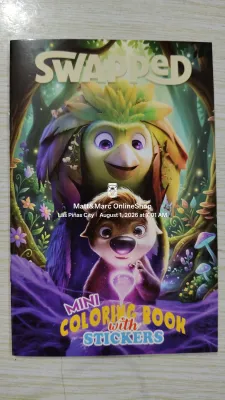
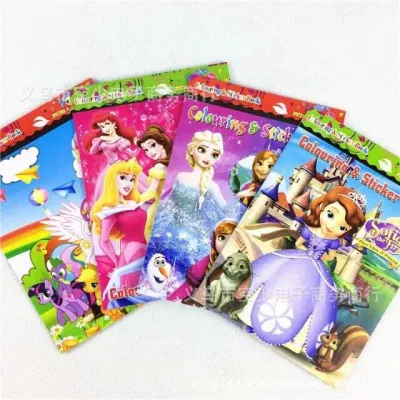
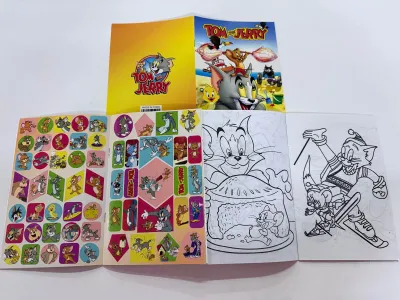
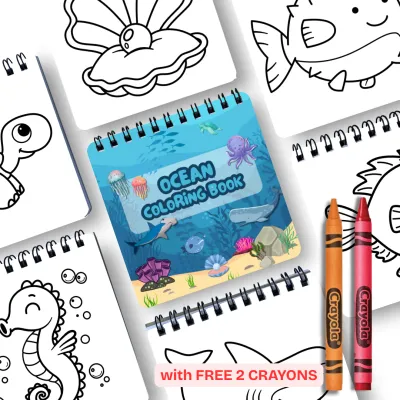
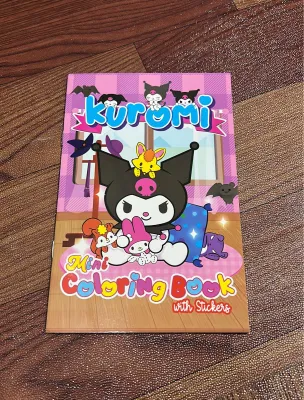
Prices are valid at publication and may change. Please refer to the product page for the latest price.
Spatial needs vary significantly between elementary sketching exercises and high school detailed mixed-media projects. Elementary art classes often focus on fundamental shapes, color identification, and expressive drawing. Younger children, whose fine motor skills are still developing, require enough surface area to draw without feeling restricted by the page edges. Conversely, high school students frequently engage in detailed observational sketching, ink rendering, or complex mixed-media journaling. For these older students, a pocket-sized A6 or A7 book is ideal for quick thumbnail sketches, color swatches, and detailed line work that requires precision rather than sweeping arm movements.
Page count is another critical trade-off that parents must balance. A thick mini book containing 80 to 100 sheets offers excellent value and can easily last an entire school semester or academic year. However, a high page count increases the physical bulk and weight of the book, which can strain a child’s backpack. In humid environments, carrying a thick book for months also exposes unused pages to ambient moisture, which can degrade the paper quality over time. Opting for thinner books with 24 to 40 sheets keeps the weight minimal, allows the child to finish projects faster—providing a satisfying sense of completion—and lets parents dedicate different books to specific art units, such as one book for pencil sketching and another for ink work.
Selecting Paper Types for Specific Art Mediums
Understanding paper weight is crucial to preventing classroom frustration caused by bleeding ink or warped pages. Paper weight is measured in grams per square meter (GSM), which indicates the density and thickness of the sheets. Lightweight paper ranging from 60 to 100 GSM is designed primarily for dry media, such as graphite pencils, colored pencils, and ballpoint pens. If a student attempts to use markers, heavy ink, or watercolors on this paper, the liquid will immediately bleed through to the next page and cause the sheet to buckle. For general art classes that use a mix of dry and light wet media, look for medium-weight paper between 100 and 150 GSM. If the syllabus includes heavy markers, gouache, or light watercolor washes, heavyweight paper of 150 to 300 GSM is necessary to maintain structural integrity.

Surface texture, often referred to as “tooth,” determines how art mediums interact with the paper. Smooth paper, such as hot-pressed or plate-finish sheets, is excellent for fine liners, markers, and detailed ink drawings. The lack of texture prevents marker nibs from fraying and allows for clean, crisp lines without ink feathering. Textured paper, such as cold-pressed or vellum-finish sheets, has a noticeable roughness that grabs dry mediums. This tooth is essential for graphite, charcoal, and colored pencils, as it allows the pigment to adhere to the page and enables smooth shading and layering. For a general art class where the medium changes weekly, a medium-tooth sketch paper offers the most versatile compromise.
Before purchasing, parents can perform several observable checks to verify paper quality. Hold a page up to a bright light to assess its opacity; if you can clearly see your hand through the sheet, the paper is thin and will likely suffer from high ghosting and bleed-through. Inspect the edges of the book to ensure there is no excess binding glue seeping onto the pages, which can cause sheets to stick together and tear when opened. Additionally, check the paper’s surface sizing, which is a chemical treatment that controls liquid absorption. You can test this on a sample page by applying a tiny drop of water; if the water beads up slightly before slowly absorbing, the paper has good sizing and will handle light wet mediums without immediate warping.
Evaluating Binding Styles for Durability and Usability
The binding style of a mini book directly impacts how easily a child can use it on a crowded classroom desk. Spiral or Wire-O binding is highly popular because it allows the book to lay completely flat on a table. This 360-degree rotation is particularly beneficial for left-handed students, who can fold the unused pages underneath to avoid resting their wrists on a bulky spine. However, spiral bindings can easily bend or crush if packed tightly inside a heavy school bag. Stitched or thread-bound books offer a highly durable alternative, allowing the book to open flat across a double-page spread without the risk of pages falling out. Perfect-bound or glued books are generally less suitable for art classes, as they resist laying flat and the spine can crack if forced open, leading to loose pages.
When inspecting mini books in a local stationery shop or reviewing specifications on online marketplaces, look closely for structural weak points. For spiral-bound books, check that the wire ends are securely looped back, a feature known as coil-locking. Exposed, sharp wire ends can snag on clothing, scratch hands, or unravel from the book entirely. For stitched books, examine the spine to ensure the threads are tight and evenly spaced, with no loose loops. If choosing a glued binding, look for flexible polyurethane reactive (PUR) glue, which offers better temperature and moisture resistance than standard hot-melt adhesives, preventing the pages from detaching in hot, humid classrooms.
Sturdy covers play a vital role in protecting your child’s artwork from the daily wear and tear of school life. Hardcovers made from thick chipboard or laminated cardboard provide a rigid surface, acting as a built-in clipboard. This allows students to sketch comfortably on their laps, outdoors during field trips, or at desks crowded with other art supplies. Additionally, water-resistant or plastic-coated covers shield the inner pages from accidental water bottle spills inside backpacks and protect the paper from absorbing moisture during the rainy season.
Creating a Custom Mini Book Shortlist for School Supplies
To simplify your shopping experience, create a practical decision framework that aligns your child’s art syllabus with the correct mini book specifications. If the syllabus focuses primarily on dry sketching and colored pencils, prioritize lightweight, medium-tooth spiral books. If the class introduces ink, markers, or light watercolor washes, focus your search on heavyweight, smooth, or cold-pressed stitched books. Mapping these requirements beforehand prevents you from buying unsuitable paper that will ultimately go unused.
Before finalizing any bulk purchase, always cross-reference your selection with the official school supply list provided by the art teacher. Some instructors require specific dimensions to fit into standardized classroom storage bins, or they may request a particular paper color, such as cream or bright white, to ensure grading consistency. If you plan to buy multi-packs from online marketplaces, review the seller’s return policy carefully. This ensures you can return the items if the physical product does not match the advertised paper weight or binding quality upon arrival.
Once you receive the mini books, have your child perform a simple medium test on the very last page before using the book for graded classroom assignments. Instruct them to apply their most frequently used markers, colored pencils, or watercolors to a small corner of the page. Observe how the paper reacts: check if the ink bleeds through to the reverse side, note how long the medium takes to dry, and look for any immediate warping or pilling of the paper fibers. This quick, hands-on trial ensures the mini book is fully compatible with your child’s art tools, preventing unexpected mishaps during class projects.
Frequently Asked Questions (FAQ)
Can standard mini books handle watercolor paints without warping? (FAQ)
Standard mini books designed for general sketching typically feature paper weights under 120 GSM, which cannot handle watercolor paints without significant warping, buckling, and pilling. When water is applied to lightweight paper, the moisture breaks down the cellulose fibers, causing the page to distort and the paint to pool unevenly. If your child’s art class requires watercolor painting, look specifically for mini books labeled as watercolor journals or mixed-media books. These specialized books feature paper weights of 200 GSM or higher, are often made with a blend of cotton fibers, and include heavy surface sizing to control water absorption and maintain a flat surface.
How do I prevent spiral bindings from snagging in my child's backpack? (FAQ)
To prevent spiral bindings from snagging on other school supplies or unraveling inside a backpack, look for mini books that feature coil-locked wire ends, where the wire loop is bent back into the binding. You can also protect the book by placing it inside a dedicated plastic envelope, a zippered mesh pouch, or a hard-shell folder before packing it. This extra layer shields the wire coils from catching on loose threads, backpack mesh, or the corners of heavy textbooks. Additionally, packing the mini book vertically rather than horizontally reduces the pressure exerted on the spine, helping to maintain the shape of the metal coils throughout the school year.

Community discussion
Share your experience or ask a question. Comments are reviewed before publication.