
Organizing documents efficiently requires more than just grabbing the first binder you see on a shelf. In the Philippines, where office and school paperwork relies heavily on specific paper standards, choosing the right filing tools is essential for keeping your records pristine. A long plastic folder is one of the most versatile and cost-effective tools for this task, offering protection against dust, spills, and physical wear. However, selecting the ideal folder involves understanding key specifications that directly impact how well your documents are preserved and how easily they can be accessed.
When shopping for a long plastic folder, you must look beyond basic colors and aesthetic designs. The right choice depends on a combination of exact physical dimensions, material composition, closure reliability, and your daily handling habits. In tropical environments where humidity and sudden rain showers are common, the material and build quality of your storage tools become even more critical. By focusing on these practical features, you can prevent common issues like bent paper corners, ink transfer, and split seams, ensuring your important documents remain organized and undamaged for years to come.
Determine Your Exact Paper Size and Capacity Needs
Before you begin browsing stationery aisles or online marketplaces, you must clarify the exact dimensions of the paper you intend to store. In the Philippines, the term “long” paper almost always refers to long bond paper, which measures 8.5 by 13 inches (215.9 mm x 330.2 mm). This is distinct from the international standard US Legal size, which measures 8.5 by 14 inches (215.9 mm x 355.6 mm). Many imported plastic folders are designed specifically for US Legal paper or A4 paper (8.27 by 11.69 inches). If you mistakenly buy an A4 folder, your long bond papers will stick out of the top, leaving them vulnerable to tearing, creasing, and moisture. Conversely, buying a true US Legal folder for long bond paper is possible, but the extra inch of space can cause papers to slide around, leading to misaligned stacks and potential damage.
Products mentioned in this guide
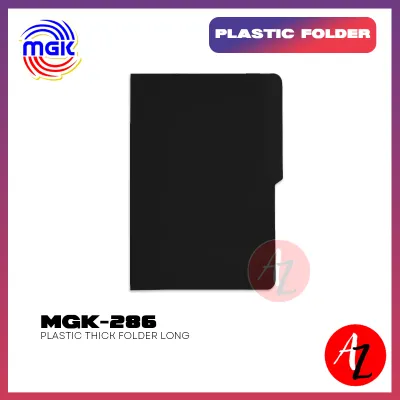
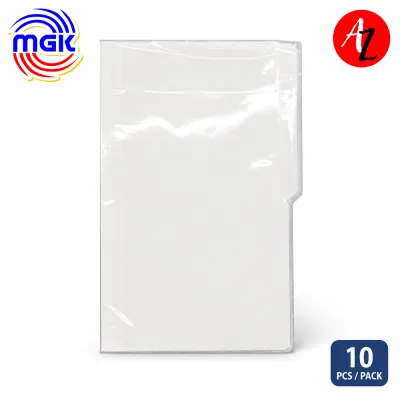
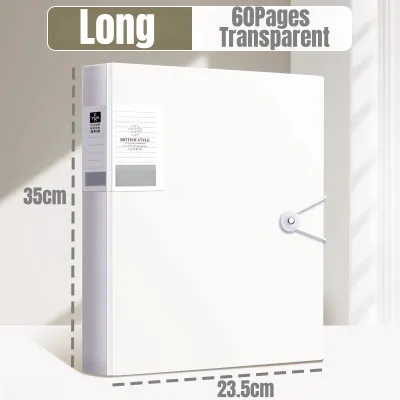
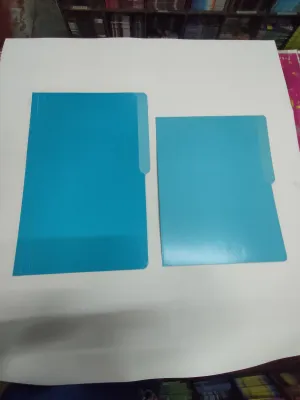
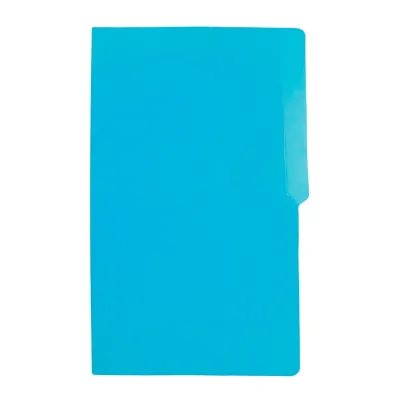
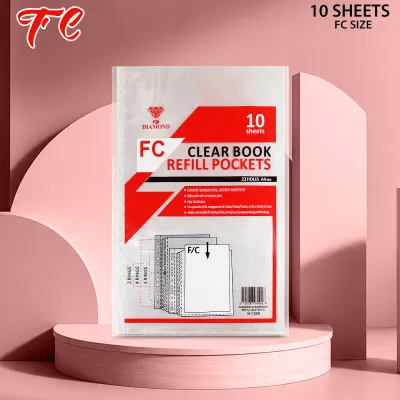
Prices are valid at publication and may change. Please refer to the product page for the latest price.
Once you have confirmed your paper size, assess the volume of documents you need to organize. Document capacity dictates the structural style of the folder you should choose. For small batches of papers, such as school handouts, single contracts, or monthly utility bills containing 1 to 30 sheets, a flat clear sleeve, L-folder, or slide binder is highly efficient. These low-profile options keep your documents flat without adding unnecessary bulk to your bag or drawer. For medium-sized projects, such as quarterly reports or student portfolios containing 30 to 150 sheets, look for expandable plastic envelopes or multi-pocket accordion files. These designs feature flexible side gussets that expand outward as you add more pages, keeping the overall structure compact while accommodating growth.
For high-volume archiving, such as annual tax records, legal case files, or extensive reference manuals exceeding 150 sheets, you will need a high-capacity ring binder or a rigid plastic box file. When evaluating these larger options, pay close attention to the internal gusset measurements and the width of the spine. A folder’s spine width must match or slightly exceed the thickness of your paper stack. If you attempt to force a thick stack of papers into a folder with a narrow spine, the plastic cover will bow outward, preventing the folder from closing flat. This puts immense pressure on the closure mechanism and the welded seams, eventually causing the folder to split open and expose your documents to the elements.
Evaluate Plastic Material and Build Quality
The type of plastic used to manufacture a folder determines its flexibility, weight, transparency, and long-term durability. The two most common plastics used in stationery manufacturing are Polypropylene (PP) and Polyvinyl Chloride (PVC). Polypropylene is highly recommended for most document organization needs. It is lightweight, incredibly flexible, and possesses high fatigue resistance, meaning it can bend repeatedly along a hinge line without cracking. PP is also chemically inert and highly resistant to environmental heat, making it ideal for tropical climates where temperatures inside offices and schoolrooms can fluctuate.

Polyvinyl Chloride, on the other hand, is heavier and offers excellent structural rigidity and crystal-clear transparency. This makes PVC folders look highly professional for presentations and client meetings. However, PVC is more susceptible to degradation when exposed to direct sunlight and high temperatures. Over time, the plasticizers used to make PVC flexible can migrate to the surface, making the folder feel sticky or greasy. More importantly, these migrating chemicals can cause “ink lifting” or “toner transfer,” where printed text and images from your documents physically stick to the inside of the plastic cover, permanently ruining both the document and the folder.
To ensure your documents remain safe over years of storage, look for folders explicitly labeled as “acid-free,” “archival-safe,” or “copy-safe.” These labels indicate that the plastic does not contain harmful chemicals or acidic compounds that will yellow, degrade, or bond with paper fibers and printed inks. Beyond chemical safety, you must physically inspect the build quality of the folder. Examine the edge welding where the plastic sheets are fused together. High-quality folders feature wide, double-welded seams or reinforced fabric borders that prevent splitting under pressure. Additionally, check the corners of the folder; rounded corners are highly preferable to sharp, pointed corners, as they are less likely to snag on your clothes, scratch your skin, or puncture the lining of your carrying bag.
Select the Right Closure and Security Mechanism
A folder’s closure mechanism is the primary line of defense keeping your documents secure inside. The best closure for your needs depends on how often you access the files and whether you plan to transport them frequently. For folders that will remain stationary inside a desk drawer, filing cabinet, or shelf, low-profile closures like snap buttons or string-and-button ties are excellent choices. Snap buttons offer quick, one-handed access, allowing you to open and close the folder in a single motion. String-and-button ties, while taking slightly longer to open, provide adjustable tension. This means you can wrap the string tightly regardless of whether the folder contains five sheets or fifty, keeping the cover flat and preventing it from bulging.
If your daily routine involves carrying documents between different locations, you need a more secure closure that prevents papers from sliding out during transit. Zipper closures, hook-and-loop (Velcro) fasteners, and heavy-duty elastic bands are ideal for active transport. Zippered plastic envelopes are particularly secure because they seal the folder on three or four sides, ensuring that even small items like receipts, business cards, or paperclips cannot slip out. Elastic bands that wrap around the corners of a folder offer rapid access and keep the cover tightly compressed, though you should ensure the elastic is thick and securely anchored so it does not lose its tension over time.
Regardless of the closure style you select, always inspect the attachment points where the fastener meets the plastic body. The areas surrounding snap buttons, rivets, and zipper tracks are common failure points under physical stress. In cheaply made folders, a snap button may be heat-pressed directly onto thin plastic without any reinforcement; over time, the force required to pull the snap open will tear the surrounding plastic. Look for folders where the closure area is reinforced with an extra layer of plastic, a metal eyelet, or heavy-duty stitching. This simple design detail ensures that the folder remains functional even after hundreds of opening and closing cycles.
Match the Folder Style to Your Specific Use Case
Selecting the perfect long plastic folder requires aligning its features with your primary environment and how often you handle your documents. A folder designed for a quiet office archive will perform poorly if subjected to a daily commute, while a rugged field folder might be unnecessarily bulky for simple shelf storage.
For Daily Commute and Field Work
Commuting in the Philippines often involves navigating crowded public transportation, sudden tropical downpours, and high outdoor humidity. If you are a student, salesperson, or field researcher, your primary concern is protecting your documents from physical impact and moisture. For this use case, prioritize folders made from thick, water-resistant Polypropylene with fully enclosed zipper closures. A zippered envelope prevents rain, dust, and humidity from seeping inside and dampening your papers.
Additionally, look for folders with a rigid or semi-rigid exterior. A flimsy, highly flexible plastic sleeve will offer little protection if your backpack is compressed or if you accidentally lean against a hard surface. A rigid plastic folder, or one featuring an internal clipboard or hard backing, acts as a protective shield. This ensures that your long bond papers remain perfectly flat, crisp, and professional, without any unsightly creases, dog-ears, or water stains when you present them to clients or teachers.
For Long-Term Archiving and Office Storage
For office filing cabinets, home archives, and open bookshelves, your priorities shift from rugged portability to space efficiency, stability, and ease of identification. When storing documents long-term, you want folders that can stand upright on shelves without sagging, leaning, or collapsing under their own weight. Look for rigid plastic box files, flat-spine document cases, or heavy-duty ring binders. These styles feature flat, wide bases that allow them to stand independently, maximizing your vertical storage space.
Labeling is another critical feature for long-term archiving. Avoid folders with completely smooth, unmarked spines that force you to open each one to see what is inside. Instead, select folders that feature clear, built-in label windows along the spine or front cover. These windows allow you to slide in paper labels that you can easily update or replace as the contents of the folder change. Ensure the plastic cover is thick enough (at least 0.5mm to 1mm) to support the weight of a full stack of long bond paper without bowing outward, which can cause neighboring folders on the shelf to topple over.
Build Your Shortlist: A Pre-Purchase Checklist
To make your shopping experience as efficient as possible, use this consolidated checklist when evaluating long plastic folders in physical stationery shops or on online marketplaces:
- Size Verification: Confirm the folder's internal dimensions are at least 8.5 x 13 inches to comfortably fit Philippine long bond paper without bending the edges. Avoid folders labeled strictly as A4 unless you are only storing smaller documents.
- Material Composition: Choose Polypropylene (PP) for lightweight flexibility and archival safety. Avoid cheap PVC folders for long-term storage of printed documents to prevent ink lifting and stickiness.
- Seam and Edge Quality: Inspect the welded edges for double-seaming or fabric reinforcement. Ensure the corners are rounded to prevent snagging and scratching.
- Closure Durability: Check that snap buttons, zippers, or string ties are reinforced with metal rivets or extra plastic layers at their attachment points.
- Capacity Match: Select flat sleeves for under 30 sheets, expandable gusset envelopes for up to 150 sheets, and rigid box files or ring binders for larger archives.
- Seller and Return Policies: When purchasing in bulk online, read customer reviews to verify seam durability and check the seller's return policy in case of manufacturing defects.
Frequently Asked Questions (FAQ)
Can I use a legal-size folder for long bond paper?
Yes, you can physically place long bond paper (8.5 x 13 inches) inside a standard US Legal-size folder (8.5 x 14 inches). However, because the legal-size folder is one inch longer, it will leave an empty gap at the top or bottom. This excess space allows the papers to shift and slide around inside the folder during transport. Over time, this movement can cause the edges of your documents to curl, bend, or become dog-eared, especially if the folder is stored vertically on a shelf or carried inside a loose bag. For the neatest organization, matching the folder size precisely to your paper size is always recommended.
How do I prevent plastic folders from becoming sticky over time?
To prevent plastic folders from developing a sticky or tacky surface, store them in a cool, dry environment away from direct sunlight, heat sources, and high humidity. Avoid stacking heavy items on top of PVC folders for extended periods, as pressure and heat accelerate the migration of plasticizers to the surface. If a folder begins to collect dust or feels slightly dirty, wipe it down with a dry or slightly damp microfiber cloth. Avoid using rubbing alcohol, acetone, or harsh chemical household cleaners, as these solvents can chemically break down the plastic surface, making the stickiness permanent and degrading the material.

Community discussion
Share your experience or ask a question. Comments are reviewed before publication.