
Bouncing clay for kids has become a favorite sensory toy in the Philippines, offering a unique combination of moldable sculpting clay and high-elasticity bounce once cured. When shopping for this versatile material, parents must prioritize safety certifications, texture performance, age-appropriate physical properties, and durable packaging that can withstand the local tropical humidity. Finding the right balance ensures a creative, mess-free play experience that supports fine motor development without exposing children to chemical hazards.
Unlike traditional oil-based modeling clays, bouncing clay is water-based and lightweight, drying to a rubbery, resilient texture rather than a hard, brittle finish. This unique physical profile makes it highly engaging, but it also means the material is sensitive to air exposure and environmental conditions. By understanding what to look for in terms of ingredient safety, polymer behavior, and container design, you can make an informed purchase that provides lasting play value.
Quick Guide: What to Check Before Buying Bouncing Clay
Parents looking for a quick checklist before purchasing bouncing clay for kids can focus on four main pillars: safety, texture, developmental alignment, and storage viability. First, verify that the packaging displays clear, internationally recognized non-toxic certifications to ensure the material is safe for prolonged skin contact. Second, understand the clay’s physical behavior, as some formulations are engineered for high-bounce performance while others prioritize extreme stretch and moldability.
Products mentioned in this guide
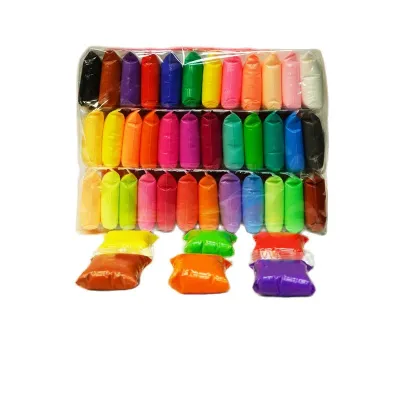
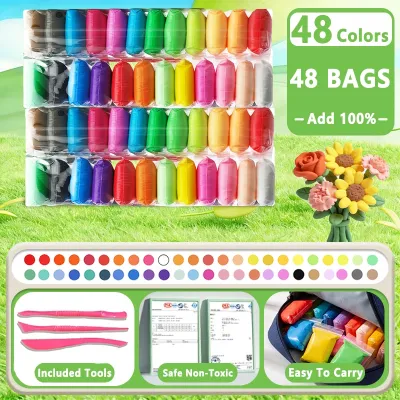
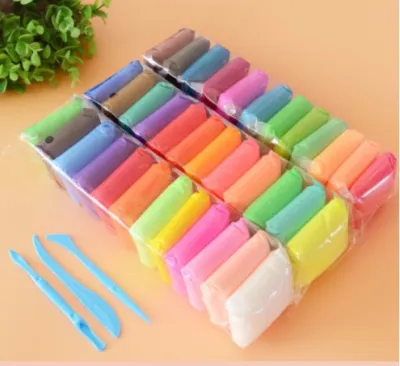
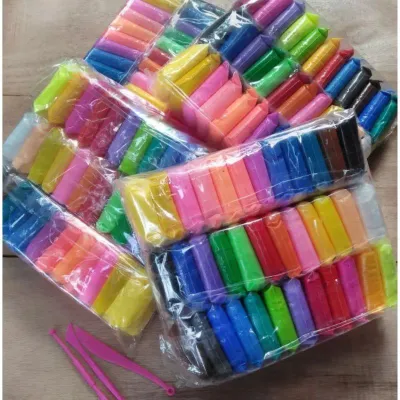
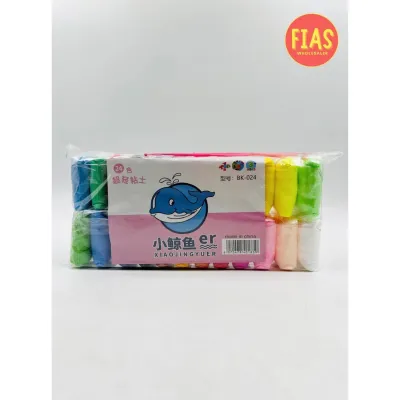
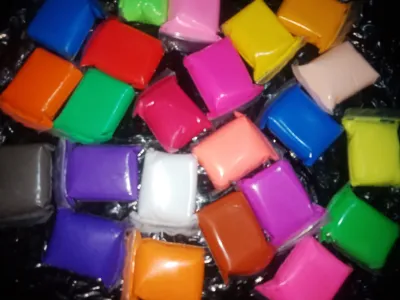
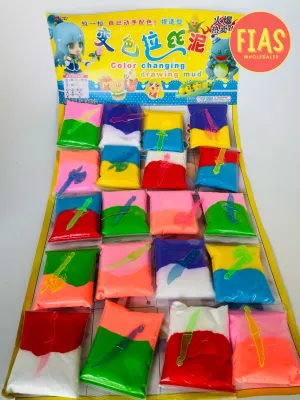
Prices are valid at publication and may change. Please refer to the product page for the latest price.
Third, match the clay’s firmness to your child’s age to prevent hand fatigue and avoid choking hazards for younger toddlers. Finally, assess the packaging, looking for airtight containers that protect the clay from drying out prematurely in warm environments. Whether you are browsing the aisles of local stationery stores in Manila or scrolling through popular ecommerce platforms in the Philippines, these core factors remain constant. Taking a few moments to inspect product descriptions, user feedback, and packaging details prevents the disappointment of buying clay that either dries out within days or contains harsh chemical additives.
How to Verify Safety and Non-Toxic Labels
Safety is the absolute priority when selecting any modeling compound for children. Because bouncing clay is handled directly for extended periods, its chemical composition must be completely safe for skin contact. Parents should actively look for certified non-toxic labels on the packaging. Standard safety marks include the CE mark (Conformité Européenne), the ASTM D-4236 designation (which confirms that the art materials have been evaluated by a toxicologist), or the EN71 certification for toy safety. In the Philippines, checking for local safety registrations or compliance marks from health authorities adds an extra layer of reassurance.

There are several critical red flags that parents should watch out for when evaluating different brands. A strong, pungent chemical or solvent-like odor is a major warning sign that the clay contains volatile organic compounds or low-grade plastics. Additionally, avoid unlabeled generic products sold in plain plastic wrap without brand names, manufacturing origins, or ingredient lists. High-quality bouncing clay should feel clean to the touch; if a product leaves an oily, greasy, or sticky residue on the hands that is difficult to wash off with soap and water, it is best to discard it and choose a more reputable brand.
Allergens are another important consideration, especially for children with sensitive skin or specific medical conditions. Some lower-cost clays may use gluten-based binders, latex, or synthetic dyes that can trigger contact dermatitis or allergic reactions. If your child has known sensitivities, search the product packaging or the manufacturer’s official website for explicit allergen-free statements. Many premium brands now produce gluten-free and latex-free formulations to accommodate all children safely.
It is vital to reinforce the distinction between “non-toxic” and “edible.” A label certifying that a product is non-toxic simply means it will not cause acute poisoning if a small amount is accidentally ingested or touches the skin. It does not mean the clay is a food product or safe to swallow in any quantity. Parents must supervise playtime closely, particularly for younger children who are still prone to putting toys in their mouths. Always store the clay out of reach when not in use, and establish a household rule of washing hands thoroughly with soap and water before and after every play session.
Understanding Texture, Bounce, and Ease of Use
The physical performance of bouncing clay for kids depends heavily on its specific formulation, which dictates how the material behaves under different forces. High-bounce formulations are typically firmer and contain polymers designed to retain elastic energy, allowing the molded shapes to bounce like rubber balls when dropped on hard surfaces. Conversely, high-stretch formulations prioritize plasticity and elongation, making them incredibly soft and easy to pull into thin sheets without tearing. Understanding these differences helps parents select a clay that matches their child’s preferred style of play, whether that involves building bouncy toys or sculpting detailed figures.
Environmental factors, particularly temperature and humidity, play a significant role in how bouncing clay behaves. In the tropical climate of the Philippines, ambient indoor temperatures can cause the clay to feel slightly softer initially. However, the true consistency of the clay reveals itself during handling. As children knead and roll the clay, the warmth of their hands transfers to the material, breaking down temporary intermolecular bonds and making the clay significantly more pliable and easier to mold. If the clay feels stiff straight out of the container, spending a few minutes warming and working it will usually restore its optimal texture.
Parents can use simple, observable tests to evaluate the quality of the clay’s texture before committing to a purchase or when reading detailed product reviews. A high-quality bouncing clay should exhibit a clear viscoelastic response: it should snap cleanly into two pieces when pulled apart with a sudden, rapid jerk, yet stretch smoothly and continuously like warm taffy when pulled slowly and gently. If the clay crumbles, flakes, or breaks apart regardless of how slowly it is pulled, it likely suffers from poor formulation or has already begun to dry out.
Cleanup and household maintenance are equally important practical considerations for parents. Look for brands that make explicit “non-stick” or “residue-free” claims, meaning the clay is designed to adhere to itself rather than to external surfaces. High-quality bouncing clay should lift cleanly off tables, plastic play mats, and wooden desks without leaving colorful stains or sticky patches behind. To prevent the clay from embedding itself in fabrics, clothing, hair, or carpets, establish a dedicated play zone on a smooth, non-porous surface, and ensure all clay pieces are gathered immediately after play before they have a chance to dry and harden into fibers.
Choosing the Right Type for Your Child's Age and Interests
Selecting the perfect bouncing clay for kids requires matching the product’s physical properties with your child’s developmental stage, hand strength, and creative interests. Always begin by verifying the manufacturer’s recommended age grading on the packaging. Most bouncing clays are rated for children aged three and older. This rating is crucial because younger children still explore objects orally, and small pieces of clay—or small toys molded from them—present a serious choking hazard. For older children, the selection expands to include various specialty formulations designed for specific play experiences.
Standard and Firm Bouncing Clays
Standard and firm bouncing clays are engineered primarily for durability and maximum kinetic feedback. These formulations contain a higher density of cross-linked polymers, which allows them to retain their shape exceptionally well and deliver a high, satisfying bounce when formed into spheres. Because of their firmer consistency, these clays require a moderate amount of hand strength to knead, roll, and sculpt successfully. This makes them ideal for older children, typically aged six and above, who have fully developed their fine motor skills and enjoy the physical challenge of molding more resistant materials. The finished creations dry to a firm, rubbery texture that can withstand repeated drops and active play without breaking.
Soft and Stretchable Formulations
Soft and stretchable formulations are designed specifically with younger children and beginners in mind. These clays are exceptionally lightweight, airy, and yielding, requiring minimal hand strength to manipulate. Children who are still developing their fine motor skills can easily pull, tear, flatten, and roll the clay without experiencing hand fatigue. While these softer variants may not bounce as high as their firmer counterparts, they offer superior tactile feedback and are much easier to press into detailed molds or sculpt into delicate figures. They provide a highly therapeutic sensory experience that encourages open-ended creative play and builds confidence in early crafting.
Specialty Variants (Glow-in-the-Dark, Magnetic, Color-Changing)
Specialty variants introduce an exciting element of science and sensory exploration to playtime, making them highly popular among older kids and pre-teens. These products include glow-in-the-dark clays that charge under ambient light, magnetic formulations that react to strong magnets, and thermochromic clays that change color in response to hand warmth or cool water. While these features add a fascinating visual and interactive dimension to play, parents should note that the additives required to produce these effects—such as phosphorescent powders, iron oxide particles, or micro-encapsulated dyes—can slightly alter the clay’s physical behavior. Specialty clays are often slightly denser, less stretchy, or have a slightly shorter bounce lifespan compared to standard, pure formulations.
Evaluating Packaging, Storage, and Long-Term Value
The long-term value of bouncing clay for kids is directly tied to how it is packaged and stored. Unlike traditional oil-based modeling clays that remain pliable indefinitely, water-based bouncing clays rely on moisture retention to maintain their soft, elastic properties. If exposed to the air, they will cure and harden permanently. Therefore, parents should carefully evaluate the quality of the packaging before buying. Look for brands that supply their clay in sturdy, screw-top plastic tubs, snap-lock containers, or metal tins with tight-fitting silicone seals. Avoid products packaged in thin, single-use plastic wrap or flimsy bags with weak adhesive strips, as these almost guarantee the clay will dry out and become unusable shortly after the first opening.
When calculating value for money, looking solely at the cheapest price point can be a misleading strategy. Cheap, poorly sealed single units often dry out so quickly that they must be replaced after just one or two play sessions, leading to higher cumulative costs. In contrast, investing in slightly larger, well-packaged multi-color sets with reusable, airtight containers represents a much better long-term value. Standard multi-color sets in the Philippines typically range from ₱150 to ₱600 depending on the volume and included accessories. These sets not only keep the clay fresh for months but often include helpful sculpting tools and step-by-step project guides that enrich the overall play experience.
To maximize the lifespan of your bouncing clay in the warm, humid climate of the Philippines, proper storage habits are essential. Always instruct children to return the clay to its designated container and seal the lid tightly immediately after they finish playing. Store the containers in a cool, dry cupboard away from direct sunlight, windows, or heat-emitting appliances, as excessive heat can accelerate moisture loss and degrade the polymer bonds. Finally, avoid mixing different brands or formulation types together in the same container. Different manufacturers use distinct chemical recipes, and mixing them can disrupt the delicate balance of plasticizers and binders, permanently ruining the clay’s unique bounce and stretch characteristics.
Frequently Asked Questions (FAQ)
How do I remove bouncing clay from clothing or carpets?
If bouncing clay accidentally gets pressed into clothing, upholstery, or carpets, prompt and careful action can prevent permanent damage. First, consult the clay manufacturer’s packaging or official website for any product-specific cleanup instructions. For most water-based bouncing clays, a highly effective method is to let the clay dry and harden completely, after which it can often be gently scraped off the fibers using a dull butter knife or a stiff brush. Alternatively, you can apply an ice pack wrapped in a thin cloth directly to the clay to freeze it, making the material brittle and easier to crumble and vacuum away. Always test any cleaning solvents or water-based spot treatments on a hidden area of the fabric first to ensure colorfastness, and keep in mind that complete stain removal may not always be guaranteed depending on the dye pigments used in the clay.
Can different colors or brands of bouncing clay be mixed together?
Yes, children can easily blend different colors of the same brand of bouncing clay to create custom shades, marble patterns, or gradient effects. However, parents should explain to young artists that once colors are fully kneaded together, they cannot be separated, and continuous mixing of multiple colors will eventually result in a dull, muddy brown or gray tone. Furthermore, avoid mixing different brands or entirely different formulations—such as blending a magnetic specialty clay with a standard high-bounce clay. Because different manufacturers utilize unique chemical compositions, plasticizers, and binding agents, mixing them can disrupt the material’s structural integrity, leading to a sticky, clumpy, or brittle mess that permanently loses its ability to bounce or stretch.

Community discussion
Share your experience or ask a question. Comments are reviewed before publication.