
Finding the perfect Gojo sticker for your journal involves balancing striking visual appeal with practical stationery compatibility. Whether you want to capture the intense energy of his Domain Expansion or add a minimalist blue-eyed motif to your weekly planner, the right sticker must look excellent and preserve the integrity of your journal pages. To make an informed purchase, you need to evaluate the sticker material, adhesive strength, print quality, and design format against your specific journaling habits and paper weight.
Key Material and Adhesive Choices for Journal Pages
Selecting the right sticker material is the first step in ensuring your journal pages remain flat, intact, and free from unsightly bleed-through. In a tropical climate like the Philippines, high humidity can severely affect how paper-based stickers behave over time, making material selection even more critical. The three most common sticker materials you will encounter are polyethylene terephthalate (PET), vinyl, and washi or standard paper.
PET stickers are highly prized for their exceptional transparency and ultra-thin profile. When applied to a journal page, the clear borders of a PET sticker blend seamlessly into the paper, giving the illusion that the artwork is printed directly onto the page. This material is incredibly durable, water-resistant, and does not yellow over time, making it excellent for long-term scrapbooking. However, because PET is non-porous, it does not absorb ink, meaning you cannot easily write over it with standard pens.
Products mentioned in this guide
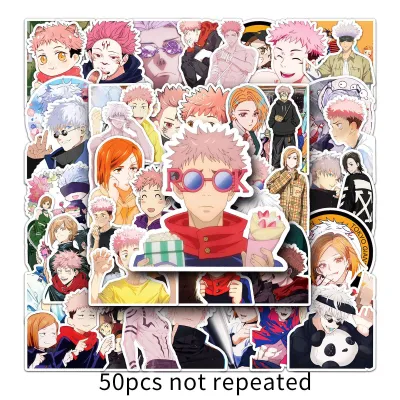
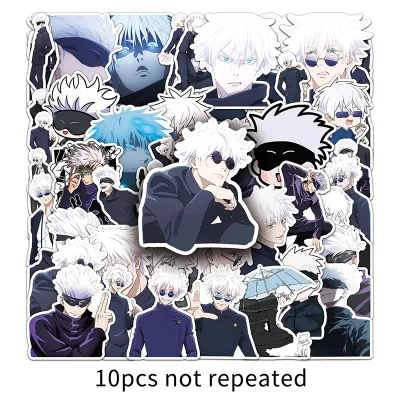
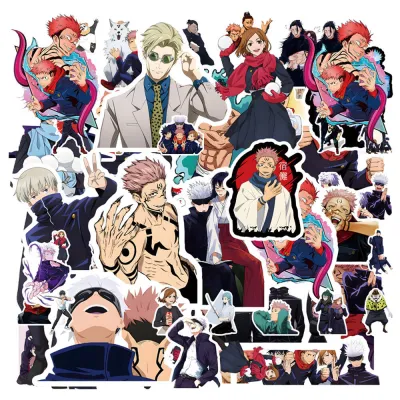
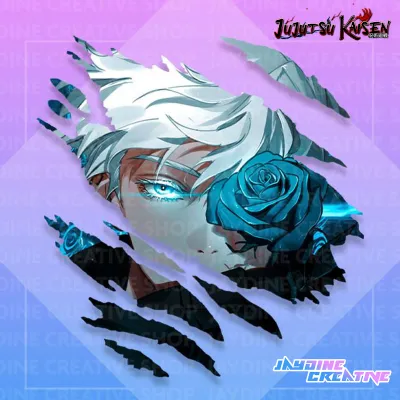

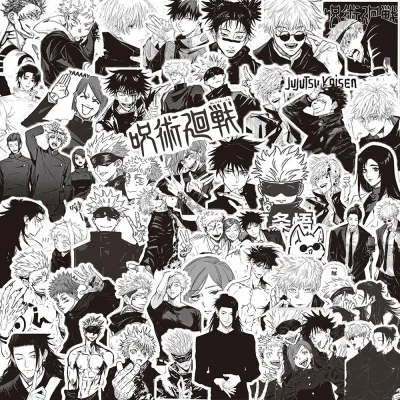

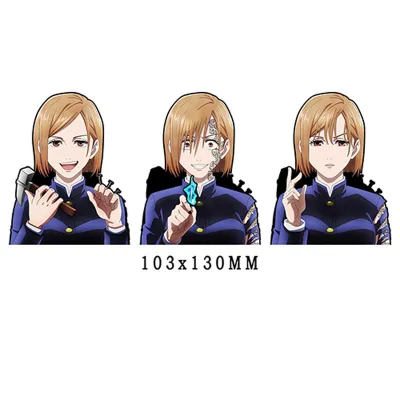
Prices are valid at publication and may change. Please refer to the product page for the latest price.
Vinyl stickers are thicker, highly durable, and offer vibrant color reproduction that makes character designs pop. They are excellent for cover decorations or heavy-duty planners, but their thickness can add significant bulk to your journal. If you paste multiple thick vinyl stickers on consecutive pages, your journal may begin to “alligator mouth,” preventing it from closing flat. Additionally, vinyl is highly resistant to moisture, which is beneficial in humid environments, but it requires a strong adhesive that can sometimes warp thinner journal pages.
Washi and standard paper stickers are the most traditional and versatile options for daily journaling. Washi paper is semi-translucent, lightweight, and has a soft, textured feel that blends beautifully with standard notebook pages. It is thin enough to keep your journal flat even when layered extensively. Standard paper stickers are opaque and budget-friendly, but they are highly susceptible to moisture and can warp or peel in high humidity if not stored properly.
Adhesive type is another crucial factor to consider before buying. Repositionable adhesives allow you to peel and adjust the sticker placement without tearing your paper, which is ideal for flexible planners and bullet journals. Permanent adhesives, on the other hand, create a strong bond that is difficult to break without damaging the page. If you are using standard journal paper (typically between 80 gsm and 120 gsm), a repositionable or low-tack adhesive is highly recommended to prevent the paper fibers from tearing during adjustments. For heavier mixed-media journals (160 gsm or higher), permanent adhesives are safer to use but still require careful placement.
Design Features That Elevate Bullet Journal Layouts
The visual format and design features of your Gojo stickers dictate how effectively they integrate into your bullet journal layouts. Stickers generally come in two primary cuts: die-cut and kiss-cut. Understanding the functional differences between these two styles will help you plan your layouts more efficiently and avoid cluttering your workspace.

Die-cut stickers are individually cut to the exact shape of the design, complete with their backing paper. These are often larger, highly detailed character portraits or complex illustrations that serve as the focal point of a page. Because they are individual pieces, they are easy to organize, trade, and position on your page before peeling off the backing. They are perfect for dedicated theme pages, monthly cover spreads, or large empty spaces that need a bold visual anchor.
Kiss-cut stickers are supplied on a larger sheet where only the sticker layer is cut, leaving the backing paper intact. This format is incredibly convenient for functional journaling, as a single sheet can hold dozens of smaller elements, such as tiny blue eye motifs, thematic icons, speech bubbles, or small decorative borders. Kiss-cut sheets are easy to store inside your journal pocket and allow you to keep a cohesive color palette and theme readily accessible for daily tracking and quick decorations.
Special finishes can elevate a simple layout into an eye-catching masterpiece, especially when representing dynamic character themes. Holographic finishes, for example, reflect a rainbow spectrum of light that beautifully mimics the shimmering effect of Gojo’s signature techniques. Foil accents, particularly in silver or gold, add a premium, metallic sheen to borders, runic symbols, or text quotes. Transparent finishes allow the underlying grid or dot pattern of your journal page to show through, creating a softer, more integrated look that works well for layering behind text.
When planning your layouts, consider how different sticker sizes fit into your notebook’s grid system. Large stickers (greater than 5 cm) are best reserved for headers, cover pages, or the corners of a spread where they will not interfere with your writing space. Medium stickers (3 cm to 5 cm) work well as decorative dividers or visual accents alongside your daily logs. Small stickers (under 3 cm) are highly functional as bullet points, mood trackers, or subtle fillers for tiny gaps in your weekly layouts.
Verifying Print Quality and Artwork Authenticity
With the immense popularity of anime-themed stationery, the market is flooded with various sticker options, making it essential to verify print quality and artwork authenticity before making a purchase. Low-quality prints can suffer from pixelation, muddy colors, and poor cutting alignment, which can ruin the aesthetic of an otherwise beautiful journal spread.
To ensure you are getting high-quality stickers, start by distinguishing between official merchandise, licensed fan works, and unauthorized bootlegs. Official merchandise is typically sold by authorized retailers and features official branding, copyright notices, and high-grade packaging. Licensed fan works, often created by independent artists and sold on creative marketplaces, offer unique, stylized interpretations of characters with excellent print quality and paper selection. Unauthorized bootlegs, conversely, often use stolen digital assets stretched beyond their original resolution, resulting in blurry lines and distorted colors.
When browsing online listings on ecommerce platforms, inspect the product photos closely. Be wary of listings that only show digital mockups or official anime screenshots instead of physical photos of the printed stickers. Digital mockups can hide printing flaws, poor color calibration, and misaligned cut lines. Look for listings that display the physical stickers under natural lighting, which allows you to assess the true color accuracy, the sharpness of the printed lines, and the consistency of the white borders surrounding the die-cut shapes.
Buyer reviews are an invaluable resource for verifying real-world quality. Look for reviews that include clear, close-up photos of the stickers applied to paper. Pay attention to feedback regarding color saturation—unauthorized prints often have a greenish or washed-out tint where deep blacks and vibrant blues should be. Additionally, check if other buyers mention issues with the cutting machine calibration, such as off-center cuts that slice into the artwork or leave uneven white borders that look messy on a journal page.
Building a Functional Sticker Shortlist for Your Needs
To avoid overspending and accumulating a drawer full of stickers you will never use, it is helpful to build a functional shortlist based on your actual journaling needs. Categorizing your stickers into functional and decorative groups allows you to maintain a balanced collection that serves both your organizational and aesthetic goals.
Functional stickers are those that actively help you organize your thoughts, track habits, or structure your daily logs. For a Gojo-themed journal, this could include small icon stickers for task checkboxes, themed date covers, or mood trackers that utilize his iconic expressions. Decorative stickers, on the other hand, are purely aesthetic elements, such as large character portraits, dramatic action poses, or memorable quotes. A good rule of thumb for a balanced journal is to allocate roughly 70% of your sticker space to functional elements and 30% to decorative focal points.
Setting a realistic budget framework helps you enjoy your hobby sustainably. In the local market, prices can vary widely depending on the source and material. You can find affordable, locally produced fan-made sticker sheets starting around ₱30 to ₱70 per sheet, which are excellent for daily, high-volume journaling. Premium, imported, or official merchandise can range from ₱150 to ₱500 or more per pack. By mixing budget-friendly functional sheets with a few high-quality, premium focal stickers, you can create stunning layouts without exceeding your budget.
Before finalizing your purchase on any online marketplace, review the seller’s shipping and packaging policies. Stickers are thin and highly susceptible to bending, creasing, or water damage during transit, especially during rainy seasons. Look for sellers who explicitly state that they ship stickers in rigid cardboard mailers, with chipboard backing, or inside protective plastic sleeves. Investing in a seller who prioritizes secure packaging ensures your stickers arrive in pristine, flat condition, ready to be placed perfectly onto your journal pages.
Frequently Asked Questions (FAQ)
This section addresses common practical queries about using and maintaining specialty character stickers in your daily journaling routine.
Can I write on holographic or PET stickers with standard pens?
Standard water-based gel pens and classic fountain pen inks will not adhere well to non-porous surfaces like holographic, vinyl, or PET stickers. Because these materials do not absorb moisture, water-based inks will bead up, pool, and smudge easily, even after hours of drying time. If you need to write directly on these specialty finishes, it is best to use permanent oil-based ballpoint pens, fine-tip permanent markers, or specialized acrylic paint pens. Always allow the ink to dry completely for several minutes before closing your journal to prevent transferring the design to the opposite page.
How do I safely remove a sticker if I place it incorrectly?
If you accidentally misalign a sticker on your journal page, the ease of removal depends heavily on the sticker’s adhesive and your paper’s weight. For repositionable washi or low-tack paper stickers, gently slide a thin craft spatula or your fingernail under one corner and peel the sticker back slowly at a flat, 180-degree angle rather than pulling straight up. If you are dealing with a stronger adhesive on sturdy paper, applying gentle, indirect heat from a hair dryer on its lowest setting for a few seconds can help soften the glue, making it easier to lift. However, if the paper begins to fiber-tear or ripple, it is best to stop immediately and accept the placement, as forcing the peel will result in an irreversible hole in your journal page.

Community discussion
Share your experience or ask a question. Comments are reviewed before publication.