
Choosing the right ribbon width can elevate a project from simple to professional, and a 2cm satin ribbon occupies a highly versatile middle ground. This specific width—roughly equivalent to three-quarters of an inch—is well-suited for medium-to-small gift boxes, delicate hair accessories, and boutique floral arrangements. While it offers enough surface area to showcase the characteristic lustrous sheen of satin, it remains pliable enough to tie into neat, tight knots without bunching. However, for oversized packages or heavy-duty structural tasks, a wider or more robust material is usually necessary.
Understanding the 2cm Width Profile
To visualize 2cm, think of the width of a standard ₱1 coin or a typical adult index finger. It is wide enough to be noticed from a distance but narrow enough to avoid overwhelming small items. This makes it a highly practical choice for projects where you want the ribbon to be a distinct design element without dominating the entire presentation.
Satin ribbon is woven to produce a smooth, glossy face and a matte back. At a 2cm width, the ribbon has a soft drape that flows easily, making it well-suited for cascading bow tails. However, this smoothness also means it is naturally slippery. Tying a secure knot requires deliberate tension, as the silk-like polyester fibers slide against each other easily under loose pressure.
Products mentioned in this guide
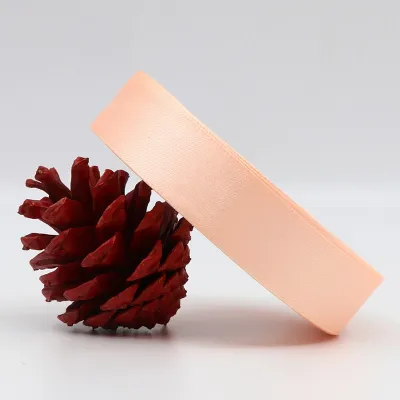
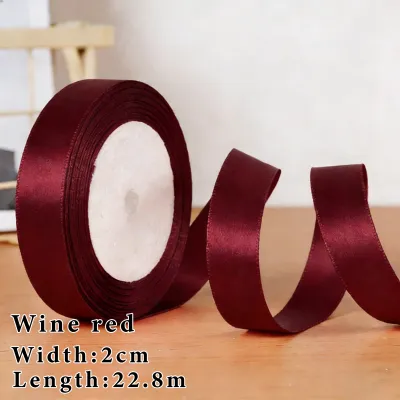
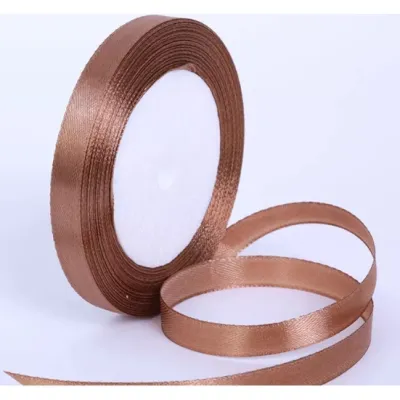
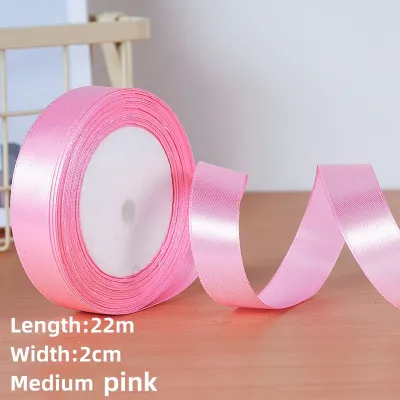
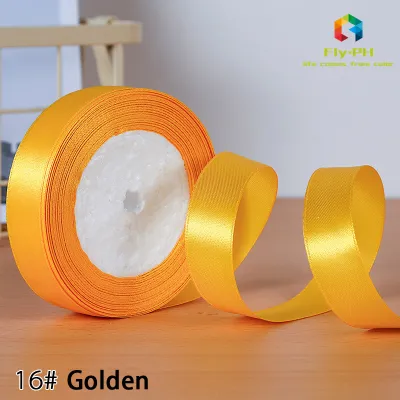
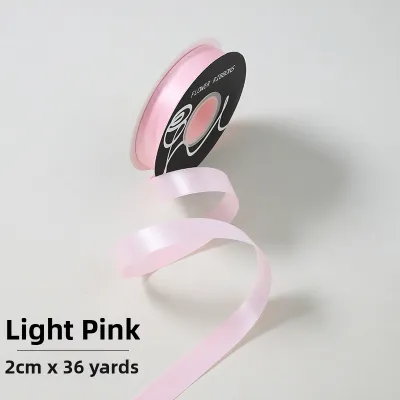
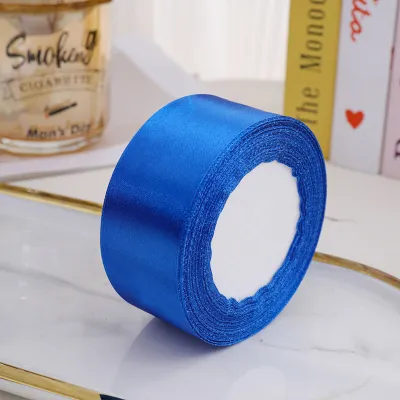
Prices are valid at publication and may change. Please refer to the product page for the latest price.
In comparison, a narrower 1cm ribbon is excellent for tiny jewelry boxes or delicate tags but can easily get lost on larger items. Conversely, a wide 5cm ribbon provides dramatic visual impact but is too stiff and bulky to tie into small, intricate bows. The 2cm width serves as a balanced compromise, offering visible color and shine without the physical bulk of wider alternatives.
Best Projects for 2cm Satin Ribbon
Selecting the right ribbon depends heavily on the scale of your project and the physical properties of the fabric. Because 2cm satin ribbon strikes a balance between flexibility and visibility, it excels in applications where both detail and presence are required.

Gift Wrapping and Packaging
This width is well-suited for wrapping small to medium-sized packages, such as standard jewelry boxes, paperback books, perfume boxes, and souvenir favor bags. When wrapped around a box with a perimeter of 30 to 60 centimeters, the 2cm ribbon looks clean and proportional.
For these dimensions, classic flat knots, double-loop bows, or simple band wraps work well. The ribbon lies flat against the cardboard, creating clean lines that do not slide off the corners easily. It allows you to create a classic gift presentation without requiring advanced wrapping skills.
Avoid using 2cm ribbon on large appliance boxes, heavy shipping crates, or oversized gift hampers. On these large surfaces, a narrow ribbon looks disproportionate, resembling a thin string rather than an intentional decorative element. For larger boxes, wider ribbons are necessary to maintain visual balance.
Hair Accessories and Wearables
In personal accessories, 2cm satin ribbon is a popular choice for creating hair bows, decorating barrettes, and accenting scrunchies. It is wide enough to show off the satin’s luster on a hair clip but light enough not to weigh down fine hair, making it suitable for both children’s and adults’ accessories.
When sewing or gluing this ribbon onto garments, such as lining a collar or adding a decorative hem to a light dress, the 2cm width provides a clean, visible border. It behaves well around gentle curves, provided it is pinned securely before stitching.
Because satin is naturally slippery, check the backing material before finalizing your project. If you are gluing the ribbon to metal hair clips or smooth plastic barrettes, using a fabric-safe adhesive or adding a small strip of felt backing can prevent the ribbon from sliding off the smooth surface over time.
Floral Arrangements and Bouquets
For florists and DIY decorators, 2cm satin ribbon is effective for wrapping single-stem roses, small corsages, and boutique hand-tied bouquets. It wraps smoothly around stems without creating excessive bulk, allowing the recipient to hold the bouquet comfortably.
When wrapping stems, the 2cm width covers floral tape efficiently with fewer overlapping layers than a narrower ribbon, saving time during assembly. The smooth texture feels pleasant in the hand and does not scratch delicate skin.
However, for massive bridal bouquets or large-scale floral installations, a 2cm ribbon can look visually weak. In those cases, a wider ribbon is typically preferred to balance the heavy volume of the blooms, though 2cm can still be used for delicate trailing streamers hanging from the main bind point.
Decision Checklist: Is 2cm the Right Width for Your Project?
Before purchasing your ribbon, walk through these practical checks to ensure a 2cm satin ribbon fits your specific needs:
- Measure the Object: Use a flexible measuring tape to check the dimensions of your item. If the box or object is wider than 20 centimeters on its longest side, a 2cm ribbon might look too thin. For items under 15 centimeters, it is usually a suitable fit.
- Calculate the Required Length: Do not guess how much ribbon you need. A practical guideline for a basic cross-wrap with a standard bow is to multiply the perimeter of the box by two, then add 30 to 40 centimeters for the bow loops and tails. For 2cm ribbon, you need enough tail length to let the satin drape naturally.
- Check Environmental and Handling Conditions: Satin is sensitive to moisture and friction. If your project will be handled frequently or exposed to high tropical humidity, such as during outdoor events in the Philippines, verify that your adhesive or stitching can withstand these conditions. For outdoor events, ensure the ribbon is kept dry to prevent water spots from dulling the satin finish.
Practical Tips for Working with 2cm Satin Ribbon
Working with satin requires a few specific techniques to ensure a clean, professional finish and prevent the edges from unraveling.
- Use Sharp Shears: Always cut satin ribbon with sharp, dedicated fabric scissors. Dull household scissors will chew the edges, causing immediate fraying and pulling the delicate threads of the weave. Cut at a 45-degree angle or a V-shape to help reduce fraying and add a clean decorative touch.
- Seal the Edges Safely: To prevent the cut ends from fraying over time, you can seal them. If using a heat-sealing method, such as a quick pass near a small flame, always test a scrap piece of the ribbon first. Different synthetic fibers react differently to heat; some melt cleanly, while others may scorch or discolor.
- Maintain Tension When Tying: Because satin is exceptionally smooth, knots can easily slip and loosen. When tying bows, pull the center knot firmly. You can also apply a tiny drop of clear fabric glue inside the knot if the bow needs to remain permanently tied during shipping or handling.
Frequently Asked Questions (FAQ)
How does 2cm compare to standard inch measurements?
In imperial measurements, 2cm is approximately 0.79 inches, which is very close to 3/4 of an inch. If you are following a crafting tutorial or sewing pattern that calls for 3/4-inch ribbon, a 2cm satin ribbon is a highly suitable, readily available substitute that will fit the specified proportions.
Can 2cm satin ribbon be used for heavy gift boxes?
While 2cm satin ribbon is excellent for adding a decorative touch to a heavy gift box, it should not be used as the primary structural support to hold a heavy box closed or to carry it. Satin fibers can stretch or slip under tension. Always secure heavy boxes with sturdy packaging tape or internal fasteners first, using the ribbon purely for aesthetic presentation.

Community discussion
Share your experience or ask a question. Comments are reviewed before publication.