
Selecting the ideal A3 bag requires balancing document safety, carrying comfort, and environmental protection. Because A3 paper measures a substantial 297 x 420 mm, standard backpacks and briefcases are simply too small, leaving your large-format prints, architectural blueprints, or fine art vulnerable to folding and edge damage. The right choice depends on whether you are commuting daily through busy transit systems, presenting to clients in professional boardrooms, or archiving historical documents in a home office. By evaluating how you transport and store your work, you can find a carrier that keeps your papers pristine.
In tropical environments where sudden downpours and high humidity are constant challenges, document protection becomes even more critical. Moisture can quickly compromise paper structural integrity, causing prints to warp, ink to smudge, or charcoal drawings to transfer. Therefore, understanding the structural differences between portfolios, messenger bags, briefcases, and folder cases is the first step toward securing your valuable work.
Key Sizing and Protection Factors for A3 Documents
To ensure your documents remain flat and undamaged, you must first understand the physical requirements of the A3 format. Standard A3 paper measures exactly 297 x 420 mm. However, a bag designed with these exact dimensions will be too tight, causing the corners of your papers to crimp or tear when you zip the bag closed. You should look for a carrier with internal dimensions of at least 310 x 430 mm. This extra clearance accommodates plastic sleeves, spiral bindings, mounting boards, or protective paper borders without forcing you to squeeze the documents inside.
Products mentioned in this guide
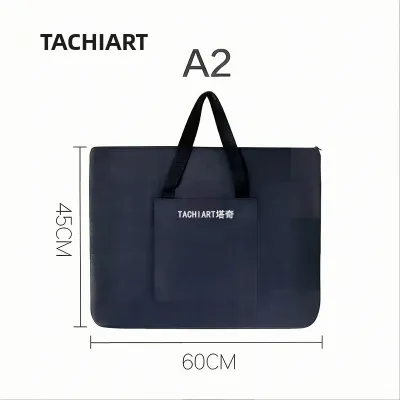
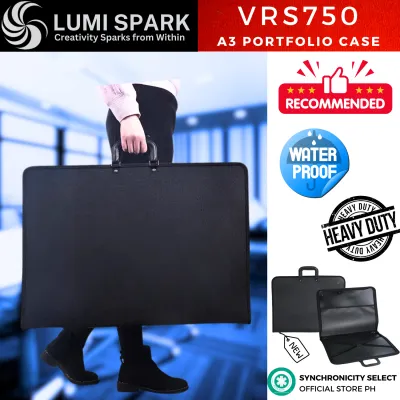
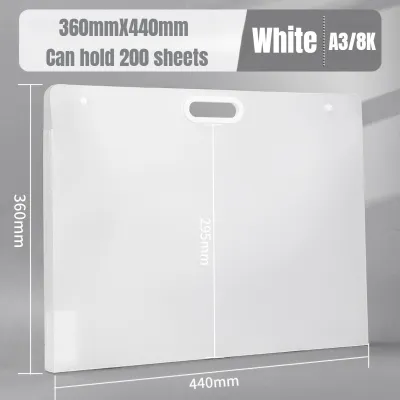
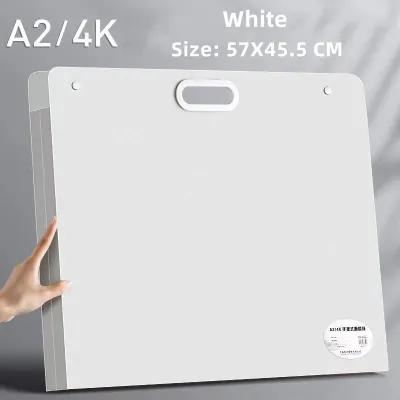
Prices are valid at publication and may change. Please refer to the product page for the latest price.
Material rigidity is another critical factor in preventing physical damage. If you carry loose sheets of paper, a soft-sided bag without internal support will allow the documents to bend as the bag contours to your body. To prevent creasing, your bag must either feature rigid outer walls or have enough internal space to hold a stiff backing board. Hard-shell plastics, reinforced cardboard, or aluminum frames provide the best defense against external pressure, ensuring your documents remain perfectly flat even in crowded spaces.
Environmental factors, particularly humidity and rain, pose a significant threat to paper-based media. In regions with high humidity, paper naturally absorbs moisture from the air, making it limp and more susceptible to creasing. A quality A3 bag should feature water-resistant materials such as heavy-duty polypropylene, treated nylon, or water-repellent canvas. Additionally, look for secure closure systems, such as overlapping zippers or storm flaps, to prevent water droplets from seeping through the seams during sudden tropical rainstorms.
Finally, carrying ergonomics should not be overlooked. An A3 bag is physically large, and when filled with multiple drawings, boards, or reference books, it can become surprisingly heavy. The bag should feature comfortable, well-padded handles or adjustable shoulder straps that distribute weight evenly across your body. If you commute via public transportation, such as trains or buses, a bag with a low-profile design and secure strap attachments will make it much easier to maneuver through tight spaces without bumping into other passengers.
Comparing the 4 Main A3 Bag Styles for Work and Study
The market offers several distinct styles of A3 carriers, each designed to address specific mobility, protection, and organizational needs. Choosing the right style involves comparing their structural designs, practical advantages, and inherent limitations against your daily routine.

A3 Portfolios and Sleeves
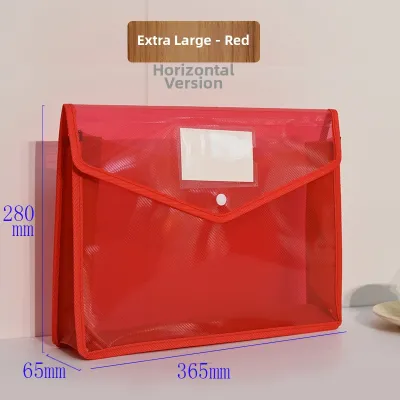
A3 portfolios and sleeves are lightweight, streamlined carriers designed primarily for short-distance transport and flat storage. Typically constructed from flexible polypropylene, lightweight canvas, or synthetic leather, these carriers are ideal for students and professionals who need to move documents between classrooms, studios, or nearby offices. Their slim profile makes them exceptionally easy to slide into larger luggage or store flat under a desk or behind a cabinet.
While portfolios excel at keeping documents organized and clean, they offer limited structural support on their own. A basic plastic sleeve will not prevent bending if it is packed tightly into a crowded vehicle or subjected to heavy external pressure. Furthermore, many entry-level portfolios feature simple slide-on clips or open tops, which provide minimal protection against heavy rain or dust. If you choose a portfolio, it is best used for carrying pre-mounted prints or documents that already have their own rigid backing.
A3 Messenger Bags and Totes
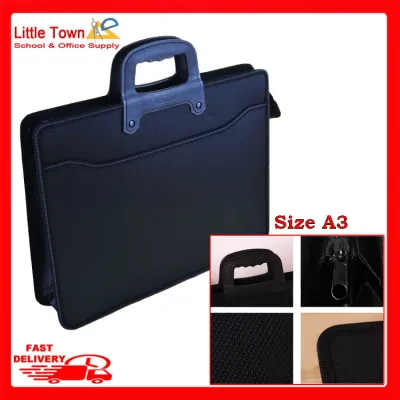
For those who commute daily and need quick access to their documents, A3 messenger bags and totes offer a highly practical, soft-sided solution. These bags feature long, adjustable shoulder straps or cross-body straps that allow you to carry large documents hands-free. This design is particularly beneficial for students or field engineers who need to carry their drawings alongside personal items, laptops, or tablets.
The primary advantage of a messenger bag lies in its internal organization. Most models include dedicated compartments, zippered pockets, and dividers that allow you to separate your delicate A3 prints from bulky items like chargers, water bottles, or notebooks. However, because these bags are soft-sided, they rely on the user to pack them carefully. To prevent your papers from bending, you must ensure they are placed flat against the bag’s back panel or kept inside a rigid folder within the main compartment. Additionally, while many messenger bags feature wide top flaps to keep out the elements, open-top totes should be avoided if you frequently travel in wet weather.
A3 Briefcases and Attache Cases
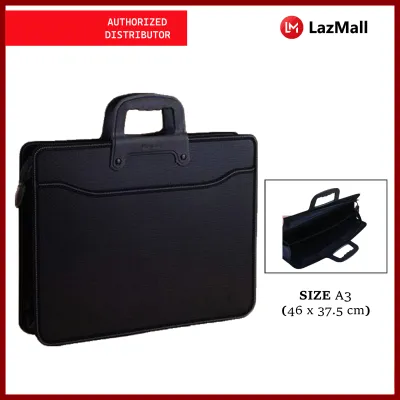
When maximum physical protection and a highly professional appearance are required, A3 briefcases and attache cases are the premier choice. These carriers feature rigid or semi-rigid outer shells made from materials like molded plastic, aluminum, or reinforced heavy-duty leather. They are designed to withstand significant impacts, drops, and external pressure, making them the safest option for transporting high-value documents, original artworks, or sensitive legal contracts.
Beyond their structural integrity, professional briefcases often include advanced security features such as reinforced corners, heavy-duty latches, and combination locks. These features provide peace of mind when carrying confidential blueprints or proprietary designs. The main trade-off with a rigid briefcase is its weight and bulk; they are heavier than portfolios or messenger bags and do not compress when empty. However, for architects, engineers, and executives who frequently present to clients in formal settings, the superior protection and polished aesthetic of a hard-shell briefcase are well worth the extra weight.
A3 Folder Cases and Storage Boxes
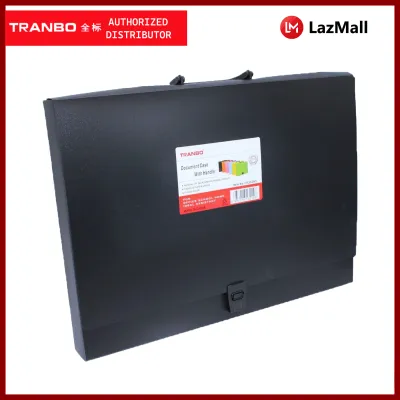
If your primary goal is stationary storage, archival preservation, or occasional heavy-duty transport, A3 folder cases and storage boxes are the most suitable option. Folder cases often feature expandable accordion-style pockets with index tabs, allowing you to sort and organize large volumes of documents by project, date, or client. Storage boxes, on the other hand, are rigid containers designed to sit on shelves or stack neatly in closets.
These storage solutions excel at protecting documents from dust, light exposure, and physical wear over long periods. Many archival-grade boxes are made from acid-free materials, which prevent paper yellowing and chemical degradation over time. While they are incredibly efficient for organizing a home office or studio, they are not designed for active daily commuting. Their bulky, boxy shapes lack ergonomic handles or straps, making them awkward to carry over long distances or on public transit.
Matching the Right A3 Bag to Your Daily Routine
Selecting the perfect A3 bag requires a realistic assessment of your daily workflow, commute style, and environmental conditions. If you are an architecture student commuting daily via public transit, your needs will differ vastly from an art collector who occasionally transports prints to a local gallery.
For active commuters who face unpredictable weather and crowded transit routes, a hybrid approach often works best. You might pair a highly durable, water-resistant A3 messenger bag with a slim, rigid polypropylene sleeve inside. This combination provides double-layer protection: the outer messenger bag shields your gear from rain and physical impacts, while the inner sleeve ensures your papers remain perfectly flat and free from edge wear.
If your routine involves frequent client presentations in corporate offices, a semi-rigid A3 briefcase or a high-end synthetic leather portfolio is highly recommended. These styles project professionalism while offering the structural support needed to keep your presentation boards crisp. For those who work primarily from a home studio or office, investing in a set of stackable A3 storage boxes or expandable folder cases will keep your workspace organized and protect your completed projects from dust and humidity.
Seasonal variations should also influence your choice. During the wet, rainy months, prioritizing a bag with a fully waterproof exterior and sealed zippers is essential to prevent moisture from ruining your work. In contrast, during drier seasons, a lighter canvas tote or a breathable fabric portfolio may offer a more comfortable and flexible carrying experience.
Pre-Purchase Checklist for A3 Bags
Before purchasing an A3 bag from an online marketplace or a local stationery shop, use this checklist to ensure the carrier meets your specific functional and safety requirements:
- Verify Internal Dimensions: Do not rely solely on the product title or external measurements. Ensure the internal width and length are at least 310 x 430 mm to accommodate paper borders, plastic sleeves, or spiral bindings.
- Inspect Hardware Quality: Check the zippers, buckles, and strap attachments. For heavy document loads, look for metal D-rings and reinforced stitching at all major stress points. Nylon coil zippers are generally more water-resistant than metal zippers, which can sometimes let water seep through the teeth.
- Check Interior Lining: Ensure the inner lining is smooth and free of rough textures that could scratch delicate prints. If you are carrying laser prints, photographs, or charcoal drawings, verify that the interior materials are acid-free and anti-static to prevent ink transfer or smudging.
- Assess Water Resistance: Look for materials like water-repellent polyester, nylon, or thick polypropylene. If the bag is fabric-based, check if it has an internal water-resistant coating or a protective storm flap over the main zipper.
- Review Return Policies: When buying from online platforms, carefully read the seller's return policy and sizing guarantees. Because A3 is an uncommon size for standard bags, having the option to return or exchange the product ensures you are not stuck with a bag that is too small for your specific documents.
Frequently Asked Questions (FAQ)
Can I use an oversized bag for A3 documents?
Using an oversized carrier, such as an A2-sized bag, for A3 documents is possible, but it comes with distinct risks. When a smaller document is placed in a significantly larger bag, it has room to slide around during transit. This movement can cause the paper to slide into corners, leading to bent edges, creases, or crumpled corners. If you must use an oversized bag, always secure your A3 papers inside a rigid folder or clip them to a sturdy backing board to prevent them from shifting and bending while you walk.
How do I clean and maintain a canvas or leather A3 portfolio?
To keep your A3 portfolio in top condition, establish a regular, low-risk cleaning routine. For canvas bags, gently brush away surface dust with a soft-bristled brush, and spot-clean stains using a damp cloth with mild, diluted soap; avoid soaking the fabric to prevent warping. For synthetic or genuine leather portfolios, wipe the exterior with a dry microfiber cloth and apply a specialized leather conditioner occasionally to prevent cracking in dry environments. Always store your portfolio in a cool, well-ventilated area away from direct sunlight to prevent mold growth, color fading, or material degradation. If the bag suffers deep stains or structural damage, consult a professional cleaner rather than using harsh chemical solvents.

Community discussion
Share your experience or ask a question. Comments are reviewed before publication.