
Choosing the best A3 plastic envelope depends entirely on how you handle, transport, and store your oversized documents. For school projects and art portfolios, a lightweight envelope with a secure snap button or zipper closure prevents papers from slipping out during a busy commute. For office archiving, compatibility with filing cabinets, clear labeling areas, and color-coded options help maintain an organized system. For personal valuables and certificates, prioritizing acid-free materials and dust-resistant seals ensures long-term preservation against tropical humidity. By matching the envelope’s closure, thickness, and material properties to your specific scenario, you can keep your large-format documents pristine and accessible.
Assessing Your Document Storage Requirements
Before purchasing an A3 plastic envelope, you must evaluate the specific nature of the documents you intend to store. Large-format items like architectural blueprints, school art portfolios, legal contracts, and family certificates have different vulnerabilities. For instance, delicate charcoal sketches or high-gloss photographs require smooth interior surfaces to prevent smudging or sticking, while heavy cardstock demands a sturdier envelope structure.
Consider how often you will need to access or transport these documents. Daily handling in a classroom or office setting requires a durable closure mechanism that can withstand repeated opening and closing without tearing the surrounding plastic. Conversely, long-term archival storage requires minimal handling but demands maximum protection against environmental factors.
Products mentioned in this guide
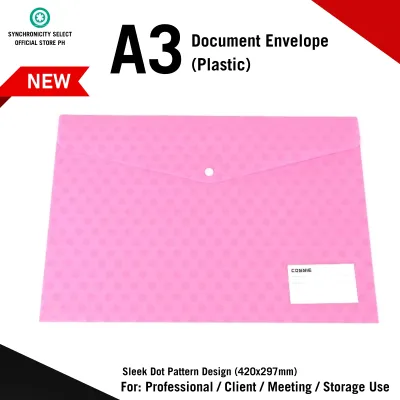
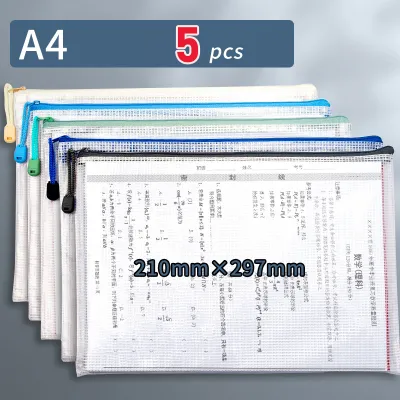
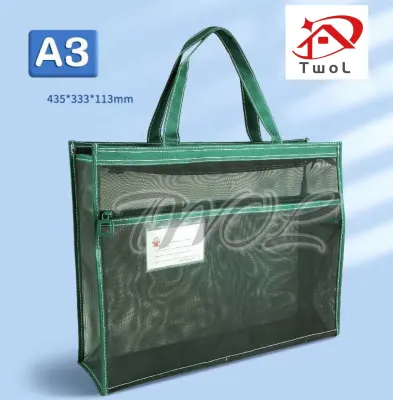
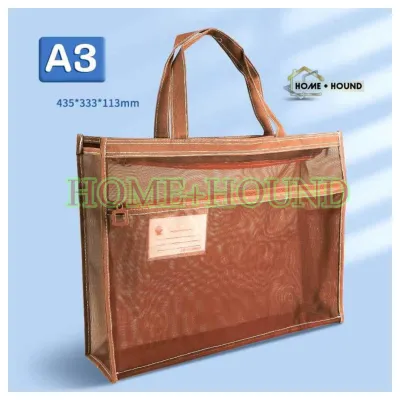
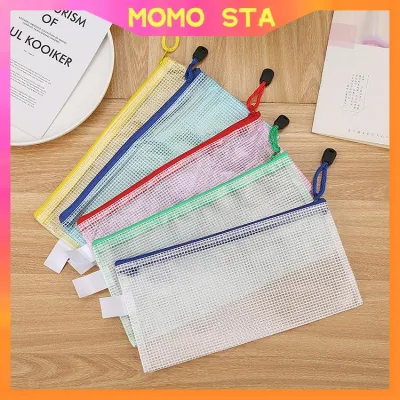
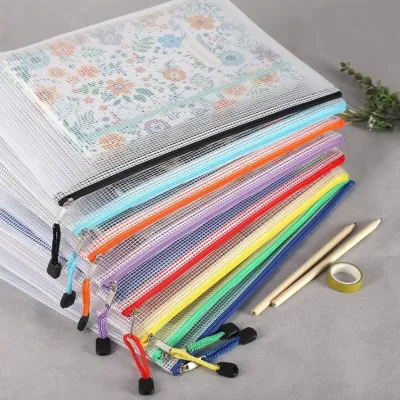
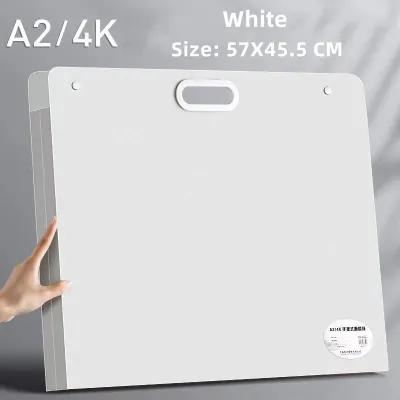
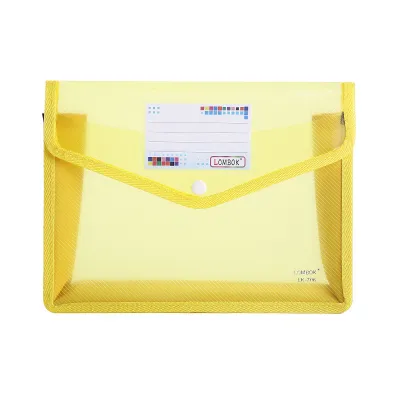
Prices are valid at publication and may change. Please refer to the product page for the latest price.
In tropical climates like the Philippines, environmental factors play a significant role in document degradation. High humidity can cause papers to warp, stick together, or develop mold if they are sealed in airtight, non-breathable plastic for extended periods. Additionally, exposure to direct sunlight can accelerate the yellowing of paper and the fading of ink, making it essential to assess where your storage containers will be kept.
Furthermore, physical space constraints dictate the type of envelope you should select. If you have limited shelving or drawer space, choosing a flat, non-expandable envelope will help keep your storage compact. However, if you are managing a growing collection of documents, planning for future expansion with flexible storage options is a more sustainable approach.
Key Features for School Projects and Portfolios
Students and educators handling A3-sized materials need envelopes that balance reliable protection with easy portability. When carrying large art projects, poster boards, or science diagrams in a backpack or portfolio bag, the closure mechanism is your first line of defense. Snap buttons offer quick access and a flat profile, making them easy to stack, while zipper closures provide a more secure seal that prevents smaller items like pencils or rulers from sliding out alongside your papers.

Transparency is another critical feature to consider for school use. Fully transparent plastic envelopes allow you to identify the contents instantly without needing to open the fastener, which is highly convenient during fast-paced class transitions. However, if you are transporting graded assignments or confidential project drafts, semi-transparent or tinted options offer a layer of privacy while still letting you see if the envelope is occupied.
The thickness of the plastic, often measured in microns, directly impacts the envelope’s durability. Heavy-duty school projects containing thick cardstock, glued elements, or multiple layers of paper require a thicker material to prevent punctures. Inspect the welded seams along the edges of the envelope; reinforced or double-stitched seams are less likely to split when the envelope is packed to its maximum capacity.
Weight is also a practical consideration for students who must carry their work across campus. Lightweight polypropylene envelopes protect against light rain and spills without adding unnecessary bulk to a student’s load. Choosing an envelope with a built-in handle can also make transporting large A3 sheets much more comfortable during daily commutes.
Ideal Specifications for Office Filing and Archiving
In a professional office environment, A3 plastic envelopes must integrate seamlessly into existing filing systems. Standard office cabinets and suspension files are often designed for letter or legal sizes, meaning A3 envelopes require dedicated storage solutions. Before buying, verify the external dimensions of the envelope to ensure it fits within your lateral filing drawers or deep storage boxes without bending the edges of the plastic.
Confidentiality and light protection are paramount for business records, legal contracts, and financial statements. Opaque or dark-tinted plastic envelopes help shield sensitive information from casual onlookers in the office. Furthermore, opaque materials provide better protection against light exposure, which can degrade thermal receipts, printed documents, and sensitive inks over time.
Efficient retrieval is the cornerstone of any productive office filing system. Look for A3 envelopes that feature built-on labeling pockets, write-on panels, or card slots on the front cover. These indexing features allow you to categorize contents by project name, date, or department, reducing the time spent searching through stacks of identical folders.
Color coding is another highly effective strategy for office organization. Utilizing different colored envelopes for specific departments or project phases allows team members to locate files at a glance. When selecting colored envelopes, ensure the plastic remains sufficiently clear if you still need to read top-level document headers without opening the file.
Essential Criteria for Personal Record-Keeping and Valuables
Storing personal memorabilia, property deeds, birth certificates, and family heirlooms requires a focus on long-term preservation. The most critical factor for archival storage is verifying that the plastic envelope is made from acid-free, archival-safe materials, such as polypropylene. Standard PVC plastics can release harmful chemicals over time, causing paper to yellow, ink to transfer, and photographs to stick to the plastic surface.
To protect your valuables from domestic hazards, inspect the sealing mechanism for water and dust resistance. While standard plastic envelopes are not completely waterproof, a secure zip-lock style seal or a fold-over flap with a hook-and-loop fastener provides a strong barrier against accidental spills, household dust, and insects. This is particularly important for home storage in areas prone to seasonal dampness or dust accumulation.
For bulky personal items like bound certificates, land titles with thick covers, or multiple historical documents, standard flat envelopes may not suffice. Look for gusseted A3 plastic envelopes that feature expandable sides. These designs expand to accommodate a higher volume of documents without putting excessive tension on the seams, preventing the envelope from warping or bursting open.
When organizing personal archives, consider storing the envelopes in a cool, dark, and dry location, such as a closet shelf or a dedicated filing box. Avoid storing plastic envelopes in hot attics or damp basements, as extreme temperature fluctuations can cause moisture to condense inside the plastic, potentially damaging the very papers you are trying to protect.
Cross-Scenario Compatibility and Purchasing Guidelines
If you require a versatile storage solution that transitions easily between school, office, and home environments, look for multi-purpose designs. Envelopes that combine a moderate level of transparency with a sturdy gusset and a secure snap closure offer the best balance of visibility, capacity, and security. These versatile options allow you to store school art one week and archive tax documents the next.
When purchasing A3 plastic envelopes, always check the product packaging or online specifications for exact dimensions and material certifications. Ensure the product is labeled as polypropylene (PP) rather than polyvinyl chloride (PVC) if long-term document safety is your priority. If you are buying in bulk for an office or school department, it is wise to purchase a single sample first to inspect the physical quality.
During your physical inspection of a sample, test the strength of the seams by gently pulling them apart and open and close the fastener multiple times. A reliable snap button should click securely into place without requiring excessive force that might tear the surrounding plastic. By verifying these physical details beforehand, you can ensure your investment provides lasting protection for your valuable documents.
Additionally, consider the cost-effectiveness of bulk packs versus individual purchases. While buying single envelopes allows you to test different styles, purchasing multi-packs from local stationery suppliers or online marketplaces often provides better value for ongoing organizational projects. Always balance price with material quality to ensure your documents remain safe over time.
Frequently Asked Questions (FAQ)
Can I use a standard A3 plastic envelope in a ring binder?
Standard A3 plastic envelopes do not typically come with pre-punched holes, and attempting to punch holes in a standard envelope can damage the seal and compromise its water resistance. If you plan to store your documents in a ring binder, look specifically for binder-compatible A3 envelopes or sheet protectors that feature a reinforced, pre-punched margin on the side. These specialized envelopes are designed to sit flat within large-format binders without interfering with the locking rings.
How do I clean a cloudy or dirty A3 plastic envelope?
Over time, plastic envelopes can accumulate dust, fingerprints, or a cloudy residue from handling. To clean them safely without damaging the plastic, wipe the surface gently with a soft, lint-free microfiber cloth slightly dampened with clean water. Avoid using harsh chemical solvents, alcohol-based cleaners, or abrasive scrubbing pads, as these can permanently scratch, cloud, or degrade the plastic material. Ensure the envelope is completely dry inside and out before placing your documents back inside.

Community discussion
Share your experience or ask a question. Comments are reviewed before publication.