
Introducing pottery for kids is a highly beneficial sensory activity that improves fine motor skills, spatial reasoning, and creative expression. In the Philippines, where hands-on art workshops and home crafting are popular weekend activities, choosing the right material is the first step to a successful creative session. However, when setting up a mini-studio at home or in a classroom, safety must be the absolute priority. Young children interact with art supplies differently than adults, often touching their faces, putting their hands in their mouths, or accidentally inhaling dust.
The safest clay materials for young children are water-based, certified non-toxic modeling clays and high-quality air-dry clays. Unlike adult-grade ceramic mediums, these materials do not require high-temperature kilns, contain no hazardous silica dust in their wet state, and are formulated specifically to prevent chemical exposure. Because environmental conditions dictate how these clays perform, keep in mind that drying speed, smoothness, and final water resistance depend heavily on the exact material formulation. In tropical climates, high humidity can significantly extend drying times, making it essential to understand how to select, handle, and verify the safety of these materials before starting.
Understanding Clay Types and Safety Risks for Children
To choose the right sculpting medium, you must understand the three primary categories of modeling materials: traditional ceramic clay, polymer clay, and water-based craft clays. Traditional ceramic clay is made from natural earth minerals and is the standard for professional pottery. While it offers an authentic tactile experience, it carries hidden hazards for young children. When dry, traditional clay releases fine crystalline silica dust, which can irritate developing lungs if inhaled. Furthermore, raw ceramic clays may contain trace heavy metals, and they require a specialized kiln firing at temperatures exceeding 1,000 degrees Celsius to harden, posing severe burn risks if children are near the equipment.
Products mentioned in this guide
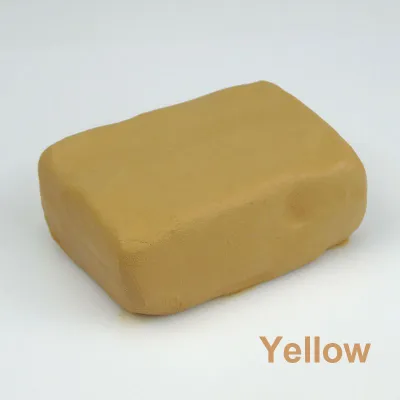
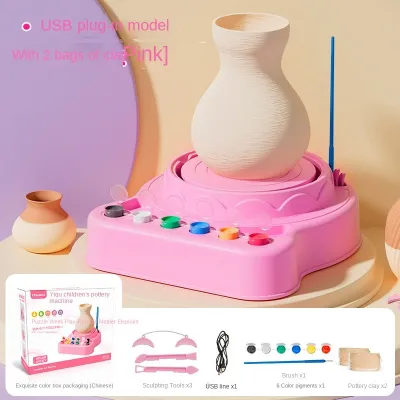
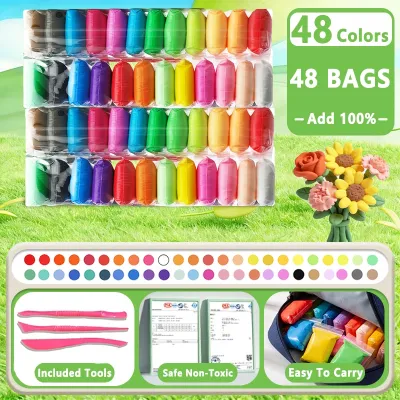
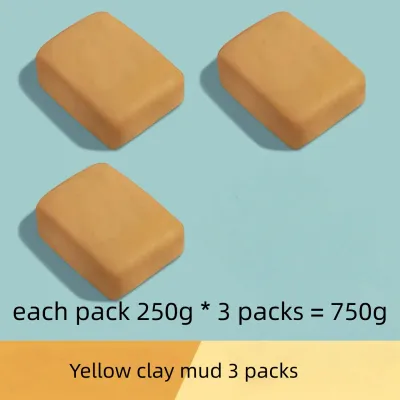
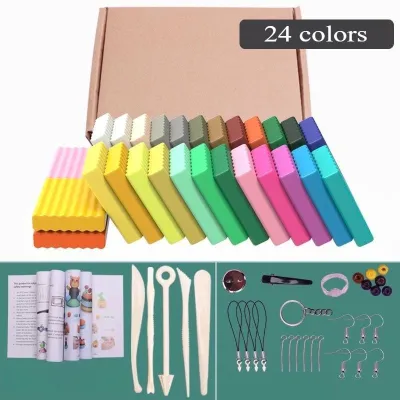
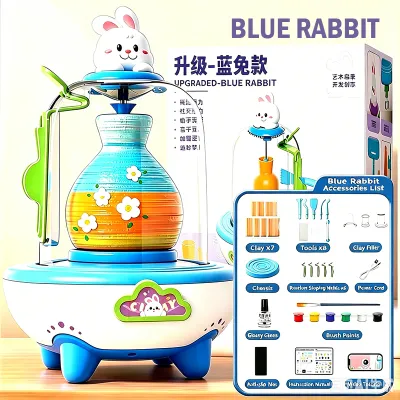
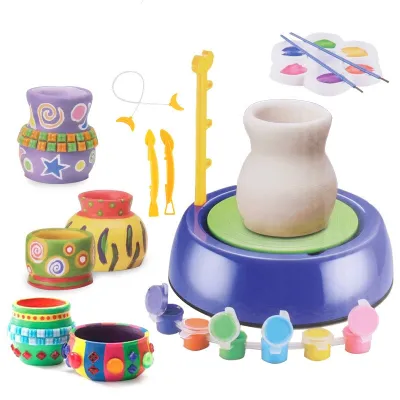
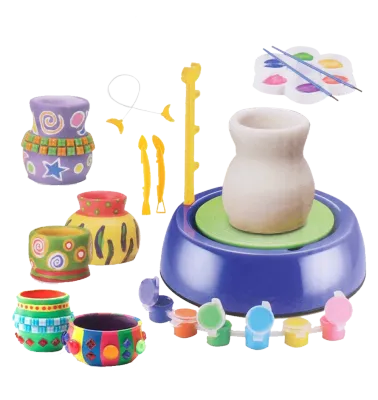
Prices are valid at publication and may change. Please refer to the product page for the latest price.
Polymer clay is a synthetic material made from polyvinyl chloride (PVC) plastic and liquid plasticizers. It is highly popular because it remains pliable indefinitely until baked in a home oven. However, baking polymer clay requires strict temperature control to prevent the release of irritating fumes. If overheated, polymer clay can degrade and release toxic hydrochloric acid gas. Because of these chemical properties and the heat required for curing, polymer clay is generally unsuitable for unsupervised children or very young crafters who might attempt to eat the colorful pieces.
Water-based craft clays, including modern air-dry clays and soft modeling doughs, are the safest alternatives for early childhood pottery projects. These clays use water as their primary solvent, making them easy to manipulate, rehydrate, and clean up. However, do not assume that any product labeled “craft clay” or “pottery clay” is automatically safe for children. Many adult-grade air-dry clays contain added nylon fibers, chemical preservatives, or paper pulp to prevent cracking, which can cause skin irritation or respiratory issues. Always look past the marketing names and verify the specific safety certifications and age recommendations on the packaging.
Because you cannot verify a clay’s exact chemical makeup just by looking at it, you should perform a simple trial to assess its quality and performance. Roll a small ball of clay and pinch it between two fingers; if it cracks immediately, it lacks the elasticity needed for detailed hand-building. Let a small test piece dry overnight to observe its shrinkage, structural strength, and how it handles local humidity. If the clay crumbles easily after drying or develops a white, powdery residue, it may not be suitable for children’s projects.
Age-Appropriate Clay Choices for Pottery for Kids
Selecting the right clay requires matching the material to the child’s developmental stage. Children of different ages have varying levels of motor control, attention spans, and physical vulnerabilities, which must dictate your purchasing decisions.

Toddlers and Preschoolers (Ages 2–5): Choking and Ingestion Risks
At this stage of development, children explore materials primarily through touch and oral sensation. The biggest safety vulnerabilities are choking on small pieces and the accidental ingestion of the modeling material. For these young creators, traditional pottery techniques are too advanced, and the focus should remain on sensory play and basic muscle development.
The best choice for toddlers is a large-piece, water-based modeling dough or a homemade mixture. A simple dough made from wheat flour, water, salt, and natural food coloring provides a completely safe, taste-safe alternative that eliminates chemical risks entirely. If purchasing commercial products, select large, solid blocks of clay that cannot be easily broken into small, swallowable chunks, and ensure the packaging explicitly states it is designed for early childhood use. Constant adult supervision is mandatory; never leave a young child alone with any modeling material, and avoid using small plastic tools or detachable decorative parts that could present a choking hazard.
School-Age Kids (Ages 6+): Skill Building with Air-Dry Clay
As children reach school age, their fine motor skills and attention spans develop significantly, allowing them to attempt genuine hand-building pottery techniques like pinch pots, coil pots, and slab construction. For this group, high-quality, water-based air-dry clay is the ideal medium. It mimics the tactile feel and workability of traditional ceramic clay without requiring a kiln or specialized firing equipment.
When working with air-dry clay, establish clear hygiene habits to prevent accidental ingestion of clay residue. Instruct children to wash their hands thoroughly with soap and water immediately after their pottery session. Because dry clay residue can easily transfer from hands to eyes or mouth, children must be taught to avoid touching their faces while sculpting. Keep the workspace organized and clean, using a damp vinyl mat as a work surface to prevent clay from sticking and drying out on tables, which helps minimize dust creation.
How to Verify If a Clay Product Is Truly Non-Toxic
Navigating product packaging requires knowing how to separate genuine safety standards from vague marketing claims. The phrase “non-toxic” is often used loosely by manufacturers, but in the context of children’s art supplies, it has a specific regulatory meaning. A certified non-toxic clay is safe for skin contact and will not cause acute or chronic health issues if a small amount is accidentally ingested. However, “non-toxic” does not mean “edible.” The material is still not meant for consumption and can cause digestive discomfort or mild blockages if swallowed in larger quantities.
To ensure a clay product is genuinely safe, look for recognized, third-party safety seals on the packaging. The Art and Creative Materials Institute (ACMI) AP (Approved Product) seal is the gold standard for art supply safety, indicating the product has been toxicologically evaluated and contains no materials in sufficient quantities to be toxic or injurious to humans. For products sold globally or imported to the Philippines, look for the CE (Conformité Européenne) mark alongside the EN71-3 certification, which confirms compliance with strict European toy safety standards regarding the migration of heavy metals.
Additionally, check the label for explicit declarations such as “lead-free,” “asbestos-free,” and “heavy-metal-free.” These claims are particularly important for air-dry clays that contain natural clay minerals, which can sometimes be contaminated during mining. Avoid using industrial modeling clays, unlabeled bulk clays sold without retail packaging, or professional-grade ceramic clays intended for adult studio use. These products are formulated for performance rather than safety and may contain chemical binders, sulfur, or heavy metals that are unsafe for children’s sensitive skin.
Essential Safety Precautions During Pottery Sessions
Creating a safe environment for kids’ pottery goes beyond choosing the right clay; it also requires implementing proper studio habits. First, ensure the workspace is well-ventilated. While water-based air-dry clay itself does not release harmful fumes, any sealants, acrylic paints, or glosses you apply to the finished, dried pieces to make them water-resistant might release strong odors. Always apply these finishing products in a well-ventilated room or outdoors, and ensure an adult handles or closely supervises this step.
Dust management is another critical precaution. When clay dries, small crumbs can fall to the floor or table, eventually breaking down into fine dust. To prevent children from inhaling these airborne particles, never sweep or vacuum dry clay residue, as this disperses the dust into the air. Instead, use wet cleanup methods. Wipe down tables, tools, and floors with damp cloths, sponges, or mops to trap and remove the dust safely.
Tool safety is equally important for preventing physical injuries. Traditional pottery tools include sharp metal wire cutters, carving knives, and pointed needles. Replace these with child-safe alternatives, such as blunt plastic rolling pins, wooden modeling sticks, and cookie cutters. These tools allow children to shape, texture, and cut their clay safely without the risk of cuts or puncture wounds.
Before starting a long crafting session with a new brand of clay, perform a quick skin allergy patch test. Apply a small, coin-sized piece of moist clay to the inside of the child’s forearm and leave it for 10 to 15 minutes. Remove the clay and wipe the skin clean. Monitor the area for the next 24 hours for any signs of redness, itching, or irritation. If a reaction occurs, discontinue use immediately, as the child may be sensitive to a specific binder or preservative in that formulation.
First Aid: What to Do If Clay Is Swallowed or Gets in the Eyes
Even with careful supervision, accidents can happen during pottery sessions. If a child swallows a small amount of certified non-toxic clay, do not panic. Begin by gently clearing any remaining clay from their mouth. Offer the child a small glass of clean water to drink to help flush the material down to the stomach. Monitor the child closely for any signs of discomfort, such as stomach pain, nausea, or coughing. Crucially, do not induce vomiting, as this can increase the risk of choking or inhaling the material into the lungs. If the child shows persistent symptoms, if the clay swallowed was an industrial or unknown type, or if you suspect a large amount was ingested, contact your pediatrician or a local medical professional immediately.
In cases where clay particles or dust get into a child’s eyes, prompt action is necessary to prevent corneal scratches. Immediately flush the affected eye gently with plenty of clean, lukewarm water. Have the child hold their eye open, or gently hold the eyelids apart, while pouring a slow, steady stream of water across the eye from the inner corner outward for several minutes. Instruct the child not to rub their eyes, as abrasive clay particles can cause physical damage to the surface of the eye. If irritation, redness, pain, or watering persists after flushing, seek professional medical attention promptly.
Please note that these first-aid steps are intended for basic, immediate response to minor accidents. They do not replace professional medical advice. Always consult a healthcare professional or visit a medical clinic if a child exhibits severe reactions, breathing difficulties, or if the exact ingredients of the ingested clay are unknown.
Frequently Asked Questions (FAQ)
Can I use traditional ceramic clay for young children?
Traditional ceramic clay is generally unsuitable for young children. It contains natural minerals that produce fine silica dust when dry, which can cause respiratory irritation if inhaled over time. Additionally, raw ceramic clays may contain trace heavy metals and require high-temperature kiln firing, which presents severe burn hazards and is impractical for home or standard classroom settings.
Is air-dry clay safe if it dries out and creates dust?
While wet air-dry clay is safe, dried pieces can break down and create fine dust if they are sanded, filed, or broken. This dust can cause mild respiratory irritation, particularly for children with asthma or allergies. To minimize risk, never sand dried clay indoors, always use a damp cloth for cleaning up crumbs, and work in a well-ventilated space.

Community discussion
Share your experience or ask a question. Comments are reviewed before publication.