
Choosing the right clearbook short filing product depends entirely on how you intend to handle, organize, and protect your documents. If your primary goal is to transport a handful of loose sheets safely through a humid daily commute, a simple plastic envelope is your most practical option. For those managing multi-category archives like monthly utility bills, tax receipts, or school modules, an expanding file offers the necessary structured compartments. Meanwhile, if you need to present certificates, reports, or creative portfolios in a professional, flippable format, a classic display book with fixed clear sleeves is the ideal choice.
To make the right investment, you must evaluate your storage volume, how often you need to retrieve individual pages, and the environmental conditions of your storage space. In tropical climates where high humidity and sudden downpours are common, choosing the correct plastic filing tool does more than just keep papers tidy—it actively preserves your documents from moisture damage, ink bleeding, and physical wear. Understanding the specific strengths and limitations of each product type ensures your paperwork remains pristine and accessible.
Verify Paper Compatibility: What "Short" Size Actually Means
Before purchasing any filing product, you must verify that “short” size dimensions physically match your specific documents. In the local market, “short” typically refers to standard Letter size, which measures 8.5 by 11 inches (215.9 by 279.4 mm). This is distinct from “long” paper, which usually refers to Folio size (8.5 by 13 inches), and international A4 paper, which measures 8.27 by 11.69 inches. Checking the exact packaging dimensions is critical because some imported filing brands use regional terms interchangeably, which can lead to purchasing errors.
Products mentioned in this guide
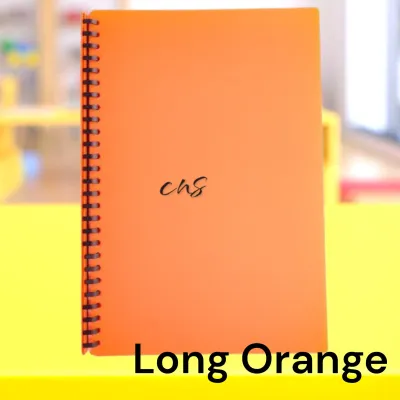
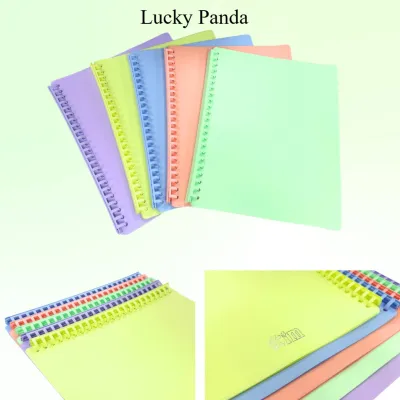
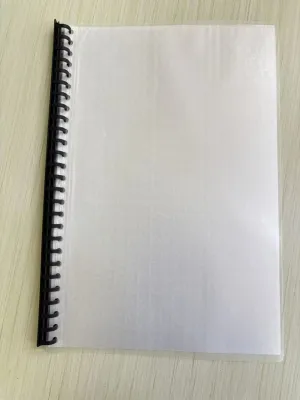
Prices are valid at publication and may change. Please refer to the product page for the latest price.
Document overhang and binding clearance are major issues when paper sizes are mismatched. If you attempt to store A4 documents in a short-sized clearbook or envelope, the top of the paper will protrude by nearly 0.69 inches. This exposed edge is highly susceptible to crumpling, tearing, and moisture absorption. Furthermore, when using display books, you must account for the seam clearance near the spine; if the pocket is too narrow, inserting standard letter paper will cause the sheets to buckle and bow, ruining the flat presentation.
Paper weight and thickness also dictate the actual capacity of your filing system. Standard office copy paper typically ranges from 70 gsm to 80 gsm, which behaves predictably in plastic sleeves. However, if you are filing thicker materials like 220 gsm cardstock, laminated sheets, or glossy photo paper, the physical volume increases dramatically. A pocket designed to hold ten sheets of standard bond paper might only comfortably fit two or three sheets of heavy cardstock before stretching the plastic or splitting the seams.
Clearbook Short Envelopes: Best for Quick Transport and Basic Protection
Clearbook short envelopes, often referred to as plastic document wallets or button envelopes, are designed for lightweight, single-category storage and daily transit. These envelopes are highly efficient for carrying a small bundle of loose documents, daily school handouts, travel receipts, or temporary paperwork that does not require internal categorization. Because they are thin and flexible, they slide easily into backpacks, tote bags, or briefcases without adding unnecessary bulk.

Despite their convenience, plastic envelopes have distinct structural limitations. They lack internal dividers, meaning all inserted papers sit in a single stack, which makes retrieving a specific sheet from the middle of the pile difficult. If you overfill a plastic envelope, the sides will bulge, causing the edges of your documents to curl or crease. Additionally, these envelopes have very little structural rigidity; if they are not supported by a laptop or a hard binder inside your bag, they can easily bend, compromising the flatness of the papers inside.
When shopping for short envelopes, you should carefully inspect the closure mechanism, material thickness, and transparency. A sturdy snap button or a secure hook-and-loop closure is essential to prevent papers from sliding out during transit. Look for envelopes made from thicker polypropylene (measured in microns or gauge) to ensure they resist tearing along the folded edges. Opting for a semi-transparent or clear finish allows you to identify the contents at a glance without needing to open the envelope and sort through the pages.
Clearbook Short Expanding Files: Best for High-Volume Sorting
For users who need to organize large batches of documents by category, date, or priority, a short expanding file is the most effective tool. These multi-pocket accordion-style folders are ideal for managing monthly utility bills, student portfolios, tax documents, or project-specific paperwork that requires distinct internal sections. They allow you to consolidate a massive amount of paperwork into a single, organized unit that can sit neatly on a desk or a shelf.
However, the high capacity of expanding files comes with a trade-off in terms of portability and space. When fully loaded, an expanding file develops a bulky, wedge-shaped profile that can be heavy and difficult to fit into standard slim bags or tight desk drawers. They are primarily designed for stationary desktop organization or occasional transport rather than daily mobile use. If you carry a fully expanded file in a soft bag, the outer corners are prone to getting bumped and damaged.
To choose a durable expanding file, you must evaluate the number of internal pockets, the gusset expansion width, and the visibility of the index tabs. Most short expanding files offer 5, 7, or 13 pockets, allowing you to sort documents by school subject, business department, or month. Ensure the bottom gusset expands evenly so the file can stand upright on its own when full. Finally, check that the plastic index tabs are clear and come with customizable paper inserts, enabling quick visual identification and rapid document retrieval.
Clearbook Short Display Books: Best for Presentations and Archiving
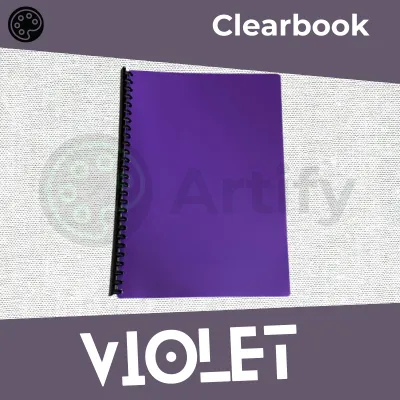
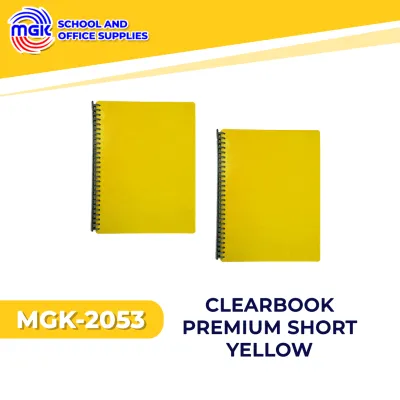
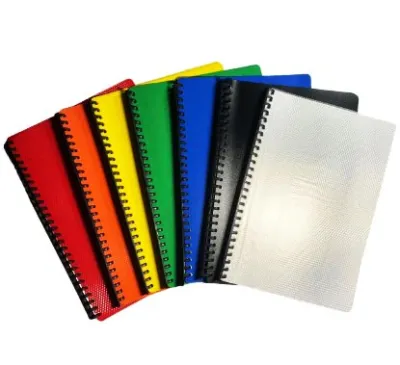
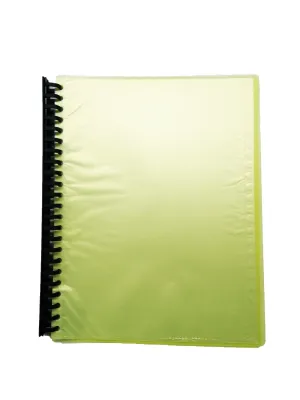
Clearbook short display books feature fixed, clear plastic pockets bound to a rigid or semi-rigid spine, making them the premier choice for presentations and long-term archiving. They are ideal for submitting school projects, presenting business proposals, or preserving important certificates, family photos, and reference materials. Because the pages are held flat inside individual sleeves, you can flip through the book repeatedly without ever touching or damaging the paper itself.
The primary limitation of a standard display book is its fixed page capacity. Unlike ring binders, you cannot easily add, remove, or reorder the plastic pockets once the book is manufactured. If you purchase a 20-pocket display book, you are strictly limited to 40 page views (using back-to-back sheets). Inserting thick items, brochures, or odd-sized memorabilia into these tight pockets can stretch the plastic permanently, causing it to look wrinkled and making it difficult to slide standard papers back in later.
When selecting a display book, pay close attention to the pocket loading direction, the plastic finish, and the spine design. Top-loading pockets are standard and easy to use, but side-loading pockets offer superior security as papers cannot slide out if the book is held upside down. A non-glare or matte finish on the plastic sleeves is highly recommended, as it reduces reflections under bright office fluorescent lights, making your text much easier to read. Additionally, a clear spine insert allows you to slide in a printed label for neat organization on your bookshelf.
Decision Matrix: Match Your Filing Needs to the Right Product
To help you finalize your purchase, the following matrix compares short envelopes, expanding files, and display books across key performance dimensions. Use this table to eliminate unsuitable options based on your primary organizational pain points.
| Feature | Short Envelopes | Short Expanding Files | Short Display Books |
|---|---|---|---|
| Document Capacity | Low (1 to 50 sheets) | High (150 to 500+ sheets) | Medium (20 to 80 page views) |
| Portability | Excellent (Slim, lightweight) | Moderate (Bulky when full) | Good (Flat, rigid structure) |
| Sorting Capability | None (Single compartment) | Excellent (Multi-pocket tabs) | Moderate (Fixed sequential pages) |
| Primary Use Case | Daily transit, quick handouts | Archiving bills, tax sorting | Presentations, certificates |
| Water Resistance | High (Fully enclosed plastic) | Moderate (Open sides or top flap) | High (Sleeves protect individual pages) |
| Average Cost | Budget-friendly (₱20 – ₱50) | Mid-to-High (₱100 – ₱250) | Mid-range (₱50 – ₱150) |
When using this matrix, identify your absolute priority first. If your daily routine involves moving between classrooms or offices with minimal paperwork, prioritize the high portability of envelopes. If your desk is cluttered with loose documents that need systematic categorization, the sorting power of an expanding file is unmatched. If you are preparing for a job interview or archiving official records, the professional presentation of a display book is the clear winner.
Pre-Purchase Checklist and Long-Term Care
To ensure your selected clearbook short product lasts for years, you must perform a few physical quality checks at the point of purchase. Inspect the seam welding along the edges of envelopes and display book pockets; cheap heat-sealing often features thin, brittle lines that split open under minimal pressure. Test the closure mechanisms repeatedly—snap buttons should click securely without requiring excessive force that might tear the surrounding plastic, and elastic bands should have tight tension that snaps back instantly.
Proper storage is vital for maintaining plastic stationery in tropical environments. Keep all polypropylene and PVC filing products away from direct sunlight and extreme heat, such as inside a parked car or next to a sunny window. Prolonged heat exposure causes plastic to warp, yellow, and become highly brittle, leading to premature cracking. Additionally, high humidity can trap moisture inside sealed plastic sleeves; ensure your paper documents are completely dry before filing them to prevent mold growth and ink transfer.
Recognizing when to replace your filing products will protect your valuable documents from damage. If you notice the plastic pockets becoming cloudy, sticky, or rigid, the material is degrading and may chemically bond with your printed documents, lifting the toner off the page. Cracking edges, torn pocket seams, and stretched-out elastic bands are clear indicators that the product has reached the end of its functional lifespan and should be replaced to maintain secure document protection.
Frequently Asked Questions (FAQ)
Can I store A4 or Long-size documents in a Clearbook Short folder?
No, it is not recommended to store A4 or long-size documents in a short-sized filing product. Because short folders are designed specifically for Letter-size paper (8.5 x 11 inches), larger paper sizes will protrude from the top or sides. This exposure leads to folded edges, dog-eared corners, and physical tearing. Additionally, forcing larger sheets into tight display book pockets can stretch the plastic, split the seams, and prevent the folder or envelope from closing securely, leaving your documents vulnerable to dust and moisture.
How do I clean and maintain clear plastic filing products?
To clean clear plastic filing products, gently wipe the exterior and interior surfaces with a dry or slightly damp microfiber cloth. If there is stubborn dirt or sticky residue, use a tiny drop of mild dish soap mixed with water, wipe the area, and dry it immediately with a clean towel. Avoid using harsh chemical solvents, rubbing alcohol, or abrasive scrubbing pads. These chemicals can strip the protective coatings, permanently cloud the clear plastic, and weaken the welded seams of your envelopes, expanding files, or display books.

Community discussion
Share your experience or ask a question. Comments are reviewed before publication.