
Choosing the right document organizer folder is a matter of balancing how much paperwork you handle with how often you need to retrieve it. In the Philippines, where high humidity and sudden monsoon downpours can quickly ruin unprotected paper, your choice also depends heavily on material durability and moisture protection. By matching your daily workflow to the correct folder structure, you can prevent cluttered desks and keep your essential documents pristine.
To find your ideal filing companion, you must look beyond aesthetics and evaluate how a folder handles physical wear, paper capacity, and accessibility. Whether you are managing school handouts, corporate contracts, or household utility bills, the right organizer keeps your papers flat, dry, and easy to find.
Assess Your Document Volume and Access Frequency
Before purchasing any filing supplies, take a realistic look at your current paperwork load. Count or estimate the total number of pages you need to store, as a stack of fifty sheets requires a completely different storage solution than an archive of five hundred pages. You must also consider the physical dimensions of your documents, noting whether you primarily handle standard A4 sheets, letter size, or the longer legal-sized bond paper (often referred to locally as ‘long’ bond paper) commonly used in local offices and schools.
Products mentioned in this guide
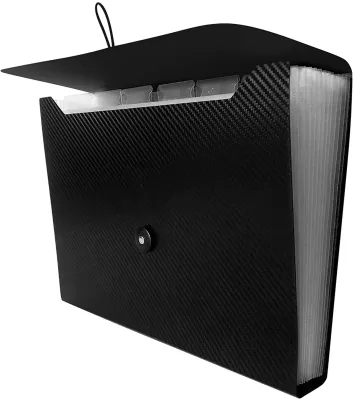
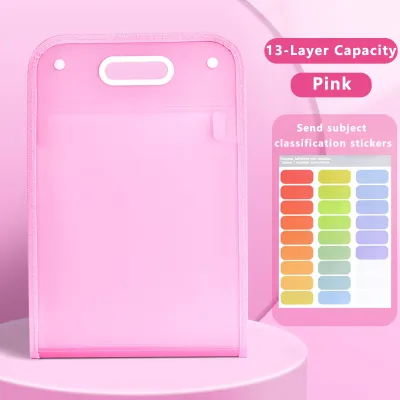
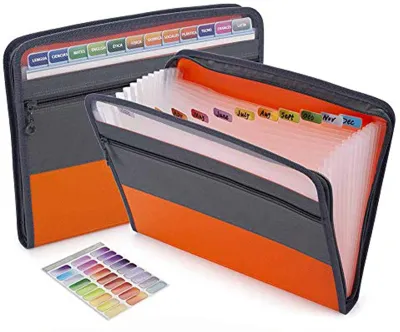
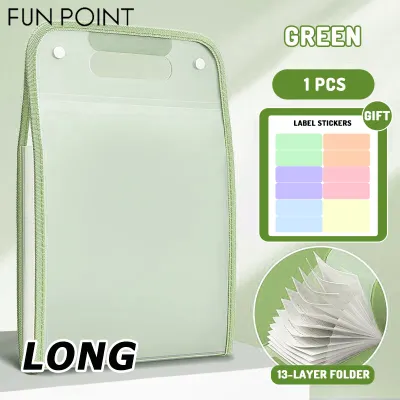
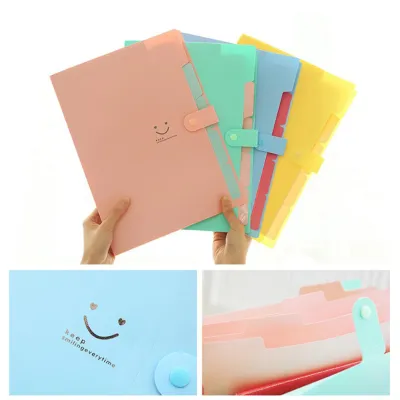
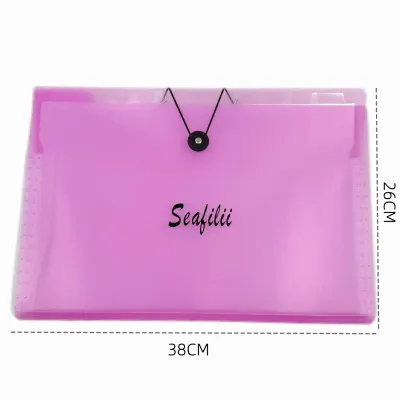
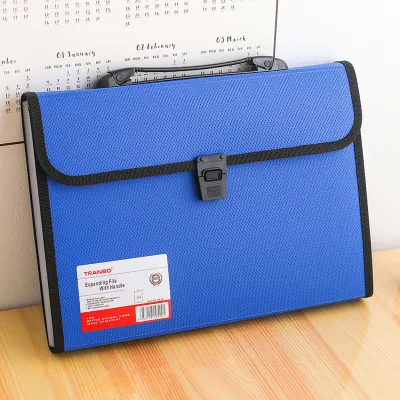
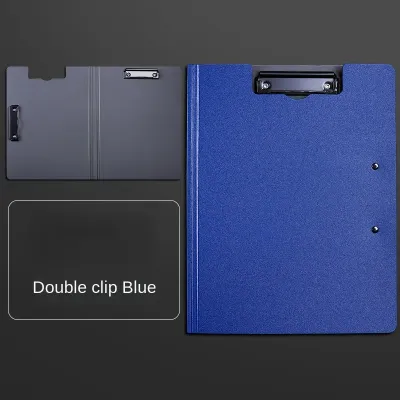
Prices are valid at publication and may change. Please refer to the product page for the latest price.
Next, determine how often you will need to access these files. Active documents, such as ongoing school projects or weekly bills, require quick-access designs that do not slow you down with complex closures. Conversely, long-term archival documents like birth certificates, land titles, or tax records are rarely retrieved and benefit from maximum physical protection rather than rapid access.
Portability is another critical factor to weigh. If you frequently commute with your documents in a backpack or tote bag, you need a lightweight, secure organizer that prevents pages from sliding out during transit. For stationary office storage, however, you can prioritize heavier, high-capacity options that sit upright on a shelf.
Finally, consider your physical storage environment. High humidity can cause paper to soften and warp over time, meaning your storage space must offer adequate ventilation or moisture-resistant barriers to keep documents dry.
Match Your Filing Habits to the Right Folder Type
Different organizing tasks demand different structural designs. By understanding the strengths of expanding files, ring binders, and pocket folders, you can select a tool that aligns perfectly with your daily habits and storage constraints.

Accordion and Expanding Files for High-Volume Sorting
Accordion and expanding files are the ultimate tools for high-volume sorting when you need to keep multiple categories of documents in a single, self-contained unit. These organizers feature built-in dividers that expand outward, allowing you to store hundreds of pages without the need to punch holes in your documents. They are highly efficient for tax preparation, monthly utility tracking, or keeping different school subjects separated in one place.
When selecting an expanding file, pay close attention to the closure mechanism. Elastic bands are convenient for quick access but can lose their elasticity over time in warm, tropical climates. Snaps and zipper closures offer far greater security, ensuring that the folder will not burst open even when packed to maximum capacity during a busy commute.
However, expanding files do have some limitations. Because they expand horizontally, they can become quite bulky and may not sit flat on standard, shallow bookshelves. Additionally, retrieving a single page from the middle of a packed pocket can be slow, as you must sift through other loose sheets in the same section.
Binders for Active, Customizable Projects
Ring binders offer unmatched flexibility for active projects that require constant updates, page rearrangements, or presentations. Because pages are held in place by metal or plastic rings, you can easily insert new sheets, remove outdated drafts, or flip through the contents like a book. This makes binders ideal for training manuals, recipe collections, or school portfolios.
To ensure a smooth user experience, verify the ring capacity and shape before buying. D-ring binders hold more paper and allow sheets to lie flatter than traditional round O-ring binders, reducing the risk of pages tearing at the punched holes. You should also check if the binder width accommodates plastic sheet protectors, which shield your papers from dust and damp fingers without requiring you to punch holes directly into the sheets.
The primary trade-off with ring binders is their bulk and weight. The rigid spine takes up a fixed amount of space on your shelf or in your bag, regardless of whether the binder is empty or full. They are also heavier to carry around, making them less suitable for light, highly mobile daily tasks.
Pocket Folders for Light, Temporary Storage
For low-volume, temporary document transport, simple pocket folders are the most practical and lightweight option. These folders typically feature two interior pockets to hold loose sheets, making them excellent for distributing handouts at meetings, carrying homework assignments, or organizing a single day’s travel documents.
When choosing a pocket folder, material durability is key. Standard paperboard or cardstock folders are highly affordable, often costing under ₱50, but they tear easily and offer no protection against humidity or accidental spills. Polypropylene plastic pocket folders are much more resilient, resisting water and keeping your papers flat even when stuffed into a crowded bag.
Keep in mind that basic pocket folders offer limited security for loose papers. If the folder is dropped or held upside down, sheets can easily slide out unless you choose a model equipped with center metal fasteners or protective utility flaps.
Decision Checklist: Finalizing Your Docs Organizer Folder
To make your final decision, use this quick checklist to match your physical documents with the right folder specifications:
- Capacity Check: Compare your document stack thickness to the folder's spine width. Never force a thick stack into a narrow folder, as this warps the cover and creases your papers.
- Material Check: Opt for heavy-duty polypropylene plastic if you live in high-humidity areas or need to commute in the rain. Choose paperboard only for dry, short-term indoor use.
- Size Compatibility: Verify that the folder explicitly fits your paper size. Standard A4 folders may pinch or fold the edges of longer legal-sized documents.
- Labeling System: Look for folders with built-in index tabs, clear front pockets, or writable spines so you can identify the contents at a glance without opening them.
Frequently Asked Questions (FAQ)
Can I combine different folder types for one large project?
Yes, combining different folder types is an excellent way to manage complex projects. You can use lightweight pocket folders to carry active daily drafts to and from work or school, then transfer those finalized documents into a master ring binder or a multi-pocket expanding file at the end of the week. To keep this system intuitive, maintain a consistent color-coding or labeling scheme across all your organizers, such as using blue folders for financial documents and green folders for personal projects.
How do I prevent ink transfer or sticking in plastic folders?
Cheap plastic folders made from PVC can react with printer toner and ink, causing your documents to stick to the plastic or transfer their print over time. To prevent this, always ensure that freshly printed sheets are completely dry before filing them away. For long-term storage, look for folders labeled as acid-free or copy-safe polypropylene, or place a blank sheet of standard copy paper between printed pages to act as a protective barrier.

Community discussion
Share your experience or ask a question. Comments are reviewed before publication.