
Selecting the right envelope with handle depends entirely on balancing your daily environment, the volume of documents you carry, and the level of professionalism you need to project. For students navigating sudden tropical downpours and heavy academic loads, a lightweight, water-resistant plastic carrier with expandable gussets is often the most practical choice. Meanwhile, office workers benefit from opaque, multi-pocket organizers that secure sensitive internal files, and professionals heading into client meetings require structured, minimalist portfolios made of rigid materials like leatherette or heavy canvas to keep contracts pristine. By matching the envelope’s material, closure, and handle strength to your specific routine, you can protect your important papers while ensuring comfortable transit.
Whether you are choosing a basic plastic model costing under ₱100 or investing in a premium portfolio, evaluating these core features ensures your money is well spent.
Key Dimensions to Evaluate in an Envelope with Handle
Before purchasing any document carrier, you must verify its dimensions against the specific paper sizes you use daily. In the Philippines, standard office and school documents frequently alternate between A4 size and longer formats like Legal or Folio, which is often referred to locally as long bond paper. Ensure the product specifications explicitly state compatibility with these longer sheets, as forcing legal-sized documents into an A4-only carrier will inevitably bend, crease, or tear the edges of your paperwork.
Products mentioned in this guide

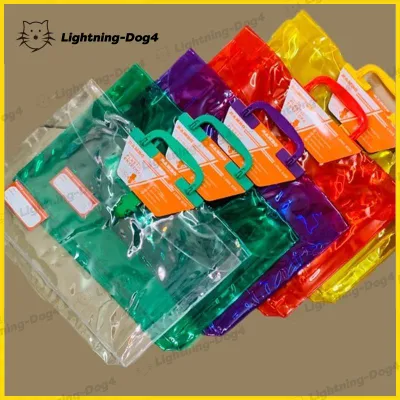
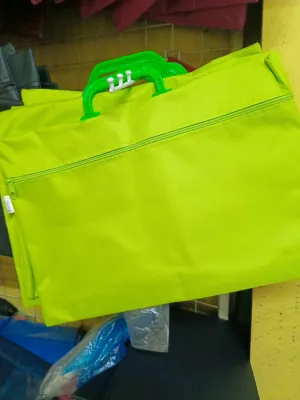
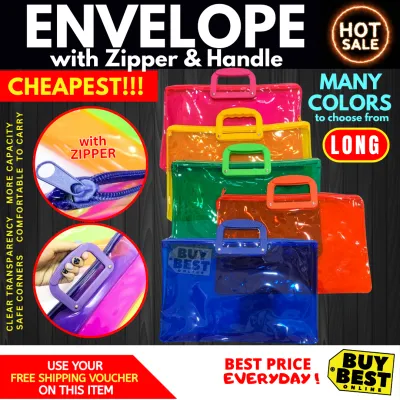
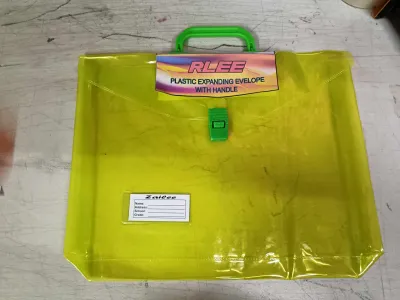
Prices are valid at publication and may change. Please refer to the product page for the latest price.
The structural durability of the envelope relies heavily on its material and construction methods. For plastic models, inspect the edges to see if they feature heat-welded seams or fabric-reinforced stitched borders, as stitched edges generally resist splitting under pressure much better than simple heat seals. If you opt for fabric or canvas carriers, look closely at the corners to ensure they have reinforced piping or double-layer fabric to prevent premature wear from friction.
Closure mechanisms dictate both security and ease of access during busy days. Zipper closures offer the most secure seal against dust and moisture, but they require smooth operation without catching on the inner lining. Snap buttons and plastic buckles provide faster access but may pop open if the envelope is overfilled, making it essential to check the alignment and tightness of the clasp before relying on it.
Finally, examine the handle construction, as this is the primary point of failure under heavy loads. Look for handles that are securely anchored to the body of the envelope with reinforced plastic rivets, heavy-duty stitching, or integrated webbing that wraps around the base of the carrier. Avoid handles that are merely glued or lightly heat-pressed onto a single layer of thin plastic, as these are highly prone to snapping when carrying thick stacks of paper.
Choosing the Right Handle Envelope for School Submissions
Students and parents need rugged, high-capacity document carriers that can survive the daily grind of commuting on public transit and moving between classrooms. When selecting an envelope for school submissions, prioritize models with expandable gussets or multi-pocket accordion interiors. These designs allow the carrier to expand as the school year progresses, providing dedicated sections to separate thick project folders, review binders, and loose assignment drafts without crushing them.

Given the unpredictable tropical weather, protecting schoolwork from sudden rain showers during the commute is a top priority. Check product labels for water-resistant materials, such as thick polypropylene plastic or treated nylon fabrics, which prevent water from seeping through to your papers. Because water resistance depends on the exact combination of plastic, fabric, and zipper materials, you can verify this by performing a quick splash test on the exterior of the empty carrier before trusting it with important documents.
Physical strain is another critical factor for students who already carry heavy backpacks. Opt for lightweight material options like thin but durable plastic sheets or lightweight woven synthetics to avoid adding unnecessary dead weight to the daily load. A lightweight carrier ensures that the bulk of the weight comes from the actual schoolwork rather than the container itself.
To make classroom organization easier, look for envelopes in bright colors or distinct patterns. Vibrant hues not only help students quickly identify their specific document carrier in a crowded classroom or shared locker but also make it less likely to be left behind or mixed up with a classmate’s supplies.
Selecting a Functional Document Carrier for Daily Office Work
For daily office tasks, a functional document carrier should streamline internal workflows and keep sensitive information secure. When transporting files through shared workspaces, elevators, or public transit, select opaque materials rather than fully transparent plastics. Opaque designs maintain document confidentiality, ensuring that sensitive financial reports, HR files, or proprietary project drafts remain hidden from casual onlookers.
Desk organization and quick retrieval are highly dependent on how easily you can sort the contents of your carrier. Look for envelopes equipped with built-in index tabs, clear exterior label windows, or color-coded edges. These features allow you to label sections by project, department, or urgency, enabling you to locate a specific document in seconds without having to pull out and read every sheet.
The handle design and overall profile of the envelope should support comfortable carrying throughout the workday. A slim, ergonomic handle that folds flat when not in use is ideal, as it allows you to carry files comfortably between departments, to the communal printer, or down to the storage archives. A low-profile handle also ensures the envelope can be filed away neatly inside standard filing cabinets or desk drawers without getting stuck.
Additionally, verify that the envelope is designed to lay completely flat when fully opened or unzipped. This flat-lay capability is incredibly useful during busy workdays, as it allows for effortless, two-handed document insertion and removal without requiring you to awkwardly hold the carrier open with one hand while organizing papers with the other.
Elevating Professionalism with Handle Envelopes for Client Meetings
When presenting proposals or contracts to clients, your choice of stationery reflects directly on your professional competence. To project a polished image, choose structured, rigid materials such as high-grade leatherette, hard-shell molded plastic, or thick, structured canvas. These rigid materials act as a protective shield, ensuring that important contracts, marketing collateral, and design mockups remain completely flat and free of unsightly creases or bent corners.
Aesthetics play a significant role in formal corporate environments, where loud colors or flimsy plastics can look out of place. Opt for minimalist designs featuring clean lines, subtle stitching, and neutral colors like black, navy blue, charcoal, or deep brown. These classic tones align naturally with professional expectations and seamlessly complement business attire.
A truly professional client meeting envelope should also function as a compact workstation. Check the interior layout for dedicated organizational slots designed to hold business cards, pens, notepad refills, and even a slim tablet or calculator alongside your standard paper documents. Having these items neatly organized in one place prevents you from rummaging through your bag during a presentation, keeping the focus entirely on your pitch.
Finally, pay close attention to the closure mechanisms, ensuring they operate quietly and securely. Magnetic snaps or high-quality, smooth-running zippers are preferred because they do not make loud, disruptive noises when opened. Avoid loud hook-and-loop fasteners or stiff, snapping plastic buckles that can break the quiet, formal atmosphere of a boardroom or executive office.
Maximizing Versatility and Maintaining Your Document Carrier
If you need a single document carrier to span multiple environments, look for hybrid designs that balance rugged durability with a clean, professional aesthetic. A dark-colored, heavy-duty canvas envelope with reinforced leatherette trim, for example, offers the structural strength needed to survive a student commute while remaining sophisticated enough for an office desk or a casual client meeting.
Maintaining your envelope properly will significantly extend its lifespan and protect your documents from dirt or moisture transfer. For plastic surfaces, routine cleaning is as simple as wiping the exterior with a damp microfiber cloth and a mild soap solution, ensuring it is completely dry before inserting papers. For canvas or fabric carriers, use a soft-bristled brush to remove dust, and spot-clean stains with a damp cloth rather than submerging the entire bag in water, which can warp the internal stiffeners.
Regularly inspect the handle attachments, zipper tracks, and corner seams for early signs of wear, such as loose threads, fraying fabric, or cracking plastic. Catching these issues early allows you to reinforce a seam or lubricate a sticky zipper with a tiny amount of paraffin wax before a complete failure occurs.
Establish clear conditions for when to retire a damaged envelope. If you notice split seams, a failing zipper that pops open, or a handle that is tearing away from its anchor points, stop using the carrier immediately. Continuing to use a compromised envelope risks dropping, losing, or exposing critical documents to dirt and rain, far outweighing the cost of replacing the carrier.
Frequently Asked Questions (FAQ)
Can I use a standard plastic envelope with a handle for formal client meetings?
While a standard plastic envelope with a handle is highly practical for internal office tasks or school submissions, it is generally not recommended for formal client meetings. Flimsy or transparent plastic can appear overly casual and may suggest a lack of preparation or attention to detail. For external presentations, it is best to upgrade to a structured, opaque portfolio made of leatherette, thick canvas, or rigid hard-shell materials that project a more polished, professional image.
How do I know if the handle is strong enough for heavy files?
To assess if a handle can support heavy files, inspect the attachment points for reinforced stitching, metal rivets, or double-layered fabric backing. Avoid handles that are simply glued or heat-welded directly to a single layer of thin plastic. You can also perform an observable check by gently pulling on the handle when the envelope is loaded; if the plastic or fabric around the attachment point distorts or stretches significantly, the carrier is not suitable for heavy loads.

Community discussion
Share your experience or ask a question. Comments are reviewed before publication.