
Choosing the right Faber-Castell marker line depends on matching your specific creative or professional task to the correct ink formulation and tip design. Whether you are blending rich pigments for a detailed illustration, color-coding notes in a bullet journal, or highlighting key text on printed office documents, selecting the appropriate product family ensures clean lines and prevents frustrating ink bleed. By identifying your primary paper type and writing environment, you can easily pinpoint the exact marker line that delivers the performance you need.
Step 1: Diagnose Your Primary Writing or Drawing Scenario
Before browsing specific marker models, you must define your primary writing or drawing scenario. Fine art illustration demands high-quality pigments, precise line control, and excellent lightfastness to ensure your artwork does not fade over time. If your focus is casual journaling, sketching, or taking school notes, you will likely prioritize ease of use, comfortable grips, and versatile tips that can handle both writing and coloring. For professional document organization, your main requirements will be quick-drying ink, high transparency, and precise chisel tips that make text stand out without smudging.
Your physical working environment also plays a significant role in your choice. A dedicated studio desk allows you to manage large, multi-piece marker sets and specialized storage trays. If you frequently work during a mobile commute or in a shared office space, you will benefit from compact, dual-tip designs that reduce the number of individual pens you need to carry.
Products mentioned in this guide
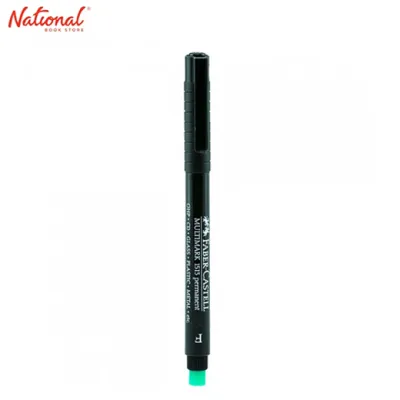
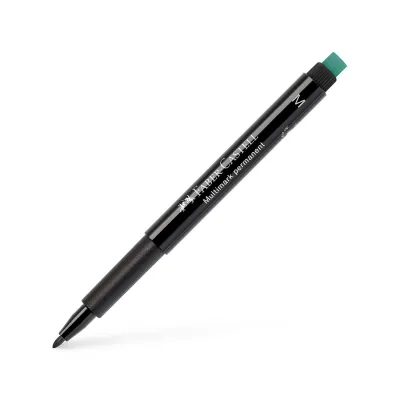
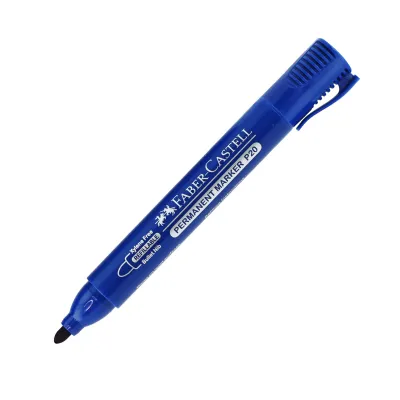
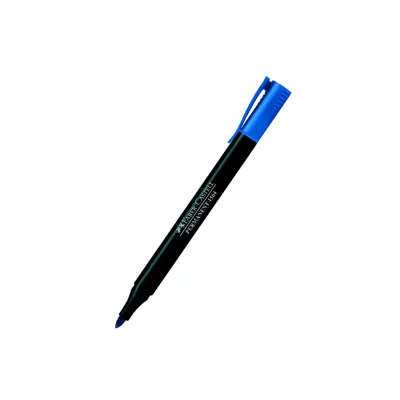
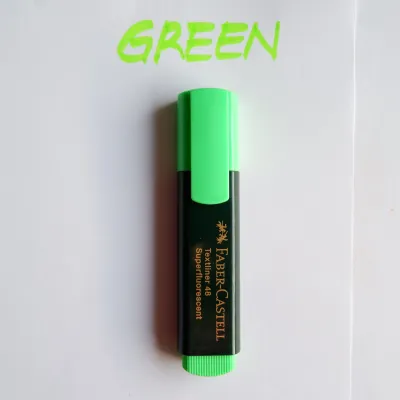
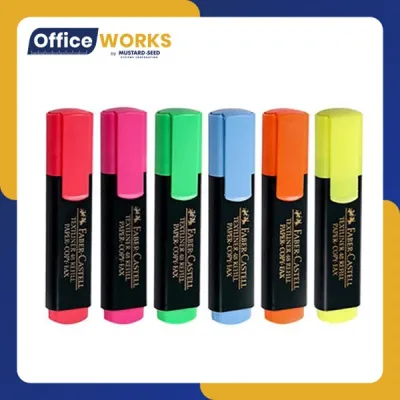
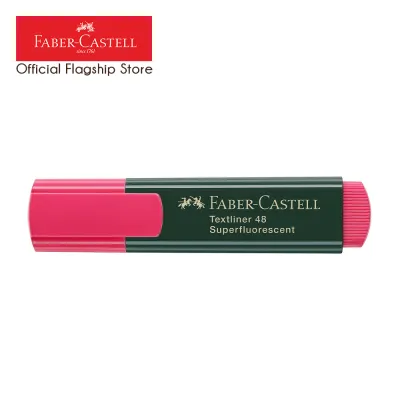
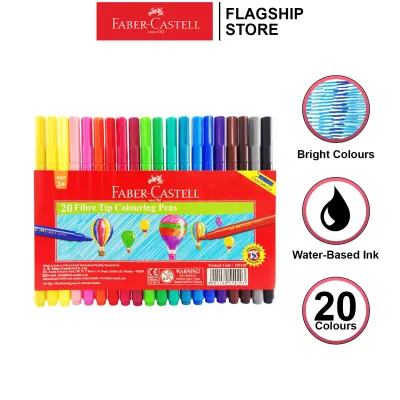
Prices are valid at publication and may change. Please refer to the product page for the latest price.
Most importantly, consider the typical paper stock you use daily. Marker performance is highly dependent on paper weight, texture, and coating. Standard notebook paper is thin and porous, making it highly susceptible to ink bleed-through and feathering. Conversely, heavy cardstock, mixed-media paper, or coated marker pads are engineered to hold wet ink on the surface, allowing for smooth blending and crisp edges without ruining the pages underneath.
Step 2: Match Your Scenario to the Right Product Line
Once you have identified your primary scenario and paper type, you can align your needs with the manufacturer’s distinct marker families. Each product line is engineered with a specific ink base—such as water-based dye, alcohol-based ink, or pigmented India ink—and a tailored nib architecture to suit different tasks. Let us break down how these families perform across different creative and professional applications.

For Professional Art and Illustration
For professional art and illustration, look for lines that utilize high-quality pigmented inks, such as the Pitt Artist Pen series. When selecting these tools, always check the manufacturer’s packaging or labels for explicit lightfastness ratings, which indicate how well the ink resists fading when exposed to light over time. Waterproof properties are equally critical if you plan to combine your markers with watercolors or other wet media, as water-resistant ink will not run or smudge once fully dry.
The choice of nib shape directly influences your drawing technique and line variation. Flexible brush tips behave like traditional paintbrushes, allowing you to create fluid strokes, variable line weights, and smooth gradients by adjusting your hand pressure. Fine-point nibs are ideal for intricate detailing, outlining, and cross-hatching, while broad chisel or wedge tips help you fill in large areas of color quickly and evenly.
Because professional art markers represent a significant investment, verify their compatibility with your preferred art papers and mixed-media surfaces before purchasing large sets. Test a single marker on your chosen medium to observe how the ink settles, blends, and dries. This simple trial prevents you from committing to a full collection that might not perform optimally on your specific paper stock.
For Journaling, School, and Everyday Notes
If your daily routine involves journaling, schoolwork, or casual note-taking, versatility and comfort are your top priorities. Dual-tip designs, such as the Goldfaber Aqua or specialized sketch markers, are highly practical because they combine two different nib sizes in a single barrel. Typically, these tools feature a fine bullet tip on one end for detailed writing and a broader brush or chisel tip on the other for coloring and sketching, saving valuable space in your pencil case.
Long study or journaling sessions can quickly lead to hand strain, so pay close attention to the physical design of the marker barrel. Look for ergonomic grip features, such as the raised non-slip grip dots found on the Grip series, which help reduce finger fatigue and provide better control. A comfortable, triangular barrel shape can also prevent the marker from rolling off your desk or study table.
Before starting a new journal page, review the manufacturer’s guidelines regarding ink drying times and potential bleed-through. Water-based inks generally dry slightly slower than alcohol-based alternatives, which can lead to accidental smudging if you close your notebook too quickly. Always perform a quick test on an inconspicuous back page of your notebook to ensure the ink does not seep through to the other side.
For Office and Document Organization
For office tasks, filing, and document management, highlighters and text liners are indispensable tools. Look for classic chisel-tip designs, which are engineered to provide variable line widths depending on the angle at which you hold the pen. A wide, flat angle allows you to cover an entire line of text in a single stroke, while the sharp point of the chisel tip is perfect for fine underlining or writing small margin notes.
When selecting highlighters, verify the transparency of the ink formulation. The primary purpose of highlighting is to draw attention to key information, so the ink must remain perfectly transparent to ensure the underlying printed text is fully legible. High-quality office markers provide vibrant, even color coverage without darkening or obscuring the words beneath.
Smudge resistance is another critical factor to consider, particularly in busy office environments. Check the product specifications for smudge-proof or fast-drying properties, especially if you frequently highlight over freshly printed inkjet documents or handwritten gel pen notes. In humid tropical climates, ink can take slightly longer to dry, making a smudge-resistant formula essential for keeping your documents clean and professional.
Step 3: Verify Key Specifications and Paper Compatibility
Before making your final purchase, take the time to verify key technical specifications to ensure the markers align with your workflow, budget, and maintenance preferences.
First, understand how the ink base affects your work. Water-based inks are generally odorless, acid-free, and less likely to bleed through standard paper, making them excellent for everyday writing and watercolor-like blending. Alcohol-based inks dry almost instantly and blend beautifully for smooth color transitions, but they are highly prone to bleeding through thin paper and require a heavy, coated surface. Pigment-based inks, such as India ink, offer permanent, waterproof, and lightfast results once dry, making them the gold standard for archival artwork.
Second, consider the long-term maintenance and environmental impact of your writing tools. Check if the specific marker line you are interested in offers replaceable nibs or refillable ink cartridges. Investing in a system that allows you to replace worn-out tips or top up the ink level can significantly reduce long-term costs and minimize plastic waste over time.
Third, pay close attention to storage requirements to extend the lifespan of your markers. Always follow the manufacturer’s guidelines regarding storage orientation. While many single-tip markers can be stored vertically in a pen cup, dual-tip markers almost always require horizontal storage. Storing dual-tip markers horizontally ensures that the ink remains evenly distributed between both ends, preventing one tip from drying out while the other becomes oversaturated and leaky.
Finally, plan your purchase carefully by comparing local retail prices in ₱ at authorized stationery shops or trusted online marketplaces. Instead of buying a massive, expensive set right away, look for smaller starter sets or individual open-stock markers. Purchasing a few single colors allows you to test the ink flow, grip comfort, and paper compatibility in your actual working environment before committing to a larger financial investment.
Frequently Asked Questions (FAQ)
Can I use art markers on regular notebook paper?
Professional art markers, particularly those with alcohol-based or heavy pigment inks, will often bleed through standard, lightweight notebook paper. To prevent the ink from ruining the subsequent pages of your notebook, place a thick protective blotter sheet or a piece of heavy cardstock directly underneath the page you are working on. For the best results, consider switching to specialized marker paper pads or heavy mixed-media sketchbooks designed to handle wet ink without bleeding.
How should I store my markers to extend their lifespan?
To maximize the lifespan of your markers and prevent them from drying out, always check the product packaging for the manufacturer’s recommended storage orientation. As a general rule, dual-tip markers must be stored horizontally to keep the ink evenly distributed between both nibs. Storing them vertically can cause the ink to pool at the bottom tip, leaving the top tip dry and unusable. Single-tip markers are often more forgiving, but horizontal storage remains the safest option for maintaining consistent ink flow.

Community discussion
Share your experience or ask a question. Comments are reviewed before publication.