
Selecting the right FolkArt acrylic paint variant for your craft project is not about finding a single “best” bottle, but rather matching the paint’s formulation to your specific surface material, environmental exposure, and desired finish. Because different formulas are engineered with distinct binders and pigments, a paint that adheres beautifully to raw wood might peel off a glass jar or crack on a flexible canvas bag. By diagnosing your project’s physical requirements first and carefully verifying the manufacturer’s label instructions, you can ensure a vibrant, long-lasting finish that resists the challenges of wear and local climate conditions.
Diagnose Your Craft Surface and Material Needs
Before reaching for a bottle of paint, you must analyze the physical characteristics of your crafting base. The surface texture determines how well the paint can grip the material. Porous surfaces, such as raw wood, paper, papier-mâché, and unglazed terracotta, naturally absorb moisture and provide an excellent mechanical bond for standard acrylics. Non-porous surfaces, including glazed ceramics, glass, metal, and smooth plastics, lack this natural grip, meaning standard paints will easily scratch or peel away unless you select a formula specifically engineered with high-adhesion binders.
Material flexibility is another critical factor that dictates your paint choice. If you are painting on a flexible substrate like canvas, fabric, or thin leather, the dried paint film must be able to bend and stretch along with the material. Applying a rigid, hard-drying paint to a flexible surface inevitably leads to cracking and flaking over time as the item is handled or folded.
Products mentioned in this guide
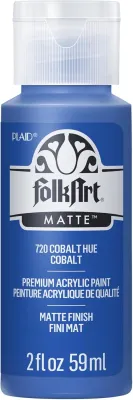
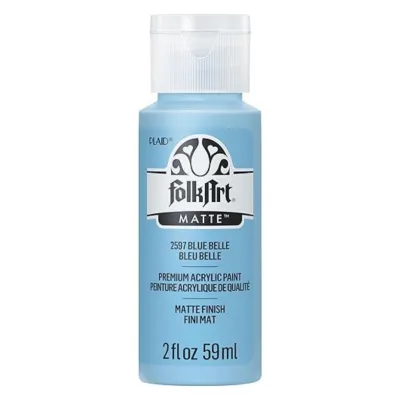
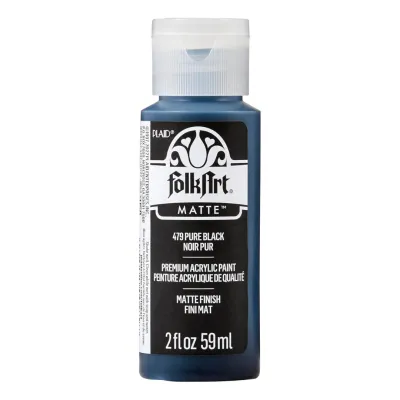
Prices are valid at publication and may change. Please refer to the product page for the latest price.
Finally, evaluate the environmental conditions your finished piece will encounter. Items intended for indoor display require far less protection than those destined for outdoor gardens or high-traffic areas. In tropical environments with high humidity and intense sunlight, outdoor crafts face rapid moisture exposure and UV degradation. Similarly, items that require frequent washing, such as glassware or custom apparel, demand specialized curing processes to withstand water and soap without degrading.
Match Your Project to the Right FolkArt Variant
Once you understand your surface’s physical demands, you can navigate the diverse lineup of FolkArt acrylic paints to find the matching formulation. Each variant is chemically engineered to optimize adhesion, flexibility, or sheen for specific material categories. Rather than relying on trial and error, your most reliable tool is the product label itself, which clearly outlines the intended surfaces and performance characteristics of that specific bottle.

Reading the primary label claims before purchasing ensures you do not accidentally use a decorative indoor formula on an outdoor project. Manufacturers design these labels to serve as immediate guides, highlighting key features such as multi-surface capability, outdoor durability, or specialized glass adhesion. Taking a moment to verify these claims prevents project failures and ensures your creative efforts stand the test of time.
Standard Crafts and Multi-Surface Applications
For traditional crafting projects, standard acrylic formulations are often the most straightforward choice. These paints perform exceptionally well on classic, porous surfaces like decorative wooden plaques, stretched canvases, and unglazed clay pots. They offer excellent coverage and a smooth application, making them ideal for base coating, stenciling, and detailed decorative painting where high flexibility or extreme weather resistance is not required.
When your project involves mixed media or a combination of different materials, checking the label for a multi-surface formulation is highly beneficial. Multi-surface variants are engineered with advanced acrylic polymers that allow them to grip both porous and semi-porous surfaces effectively. This versatility means you can paint a project that transitions from wood to metal accents using a single bottle, simplifying your workflow and ensuring consistent color across different parts of your craft.
However, it is important to recognize the limitations of these general-purpose paints. Highly slick, glossy, or extremely flexible surfaces often resist standard and even some multi-surface paints if they are not prepared correctly. Without a dedicated primer or proper surface scuffing, the paint may pool or fail to form a durable bond, highlighting the need for specialized variants when dealing with challenging substrates.
Glass, Tile, and Non-Porous Surfaces
Painting on smooth, non-absorbent materials like glass, glazed ceramic tiles, and porcelain requires a paint variant specifically formulated for non-porous surfaces. Standard acrylics will simply slide around or peel off once dry because they cannot penetrate the surface. Specialized glass and tile formulations contain unique adhesive agents that chemically bond to smooth surfaces, ensuring the paint remains intact even when handled.
Achieving a durable bond on these challenging materials starts with meticulous surface preparation. Before applying a single brushstroke, you must thoroughly clean the surface to remove invisible oils, fingerprints, and dust. Wiping the area with rubbing alcohol and letting it dry completely creates a pristine surface that allows the specialized paint to make direct, uninterrupted contact with the substrate.
After application, achieving maximum durability and washability depends entirely on following the specific curing instructions on the packaging. These specialized paints typically require either an extended air-cure period or a precise oven-baking process to fully set the resins. Skipping these curing steps or rushing the drying process in humid conditions will compromise the paint’s water resistance, leading to premature peeling when the item is washed.
Fabric, Textiles, and Outdoor Exposure
Textile painting demands a paint film that remains soft and flexible after drying. Standard acrylic paints dry into a relatively stiff plastic layer, which can make fabric feel rough and cause the design to crack when the garment is worn or washed. Fabric-specific acrylics or specialized textile mediums mixed with standard paint are formulated to penetrate fabric fibers, maintaining the natural drape of the material while resisting cracking through repeated laundry cycles.
For projects destined for the outdoors, such as garden stones, mailbox designs, or patio decorations, you must select formulations that explicitly state outdoor durability on the label. These paints are engineered with UV inhibitors to resist fading under intense sunlight and weather-resistant binders that prevent moisture from seeping under the paint film. This protection is especially crucial in tropical climates where heavy seasonal rains and high humidity can quickly degrade standard craft paints.
To ensure your outdoor or fabric projects survive the elements and washing machines, always adhere to the manufacturer’s heat-setting or curing guidelines. Many fabric paints require dry heat application, such as ironing on the reverse side of the fabric, to permanently lock the pigments into the fibers. Outdoor paints also require specific curing times before they can be safely exposed to rain, so planning your project timeline around these requirements is essential for long-term success.
Evaluate Your Desired Finish and Texture
Beyond surface compatibility, the visual appeal of your craft project is heavily influenced by the paint’s finish and texture. FolkArt paints are available in several standard sheen levels, including matte, satin, and gloss. A matte finish offers a soft, non-reflective look that hides surface imperfections, making it popular for rustic or vintage crafts. Satin provides a subtle, low-sheen luster that is easy to clean, while a gloss finish reflects light brightly, enhancing color vibrancy and giving projects a polished, modern appearance.
If your project calls for a more dramatic or functional aesthetic, specialty finishes can elevate your design. Metallic paints contain reflective pigments that mimic polished metals, while glitter and hologram finishes add sparkling dimension. For functional crafts, chalkboard paint creates a writable surface, and dimensional or puffy paints allow you to build raised textures that stand out physically from the background.
When planning your design, always check the compatibility guidelines if you intend to layer different sheens or mix paints with texture mediums. Applying a high-gloss topcoat over a matte base is generally safe, but mixing different formulations directly in a palette can sometimes alter the chemical balance, affecting how the paint dries and cures. If you want to add physical texture using modeling pastes or gels, verify that your chosen paint variant can be mixed with these mediums without losing its adhesive properties.
Verify Surface Preparation and Compatibility
The ultimate success of your painting project relies on proper surface preparation and respecting chemical compatibility. Even the highest-quality paint will fail if applied over dirt, grease, or loose debris. Depending on your base material, preparation might involve sanding rough wood to open up the grain, applying a dedicated primer to seal highly absorbent surfaces, or cleaning metals to remove rust and manufacturing oils. Taking the time to prepare your substrate ensures the paint can form the strongest possible bond.
Always review the product labels for specific instructions regarding drying times between coats and mandatory top-coating. In humid tropical environments, paint dries more slowly, meaning you may need to extend the recommended waiting times between layers to prevent the fresh paint from lifting the semi-dry layer beneath it. If a variant specifies that a sealer or varnish is required for durability, ensure you select a compatible topcoat from the same product line to avoid cloudy finishes or bubbling.
If you are ever unsure about how a specific paint variant will react with an existing finish or a different paint brand, stop and consult the manufacturer’s guidelines. Rather than risking your entire project, perform a small patch test on an inconspicuous area or a piece of scrap material. Observing how the paint dries, adheres, and cures over a few days will give you the definitive answer you need to proceed with confidence.
Frequently Asked Questions (FAQ)
Can I mix different FolkArt acrylic paint variants together?
While it is tempting to mix different paint lines to achieve a custom color, doing so can compromise the performance of specialized formulas. Mixing a highly flexible fabric paint with a rigid glass paint, for example, alters the chemical binders of both, potentially resulting in poor adhesion, cracking, or improper curing. Always check the label warnings regarding mixing different chemical bases, and if you must experiment, test a small batch on scrap material first to observe how it dries and behaves before applying it to your final project.
Do I need a sealer after using FolkArt Multi-Surface paint?
FolkArt Multi-Surface paint is formulated to be self-sealing, meaning it generally does not require an additional topcoat for standard indoor decorative items. However, you should assess your project’s expected exposure to moisture, physical friction, or outdoor elements to decide if extra protection is necessary. For high-wear items like outdoor signs or frequently handled trays, applying a compatible, manufacturer-recommended sealer will significantly enhance the durability and longevity of your finish.

Community discussion
Share your experience or ask a question. Comments are reviewed before publication.